• Global CNC market projected to reach $128B by 2028 • New EU trade regulations for precision tooling components • Aerospace deman
NYSE: CNC +1.2%LME: STEEL -0.4%

What good CNC Programming changes on the shop floor
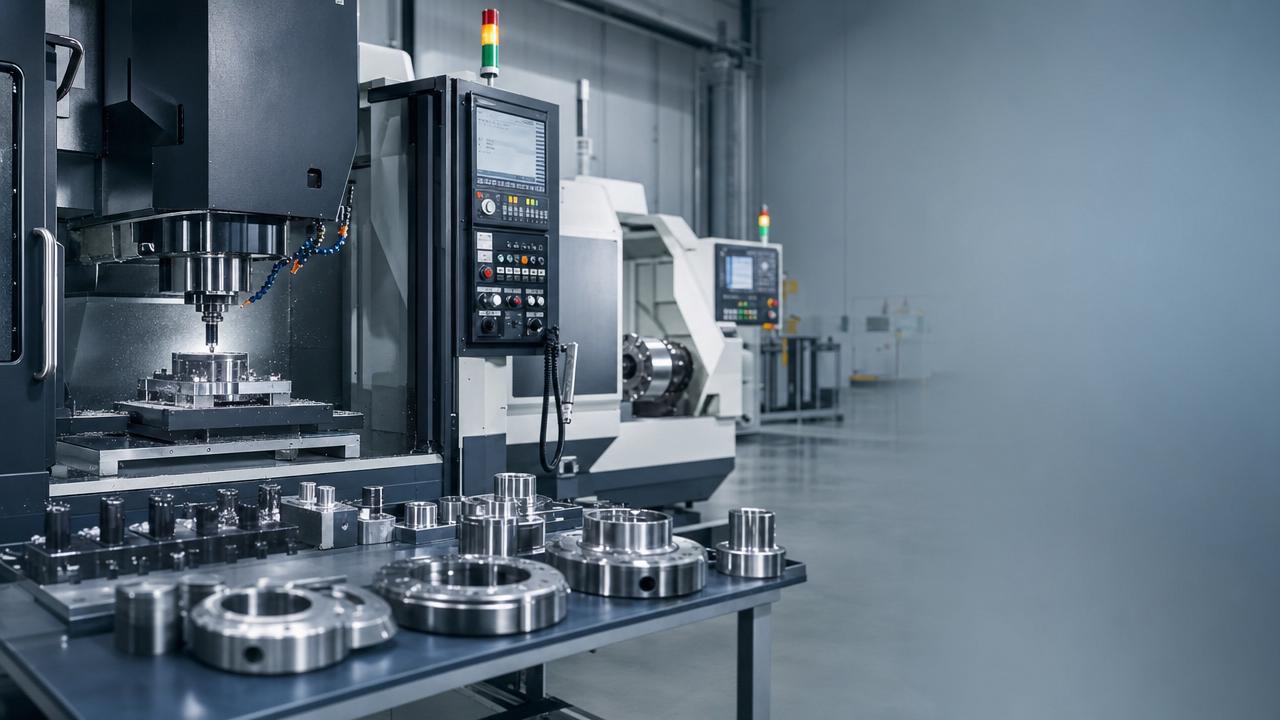
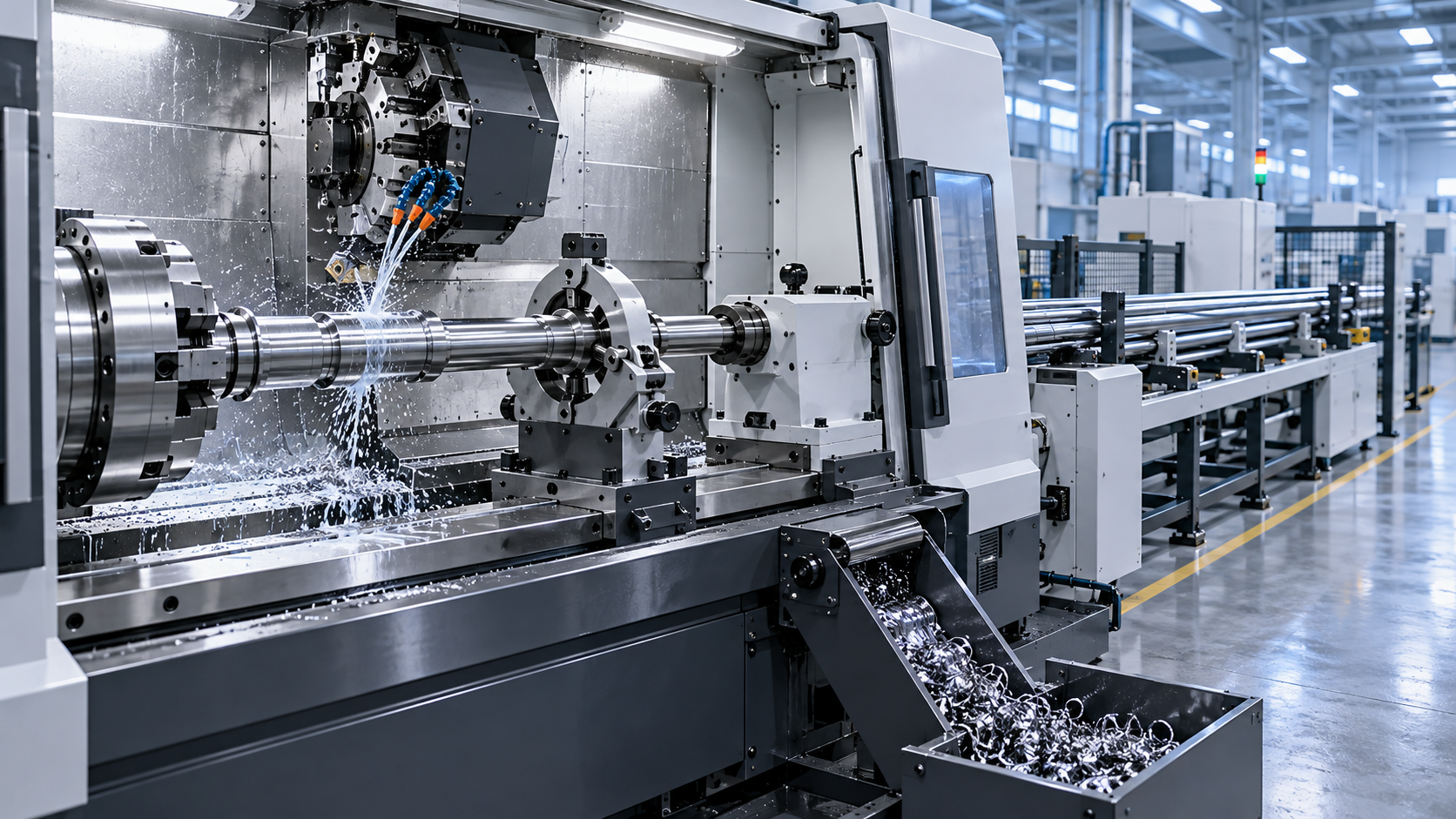
Good CNC Programming does more than generate toolpaths—it changes how the shop floor performs every day. For operators and users, better programs mean smoother machine cycles, fewer errors, more stable quality, and less downtime. In modern manufacturing, strong CNC Programming helps turn complex production demands into safer, faster, and more reliable machining results.
What does good CNC Programming really change on the shop floor?
Good CNC Programming improves the full machining process, not only the code inside the control.
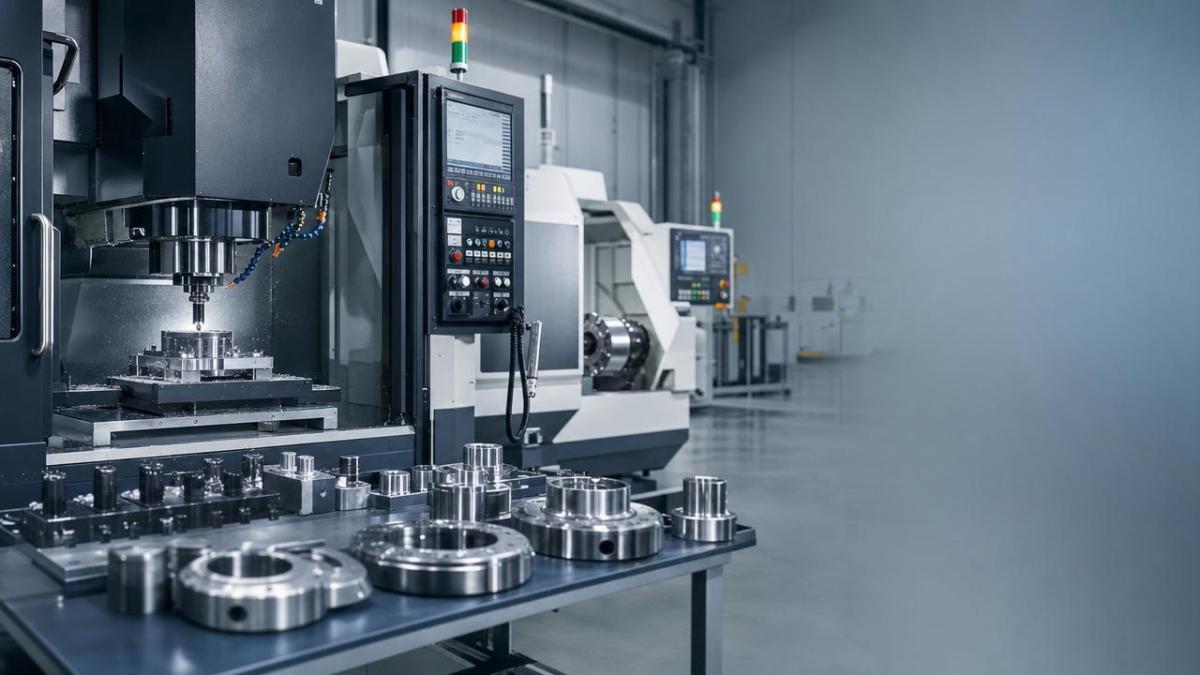
It affects setup time, spindle use, tool life, inspection flow, and operator confidence during daily production.
When CNC Programming is clear and optimized, machines stop less often and parts move faster to the next operation.
A strong program also reduces uncertainty. Operators spend less time adjusting feeds, checking offsets, or correcting avoidable alarms.
In a mixed production environment, this matters even more. Different materials, part sizes, and tolerance levels create constant variation.
Good CNC Programming gives structure to that variation. It makes repeatability easier across lathes, machining centers, and multi-axis systems.
The visible result is simple: more stable output, fewer surprises, and better use of machine capacity across the shop floor.
Why does CNC Programming directly affect quality and consistency?
Part quality depends on more than machine accuracy. It also depends on how the cutting process is planned.
Good CNC Programming controls entry moves, cutter engagement, stepovers, finishing passes, and tool changes with purpose.
That planning lowers vibration, reduces chatter, and protects surface finish on demanding materials and complex geometries.
It also helps maintain dimensional accuracy. Poor path transitions can leave marks, taper, burrs, or inconsistent wall conditions.
With better CNC Programming, the first part is closer to the approved standard, and later parts stay there longer.
This is critical in automotive, aerospace, electronics, and energy equipment production, where tolerance windows can be unforgiving.
Consistent programming logic also supports inspection. Measuring teams can predict key features and verify output more efficiently.
- Stable tool engagement improves size control.
- Planned finishing passes protect surface quality.
- Logical sequencing reduces thermal distortion risks.
- Safer retracts lower collision-related defects.
How does CNC Programming reduce downtime and machine stoppages?
Downtime often begins before the machine stops. It starts with hesitation, overrides, manual edits, and repeated dry runs.
Good CNC Programming removes many of those hidden delays by making each step easier to trust and execute.
Programs should include practical tool ordering, clear safe positions, and realistic feeds for each machining condition.
When those basics are weak, operators slow the cycle to protect the machine, the part, and the tooling.
That caution is understandable, but it lowers throughput and hides the real cost of poor CNC Programming.
Better programs also support faster recovery after interruptions. Restart points are cleaner, and process logic is easier to follow.
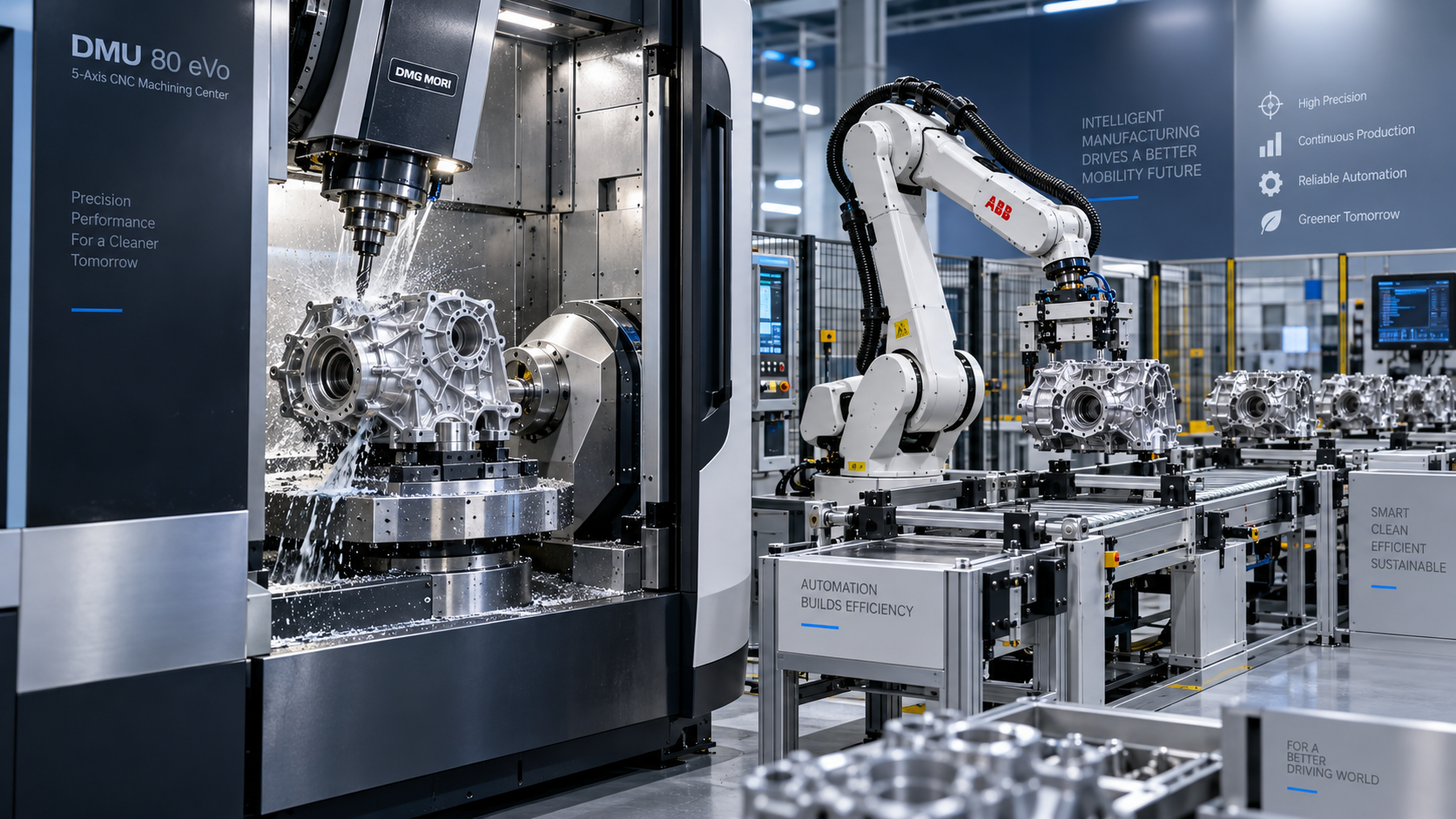
On automated lines, predictable CNC Programming helps machines synchronize with loading systems, probing routines, and tool monitoring.
Common downtime sources linked to weak programming
- Unclear retract paths that create collision risk.
- Poor tool selection for material and feature type.
- Overly aggressive cuts causing tool breakage.
- Inefficient sequencing that increases idle motion.
- Manual edits that create version control problems.
Which shop floor situations benefit most from better CNC Programming?
Nearly every machining environment benefits, but some situations show the impact faster than others.
High-mix, low-volume production gains from faster setup transitions and fewer surprises when switching between jobs.
Long-run production gains from repeatable cycle times, reduced tool wear variation, and smoother inspection results.
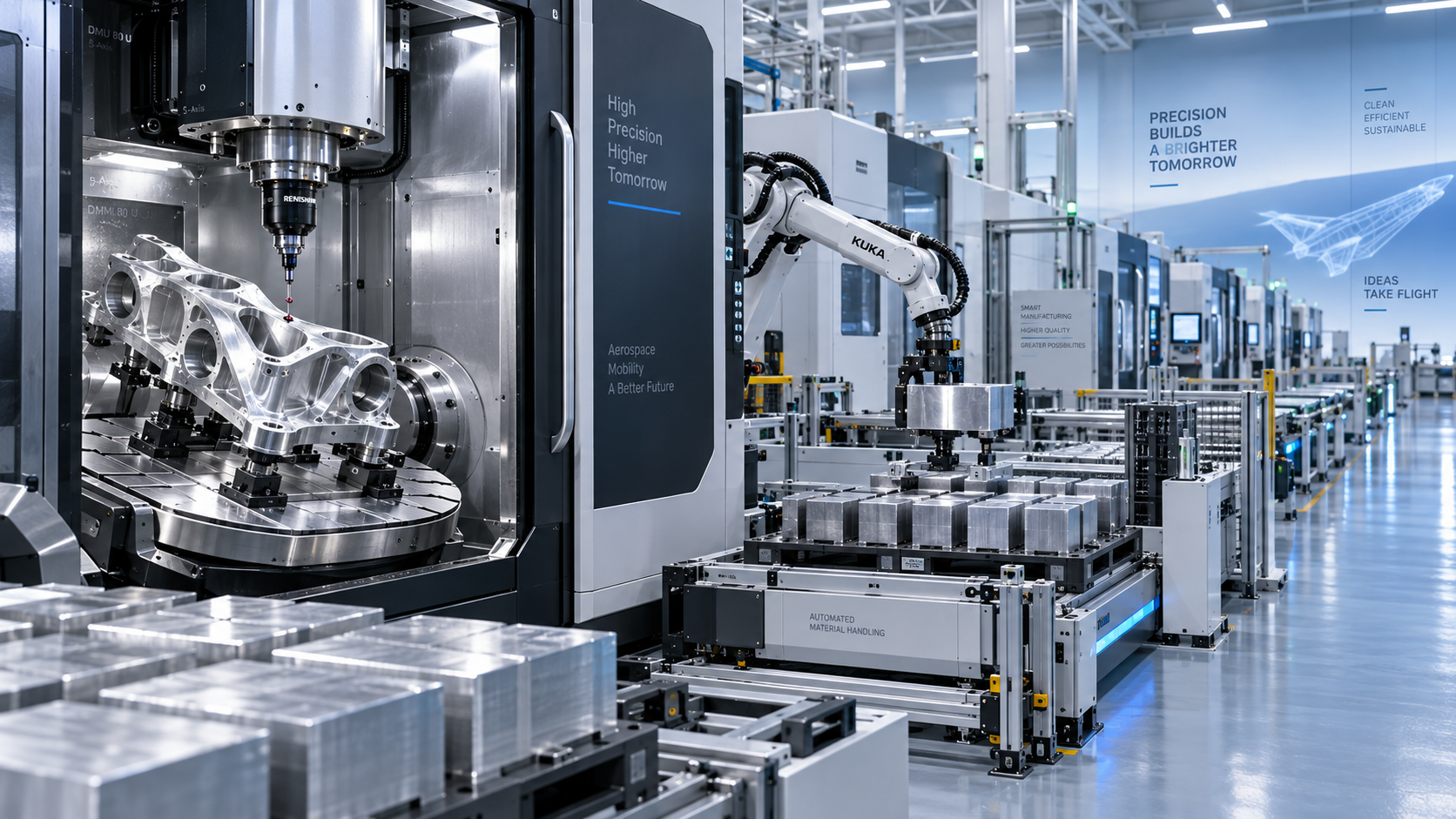
Multi-axis work benefits because movement complexity increases the value of simulation, collision prevention, and controlled tool orientation.
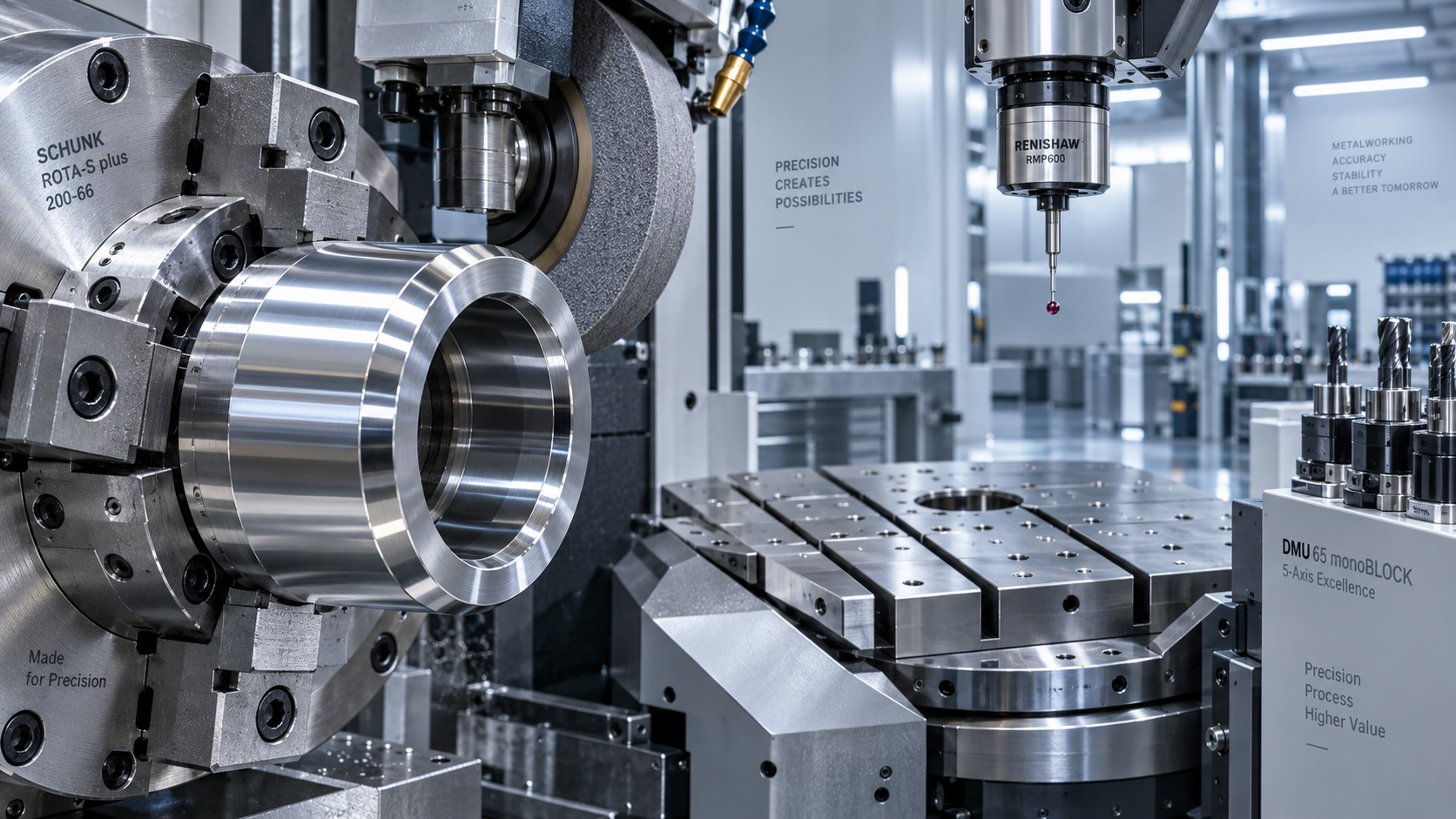
Precision parts with tight tolerances benefit from optimized roughing and finishing strategies that reduce stress and heat effects.
Shops introducing automation benefit because robots and pallet systems require predictable and stable machining behavior.
How can you judge whether CNC Programming is truly good?
Fast cycle time alone is not enough. Good CNC Programming balances speed, quality, safety, and repeatability.
A strong program runs predictably across shifts. It does not depend on one person making constant manual corrections.
It should also support practical production needs, including setup sheets, tool lists, workholding notes, and revision clarity.
Look for clean program structure. Logical comments and standard methods reduce confusion when jobs return months later.
Simulation is another sign of maturity. Verified CNC Programming lowers the chance of expensive mistakes at the machine.
Practical evaluation checklist
- Does the cycle run without frequent feed overrides?
- Are scrap and rework rates clearly reduced?
- Can the same result be repeated on the next batch?
- Are tools lasting close to expected targets?
- Can another qualified person run the job confidently?
What mistakes in CNC Programming create hidden shop floor costs?
Some programming mistakes do not cause immediate crashes, but they still damage productivity every day.
One common issue is writing code only for ideal conditions. Real production includes wear, variation, and material inconsistency.
Another issue is ignoring toolpath efficiency. Excess air cutting and unnecessary repositioning waste machine hours quietly.
Weak documentation is also costly. Missing notes force repeated troubleshooting during reruns, especially across different shifts.
Some programs chase minimum cycle time while creating unstable cutting conditions. The result is poor tool life and inconsistent output.
In advanced manufacturing, these hidden losses spread further. They affect automation reliability, planning accuracy, and delivery confidence.
How should CNC Programming evolve with automation and smart manufacturing?
As factories become more connected, CNC Programming must support digital workflows instead of acting as an isolated task.
Programs should align with tool libraries, machine models, probing routines, and production data systems.
That integration improves traceability and makes process improvement easier over time.
In flexible production lines, standardized CNC Programming methods help different machines run similar jobs with fewer adjustments.
For global manufacturing networks, consistent programming practices support better quality control across plants and suppliers.
This is especially relevant in industries using CNC lathes, machining centers, robotic loading, and precision assembly systems together.
The next step is not only faster code generation. It is more intelligent CNC Programming that supports real production decisions.
FAQ summary table
Good CNC Programming changes the shop floor by making performance more predictable and production more dependable.
It supports better machining quality, lower downtime, safer operation, and stronger results in modern automated manufacturing.
Review current programs, compare actual machine behavior, and identify where CNC Programming can remove waste from daily production.
Small improvements in CNC Programming often create large gains on the shop floor over time.
PREVIOUS ARTICLE
Recommended for You
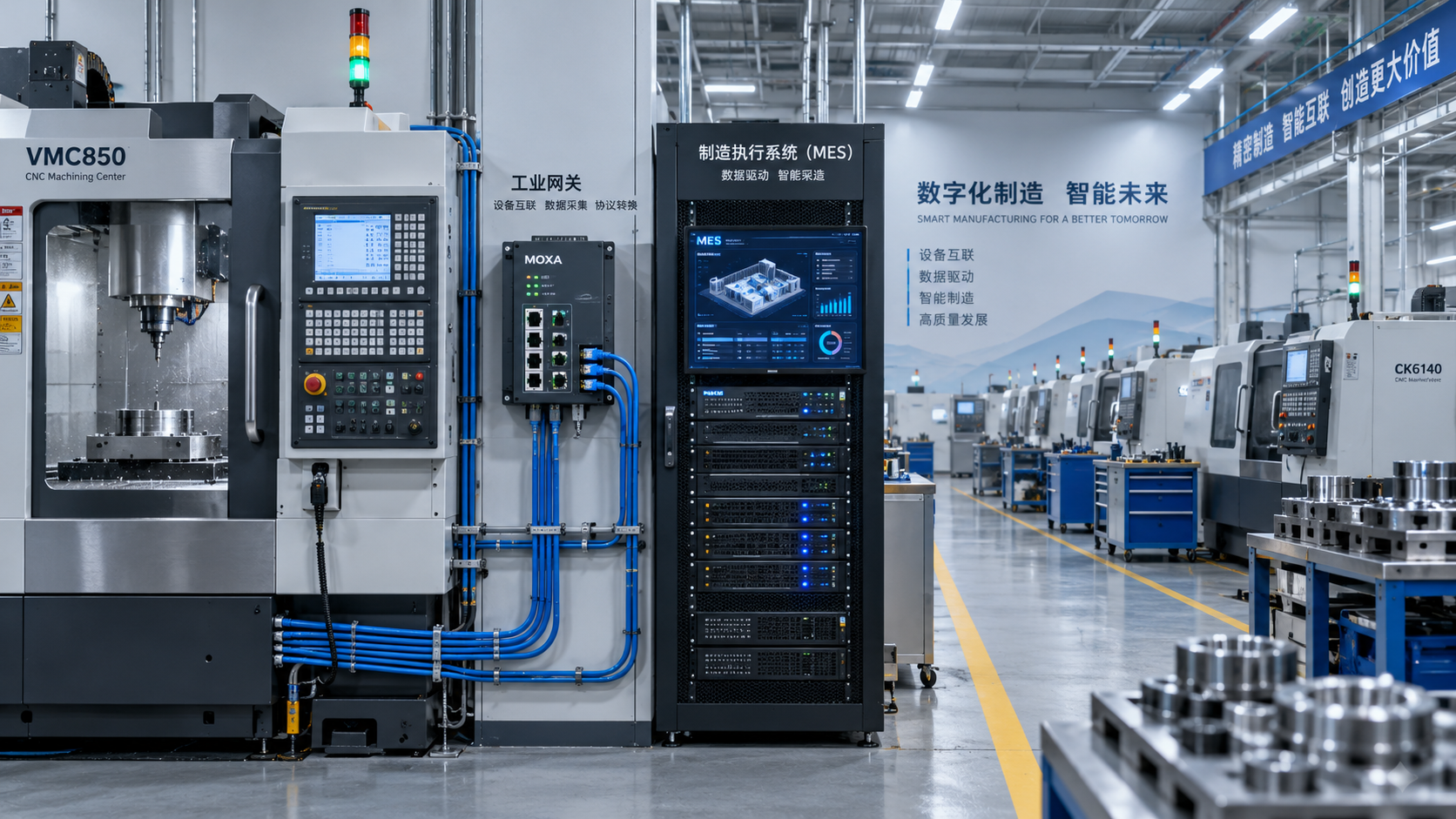
 Digital Manufacturing for Smart Factories: Connecting Legacy Machines to MESMachine Tool Industry Editorial Team
 How to Select a CNC Metal Lathe for Tight-Tolerance Shaft and Sleeve PartsCNC Machining Technology Center
 How to Select an Industrial Lathe for High-Volume Shaft ProductionMachine Tool Industry Editorial Team
 Selecting Machine Tools for Automotive Parts: Accuracy, Throughput, and AutomationMachine Tool Industry Editorial Team
 Industrial Machining: Selecting Processes for Tight-Tolerance Metal PartsCNC Machining Technology Center
 Manufacturing Technology Trends That Improve Throughput and Quality ControlManufacturing Market Research Center

Aris Katos
Future of Carbide Coatings
15+ years in precision manufacturing systems. Specialized in high-speed milling and aerospace grade alloy processing.
▶
Is Learning CNC Programming Worth It for Shop Owners Seeking Higher Margins?CNC Machining Technology Center▶
How to Select CNC Equipment for High-Mix, Low-Volume ProductionCNC Machining Technology Center▶
Can CNC Machining Inconel Control Tool Wear in High-Temperature Aerospace Parts?CNC Machining Technology Center▶
How Automated Precision Machining Maintains Tolerance in High-Mix ProductionCNC Machining Technology Center▶
CNC Programming Explained: From CAD Models to Reliable Shop-Floor ToolpathsCNC Machining Technology Center
Mastering 5-Axis Workholding Strategies
Join our technical panel on Nov 15th to learn about reducing vibrations in thin-wall components.

Providing you with integrated sanding solutions
Before-sales and after-sales services
Comprehensive technical support