• Global CNC market projected to reach $128B by 2028 • New EU trade regulations for precision tooling components • Aerospace deman
NYSE: CNC +1.2%LME: STEEL -0.4%

How Machine Tools for Electronics Manufacturing Reduce Waste
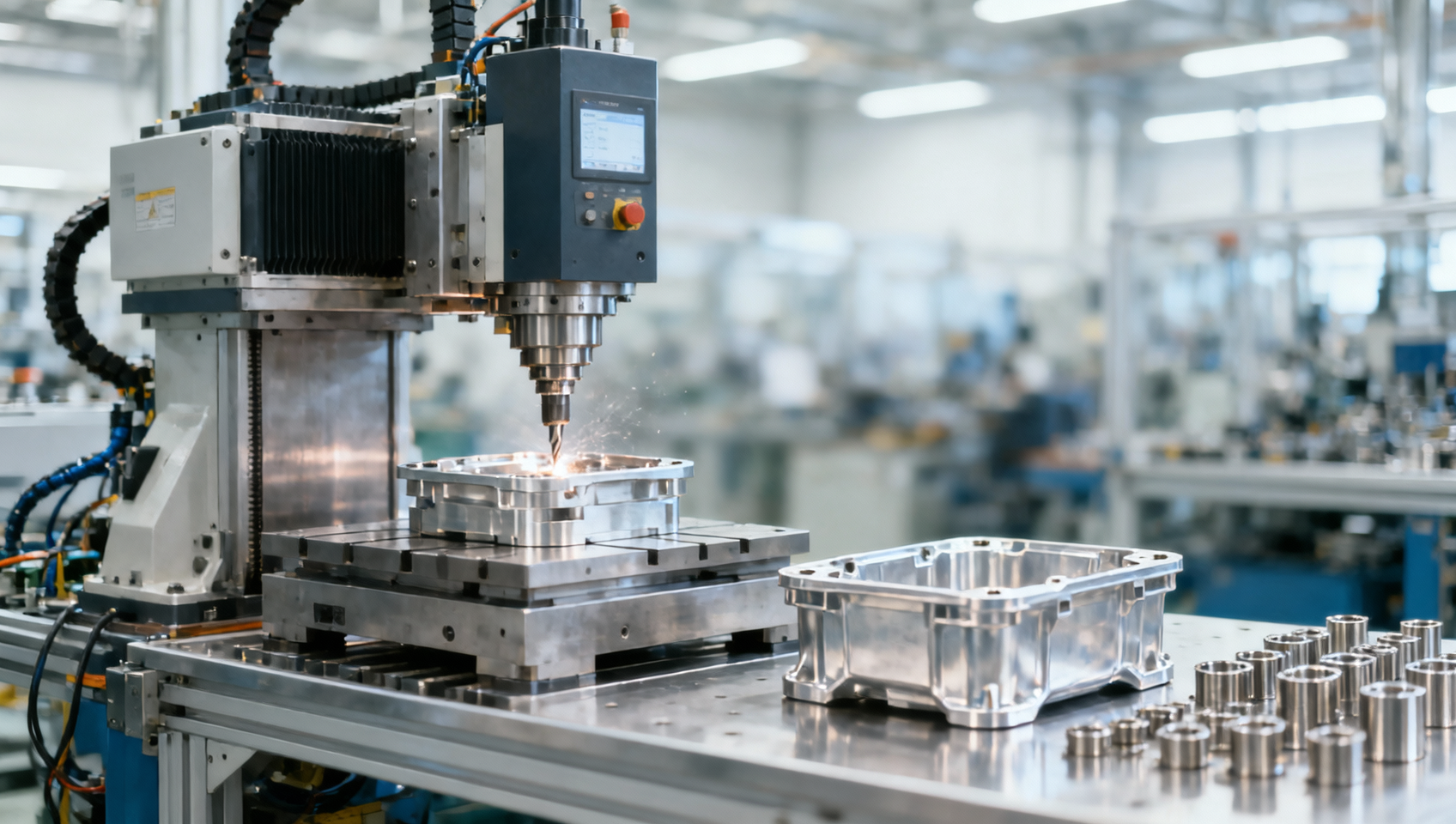
In electronics production, a machine tool for electronics manufacturing helps reduce scrap, improve consistency, and support energy-saving CNC manufacturing. From high precision machine tool systems to automated CNC manufacturing and compact machine tool designs, today’s solutions enable cleaner workflows, faster changeovers, and better material use. This article explores how precision CNC manufacturing makes electronic components production more cost-effective, efficient, and sustainable.
For researchers, operators, buyers, and manufacturing leaders, the main question is no longer whether precision equipment matters, but how to select machine tools that lower waste across the full production cycle. In electronics, even a deviation of ±0.01 mm, a poorly controlled spindle load, or a slow fixture change can increase scrap rates, rework time, and energy consumption.
Because electronic components often involve thin-wall parts, heat-sensitive materials, small connectors, housings, heat sinks, and precision slots, waste reduction depends on process stability as much as raw speed. Modern CNC machining centers, compact machine tools, and automated handling systems give manufacturers better control over tool paths, tolerances, cycle timing, and material flow.
Why Waste Reduction Matters in Electronics Manufacturing
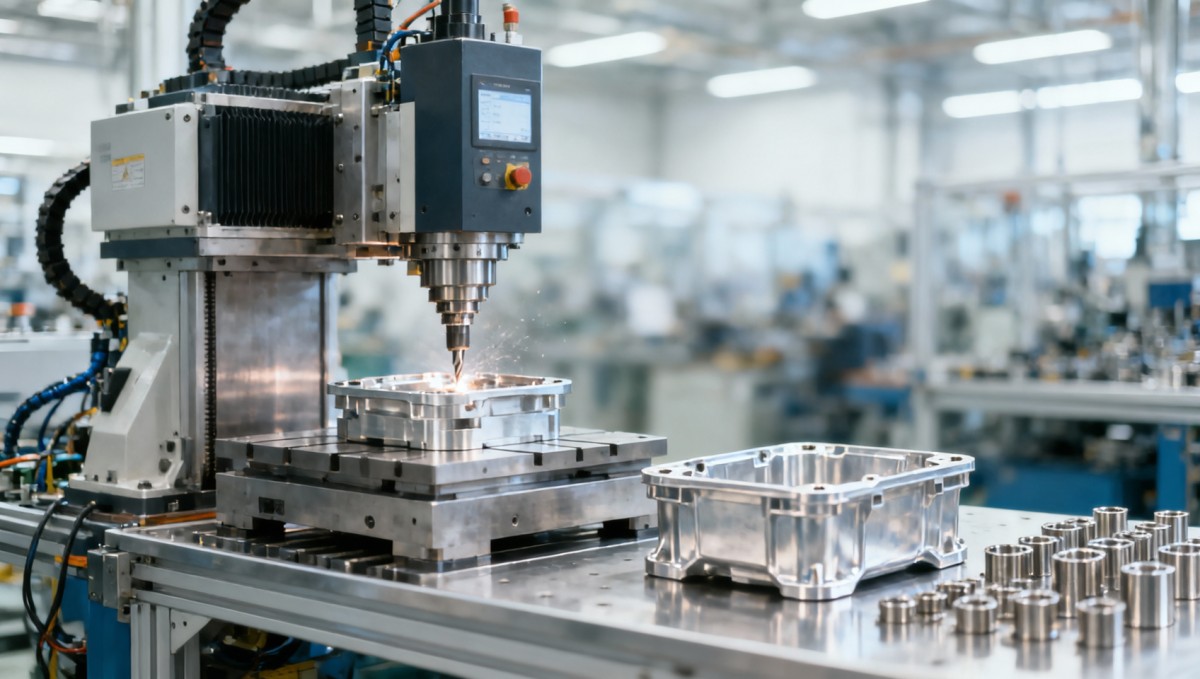
Waste in electronics production is broader than visible scrap. It includes rejected parts, excessive burr removal, overcut material, repeated setup runs, idle machine hours, unnecessary coolant use, and energy losses during low-efficiency machining. In a line producing 5,000 to 20,000 precision parts per month, even a 2% scrap reduction can produce meaningful savings in both material and labor.
Machine tools for electronics manufacturing are especially important because this sector often works with aluminum alloys, copper, stainless steel, engineering plastics, and composite materials. These materials react differently to feed rate, spindle speed, and thermal expansion. If the machine lacks rigidity or control accuracy, operators may compensate with slower cycles or wider tolerances, both of which increase hidden waste.
Another major issue is inconsistency between batches. Electronics buyers and OEMs usually expect repeatability across hundreds or thousands of units. A machine tool with stable motion control, predictable tool wear behavior, and fast calibration routines reduces variation from one lot to the next. This lowers the chance of assembly mismatch, connector alignment problems, or cosmetic rejection.
In addition, sustainability targets are pushing factories to measure output per kWh, coolant consumption, and raw material utilization. Energy-saving CNC manufacturing is not limited to power-efficient motors. It also depends on shorter cycle times, fewer dry runs, lower rework frequency, and better first-pass yield. In many workshops, improving first-pass yield by 3% to 8% has a larger financial effect than a small reduction in machine purchase price.
Common Sources of Waste on Electronics Production Lines
Waste usually appears in several linked stages rather than one isolated problem. If a spindle lacks stability, the issue may first show as poor surface finish, then force an extra deburring step, and finally lead to assembly rejection. For this reason, buyers should evaluate the full process chain, not only machine speed or advertised accuracy.
- Setup waste: repeated alignment, manual offset correction, and trial cutting during frequent product changeovers.
- Material waste: excessive stock allowance, poor nesting logic, or dimensional drift that pushes parts outside tolerance.
- Time waste: idle waiting between loading, machining, inspection, and unloading on semi-automatic lines.
- Utility waste: unnecessary compressed air use, coolant overconsumption, and high power draw during standby periods.
How Precision Equipment Changes the Cost Structure
A high precision machine tool does cost more upfront, but in electronics production the return often comes from lower scrap, shorter inspection time, and more stable quality documentation. For example, reducing changeover time from 45 minutes to 15 minutes across 3 shifts can free several hours of productive capacity each week without adding labor.
That is why procurement teams should compare lifecycle cost over 3 to 5 years rather than focus only on initial equipment pricing. Machine uptime, tooling compatibility, service interval, software integration, and operator training all affect the actual waste profile of the production line.
Machine Tool Features That Directly Reduce Scrap and Rework
Not every CNC system reduces waste equally. In electronics manufacturing, the most effective machines combine precision motion control, thermal stability, tool monitoring, and efficient workholding. These features support a more predictable process window, especially when parts include narrow grooves, thin fins, micro-holes, or sealing surfaces.
One of the most practical factors is repeatability. A machine that consistently holds repeatability within a tight range, such as ±0.005 mm to ±0.01 mm in typical fine-feature operations, can significantly reduce the number of parts sent for secondary correction. Thermal compensation is also valuable when shops run 8 to 24 hours per day and ambient conditions vary across shifts.
Compact machine tool designs are another advantage in electronics factories where floor space is expensive. A smaller footprint can shorten operator travel distance, simplify cell layout, and support better material flow. When paired with automated loading, probing, and in-process verification, compact systems can reduce handling-related errors as well as machine idle time.
The table below outlines key machine tool features and how they influence waste reduction in typical electronic components production environments.
The key point is that waste reduction comes from process control, not a single specification. A machine with good repeatability but poor chip evacuation may still create surface damage on small electronic housings. Likewise, strong spindle power without proper probing can increase throughput while hiding drift until a batch has already failed inspection.
Important Selection Criteria for Buyers
Procurement teams should ask how the machine performs during actual product transitions, not only during demo cuts. Electronics lines often run mixed batches, urgent orders, and engineering updates. This makes setup stability just as important as peak cutting speed.
- Verify tolerance capability on your target materials and part geometry, not on generic sample parts.
- Check tool magazine capacity if your process needs 12, 20, or more tools for one family of parts.
- Assess maintenance intervals, spare parts access, and typical response time for service support.
- Review CNC control compatibility with MES, barcode tracking, and in-process inspection systems.
Operator Benefits Often Overlooked
For machine users and operators, waste reduction is also about easier daily control. Clear HMI design, alarm history, guided offset adjustments, and accessible maintenance points can reduce human error. When training time drops from 3 weeks to 1 to 2 weeks for routine tasks, production teams typically see fewer avoidable mistakes during shift changes.
How Automated CNC Manufacturing Improves Material and Energy Efficiency
Automated CNC manufacturing reduces waste by removing variability between steps. In electronics plants, automation can include robotic loading, pallet exchange, inline probing, barcode-based recipe selection, and automatic tool life management. These functions help ensure that the right program, fixture, and offset are used every time, especially in high-mix production.
Material efficiency improves because automation supports more stable stock control and fewer handling defects. Small parts are easily scratched, dropped, or mixed during manual transfer. When robotic or guided transfer systems are used, the risk of cosmetic damage and lot confusion decreases. This is particularly relevant for visible consumer electronics parts and precision connector components.
Energy-saving CNC manufacturing also benefits from automation because it shortens non-cutting time. A machine that spends 20% to 30% of available hours waiting for loading or inspection consumes energy without producing value. Automated part exchange and in-cycle measurement can compress that unproductive window and improve output per shift.
The comparison below shows how manual, semi-automatic, and automated CNC approaches typically affect waste-related performance indicators in electronics production.
For most factories, the best option is not full automation on day one. A phased approach is often more practical: first stabilize machining, then standardize fixtures, then add part handling and data connectivity. This 3-stage route usually gives clearer ROI and lower implementation risk than installing a fully integrated line before the process is mature.
Where Automation Has the Fastest Payback
The fastest payback usually appears in applications with repeated part families, short cycle times, and frequent inspection points. Heat sinks, precision casings, mobile device frames, connector shells, and PCB-related metal fixtures are common examples where automated CNC manufacturing can reduce both labor intensity and scrap exposure.
- Short cycle parts under 5 minutes, where loading delay strongly affects output.
- High-volume programs above several thousand pieces per month, where small defects multiply quickly.
- Multi-step processes requiring traceability across machining, cleaning, and assembly preparation.
Practical Selection and Implementation Guidelines for Procurement Teams
Choosing the right machine tool for electronics manufacturing requires more than comparing brochures. Buyers should align machine capability with part type, batch size, material behavior, quality targets, and future automation plans. A good procurement decision considers at least 4 dimensions: machining accuracy, changeover efficiency, operating cost, and integration readiness.
For example, a shop focused on small aluminum housings may prioritize high spindle stability, rapid tool change, and compact layout. A supplier producing copper connectors may care more about burr control, tool wear monitoring, and chip evacuation. A decision maker planning smart factory expansion may place greater value on data interfaces, remote diagnostics, and pallet compatibility.
The procurement matrix below can help compare options in a structured way before RFQ finalization or technical clarification with equipment suppliers.
This comparison highlights a common mistake: selecting a machine on nominal precision alone. In reality, setup method, maintenance access, and digital connectivity often determine whether the machine maintains low waste levels after 6 to 12 months of production.
Recommended Implementation Steps
A structured rollout reduces commissioning risk and helps operators adapt faster. Most electronics manufacturers benefit from a defined implementation sequence rather than rushing into mass production immediately after installation.
- Validate 2 to 3 representative part families and confirm tolerance stability under real material conditions.
- Standardize fixtures, tool lists, offsets, and probing routines before scaling output.
- Train operators, programmers, and maintenance staff with role-specific checklists over the first 2 to 4 weeks.
- Track first-pass yield, cycle time, energy per part, and tool life during the first 30 to 90 days.
- Introduce automation modules only after the core process window is proven stable.
Risk Points to Watch During Ramp-Up
The biggest early-stage risks are overestimating tool life, underestimating material variation, and skipping preventive checks. Even a well-specified machine tool can create waste if coolant concentration, fixture wear, or probe calibration are not controlled on a daily or weekly basis.
Maintenance, FAQ, and Long-Term Waste Control
Waste reduction is not achieved at installation alone. It depends on maintenance discipline, operator feedback, and periodic process review. In electronics manufacturing, where tolerances are tight and product cycles are short, even small drift in clamping force or spindle condition can gradually erode first-pass quality over a 6-month period.
A practical maintenance strategy should include daily cleaning, weekly inspection of fixtures and tool holders, and scheduled verification of probing accuracy. For higher-duty environments running multiple shifts, predictive checks on spindle vibration, lubrication, and thermal behavior can help prevent unexpected scrap events.
Long-term waste control also benefits from regular data review. Teams should compare scrap by part family, tool group, shift, and material batch. That makes it easier to distinguish between machine-related issues, tooling issues, and procedural errors. A simple monthly review can often reveal recurring causes that are otherwise hidden inside overall defect totals.
FAQ: How do I know if a compact machine tool is enough for electronics parts?
A compact machine tool is often suitable when parts are small to medium in size, cycle times are short, and the process does not require unusually large work envelopes. The main checks are rigidity, repeatability, tool capacity, and access for automation. If the machine can maintain target tolerances and support 5 to 15 minute changeovers, compact equipment can deliver strong space efficiency without raising scrap risk.
FAQ: What indicators should operators monitor to reduce waste daily?
Operators should watch at least 5 indicators: first-pass yield, dimensional trend, burr level, tool wear condition, and cycle time deviation. If cycle time suddenly rises by 10% or dimensional results begin to drift toward the tolerance limit, the issue should be checked before a full batch is completed.
FAQ: How long does implementation usually take?
For a standalone machine tool for electronics manufacturing, installation and basic commissioning may take several days, while process stabilization often needs 2 to 6 weeks depending on part complexity, training level, and automation scope. A more integrated cell with robotics, traceability, and upstream/downstream coordination can take longer, especially if multiple product families are involved.
FAQ: What is the most common procurement mistake?
A frequent mistake is buying for maximum speed instead of stable output. In electronics production, a machine that is 10% faster on paper but creates more setup loss, more burr removal, or more part variation may cost more over time than a balanced system designed for precision CNC manufacturing and controlled changeovers.
Machine tools for electronics manufacturing reduce waste by combining accuracy, repeatability, automation readiness, and maintainable process control. When matched correctly to materials, batch profiles, and quality requirements, they help lower scrap, shorten changeovers, improve energy efficiency, and strengthen production consistency across the full line.
If you are evaluating CNC machines, compact machine tool layouts, or automated CNC manufacturing solutions for electronic components production, now is the right time to compare your process goals with the right equipment strategy. Contact us to get a tailored solution, discuss technical details, or explore more precision manufacturing options for your next project.
PREVIOUS ARTICLE
NEXT ARTICLE
Recommended for You
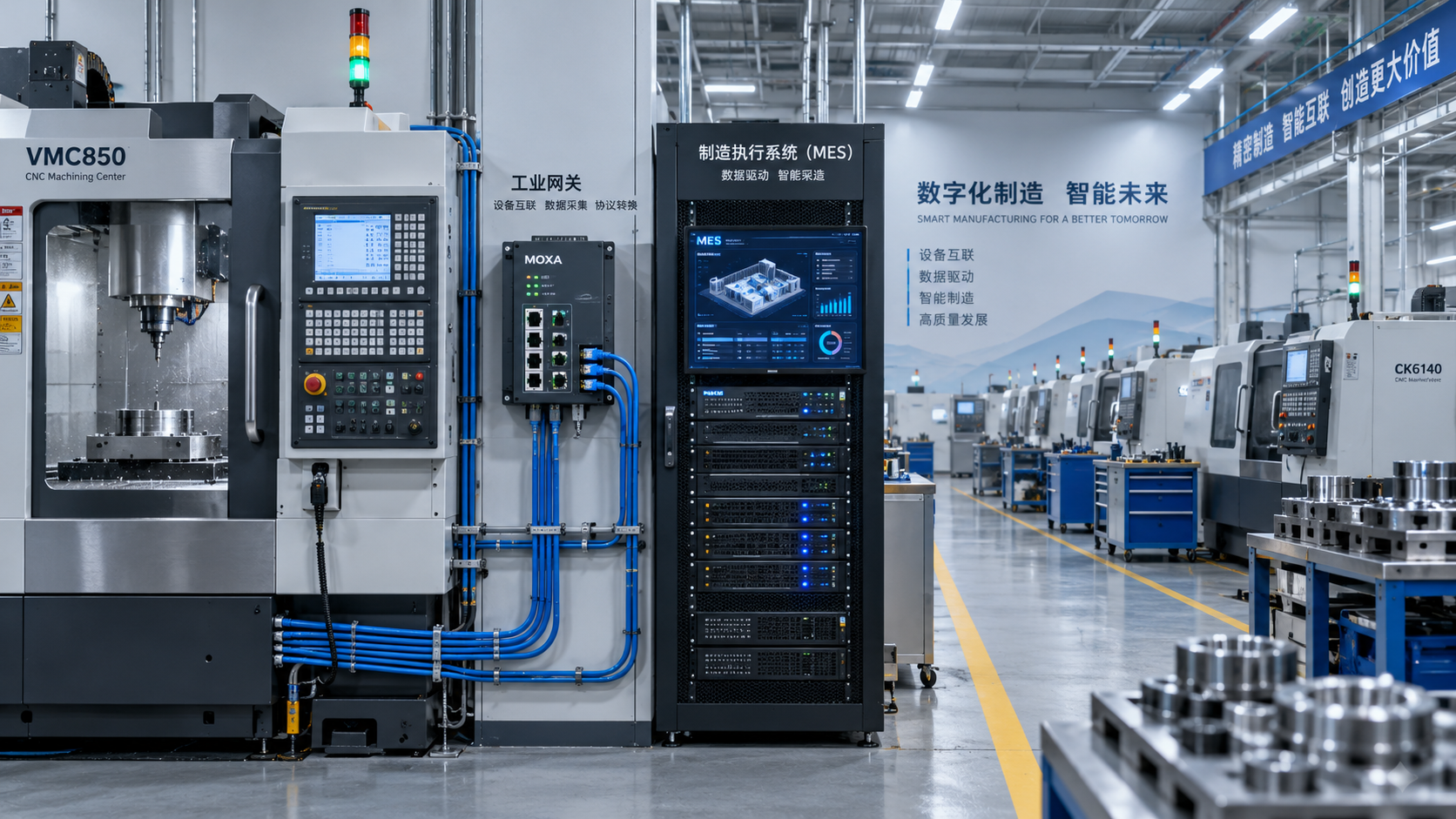
 Digital Manufacturing for Smart Factories: Connecting Legacy Machines to MESMachine Tool Industry Editorial Team
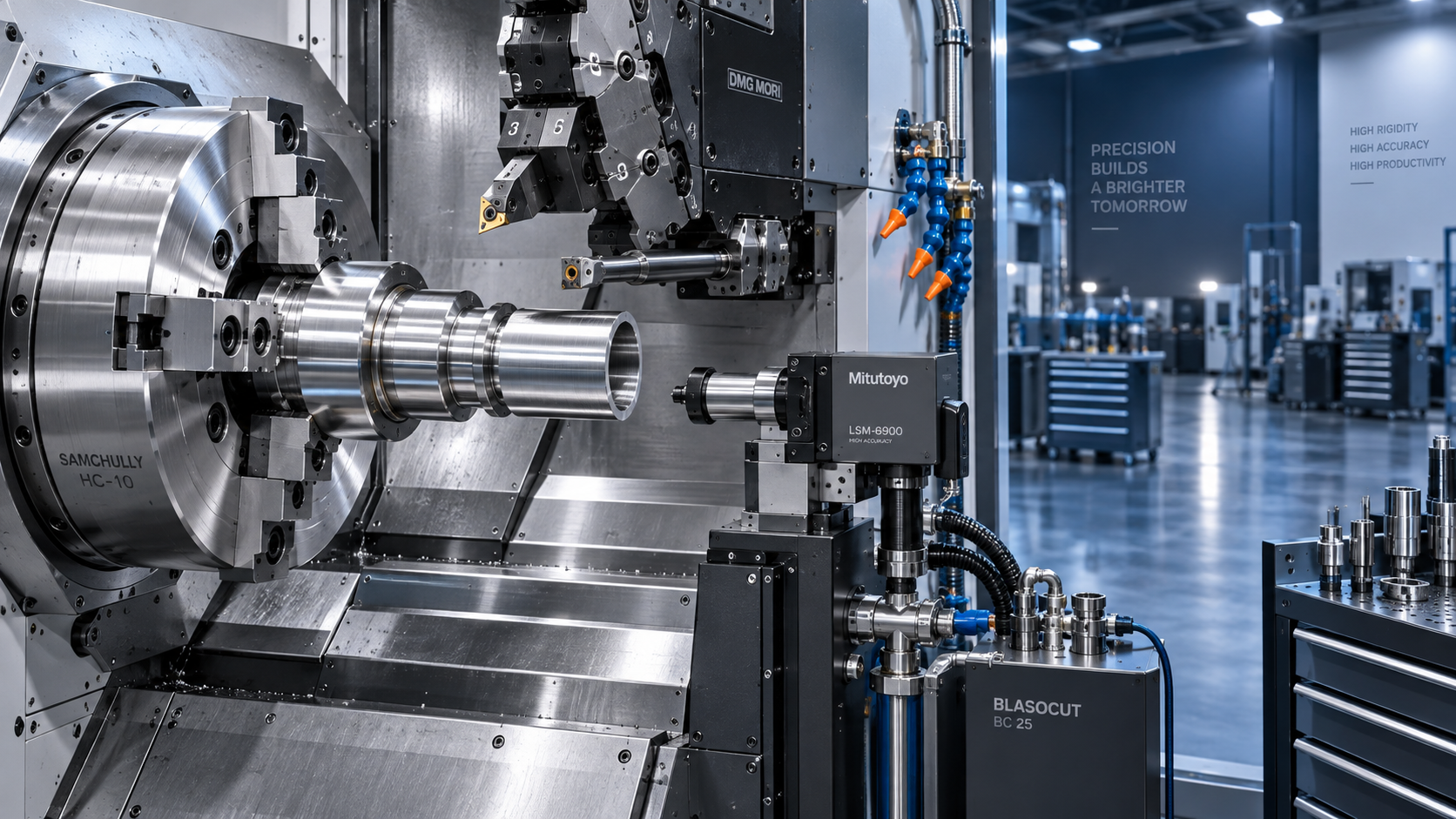
 How to Select a CNC Metal Lathe for Tight-Tolerance Shaft and Sleeve PartsCNC Machining Technology Center
 How to Select an Industrial Lathe for High-Volume Shaft ProductionMachine Tool Industry Editorial Team
 Selecting Machine Tools for Automotive Parts: Accuracy, Throughput, and AutomationMachine Tool Industry Editorial Team
 Industrial Machining: Selecting Processes for Tight-Tolerance Metal PartsCNC Machining Technology Center
 Manufacturing Technology Trends That Improve Throughput and Quality ControlManufacturing Market Research Center

Aris Katos
Future of Carbide Coatings
15+ years in precision manufacturing systems. Specialized in high-speed milling and aerospace grade alloy processing.
▶
Which Metals Are Hardest to Machine With Standard Tools?CNC Machining Technology Center▶
How to Choose Cutting Tools for High-Speed Machining of Steel, Aluminum, and TitaniumCNC Machining Technology Center▶
How to Choose a CNC Tooling System for Titanium Machining by Tool Life and StabilityCNC Machining Technology Center▶
Cutting Tools Selection Guide: How Tool Material, Coating, and Geometry Affect PerformanceCNC Machining Technology Center▶
Cutting Tools for High Temperature Alloys: How to Reduce Tool Wear and Edge ChippingCNC Machining Technology Center
Mastering 5-Axis Workholding Strategies
Join our technical panel on Nov 15th to learn about reducing vibrations in thin-wall components.

Providing you with integrated sanding solutions
Before-sales and after-sales services
Comprehensive technical support