• Global CNC market projected to reach $128B by 2028 • New EU trade regulations for precision tooling components • Aerospace deman
NYSE: CNC +1.2%LME: STEEL -0.4%

How High Precision CNC Manufacturing Supports Tight Fits
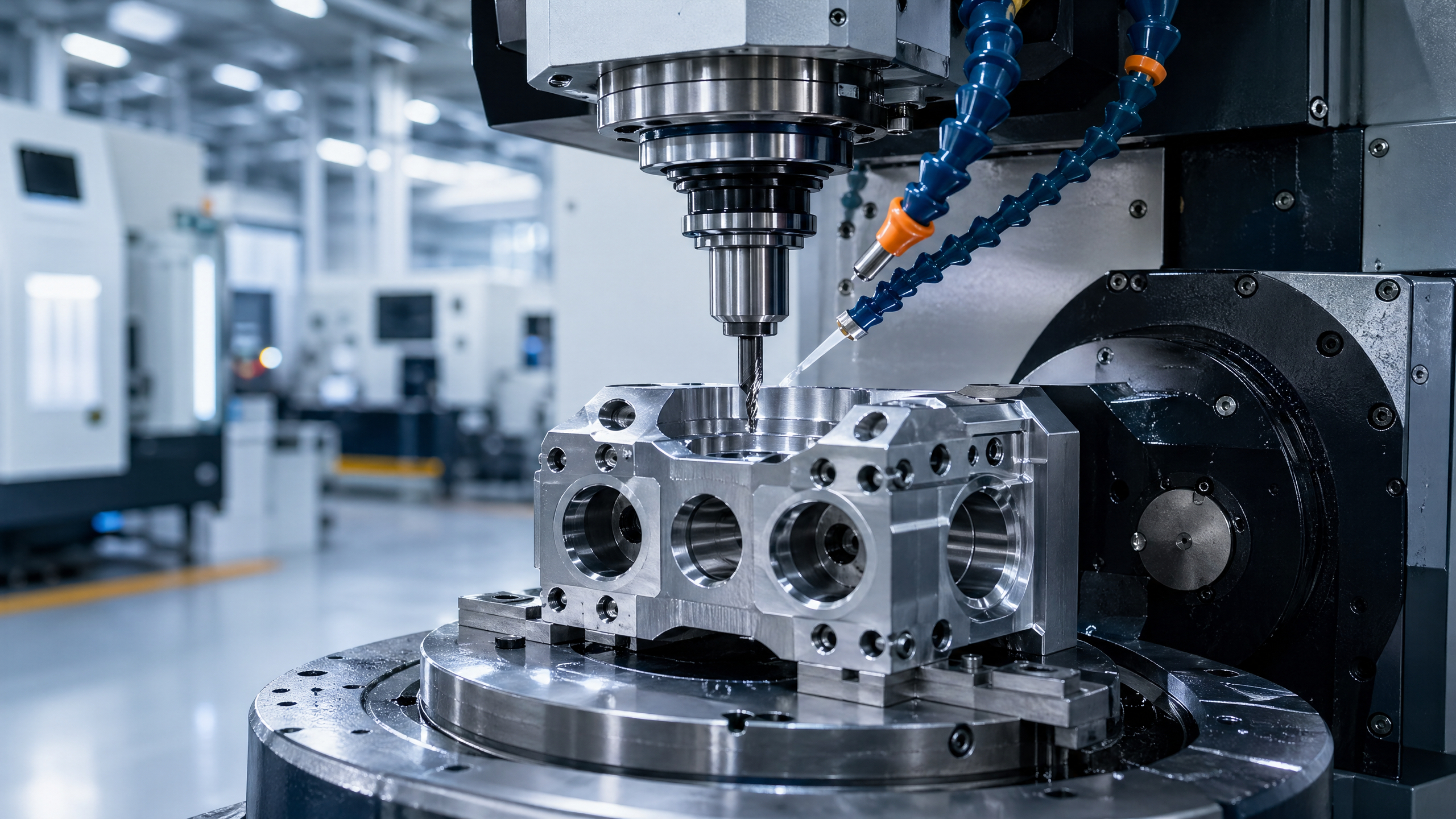
High precision CNC manufacturing is the backbone of achieving tight fits in today’s demanding industries. From CNC manufacturing for aerospace and CNC manufacturing for medical devices to automotive and electronics, precision depends on advanced multi-axis CNC manufacturing, automated CNC manufacturing, and a high precision machine tool. This article explores how modern CNC machine tool manufacturer capabilities improve accuracy, consistency, and cost-effective production.
Why tight fits depend on high precision CNC manufacturing
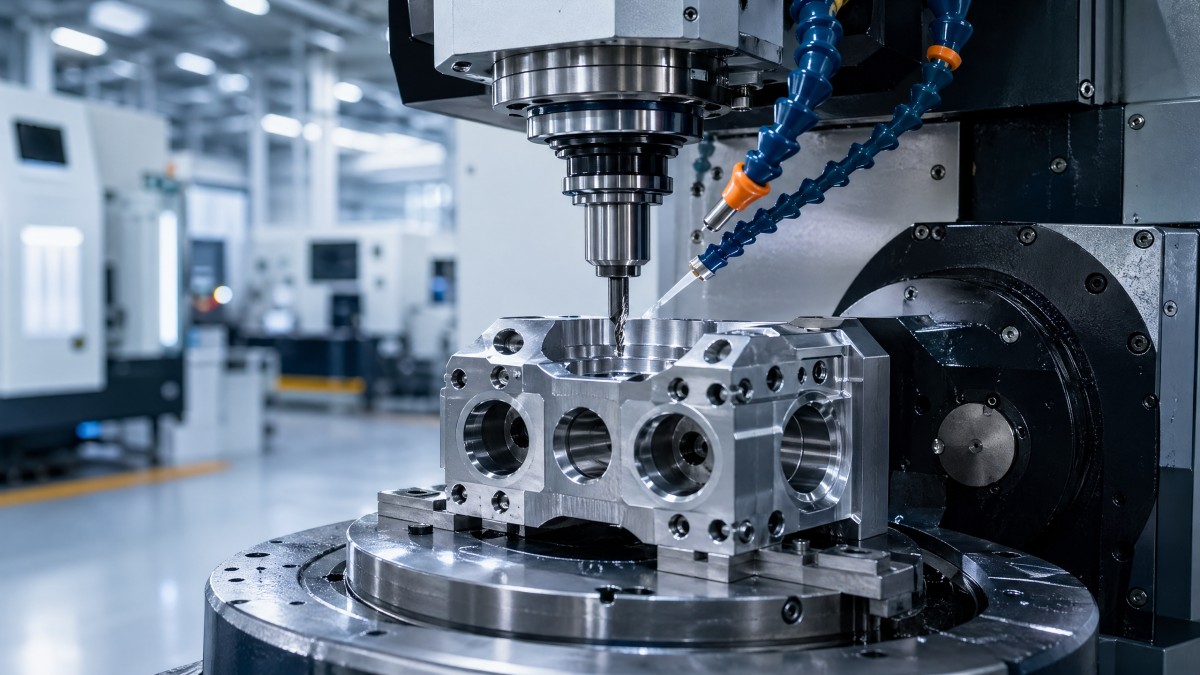
Tight fits are not simply about making parts smaller or smoother. In practical manufacturing, they mean controlling dimensional variation, geometric accuracy, surface finish, and repeatability so that two or more components assemble as intended. In CNC manufacturing, this usually involves tolerance bands measured in microns or hundredths of a millimeter, depending on the application, material, and function of the mating parts.
For information researchers and technical buyers, the key issue is that a tight fit is a system result. A high precision machine tool matters, but so do spindle stability, thermal control, tool wear monitoring, fixture rigidity, cutting strategy, and inspection discipline. A part may meet a nominal size on one shift and drift outside the target range after 6–8 hours of continuous production if these factors are not managed together.
This is why advanced CNC machine tool manufacturer capabilities are increasingly valued across aerospace, automotive, electronics, and medical supply chains. Multi-axis CNC manufacturing shortens setups, reduces cumulative error from repositioning, and helps maintain concentricity, flatness, and positional accuracy on complex parts. Automated CNC manufacturing adds consistency by reducing manual handling and stabilizing production across small, medium, and large batch runs.
In global precision manufacturing, buyers often compare suppliers from China, Germany, Japan, and South Korea not only on unit price, but on process capability, delivery reliability, and documentation quality. For business evaluators, tight fit performance should be reviewed through measurable factors rather than marketing language.
Which fit-related factors matter most?
When evaluating high precision CNC manufacturing for tight fits, it is useful to separate design intent from production capability. A drawing may specify a close tolerance, but that does not guarantee stable output unless the machining route, toolpath logic, and inspection plan are aligned with the fit requirement.
- Dimensional tolerance: commonly reviewed in ranges such as ±0.01 mm, ±0.005 mm, or tighter, depending on the part function and process stability.
- Geometric tolerance: roundness, cylindricity, perpendicularity, and position often determine whether a press fit, slip fit, or bearing seat actually works in assembly.
- Surface roughness: a shaft and bore may both meet size, yet fail in performance if the surface condition causes friction, leakage, or poor seating.
- Batch consistency: in B2B procurement, 5 acceptable samples are less important than stable performance across 500 or 5,000 parts.
For operators, this also means process windows must be realistic. Overly aggressive feed rates, poor coolant management, or delayed tool replacement often cause variation that becomes visible only at final assembly. Tight fit success starts long before the first inspection report is issued.
How modern CNC machine tools improve fit accuracy in real production
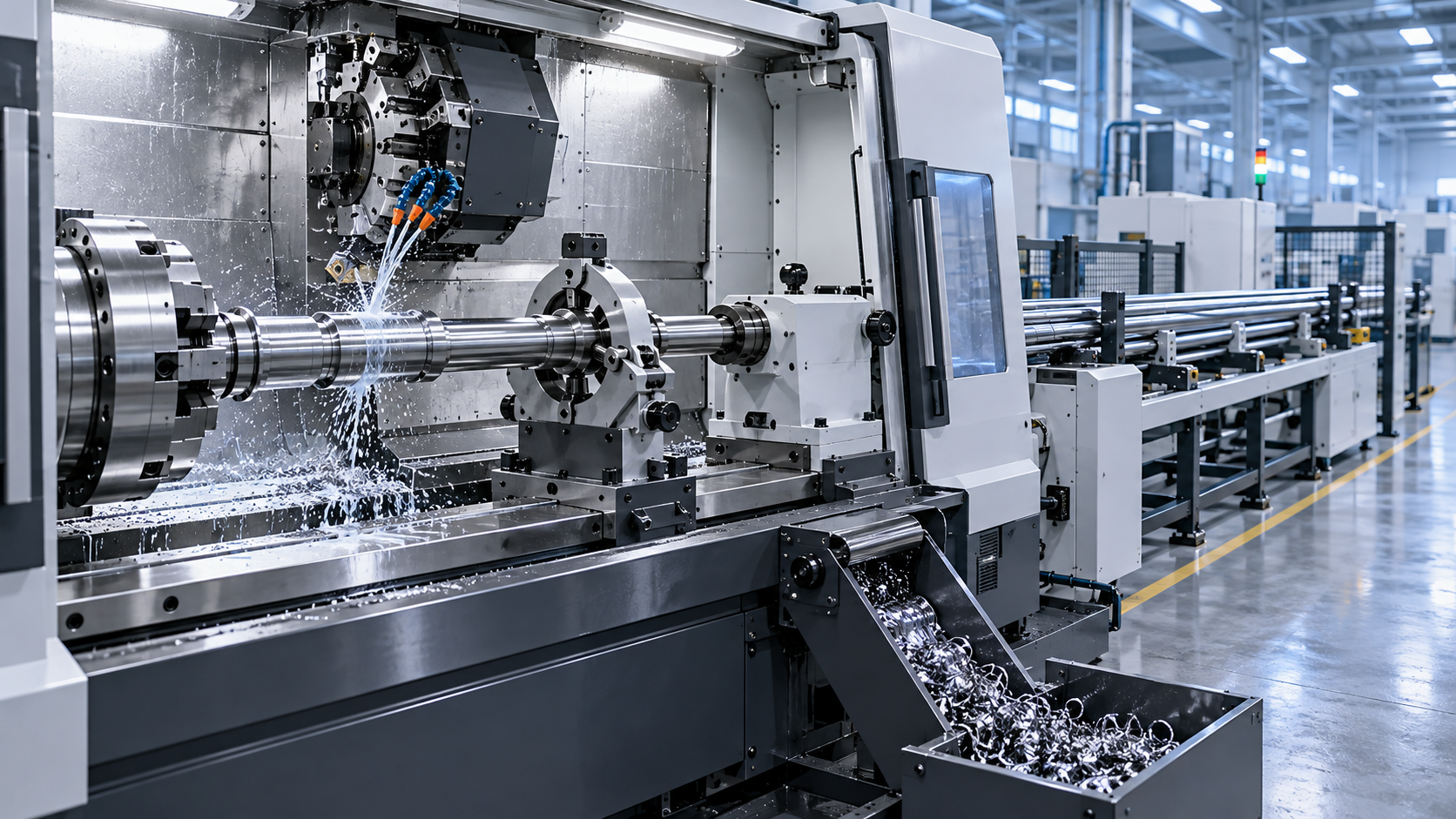
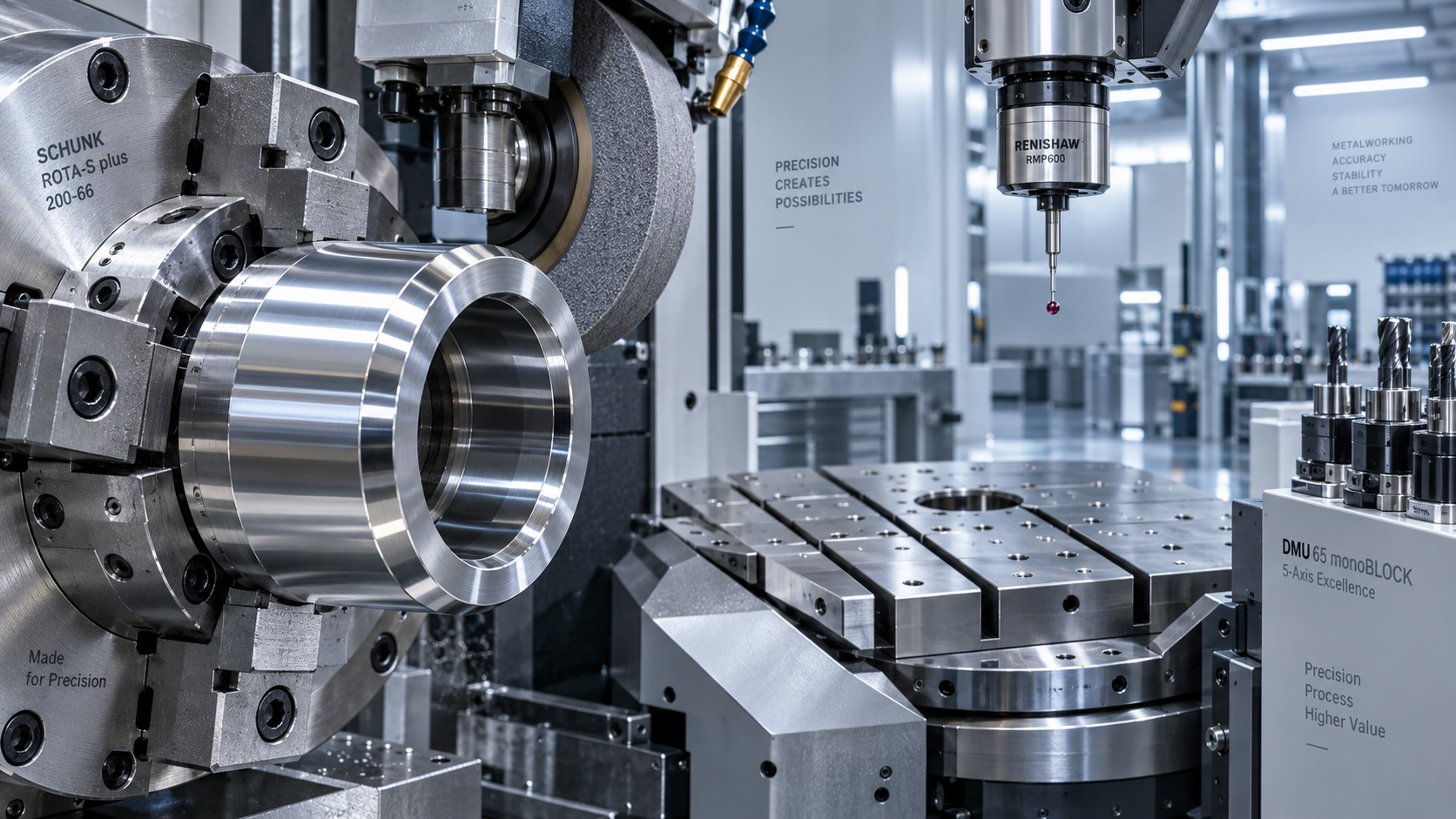
A modern CNC manufacturing environment supports tight fits by controlling error sources at multiple stages. The machine structure reduces vibration, the spindle system supports stable cutting, the control system enables precise interpolation, and the measurement workflow confirms whether the process remains centered. In many precision applications, the challenge is not reaching a target dimension once, but repeating it over 2–4 weeks of scheduled production.
Multi-axis CNC manufacturing is especially valuable when parts require several critical features to remain accurate relative to one another. Instead of moving the workpiece through multiple setups, a 4-axis or 5-axis process can machine key surfaces, angled holes, and complex contours with fewer transfers. This reduces stack-up error and improves alignment between mating components, which is crucial for tight fits in housings, shafts, bushings, and precision structural parts.
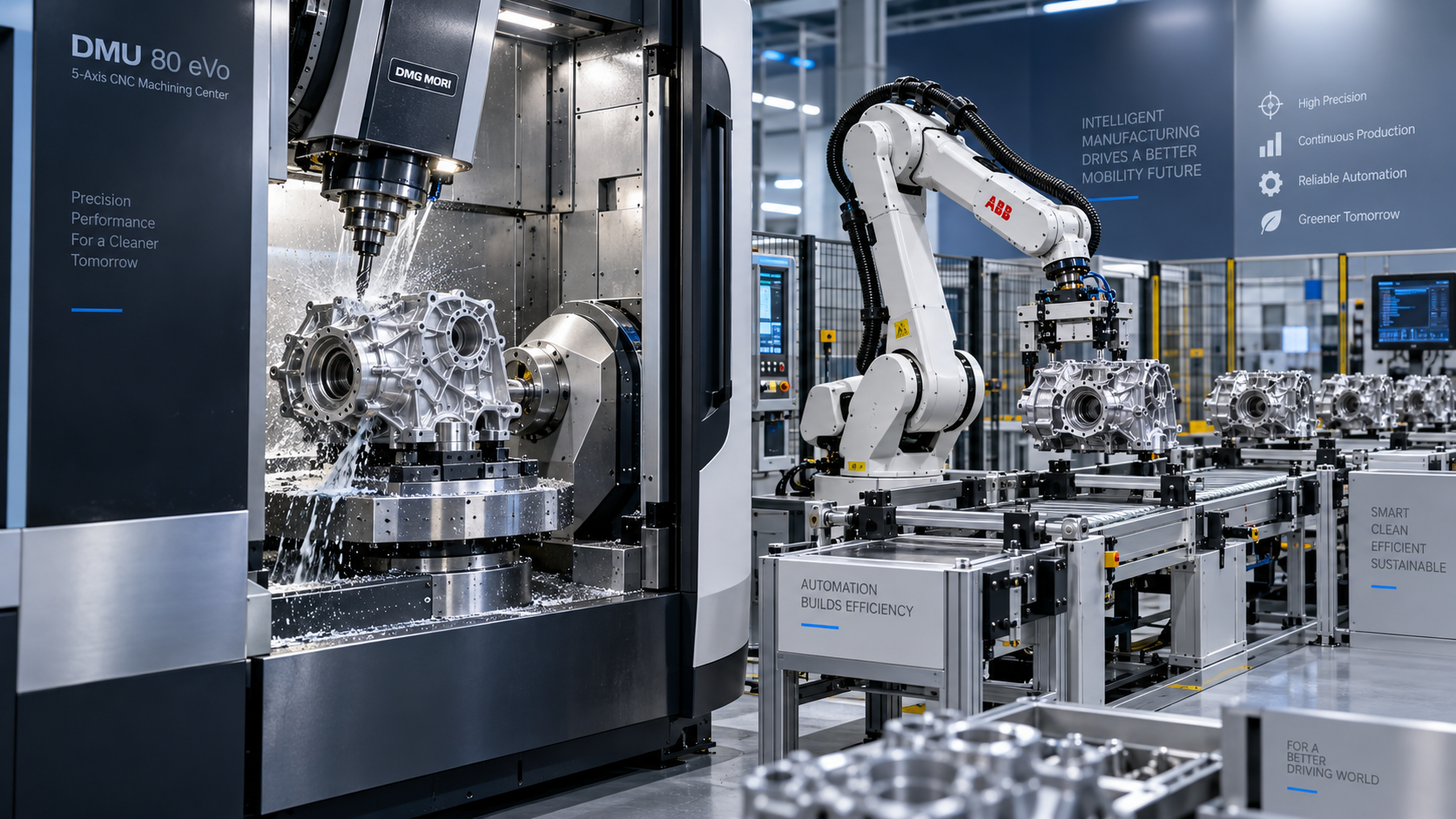
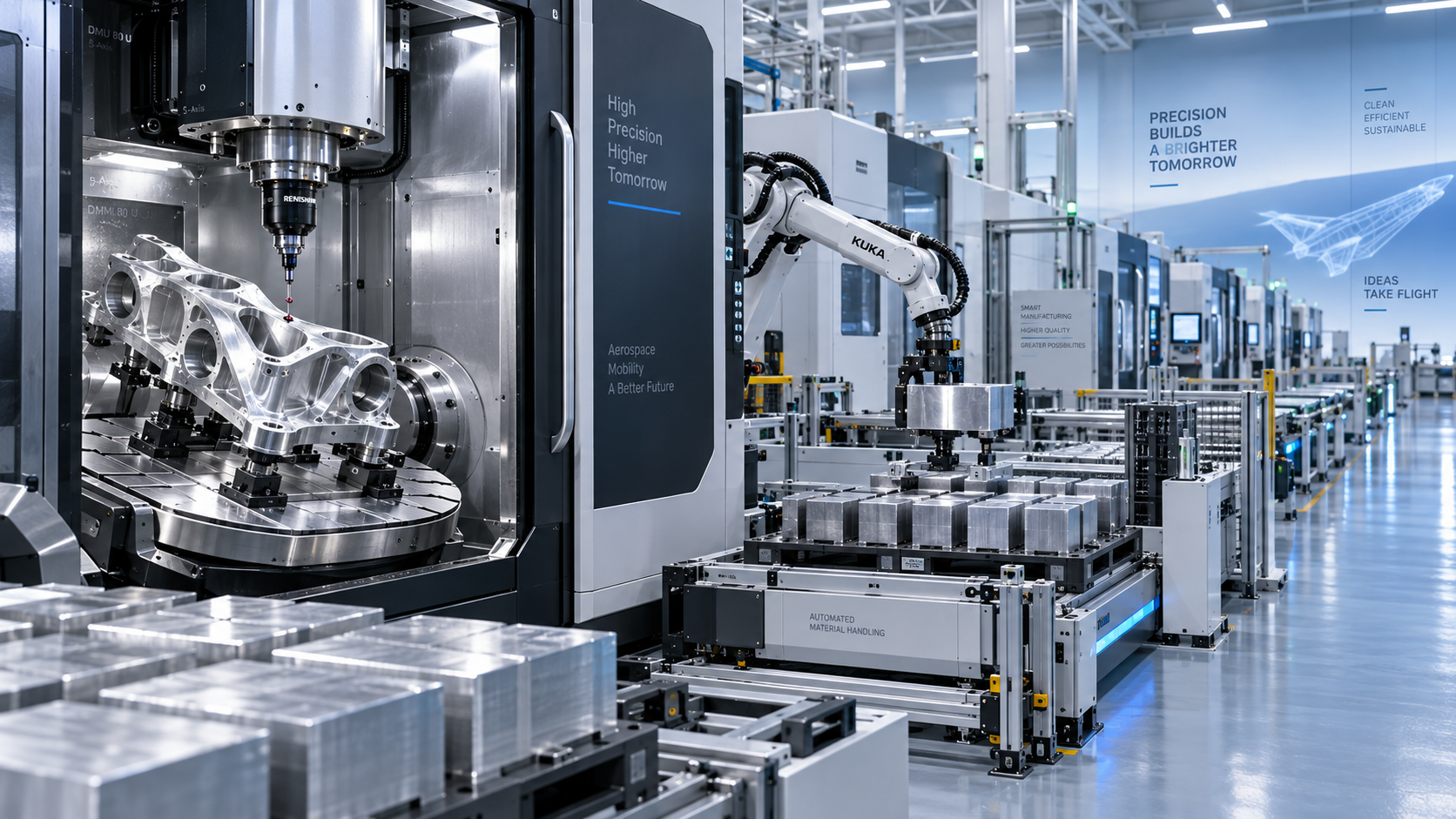
Automated CNC manufacturing adds another layer of control. Robotic loading, pallet systems, tool life management, and in-process probing help maintain process stability during extended runs. For procurement teams balancing cost and quality, this matters because the hidden cost of rework, line stoppage, and field failure often exceeds the initial machining price difference.
The table below summarizes the main technical drivers that support tight fits in high precision CNC manufacturing and what buyers should verify during supplier evaluation.
For technical teams, this comparison makes one point clear: tight fit performance is process-driven. A supplier with a capable machine but weak process control may struggle more than a supplier with balanced equipment, fixturing, programming, and inspection discipline.
What operators and engineers should monitor on the shop floor
Operators are often the first to see fit-related variation develop. Practical monitoring should focus on early warning signals rather than waiting for end-of-batch rejection. In many precision shops, a first-off check, an in-process check every 30–60 parts, and a final verification cycle form a common three-stage control routine.
Key process checks
- Confirm spindle warm-up and machine stabilization before machining critical dimensions.
- Measure tool offsets regularly when machining hard materials, stainless steels, or heat-sensitive alloys.
- Inspect both size and geometry, because a bore can meet diameter while still failing roundness or taper requirements.
- Separate inspection results by cavity, fixture position, or machine cell to identify localized process drift.
This approach is particularly useful in automated CNC manufacturing, where the process may run for long periods with limited manual intervention. Good automation does not remove the need for checks; it makes structured checks more important.
Which industries need tight fits most, and why?
Different industries define tight fits in different ways, but the common theme is performance risk. In aerospace, poor fit can affect alignment, sealing, vibration behavior, or fatigue life. In medical device manufacturing, a small deviation may create assembly friction, leakage risk, or sterilization challenges. In automotive and electronics, the pressure often comes from volume: the fit must remain stable across hundreds or thousands of parts, not just prototypes.
For sourcing teams, understanding the use case helps determine whether a standard precision route is sufficient or whether high precision CNC manufacturing with advanced inspection and multi-axis capability is necessary. A sensor housing, bearing seat, fluid connector, or mating shaft may all require tight fits, but not with the same process intensity.
The following table compares common application scenarios and the production priorities typically associated with them. It can help procurement teams, operators, and business evaluators align technical requirements with supplier capability.
This comparison shows why application context matters. A supplier that performs well on general industrial parts may still require different tooling, measurement routines, or documentation discipline for aerospace or medical projects. Matching process depth to fit risk is one of the most important sourcing decisions in CNC manufacturing.
Application-specific warning signs
If a project involves thin walls, deep bores, hard alloys, or multiple critical datums, the risk of fit variation increases. That is often the point where a high precision machine tool, custom fixture design, or a revised machining sequence becomes necessary rather than optional.
- Prototype success does not automatically predict production success, especially when batch size moves from 10 pieces to 1,000 pieces.
- Assembly issues often come from geometric mismatch, not only dimension error.
- Tight fits in aluminum, stainless steel, titanium, and engineering plastics may require different cutting and inspection strategies.
For businesses assessing suppliers internationally, asking for fit-related process examples by industry is usually more revealing than asking for a general statement about precision capability.
How should buyers evaluate CNC suppliers for tight-fit parts?
Procurement decisions for tight-fit components should combine technical review, commercial review, and delivery review. Price alone is rarely a safe selection method when the part affects sealing, rotation, alignment, or downstream assembly efficiency. A lower quoted part cost can become more expensive if it adds inspection labor, line stoppage, or scrap in the customer’s plant.
For most B2B projects, buyers should evaluate at least 5 core items: machine capability, process route, inspection method, batch stability, and communication speed. If the part enters a regulated or export-sensitive industry, add documentation readiness and material traceability to the checklist. This is especially relevant in global CNC manufacturing where suppliers may differ significantly in reporting depth even when quoting similar tolerances.
A practical supplier review usually moves through 4 steps: drawing assessment, manufacturability feedback, sample validation, and batch release planning. This structure helps both technical teams and commercial teams identify risk early instead of discovering problems after purchase order approval.
A practical procurement checklist
- Confirm critical dimensions and fit functions. Mark which features affect press fit, sliding fit, concentricity, sealing, or rotational performance.
- Ask for the proposed machining route. Determine whether the supplier plans single-setup, multi-axis CNC manufacturing or a multi-step approach with higher reposition risk.
- Review inspection capability. Clarify whether the supplier uses in-process probing, final dimensional checks, and geometry verification for the key features.
- Check lead time by stage. Sample production may take 7–15 days, while batch scheduling may extend to 2–4 weeks depending on material, tooling, and inspection load.
- Verify documentation before order release. This may include material records, measurement reports, revision control, and packaging instructions for precision surfaces.
For operators and plant users, supplier selection should also include a discussion about downstream assembly behavior. If a component is difficult to install, requires excessive force, or shows unstable mating performance, the issue may be linked to the machining plan rather than assembly alone.
Common sourcing mistakes
A common mistake is treating all tight tolerances as equally difficult. In reality, a simple turned diameter with ±0.01 mm is very different from a multi-surface fit condition requiring bore accuracy, positional tolerance, and fine finish in one part. Another mistake is approving a supplier based only on prototype parts without checking repeatability across a larger pilot batch of 20–50 pieces.
Commercial teams also sometimes underestimate logistics and handling. Precision-machined parts can lose fit integrity through poor packaging, contamination, or mixed-batch labeling even when machining quality is acceptable. A complete evaluation should cover manufacturing and post-machining controls together.
Cost, alternatives, compliance, and the best next step
Tight fits always involve a cost decision. The main question is not whether high precision CNC manufacturing costs more than standard machining, but whether the added process control is justified by assembly reliability, product life, and reduced failure risk. In many industrial projects, the best value comes from matching the tolerance requirement to the actual function instead of applying ultra-tight limits to every feature.
There are alternatives in some cases. Grinding, honing, lapping, or post-machining finishing may be more suitable for specific bores, shafts, or sealing surfaces. However, each added step increases handling, setup, and inspection needs. A capable CNC machine tool manufacturer or precision machining partner should be able to explain when a single CNC route is sufficient and when a hybrid process is more economical.
Compliance also matters. While exact requirements depend on the industry, buyers often review drawing standards, dimensional reporting practices, material traceability, and general quality management discipline. Aerospace, medical, and export-oriented industrial programs usually require clearer documentation than general-purpose commercial parts. Early discussion of these points can prevent delays during sample approval or first batch acceptance.
FAQ: what do buyers and users ask most often?
How tight can CNC manufacturing realistically hold?
It depends on the machine, material, feature type, and process control. In general industrial work, tolerances such as ±0.01 mm are common discussion points. More demanding features may require tighter control, but buyers should confirm whether that level is needed on all dimensions or only on a few critical fit features.
Is multi-axis CNC manufacturing always necessary for tight fits?
Not always. For simpler shafts, sleeves, and flat components, 3-axis or turning processes may be fully appropriate. Multi-axis CNC manufacturing becomes more valuable when multiple fit-critical features must remain accurate in relation to one another, or when reducing setups can lower cumulative error.
What is a typical lead time for tight-fit CNC parts?
For standard materials and moderate complexity, sample lead times often fall within 7–15 days. Production orders may require 2–4 weeks or longer depending on tooling, capacity, surface treatment, and inspection scope. Buyers should ask for stage-based timing rather than a single total number.
What should be confirmed before requesting a quote?
At minimum, clarify the fit function, critical tolerances, material grade, expected batch size, surface requirements, and any documentation needs. If the part will be used in aerospace, medical, electronics, or automated assembly lines, mention that at the start so the supplier can recommend the right CNC manufacturing route.
Why choose us for precision CNC manufacturing support?
We focus on the global CNC machining and precision manufacturing industry, with attention to the technical and commercial details that matter in tight-fit production. That includes process-oriented evaluation, multi-axis CNC manufacturing insight, automated CNC manufacturing considerations, and practical communication for buyers comparing suppliers across international markets.
You can contact us for specific support on parameter confirmation, fit-critical drawing review, CNC machine tool selection logic, lead time planning, sample feasibility, documentation expectations, and quotation comparison. If you are assessing a new supplier or planning a precision part program, we can help you narrow the process route, identify risk points, and prepare a more reliable sourcing decision.
If you already have drawings or target applications, share the material, annual volume, tolerance focus, and delivery window. With that information, the next discussion can move quickly from general interest to a practical machining and procurement plan.
PREVIOUS ARTICLE
Recommended for You
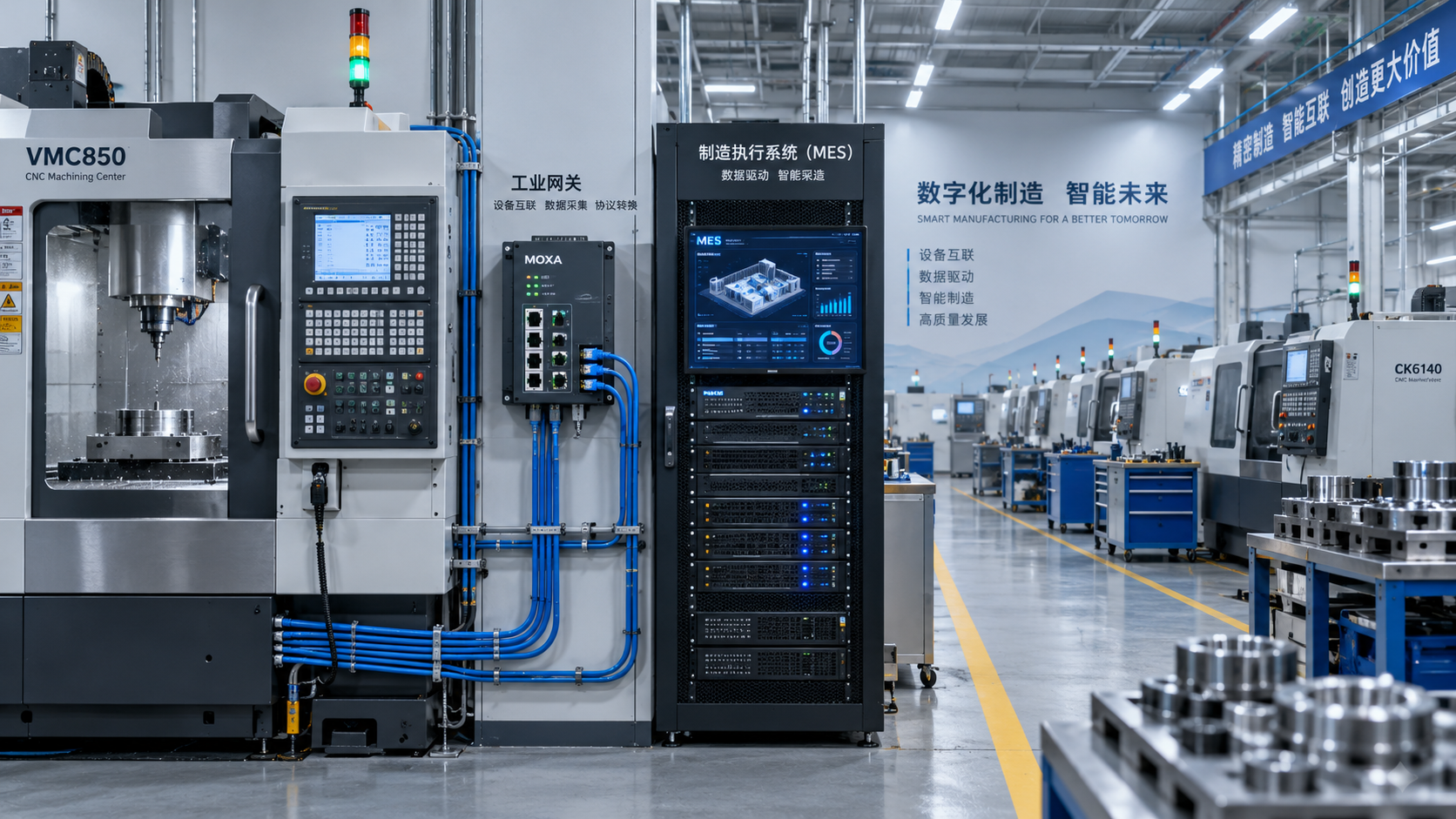
 Digital Manufacturing for Smart Factories: Connecting Legacy Machines to MESMachine Tool Industry Editorial Team
 How to Select a CNC Metal Lathe for Tight-Tolerance Shaft and Sleeve PartsCNC Machining Technology Center
 How to Select an Industrial Lathe for High-Volume Shaft ProductionMachine Tool Industry Editorial Team
 Selecting Machine Tools for Automotive Parts: Accuracy, Throughput, and AutomationMachine Tool Industry Editorial Team
 Industrial Machining: Selecting Processes for Tight-Tolerance Metal PartsCNC Machining Technology Center
 Manufacturing Technology Trends That Improve Throughput and Quality ControlManufacturing Market Research Center

Aris Katos
Future of Carbide Coatings
15+ years in precision manufacturing systems. Specialized in high-speed milling and aerospace grade alloy processing.
▶
Industrial Machining: Selecting Processes for Tight-Tolerance Metal PartsCNC Machining Technology Center▶
How Does Precision Machining Differ From Standard Machining?CNC Machining Technology Center▶
CNC Precision: Which Tolerances, Materials, and Processes Fit Your Part?CNC Machining Technology Center▶
How to Choose Metal Machining Processes for Tight Tolerances and Production VolumeCNC Machining Technology Center▶
Production Process Explained: Key Stages, Controls, and Quality CheckpointsCNC Machining Technology Center
Mastering 5-Axis Workholding Strategies
Join our technical panel on Nov 15th to learn about reducing vibrations in thin-wall components.

Providing you with integrated sanding solutions
Before-sales and after-sales services
Comprehensive technical support