• Global CNC market projected to reach $128B by 2028 • New EU trade regulations for precision tooling components • Aerospace deman
NYSE: CNC +1.2%LME: STEEL -0.4%

Precision CNC Manufacturing: Tolerances You Can Expect in 2024
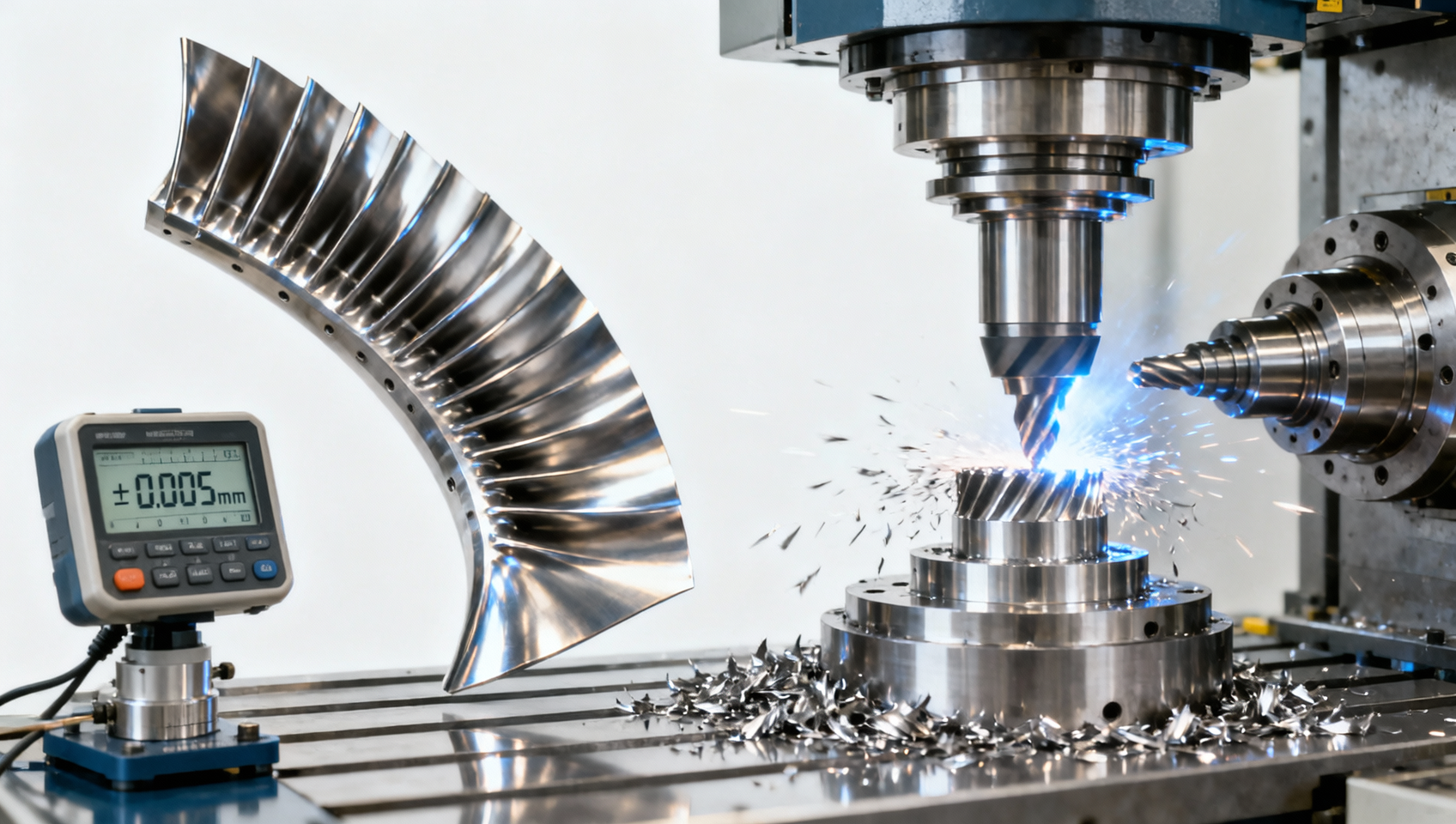
The Evolution of CNC Tolerances in 2024
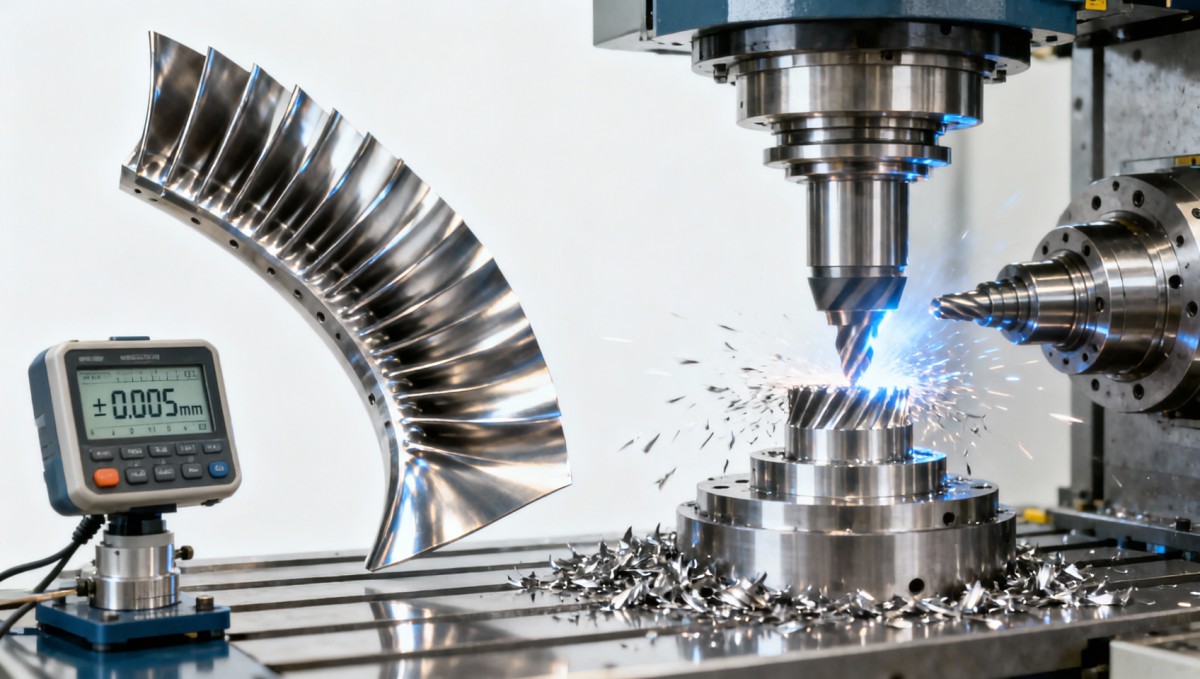
Modern CNC machining has achieved unprecedented precision levels, with industry leaders now routinely holding tolerances of ±0.005mm (5 microns) for critical aerospace components. This represents a 40% improvement over 2020 capabilities, driven by advances in linear guide technology, thermal compensation systems, and vibration-damping materials.
Three key factors are reshaping tolerance expectations:
- Multi-axis synchronization (5-9 axis machines now maintain ±0.008mm positional accuracy)
- AI-powered real-time error correction systems
- Next-generation cutting tools with 20% longer tool life at micron-level precision
Industry-Specific Tolerance Benchmarks
The table below compares current tolerance standards across major sectors:
Note that these values assume ISO 2768-mK grade machining conditions with temperature-controlled environments (±1°C variation). Actual achievable tolerances may vary by 15-20% depending on material properties and part complexity.
Key Technologies Enabling Tighter Tolerances
Five technological breakthroughs are redefining precision limits in CNC manufacturing:
- Direct-drive rotary tables achieving ±1 arc-second repeatability (0.0003°)
- Laser interferometer calibration systems with 0.5µm resolution
- Nanometer-scale feedback systems on linear axes
- Composite machine bases with 0.01µm/°C thermal stability
- Adaptive machining algorithms compensating for tool wear in real-time
Cost vs. Precision Tradeoffs
The relationship between tolerance requirements and production costs follows an exponential curve:
For most commercial applications, the optimal balance lies in the ±0.015–0.025mm range, where quality and cost curves intersect most favorably. Medical and aerospace components often justify the premium for sub-0.01mm tolerances.
Implementing High-Precision CNC Solutions
Achieving consistent micron-level tolerances requires a systems approach encompassing:
- Machine selection: Look for ISO 230-2 certified positioning accuracy under 5µm
- Environmental control: Maintain 20±1°C with <60% humidity
- Tooling strategy:
- Measurement systems: CMMs with 0.5µm uncertainty budgets
- Operator training: Specialized certification for precision work
Maintenance Protocols for Sustained Precision
Precision degradation typically occurs at 0.002–0.005mm per 1,000 operating hours without proper maintenance. Key intervals:
- Daily: Way lubrication checks, coolant concentration verification
- Weekly: Ball screw backlash measurement, spindle runout tests
- Monthly: Full geometric accuracy verification per ISO 10791-1
- Annual: Laser calibration of all linear and rotary axes
Future Trends in Precision Machining
Emerging technologies promise to push tolerances below 1µm by 2026:
- Quantum-scale metrology systems
- Active vibration cancellation using piezoelectric actuators
- Machine learning-based thermal drift prediction
- Nanostructured cutting tool coatings
For manufacturers evaluating precision CNC investments in 2024, we recommend focusing on systems with:
- Closed-loop feedback on all axes
- Integrated probing systems (≤1µm repeatability)
- Thermal growth compensation for spindle and axes
- Compatibility with Industry 4.0 monitoring platforms
Contact our engineering team for a customized tolerance analysis and machine specification review tailored to your specific application requirements and quality standards.
PREVIOUS ARTICLE
Recommended for You
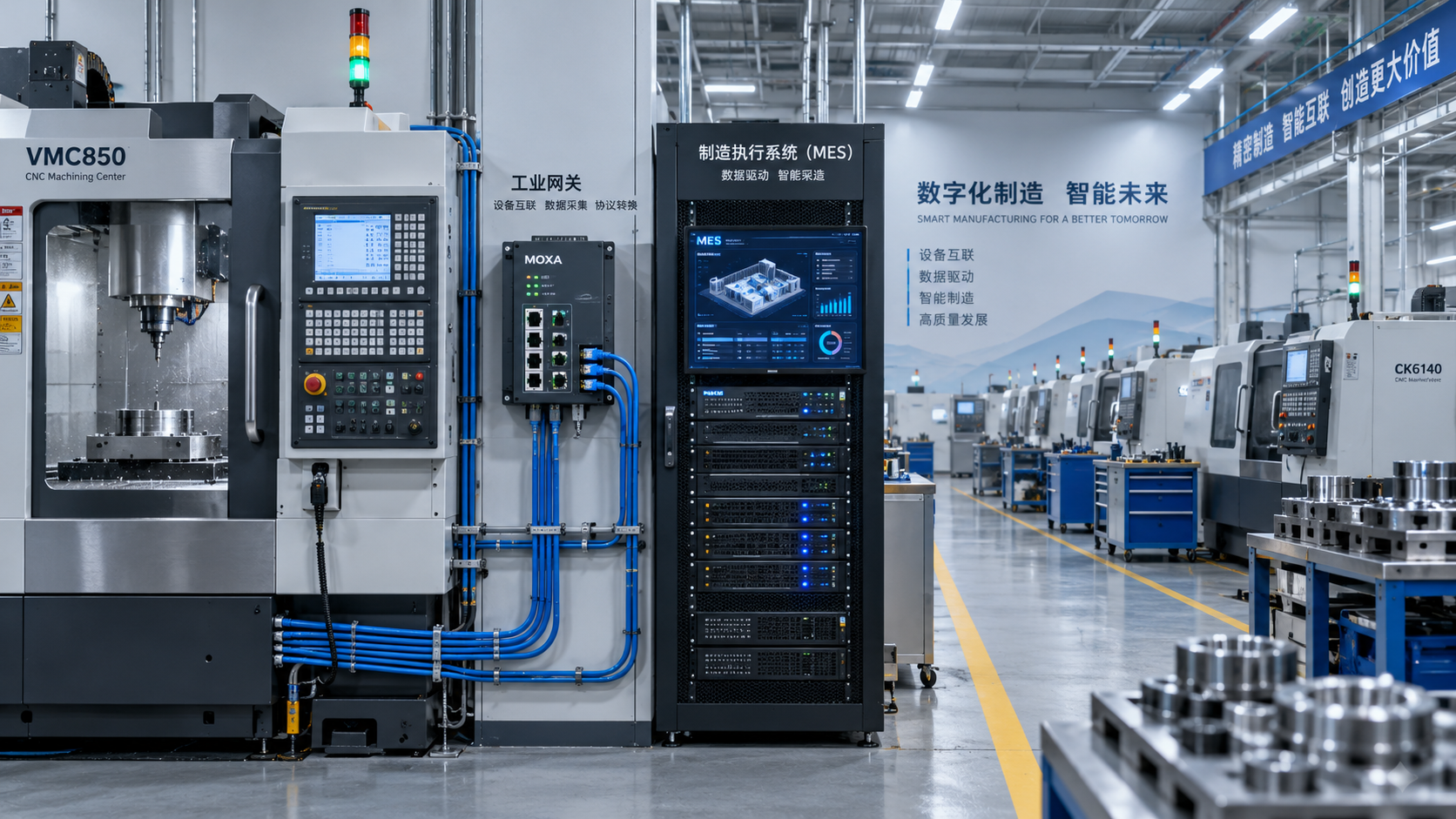
 Digital Manufacturing for Smart Factories: Connecting Legacy Machines to MESMachine Tool Industry Editorial Team
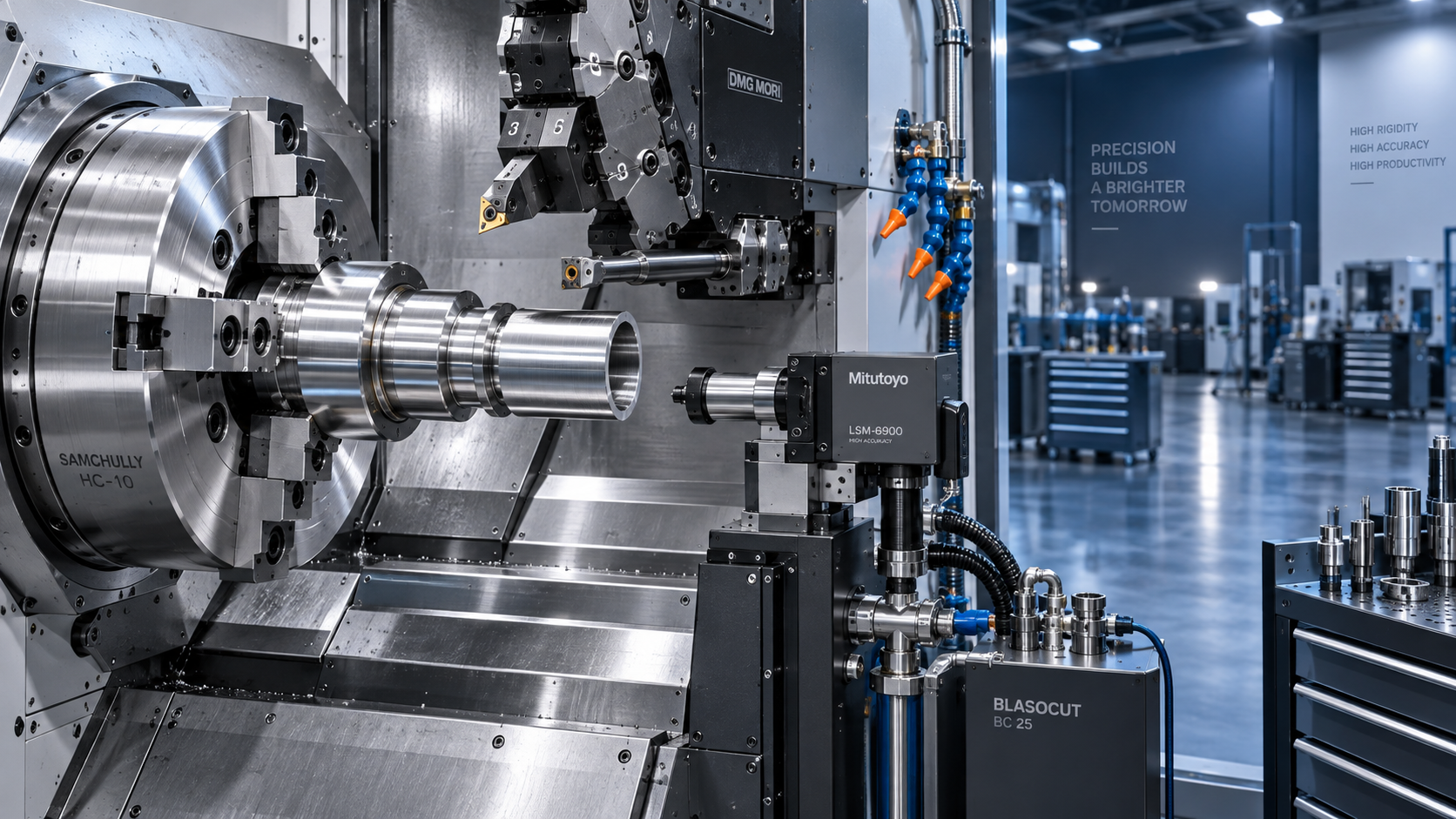
 How to Select a CNC Metal Lathe for Tight-Tolerance Shaft and Sleeve PartsCNC Machining Technology Center
 How to Select an Industrial Lathe for High-Volume Shaft ProductionMachine Tool Industry Editorial Team
 Selecting Machine Tools for Automotive Parts: Accuracy, Throughput, and AutomationMachine Tool Industry Editorial Team
 Industrial Machining: Selecting Processes for Tight-Tolerance Metal PartsCNC Machining Technology Center
 Manufacturing Technology Trends That Improve Throughput and Quality ControlManufacturing Market Research Center

Aris Katos
Future of Carbide Coatings
15+ years in precision manufacturing systems. Specialized in high-speed milling and aerospace grade alloy processing.
▶
Industrial Machining: Selecting Processes for Tight-Tolerance Metal PartsCNC Machining Technology Center▶
How Does Precision Machining Differ From Standard Machining?CNC Machining Technology Center▶
CNC Precision: Which Tolerances, Materials, and Processes Fit Your Part?CNC Machining Technology Center▶
How to Choose Metal Machining Processes for Tight Tolerances and Production VolumeCNC Machining Technology Center▶
Production Process Explained: Key Stages, Controls, and Quality CheckpointsCNC Machining Technology Center
Mastering 5-Axis Workholding Strategies
Join our technical panel on Nov 15th to learn about reducing vibrations in thin-wall components.

Providing you with integrated sanding solutions
Before-sales and after-sales services
Comprehensive technical support