• Global CNC market projected to reach $128B by 2028 • New EU trade regulations for precision tooling components • Aerospace deman
NYSE: CNC +1.2%LME: STEEL -0.4%

Which Environmental Standards Matter for Machine Tools
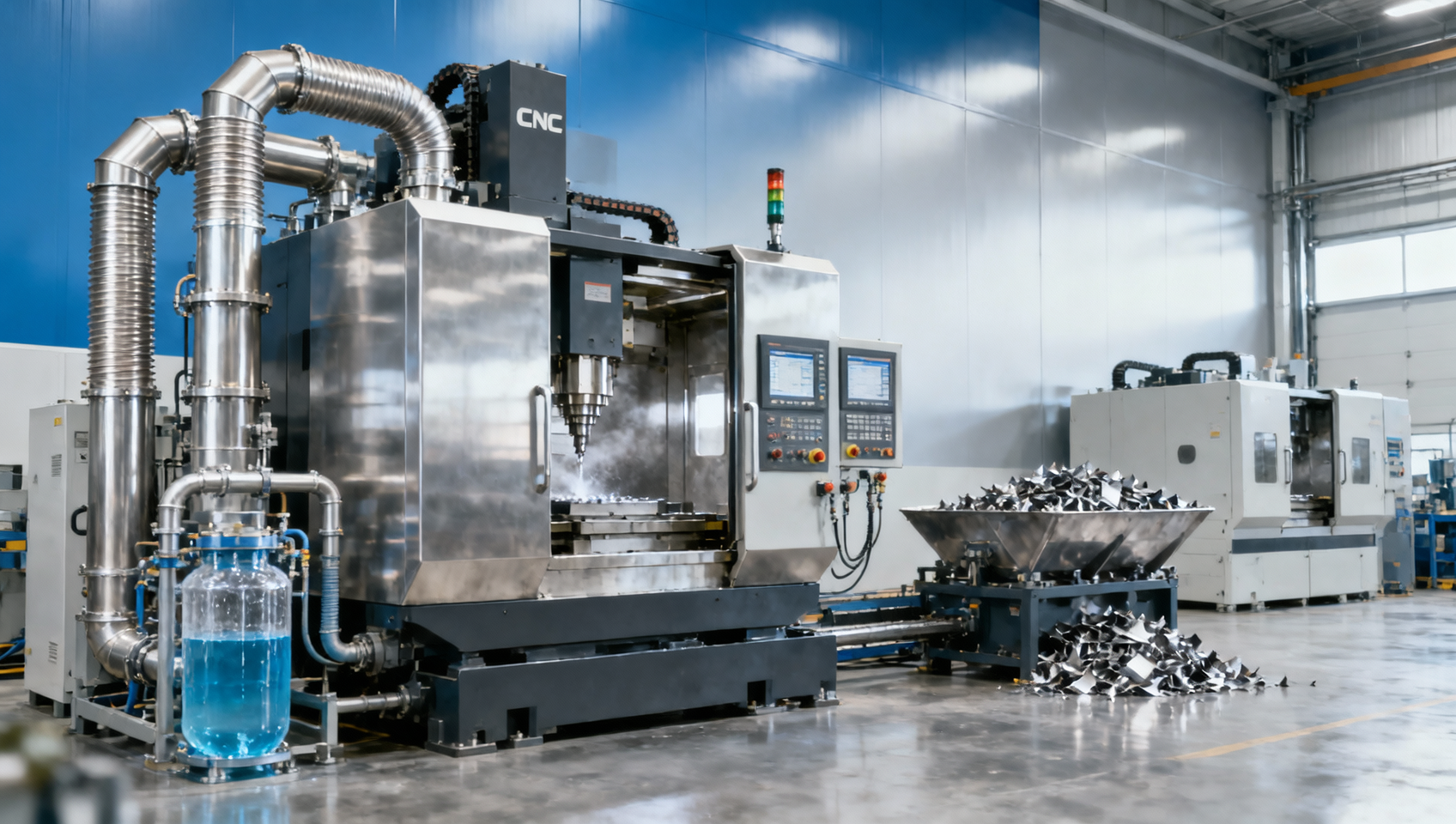
Environmental standards are becoming a decisive factor in the Machine Tool Market, shaping everything from metal machining and CNC metalworking to automated production and industrial CNC system selection. For buyers, operators, and business evaluators in the Global Manufacturing and Manufacturing Industry, understanding which regulations truly affect CNC cutting, CNC milling, energy use, emissions, and production process compliance is essential for smarter investment and long-term competitiveness.
In machine tool procurement, environmental compliance is no longer limited to factory permits or basic waste handling. It now influences machine design, coolant management, dust and mist extraction, electrical efficiency, packaging, cross-border trade documentation, and even the long-term operating cost of a CNC workshop. For companies comparing machining centers, CNC lathes, grinding systems, or flexible production lines, the right standards can reduce regulatory risk while improving efficiency over a 5- to 10-year asset life.
The challenge is that not every environmental requirement has the same impact. Some standards are mandatory for market access, some affect daily operation, and others matter mainly in large tenders, multinational supply chains, or highly regulated sectors such as aerospace, electronics, and energy equipment. Knowing which ones truly matter helps buyers avoid overpaying for irrelevant features while preventing under-specification that leads to audits, retrofit costs, or delayed installation.
Why Environmental Standards Matter in Machine Tool Selection
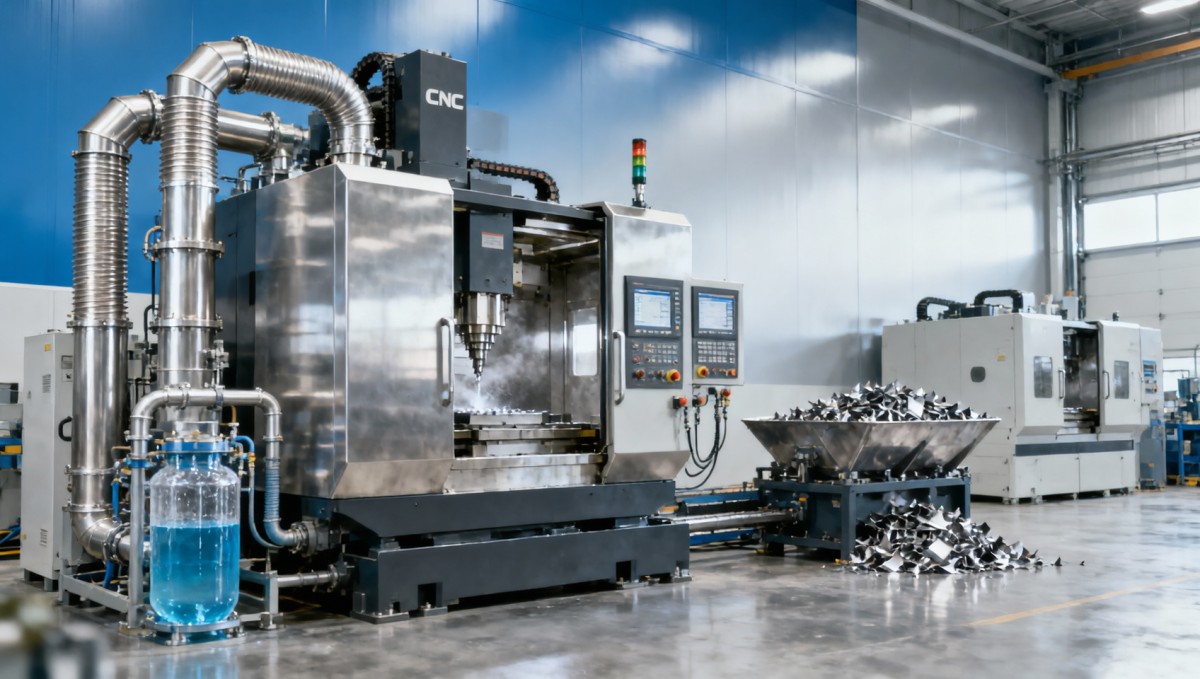
Environmental standards matter because machine tools are no longer judged only by spindle speed, positioning accuracy, or cycle time. A modern CNC system also has to meet expectations for lower power consumption, cleaner shop-floor air, safer fluid handling, and easier end-of-life management. In many regions, a machine that performs well mechanically but fails to meet applicable environmental rules can create project delays of 2–8 weeks during site acceptance or compliance review.
For operators, the most visible impact appears in daily working conditions. Oil mist from high-speed machining, coolant leakage, excessive noise, and poor chip recovery all affect safety and cleanliness. For procurement teams, environmental standards influence total cost of ownership through electricity bills, filtration replacement intervals, waste disposal fees, and maintenance shutdown frequency. A machine with 10%–20% lower energy demand can materially improve lifetime operating economics in multi-shift production.
For business evaluators and supply chain managers, standards are closely linked to customer qualification. Large OEMs increasingly ask suppliers to document environmental controls across machining operations. This is especially common when producing automotive housings, precision shafts, aerospace structures, or electronic enclosures where traceability, process stability, and controlled emissions are part of supplier audits.
Three layers of environmental relevance
Not all standards matter equally. In practice, machine tool buyers should separate them into three layers: market-entry requirements, operational compliance requirements, and strategic sustainability requirements. This distinction prevents confusion between what is legally necessary and what is commercially advantageous.
- Market-entry requirements: documentation and product compliance needed before import, installation, or sale.
- Operational compliance: standards affecting coolant disposal, air extraction, energy use, and workshop emissions.
- Strategic sustainability: requirements driven by customer ESG goals, green procurement policies, or carbon reporting.
The table below shows how these layers typically affect machine tool decisions in real purchasing scenarios.
The key takeaway is simple: the most important environmental standards are those that directly influence legal access, operating stability, and customer acceptance. Everything else should be evaluated based on industry, region, and production model.
Which Standards Usually Have the Greatest Practical Impact
In the machine tool industry, several environmental frameworks repeatedly appear in RFQs, technical audits, and import documentation. Although exact obligations depend on destination market and machine configuration, a few standard families consistently matter more than others. These are the ones procurement teams should review first when sourcing CNC equipment for domestic use or international projects.
Product and material compliance
For electrically powered CNC systems, material and component restrictions are often critical. Requirements related to hazardous substances, cable insulation materials, coatings, and electronic assemblies can affect machine control cabinets, servo systems, sensors, and operator panels. This is especially important if the machine includes imported electrical parts or is sold into regions where restricted substance declarations are routinely checked.
Energy and power efficiency
Energy performance is another major issue. A 3-axis machining center, a high-speed spindle platform, and a multi-axis turning-milling compound machine can show very different consumption patterns depending on standby strategy, coolant pump design, servo efficiency, and chip conveyor load. In plants operating 16–24 hours per day, even modest reductions in idle power can generate meaningful annual savings.
Emissions, mist, and fluid management
The third high-impact area is process emission control. CNC milling, drilling, grinding, and turning all generate combinations of oil mist, coolant aerosol, metal fines, and waste liquid. Environmental compliance here is less about one single label and more about whether the machine and workshop system can control discharge, separate waste streams, and maintain air quality within local limits.
The following table summarizes the environmental categories that usually deserve top attention during machine tool evaluation.
For most buyers, these four areas cover roughly 80% of the environmental due diligence that actually changes purchasing outcomes. If a machine supplier can document them clearly, compliance discussions become faster and less risky.
How Environmental Standards Affect Operators, Maintenance, and Production Cost
Environmental standards are often discussed at the corporate or procurement level, but their most immediate effects appear on the shop floor. Operators notice whether a machine leaks coolant after 6 months, whether mist builds up around the enclosure during high-speed cutting, and whether chips can be separated cleanly from fluid. Maintenance teams notice whether filters need replacement every 4 weeks or every 12 weeks, and whether service access encourages proper upkeep.
A machine built with stronger environmental controls usually performs better in several practical areas at once: enclosure sealing, coolant circulation, tank cleaning, lubrication stability, and waste segregation. These details do not only support compliance; they also reduce unplanned downtime. In medium-volume production, one recurring fluid management issue can interrupt spindle utilization far more often than buyers expect during the initial quotation stage.
Typical shop-floor benefits
- Cleaner air around enclosed machining zones, especially during high-speed milling and grinding.
- Lower coolant loss through better splash control and mist capture.
- More stable housekeeping due to improved chip removal and fluid return layout.
- Reduced risk of secondary contamination in precision parts production.
Cost implications that are easy to underestimate
Environmental performance also affects hidden cost categories. A machine with poor mist containment may require extra ducting, more frequent filter changes, or an external collector upgrade after installation. A coolant system that is hard to clean may increase fluid disposal volume by 15%–30% over a year. Likewise, oversized pumps or always-on auxiliary systems can add avoidable power load during idle periods, especially in plants with 10 or more machines.
Operators and supervisors should therefore treat environmental design as part of productivity, not as a separate administrative topic. A stable, cleaner, lower-loss machine environment often supports better tool life, more predictable maintenance scheduling, and fewer interruptions in unmanned or semi-automated production cells.
Four practical checks before acceptance
- Run the machine at typical spindle load for 30–60 minutes and inspect visible mist escape points.
- Check whether coolant return paths leave stagnant zones where sludge accumulates.
- Measure idle and cutting-phase power demand separately, not only installed capacity.
- Confirm that waste fluid, chips, and filter media can be removed without cross-contamination.
These checks are especially useful during FAT or SAT because they convert abstract environmental claims into visible operating evidence.
A Practical Framework for Procurement and Supplier Evaluation
For procurement teams, the best approach is not to ask for every possible environmental certificate. Instead, build a targeted evaluation framework linked to machine type, production environment, and customer obligations. A compact vertical machining center for a domestic parts factory may need a different level of documentation than a robotic machining cell entering a multinational automotive supply chain.
A useful framework generally covers five dimensions: legal compliance, operating efficiency, emission control, maintainability, and supplier transparency. This allows buyers to compare bids with more precision than a simple compliant/non-compliant checkbox. It also helps commercial teams explain why one proposal has a higher upfront price but lower long-term operational burden.
Suggested procurement checklist
Before placing an order, ask the supplier for structured answers on the points below. In most cases, a serious machine tool supplier should be able to provide these within 3–7 working days if its engineering documentation is complete.
This kind of checklist shifts the conversation from general claims to measurable operating implications. It is particularly valuable when comparing suppliers from different countries, where documentation style and default machine configuration may vary significantly.
Common procurement mistakes
- Assuming that a basic conformity statement covers all environmental obligations in the destination market.
- Comparing installed motor power without reviewing actual idle and process consumption.
- Ignoring downstream workshop costs such as ducting, waste treatment, and filter replacement.
- Failing to confirm which environmental features are standard and which are optional extras.
When procurement teams avoid these mistakes, they are more likely to choose a machine that remains compliant and economical through commissioning, ramp-up, and full-scale production.
Implementation Tips, Industry Trends, and Common Questions
Environmental expectations in the machine tool sector are becoming more integrated with automation, digital monitoring, and customer reporting. This means compliance is moving upstream into machine design and downstream into production data management. In smart factories, the next step is not only to control waste and emissions but also to monitor them through connected sensors, maintenance alerts, and energy dashboards.
For example, newer machining lines increasingly separate base machine consumption from peripheral consumption such as coolant chillers, extraction units, and chip handling. This gives plant managers a clearer picture of which module drives the highest environmental load. In some projects, that visibility becomes a deciding factor when scaling from 1 pilot unit to 6 or 12 machines in a production cell.
Implementation steps for buyers and factory teams
- Define the destination market and customer audit requirements before RFQ release.
- Map environmental risks by process: turning, milling, grinding, washing, or automated loading.
- Request machine-specific data rather than general company-level sustainability claims.
- Verify environmental performance during FAT, installation, and the first 30 days of operation.
- Create a maintenance routine for filters, coolant condition, and waste segregation.
FAQ
Which environmental issue usually creates the fastest hidden cost in CNC machining?
Coolant and mist management are often the fastest cost multipliers. If leakage, aerosol escape, or poor filtration appear early, plants may face higher fluid replacement frequency, more cleaning labor, and extra extraction investment within the first 3–6 months.
Are environmental standards mainly important for exporters?
No. Exporters face more documentation pressure, but domestic factories also benefit because environmental design affects local permits, worker exposure, utility cost, and equipment reliability. Even in local sourcing, poor environmental performance can slow acceptance and increase operating burden.
What should a buyer ask first when comparing two similar machine tools?
Start with four questions: What is the actual power profile under idle and cutting conditions? How is mist controlled? How is coolant recovered and cleaned? What compliance documents are available for the destination market? These questions usually reveal more than a generic brochure comparison.
How long does environmental verification usually take in a machine project?
For a standard CNC machine, document review may take 3–7 working days if files are prepared. A more detailed project involving automation cells, multiple utilities, or multinational customer audits can take 2–4 weeks, especially when site-specific extraction and waste handling must be validated.
The direction of the industry is clear: environmental performance is becoming part of mainstream machine tool value, not a side topic. Suppliers that can combine precision, automation, and practical compliance support will be better positioned in global manufacturing projects.
The environmental standards that matter most for machine tools are the ones that directly affect legal market access, energy use, emissions control, coolant and waste handling, and day-to-day shop-floor efficiency. For researchers, operators, buyers, and business evaluators, the best decisions come from linking standards to real production risks, operating cost, and customer requirements rather than treating compliance as a paperwork exercise.
If you are assessing CNC lathes, machining centers, multi-axis systems, or automated production lines, a structured review of environmental documentation, power profile, and fluid control design can significantly improve investment quality. To discuss a suitable machine configuration, compare compliance-ready options, or get a tailored evaluation framework for your production scenario, contact us today and explore more practical machine tool solutions.
PREVIOUS ARTICLE
Recommended for You
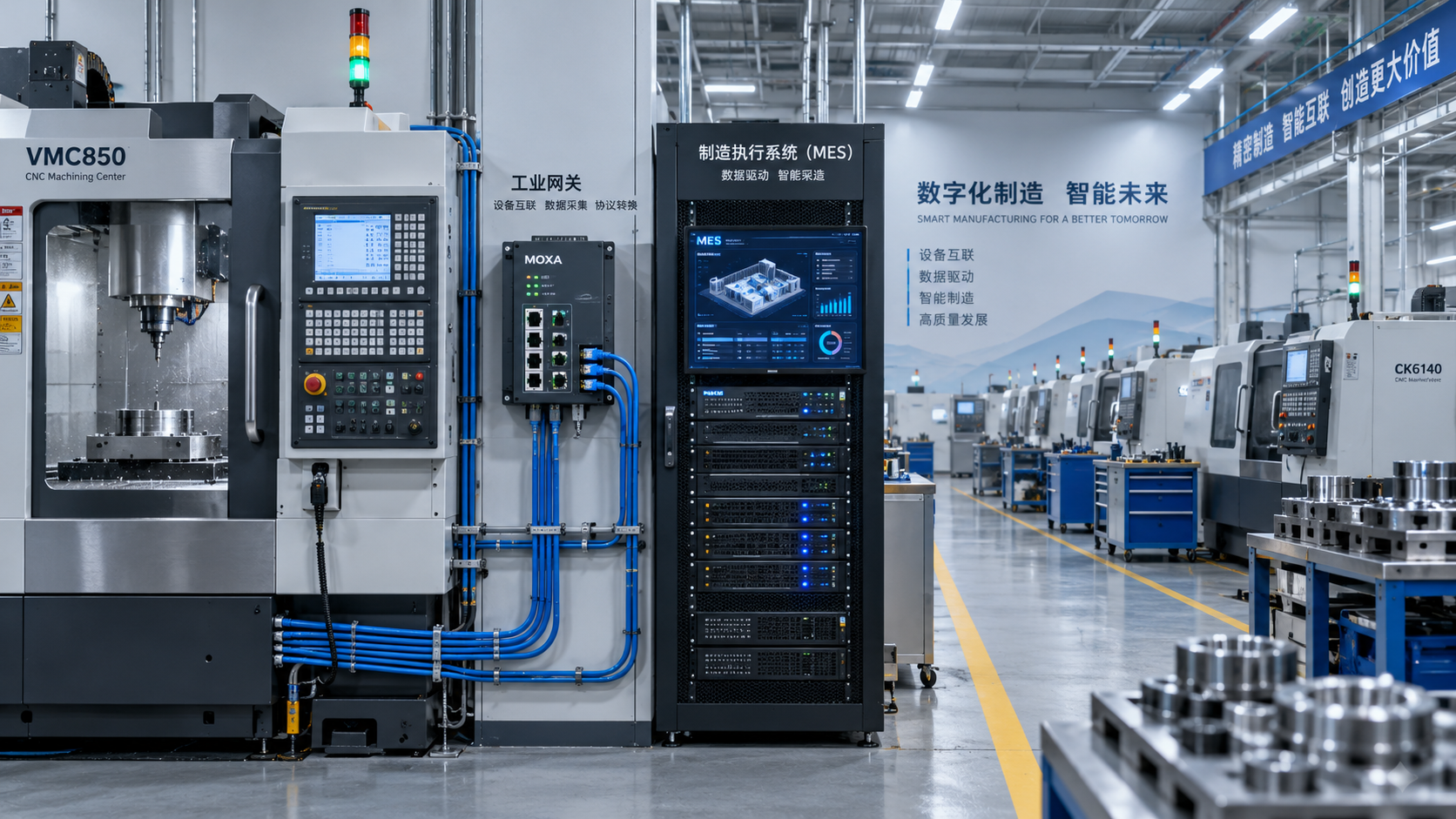
 Digital Manufacturing for Smart Factories: Connecting Legacy Machines to MESMachine Tool Industry Editorial Team
 How to Select a CNC Metal Lathe for Tight-Tolerance Shaft and Sleeve PartsCNC Machining Technology Center
 How to Select an Industrial Lathe for High-Volume Shaft ProductionMachine Tool Industry Editorial Team
 Selecting Machine Tools for Automotive Parts: Accuracy, Throughput, and AutomationMachine Tool Industry Editorial Team
 Industrial Machining: Selecting Processes for Tight-Tolerance Metal PartsCNC Machining Technology Center
 Manufacturing Technology Trends That Improve Throughput and Quality ControlManufacturing Market Research Center

Aris Katos
Future of Carbide Coatings
15+ years in precision manufacturing systems. Specialized in high-speed milling and aerospace grade alloy processing.
▶
EU REACH Adds Limits on Nanomaterial Cutting Fluid AdditivesManufacturing Policy Research Center▶
Energy-Saving CNC Manufacturing: Which Upgrades Deliver the Best ROI?Manufacturing Policy Research Center▶
Vietnam Requires ISO 50001 Proof for Imported CNC MachinesManufacturing Policy Research Center▶
EU Tightens REACH Rules for Nickel-Coated CNC ToolsManufacturing Policy Research Center▶
EU Carbon-Footprint Rule Nears for CNC Power ModulesManufacturing Policy Research Center
Mastering 5-Axis Workholding Strategies
Join our technical panel on Nov 15th to learn about reducing vibrations in thin-wall components.

Providing you with integrated sanding solutions
Before-sales and after-sales services
Comprehensive technical support