• Global CNC market projected to reach $128B by 2028 • New EU trade regulations for precision tooling components • Aerospace deman
NYSE: CNC +1.2%LME: STEEL -0.4%

China Cuts 1-Year LPR to 3.0%: CNC Equipment Export Financing Costs May Ease

On April 20, 2026, the People’s Bank of China lowered the 1-year Loan Prime Rate (LPR) to 3.0%, while the 5-year LPR remained at 3.5%. This adjustment is particularly relevant for exporters of high-value-added capital goods—including CNC machine tools and automated production lines—as it may reduce financing costs for export-related working capital and medium-term credit facilities. Overseas importers and international procurement teams should monitor potential improvements in Chinese suppliers’ pricing flexibility and delivery reliability.
Event Overview
On April 20, 2026, the People’s Bank of China announced a reduction in the 1-year Loan Prime Rate (LPR) to 3.0%. The 5-year LPR was unchanged at 3.5%. The announcement was publicly released by the central bank and reflects its latest policy stance on benchmark lending rates for commercial banks.
Industries Affected by This Adjustment
Direct Export Trading Enterprises
These firms—especially those exporting CNC machine tools and integrated automation systems—often require upfront financing to cover production, certification, and shipping before receiving payment from overseas buyers. A lower 1-year LPR improves access to short-to-medium-term RMB-denominated trade loans, potentially reducing interest expenses on pre-shipment financing and letters of credit backing.
Contract Manufacturing & OEM Producers of Industrial Equipment
Manufacturers fulfilling export orders under OEM or project-based contracts frequently face extended cash conversion cycles. With reduced LPR, domestic banks may offer more competitive loan terms for inventory buildup and component procurement, supporting smoother order execution—particularly for customized, high-margin equipment with long lead times.
Export-Oriented Supply Chain Service Providers
This includes logistics integrators, export factoring platforms, and trade finance intermediaries serving machinery exporters. Lower LPR may encourage banks to expand credit lines to such service providers, enabling them to extend more flexible payment terms or faster settlement options to their exporter clients.
What Relevant Companies or Practitioners Should Monitor and Do Now
Track follow-up guidance from the PBOC and local banking regulators
The LPR cut signals monetary easing intent, but actual lending rate pass-through depends on bank-level implementation. Companies should monitor official statements on preferential lending programs for export-oriented SMEs, especially those targeting advanced manufacturing sectors.
Assess exposure to RMB-denominated pre-shipment financing and working capital loans
Firms currently using short-term RMB loans to fund export orders should review existing loan agreements and discuss refinancing opportunities with lenders—particularly where floating-rate clauses tie interest to the 1-year LPR.
Differentiate between policy signal and operational impact
A 10–20 bps reduction in borrowing cost does not automatically translate into lower export prices or faster delivery. Buyers and sellers alike should avoid overinterpreting the LPR move as an immediate margin or lead-time shift; instead, treat it as one input among many—including FX volatility, shipping capacity, and regulatory compliance timelines.
Update internal financial planning models for Q2–Q3 2026
Exporters should revise working capital forecasts to reflect possible reductions in financing cost assumptions, while also preparing contingency plans if global demand softens or regional trade barriers intensify—factors not addressed by this LPR adjustment.
Editorial Observation / Industry Perspective
Observably, this LPR adjustment is best understood as a targeted liquidity signal—not yet a broad-based stimulus outcome. Analysis shows that the unchanged 5-year LPR suggests the central bank is prioritizing support for working capital and trade finance over long-term infrastructure or real estate lending. From an industry perspective, the move aligns with China’s ongoing push to stabilize high-end manufacturing exports amid global supply chain recalibration. However, its tangible effect on overseas buyers will depend less on the headline rate and more on how quickly and uniformly commercial banks adjust their lending benchmarks—and whether export credit insurance and foreign-currency financing mechanisms evolve in parallel.
Consequently, the current significance lies less in immediate cost savings and more in reinforcing policy continuity for capital goods exporters. It signals continued institutional support for export competitiveness in technically intensive segments—but does not override market-driven constraints such as order visibility, technical compliance requirements, or geopolitical risk premiums.
Conclusion: This LPR adjustment should be interpreted not as a standalone cost-reduction event, but as one element of a broader macro-financial environment shaping export financing conditions for CNC and automation equipment suppliers. Its practical relevance remains conditional on bank-level execution and complementary trade facilitation measures.
Source: People’s Bank of China official announcement, April 20, 2026. Note: Further developments—including bank-specific lending rate adjustments, export credit policy updates, or regional implementation variations—remain subject to ongoing observation.
Recommended for You
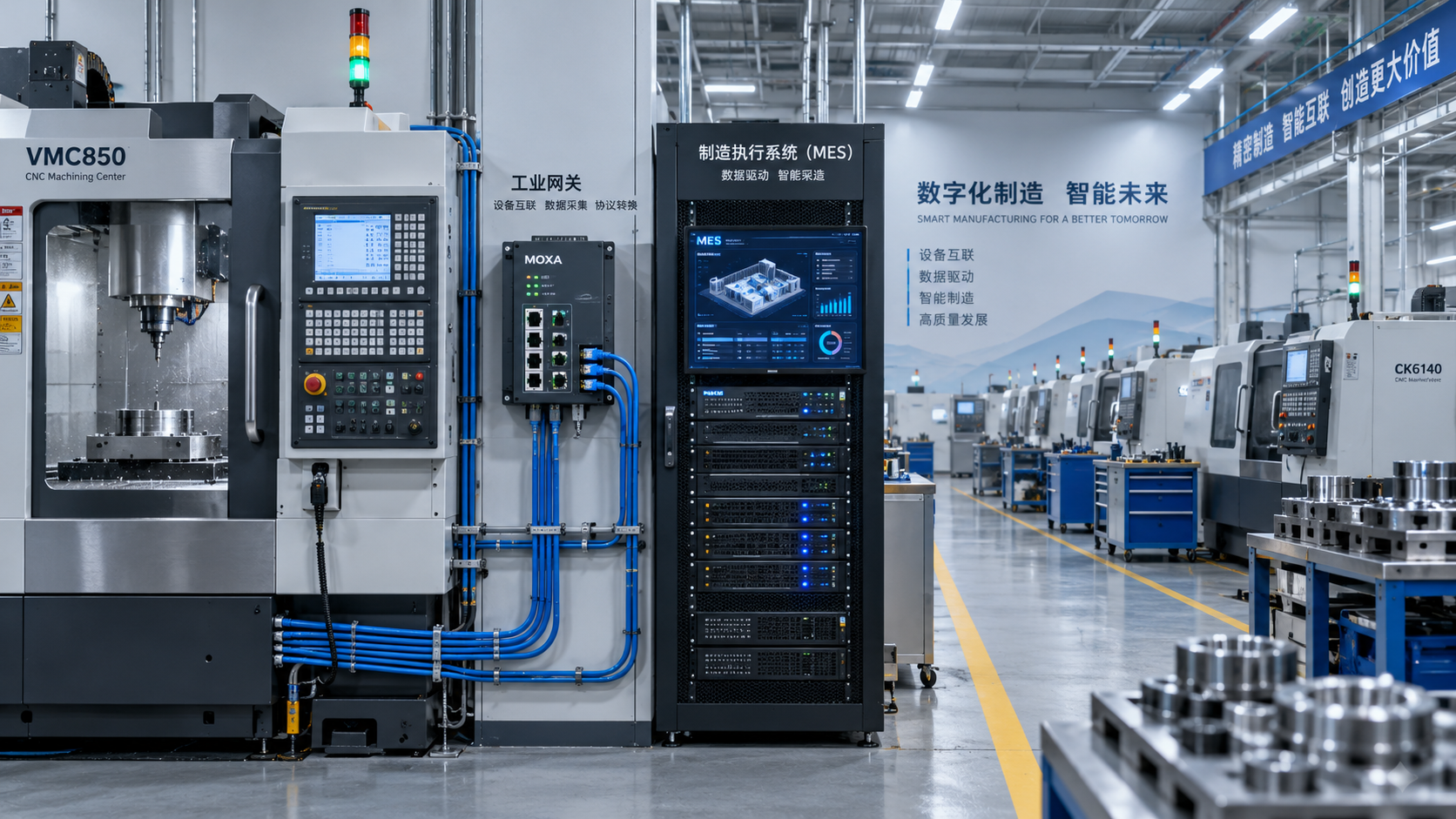
 Digital Manufacturing for Smart Factories: Connecting Legacy Machines to MESMachine Tool Industry Editorial Team
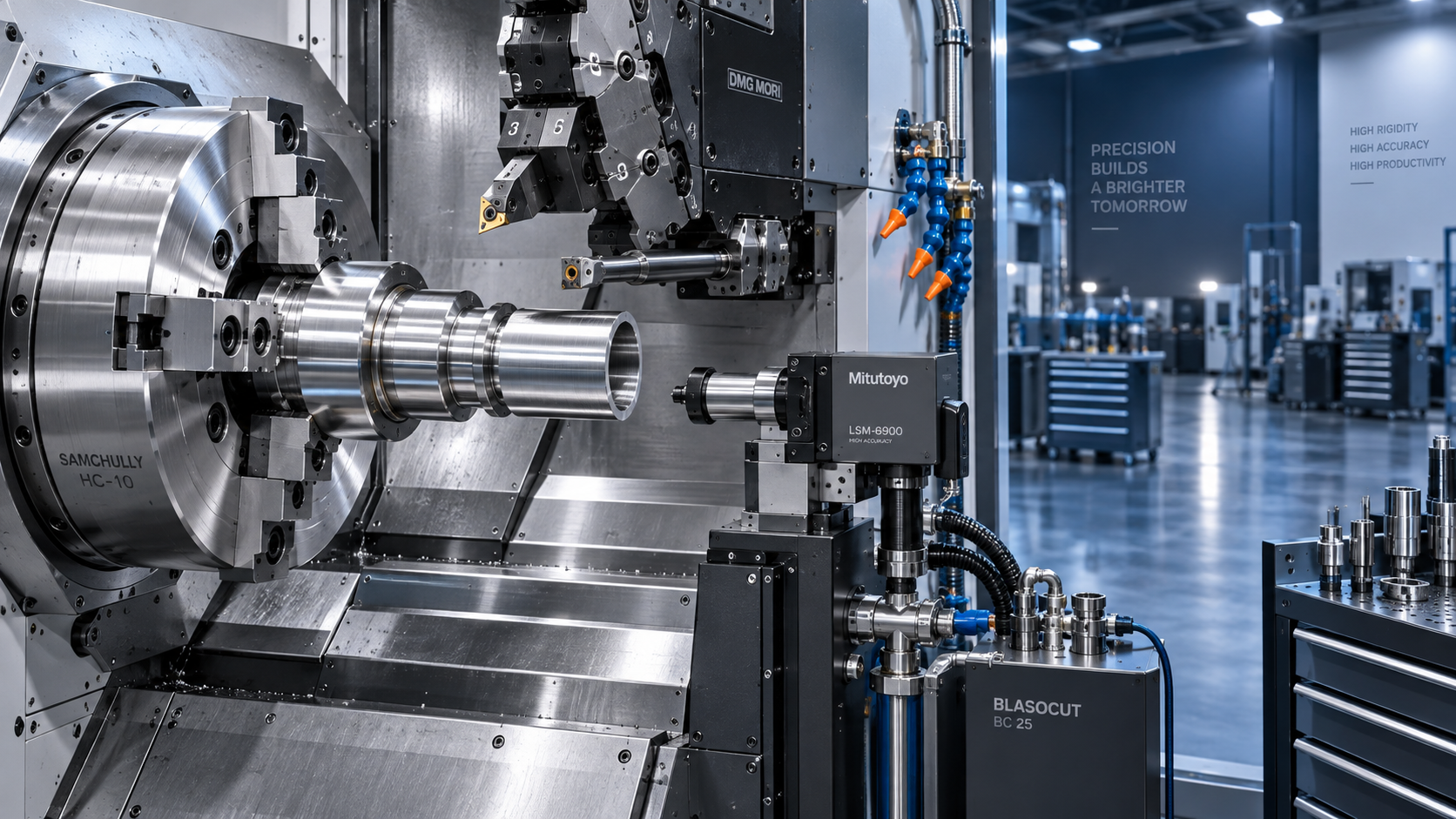
 How to Select a CNC Metal Lathe for Tight-Tolerance Shaft and Sleeve PartsCNC Machining Technology Center
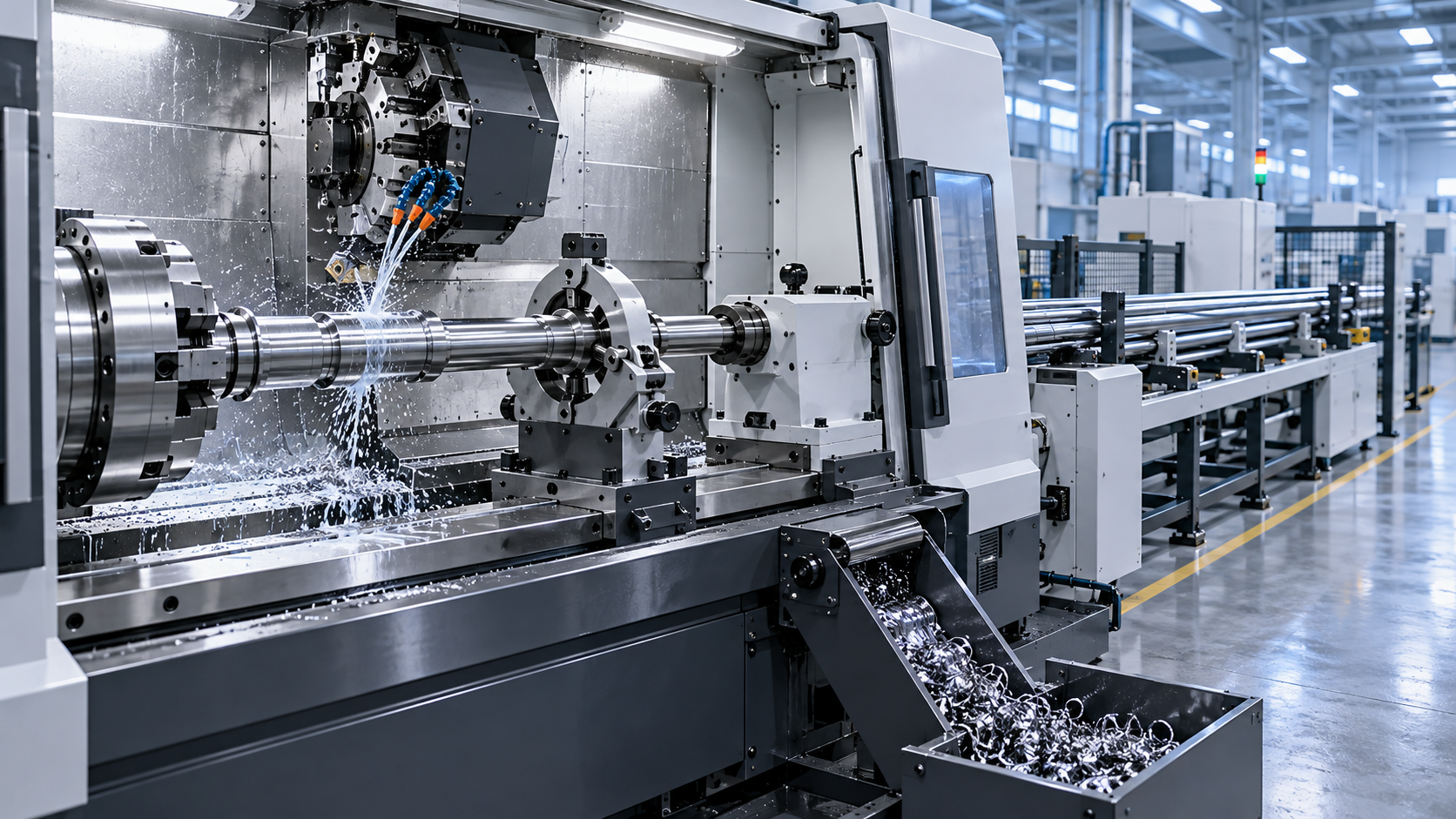
 How to Select an Industrial Lathe for High-Volume Shaft ProductionMachine Tool Industry Editorial Team
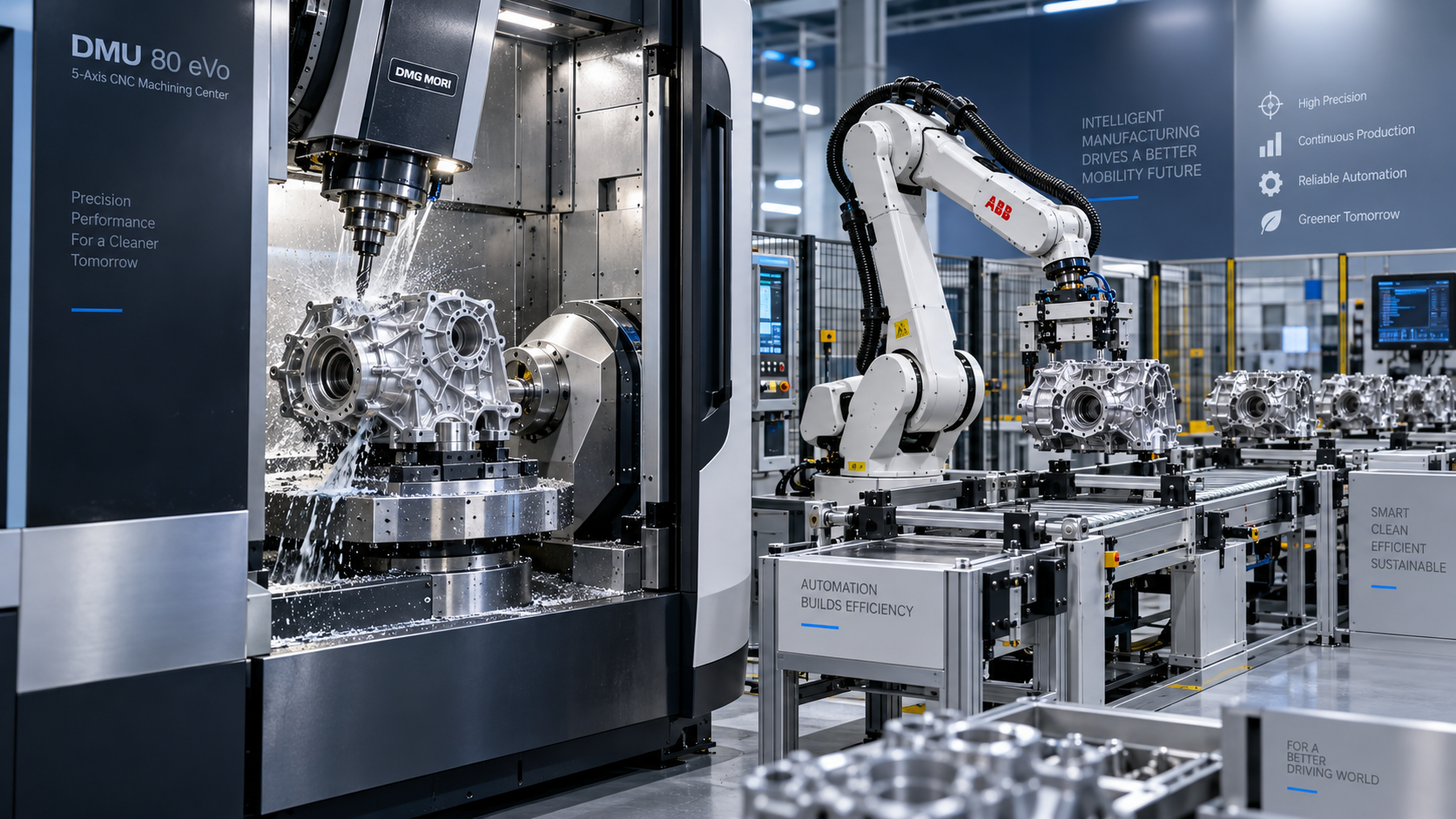
 Selecting Machine Tools for Automotive Parts: Accuracy, Throughput, and AutomationMachine Tool Industry Editorial Team
 Industrial Machining: Selecting Processes for Tight-Tolerance Metal PartsCNC Machining Technology Center
 Manufacturing Technology Trends That Improve Throughput and Quality ControlManufacturing Market Research Center

Aris Katos
Future of Carbide Coatings
15+ years in precision manufacturing systems. Specialized in high-speed milling and aerospace grade alloy processing.
▶
日本高端机床出口管制生效,五轴CNC审批趋严Global Machine Tool Trade Research Center▶
Japan Tightens Controls on High-End Machine Tool ExportsGlobal Machine Tool Trade Research Center▶
US Proposes 25% Tariff on China CNC Servo DrivesGlobal Machine Tool Trade Research Center▶
US Adds 37 Chinese Machine Tool Firms to Export ListGlobal Machine Tool Trade Research Center▶
US Tightens CNC Export Curbs, Adds 52 China EntitiesGlobal Machine Tool Trade Research Center
Mastering 5-Axis Workholding Strategies
Join our technical panel on Nov 15th to learn about reducing vibrations in thin-wall components.

Providing you with integrated sanding solutions
Before-sales and after-sales services
Comprehensive technical support