• Global CNC market projected to reach $128B by 2028 • New EU trade regulations for precision tooling components • Aerospace deman
NYSE: CNC +1.2%LME: STEEL -0.4%

Are Industrial Robotics worth the cost for small plants?
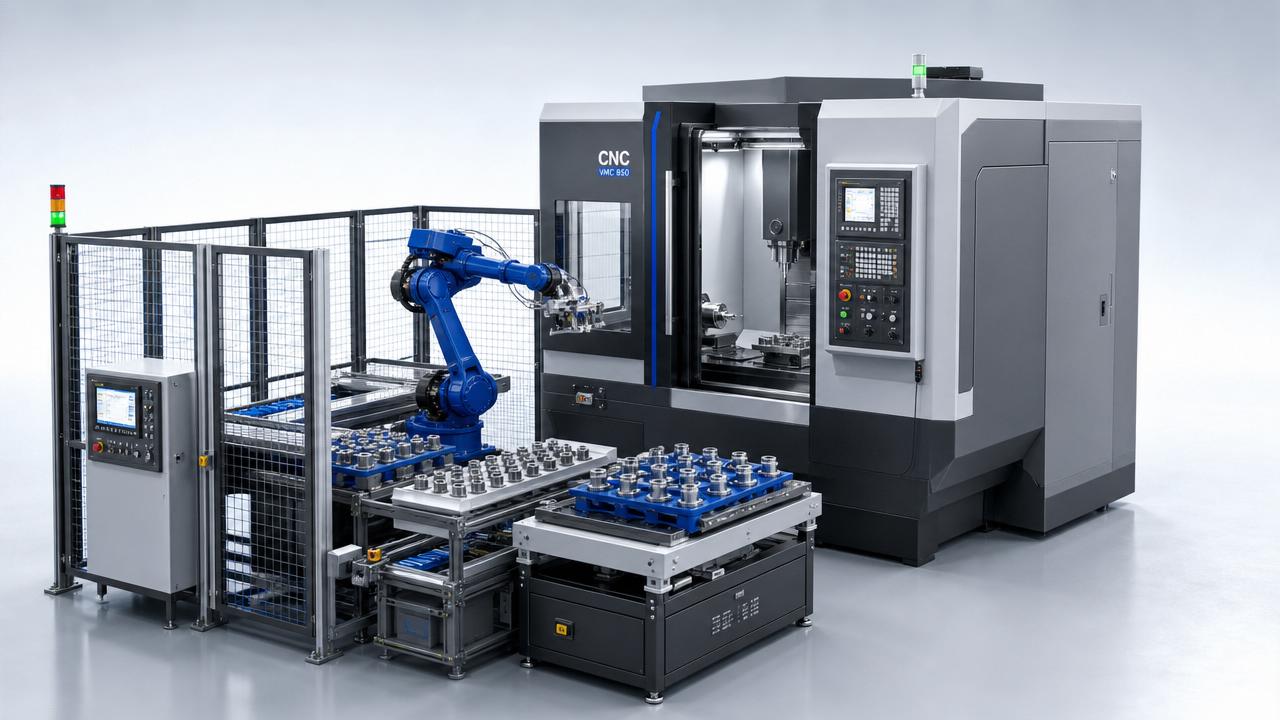
For small plants, the real question is not whether Industrial Robotics are impressive, but whether they create practical value. In precision manufacturing, every investment must support output, quality, and resilience.
As CNC machining, machine tools, and automated lines become more connected, Industrial Robotics now fit smaller production environments. The decision depends on ROI, downtime risk, labor pressure, and process stability.
This article answers the most common questions about Industrial Robotics for small plants. It focuses on cost, implementation, use cases, and how to judge whether automation truly pays back.
What counts as Industrial Robotics in a small plant?
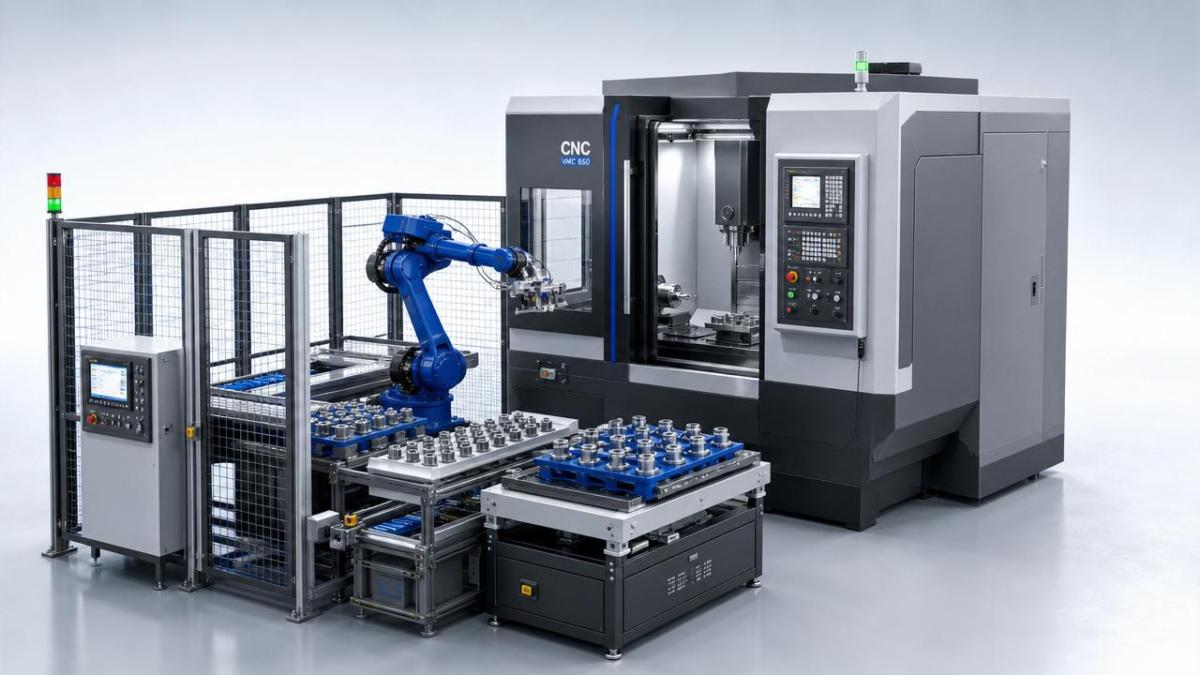
Industrial Robotics refers to programmable machines that handle repetitive, precise, or hazardous tasks. In small plants, this usually means compact robot arms, loading systems, and flexible automation cells.
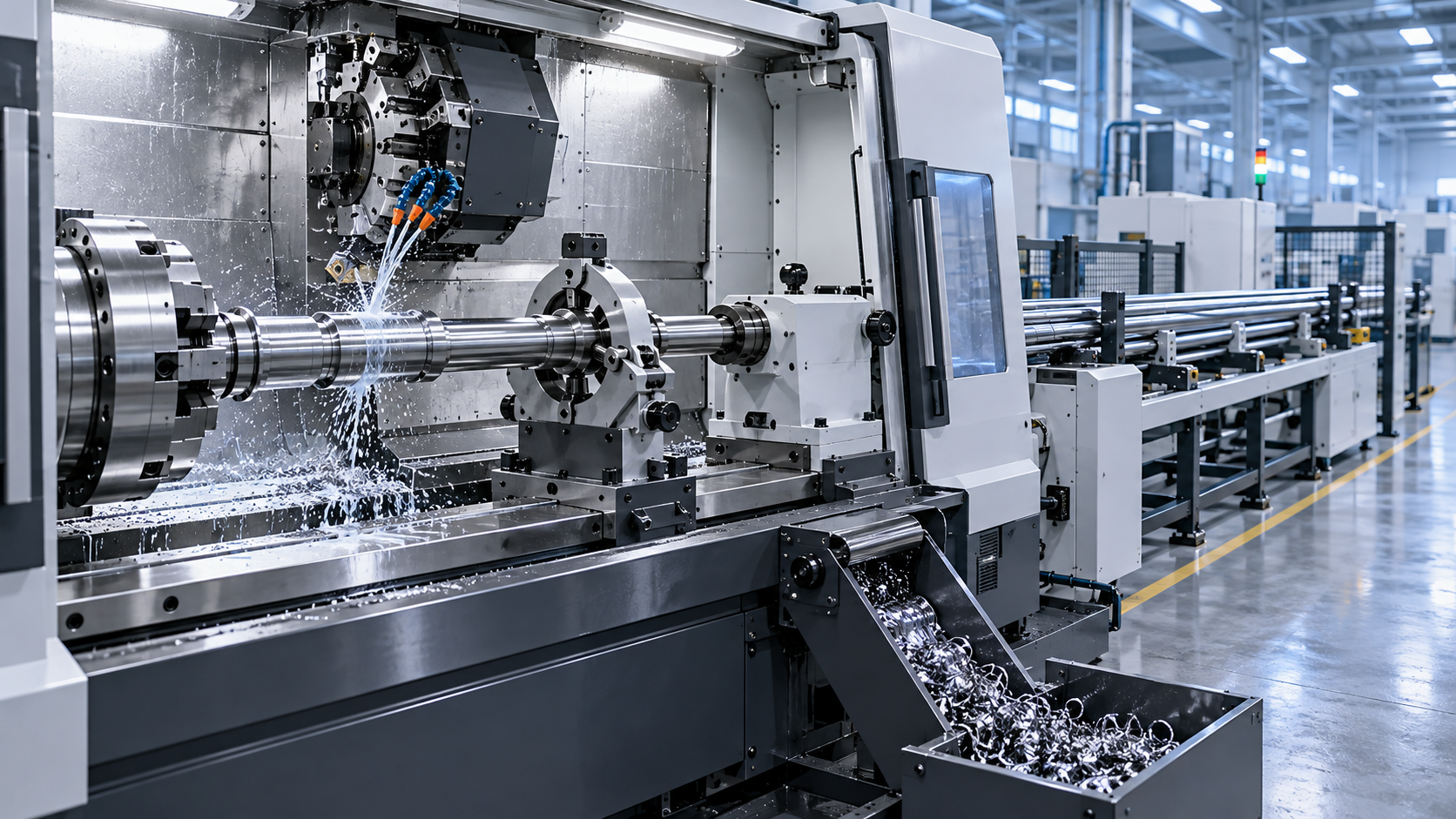
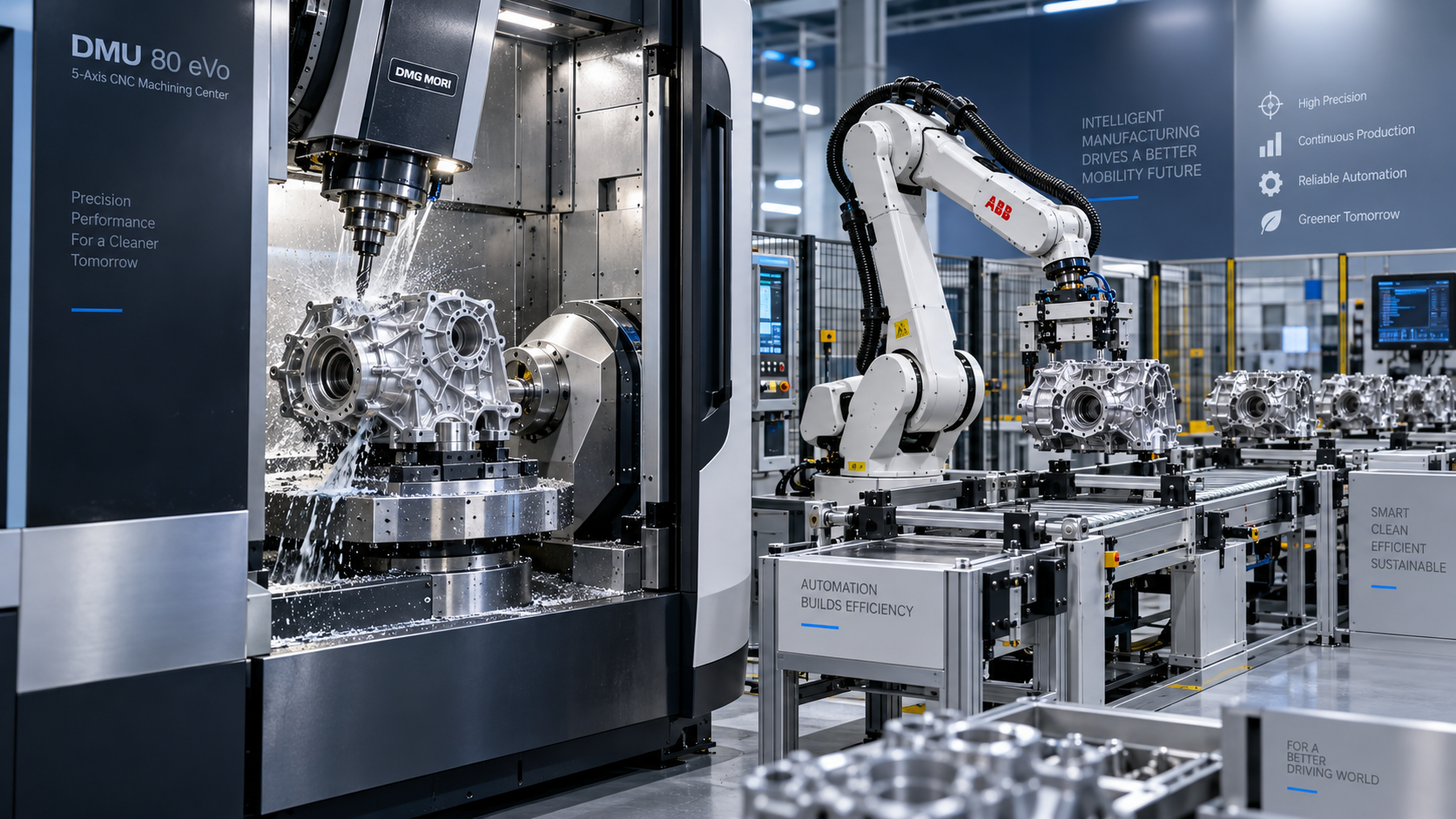
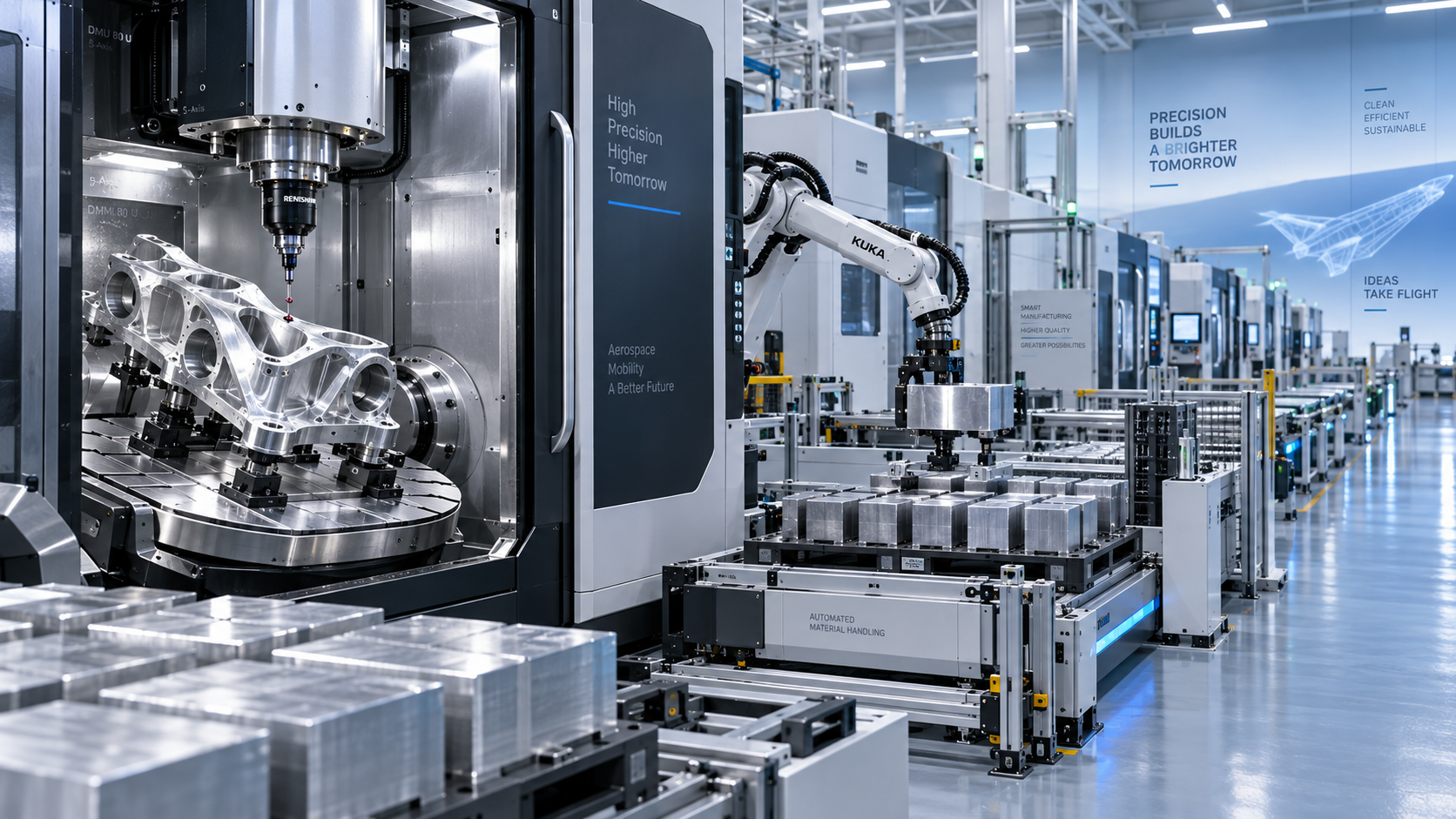
They are often used beside CNC lathes, machining centers, inspection stations, or packaging lines. Their value comes from consistency, speed, and the ability to run longer with less interruption.
Industrial Robotics does not always mean a fully automated factory. A single robot loading parts into one machine can already change labor allocation and reduce idle spindle time.
Typical small-plant applications include:
- CNC machine tending
- Part transfer between operations
- Automated deburring or polishing support
- Vision-guided inspection handling
- Palletizing and end-of-line packaging
For a mixed manufacturing environment, the strongest candidates are tasks with repeatable motion, stable cycle time, and measurable quality demands. These are usually easier to automate successfully.
Are Industrial Robotics worth the cost for low-volume or mixed production?
Yes, sometimes. The answer depends less on plant size and more on process structure. Small plants with frequent setups can still benefit if one repetitive bottleneck limits capacity.
A common mistake is assuming Industrial Robotics only works for high-volume production. Modern robots can switch programs quickly, handle varied part geometries, and support flexible manufacturing cells.
The stronger business case appears when one or more of these conditions exist:
- Machine utilization is low because operators must load, unload, and inspect manually.
- Quality losses come from inconsistent handling or fatigue.
- Labor turnover makes production planning unstable.
- Night shifts or unattended running would create extra output.
- Safety concerns increase insurance, downtime, or compliance costs.
In CNC environments, one robot often allows the machine tool to produce more without buying another machine. That can be cheaper than expanding floor space or adding another shift.
However, Industrial Robotics may not be worth the cost when part variation is extreme, fixtures are unstable, upstream processes are unreliable, or engineering support is missing.
How should cost be evaluated beyond the purchase price?
The purchase price is only the visible part of the decision. Industrial Robotics should be evaluated through total cost of ownership and total operating benefit over several years.
Direct costs usually include the robot, gripper, safety enclosure, integration, programming, tooling changes, training, and maintenance. Power consumption is usually modest compared with labor and machine downtime.
Indirect costs may include process redesign, trial runs, spare parts, and temporary output loss during installation. These costs matter because poor planning can delay payback.
Benefits should also be broader than labor replacement. Industrial Robotics can improve spindle uptime, scrap rates, takt consistency, delivery reliability, and traceable quality performance.
A useful evaluation model includes:
- Labor hours reduced or reassigned
- Extra machine utilization gained
- Scrap and rework reduction
- Downtime avoided through steadier flow
- Safety incident reduction
- Revenue gained from more capacity
If a CNC cell sits idle ten minutes each hour, that hidden capacity loss can exceed the annual maintenance cost of Industrial Robotics. Small inefficiencies often create the largest payback opportunities.
Which tasks deliver the fastest ROI with Industrial Robotics?
The fastest ROI usually comes from stable, repetitive handling tasks around expensive equipment. In precision manufacturing, machine tending is often the first and best use case.
Why? Because the robot cost is offset by higher machine uptime. When a machining center or CNC lathe keeps cutting instead of waiting for loading, value increases quickly.
High-return use cases often include:
- Loading and unloading finished blanks or parts
- Sorting parts for secondary operations
- Handling hot, oily, or sharp components
- Transferring parts to measurement stations
- Simple palletizing after machining or assembly
Lower-return projects often involve highly variable parts, weak fixturing, or tasks needing frequent human judgment. In these cases, automation complexity grows faster than expected benefit.
A practical rule is simple: automate the constraint first. If one process slows the whole line, Industrial Robotics there will usually outperform automation in a non-bottleneck step.
What risks and misconceptions should be considered before investing?
One major misconception is that Industrial Robotics automatically solves process problems. In reality, robots amplify process quality. If inputs are unstable, automation may repeat errors faster.
Another misconception is that robotics always replaces people. In many small plants, the real benefit is reassigning labor to setup, inspection, programming, and higher-value work.
Key risks include poor integration, weak operator training, unrealistic cycle-time assumptions, and underestimating gripper or fixture design. These issues can turn a good concept into a slow payback project.
Before approval, check these points carefully:
- Part presentation is repeatable
- Machine interfaces are compatible
- Cycle time assumptions are tested
- Safety layout fits available floor space
- Maintenance support is available locally or remotely
- Program changes can be handled without deep specialist dependence
For global precision manufacturing, supply chain resilience also matters. Standard robot brands, proven components, and serviceable spare parts reduce lifecycle risk significantly.
How can a small plant decide if Industrial Robotics is the right next step?
Start with data, not assumptions. Measure cycle times, idle machine minutes, scrap rates, labor movement, changeover frequency, and order variability across one representative process.
Then compare three scenarios: continue manual production, add labor, or deploy Industrial Robotics. Include output, quality, downtime, and space use in the comparison.
A phased approach usually works best:
- Identify the most repetitive bottleneck.
- Run a simple technical feasibility review.
- Estimate ROI using real production data.
- Pilot one automation cell.
- Expand only after confirming utilization and payback.
This method reduces financial risk and creates internal experience. In many cases, one successful cell builds the foundation for broader digital manufacturing and smarter machine tool integration.
Quick FAQ comparison table
Decision guide for first adoption
Industrial Robotics is worth the cost for small plants when it targets a clear bottleneck, protects quality, and increases utilization of valuable equipment. The strongest projects are focused, measurable, and phased.
In the CNC machine tool industry, even one well-designed robot cell can improve throughput, consistency, and operational resilience. The key is not buying automation for image, but for verified economic impact.
The next step is practical: map one repetitive process, collect one month of data, and compare manual cost against an Industrial Robotics pilot. A disciplined small start often delivers the clearest answer.
PREVIOUS ARTICLE
Recommended for You
 Digital Manufacturing for Smart Factories: Connecting Legacy Machines to MESMachine Tool Industry Editorial Team
 How to Select a CNC Metal Lathe for Tight-Tolerance Shaft and Sleeve PartsCNC Machining Technology Center
 How to Select an Industrial Lathe for High-Volume Shaft ProductionMachine Tool Industry Editorial Team
 Selecting Machine Tools for Automotive Parts: Accuracy, Throughput, and AutomationMachine Tool Industry Editorial Team
 Industrial Machining: Selecting Processes for Tight-Tolerance Metal PartsCNC Machining Technology Center
 Manufacturing Technology Trends That Improve Throughput and Quality ControlManufacturing Market Research Center

Aris Katos
Future of Carbide Coatings
15+ years in precision manufacturing systems. Specialized in high-speed milling and aerospace grade alloy processing.
▶
Digital Manufacturing for Smart Factories: Connecting Legacy Machines to MESMachine Tool Industry Editorial Team▶
Selecting Machine Tools for Automotive Parts: Accuracy, Throughput, and AutomationMachine Tool Industry Editorial Team▶
Smart Manufacturing for Small Businesses: Where Automation Delivers the Fastest ROIMachine Tool Industry Editorial Team▶
How Smart Manufacturing Technology Improves OEE Across Industry 4.0 Production LinesMachine Tool Industry Editorial Team▶
How to Evaluate an Automation Line for Electronics Production Before InvestmentMachine Tool Industry Editorial Team
Mastering 5-Axis Workholding Strategies
Join our technical panel on Nov 15th to learn about reducing vibrations in thin-wall components.

Providing you with integrated sanding solutions
Before-sales and after-sales services
Comprehensive technical support