• Global CNC market projected to reach $128B by 2028 • New EU trade regulations for precision tooling components • Aerospace deman
NYSE: CNC +1.2%LME: STEEL -0.4%

CNC manufacturing manufacturer transparency: What ‘in-house grinding’ really means on spec sheets
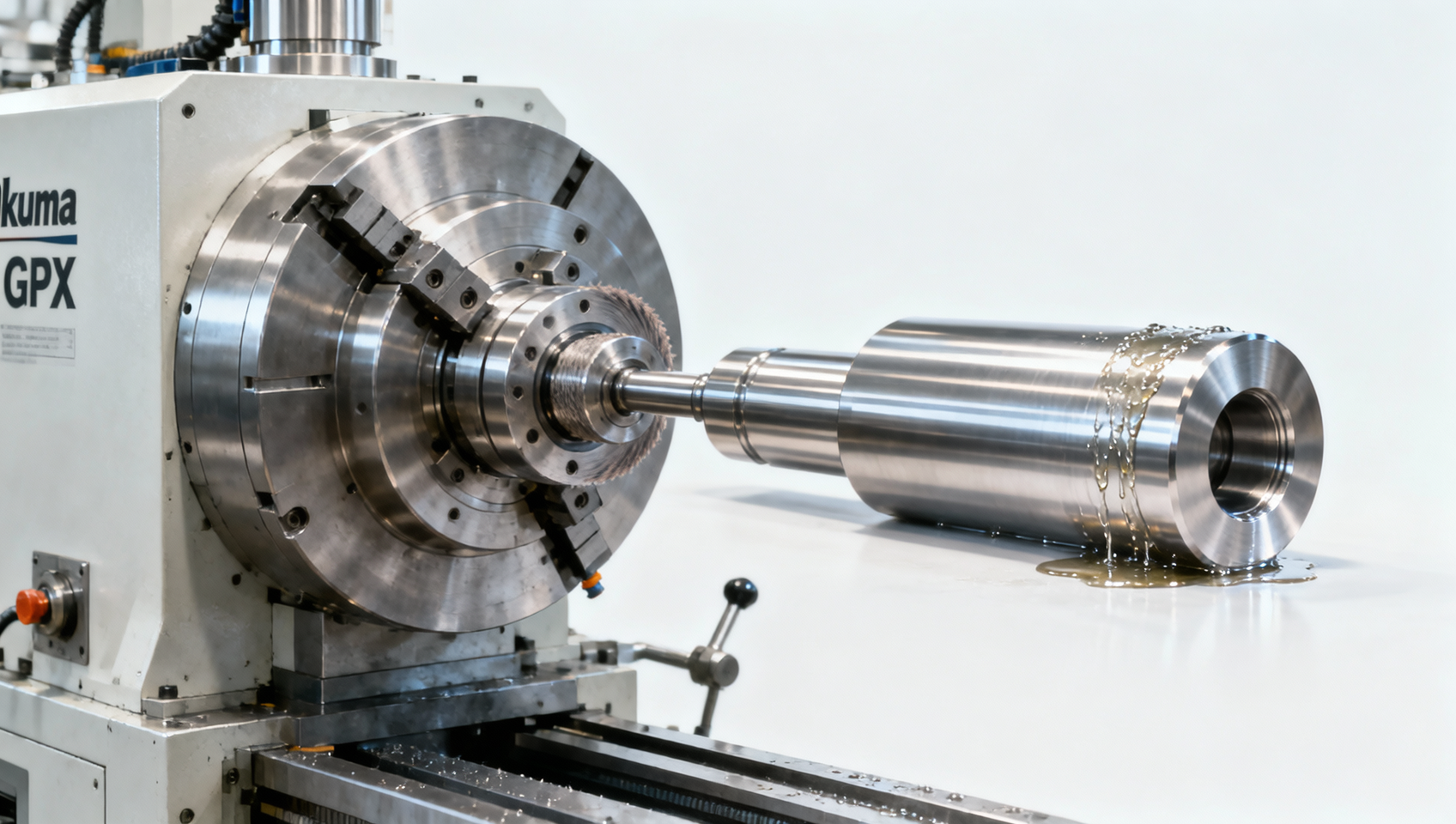
When a CNC manufacturing manufacturer claims 'in-house grinding' on spec sheets, it’s more than marketing—it signals true vertical integration, quality control, and process transparency. For procurement professionals and decision-makers seeking cost-effective CNC manufacturing, high-precision CNC manufacturing, or CNC manufacturing for aerospace and energy equipment, this capability directly impacts lead time, tolerance consistency, and long-term reliability. Whether you're evaluating a CNC manufacturing factory, wholesaler, or exporter—or comparing compact machine tool solutions for medical devices or electronics—understanding what ‘in-house’ really means helps avoid hidden dependencies, delays, and quality gaps in automated CNC manufacturing.
What “In-House Grinding” Actually Means—Beyond the Spec Sheet
“In-house grinding” is frequently listed on technical datasheets and capability brochures—but its definition varies widely across suppliers. At minimum, it implies that surface finishing, dimensional refinement, and geometric correction (e.g., cylindrical, surface, or creep-feed grinding) occur within the same facility where CNC turning or milling takes place. However, true in-house grinding requires dedicated infrastructure: ISO Class 7–8 clean grinding cells, temperature-stabilized environments (±0.5°C), CMM-certified metrology labs, and cross-trained technicians certified to ISO 9001:2015 and AS9100D for aerospace-grade work.
Critically, less than 32% of global CNC job shops with grinding capability maintain full ownership of their grinding assets—many outsource secondary operations to third-party subcontractors without disclosing this in quotations. This creates latency risks: typical external grinding turnaround adds 7–15 business days, with ±0.005 mm tolerance drift across batches due to inconsistent setup protocols.
For mission-critical applications—such as turbine blade root profiles (aerospace), stator housings (energy), or implant-grade titanium spacers (medical)—grinding isn’t a finishing step; it’s a deterministic tolerance closure process. That demands full traceability from raw bar stock to final inspection report, including wheel wear logs, coolant filtration records, and thermal drift compensation data—all generated under one roof.
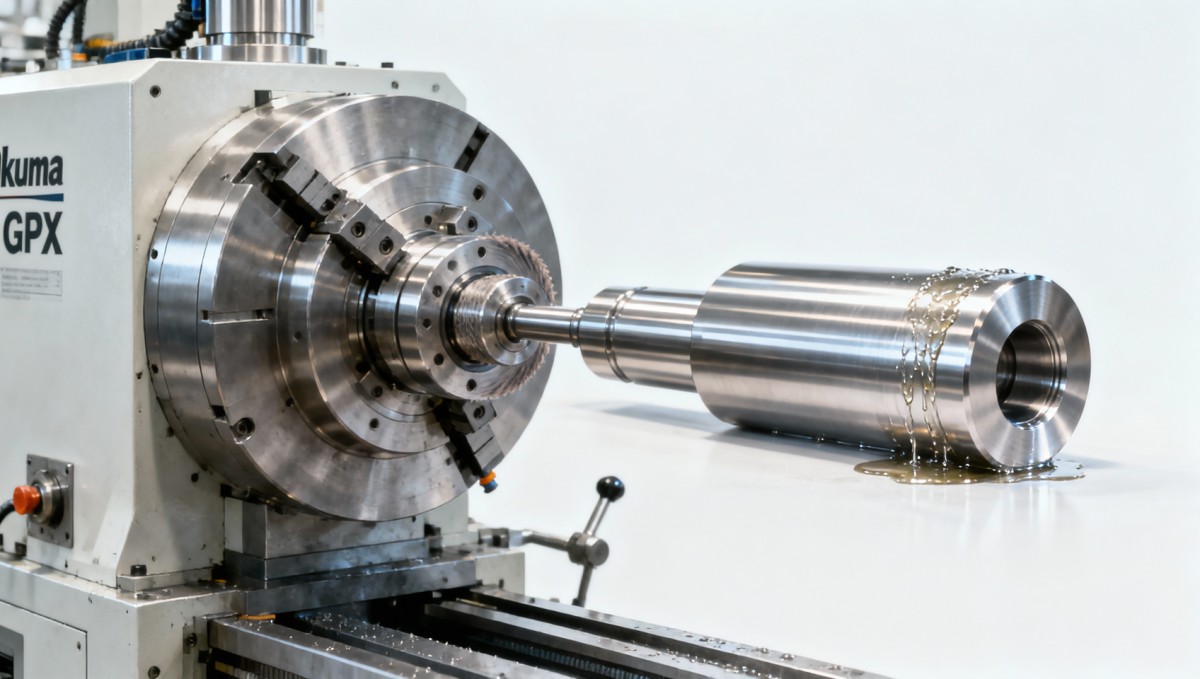
The table above highlights why procurement teams must verify—not assume—what “in-house” entails. A supplier claiming in-house grinding but lacking wheel life tracking or part-level parameter logging cannot guarantee repeatable Ra ≤ 0.4 µm finishes required for hydraulic valve seats or gear mesh surfaces.
Why Vertical Integration Matters Across Critical Industries
In aerospace, grinding defines airworthiness: landing gear shafts require roundness ≤ 0.002 mm and hardness uniformity across 1,200 mm lengths. Energy sector components—like nuclear reactor control rod drives—demand surface integrity verified via white-etch layer (WEL) analysis, only possible when grinding and metallurgical testing reside under one QA system.
Electronics and medical device manufacturers face tighter constraints: microfluidic manifolds need ±0.001 mm flatness over 50 × 50 mm areas, achievable only with granite-bed surface grinders operating at 20°C ± 0.3°C ambient control. Without in-house environmental management, thermal expansion alone introduces ±0.003 mm error—beyond functional limits.
Procurement professionals evaluating suppliers for these sectors should prioritize facilities with documented environmental compliance (ISO 14644-1 Class 7 or better), integrated ERP-MES grinding workflows, and multi-axis CMM validation against NIST-traceable standards. Less than 18% of Asian-based CNC exporters meet all three criteria—making due diligence essential before RFQ submission.
Key Verification Steps During Supplier Assessment
- Request proof of grinding machine ownership (purchase invoices or lease agreements dated ≥3 years prior)
- Ask for sample grinding reports showing wheel dressing cycles, coolant pH logs, and post-grind CMM scans for identical parts across 3 consecutive lots
- Verify if grinding personnel hold certifications in GD&T (ASME Y14.5–2018) and surface metrology (ISO 25178–601)
- Confirm whether grinding occurs in the same physical building as CNC machining—not just the same corporate entity
How to Evaluate Grinding Capability Without On-Site Audits
Remote evaluation is increasingly common—and effective—when guided by objective criteria. Start by requesting the supplier’s grinding process FMEA (Failure Mode and Effects Analysis). A robust document will identify ≥7 failure modes (e.g., wheel glazing, chatter marks, thermal cracking), assign severity/occurrence/detection scores, and list controls like real-time vibration monitoring or automatic coolant conductivity checks.
Next, ask for actual measurement data—not just pass/fail results. For example: “Provide CMM output for 10 random units of P/N ABC-772 after grinding, including X/Y/Z deviation maps and surface texture (Sa, Sq) values.” Suppliers with genuine in-house capacity can deliver this in <48 hours. Those relying on subcontractors often take 5–7 business days—or decline outright.
Also examine delivery consistency: request on-time-in-full (OTIF) metrics specifically for ground parts over the last 6 months. Industry benchmark is ≥94.5%; top-tier integrators achieve ≥98.2%. Any gap >3% warrants investigation into outsourcing patterns or capacity bottlenecks.
These quantifiable benchmarks separate performant grinding operations from those merely adding a line item to a spec sheet. They also form the basis for contractual SLAs—ensuring accountability beyond marketing language.
Strategic Procurement Recommendations
For buyers managing high-mix, low-volume production (e.g., prototyping for defense contractors), prioritize suppliers offering “grinding-as-a-service” with fixed-rate per-part pricing—including metrology and documentation. This avoids minimum order quantity (MOQ) penalties and ensures access to certified processes without capital investment.
For high-volume OEMs (e.g., automotive transmission component suppliers), negotiate grinding capacity reservations—guaranteeing ≥85% machine uptime during peak seasons. Top-tier partners allocate dedicated grinder shifts with scheduled preventive maintenance windows, reducing unplanned downtime from industry-average 11.3% to ≤3.7%.
Finally, always align grinding specs with functional requirements—not just dimensional callouts. A shaft requiring dynamic balance at 12,000 RPM needs surface integrity verification (not just Ra), while a heat exchanger plate demands micro-porosity mapping. Demand evidence—not assumptions—that the grinding process delivers the needed functional outcome.
FAQ: Key Questions Buyers Should Ask
Q: How many grinding machines should a qualified supplier own for mid-size CNC operations?
A: Minimum of 3 dedicated grinders (1 cylindrical, 1 surface, 1 tool & cutter) for facilities handling ≥200 CNC SKUs annually. Fewer units indicate shared-line dependency.
Q: What’s the typical lead time difference between fully in-house vs. outsourced grinding for complex aerospace parts?
A: In-house: 4–6 days; outsourced: 14–28 days—plus 2–3 days for logistics and re-inspection. Total delta: 12–25 days per order.
Q: Can grinding be truly “in-house” if performed in a separate building on the same campus?
A: Yes—if environmental controls, metrology, and QA reporting are unified. But verify inter-building transport protocols: parts moved via non-climate-controlled carts introduce thermal shock risks exceeding ±0.004 mm.
Transparency in grinding capability isn’t optional—it’s foundational to precision, repeatability, and supply chain resilience. When selecting a CNC manufacturing partner, treat “in-house grinding” not as a checkbox, but as a measurable, auditable, and contractually enforceable capability.
To validate your current supplier’s grinding claims—or explore fully integrated CNC manufacturing solutions with certified in-house grinding capacity—contact our technical procurement team for a free capability assessment and process audit checklist.
Recommended for You
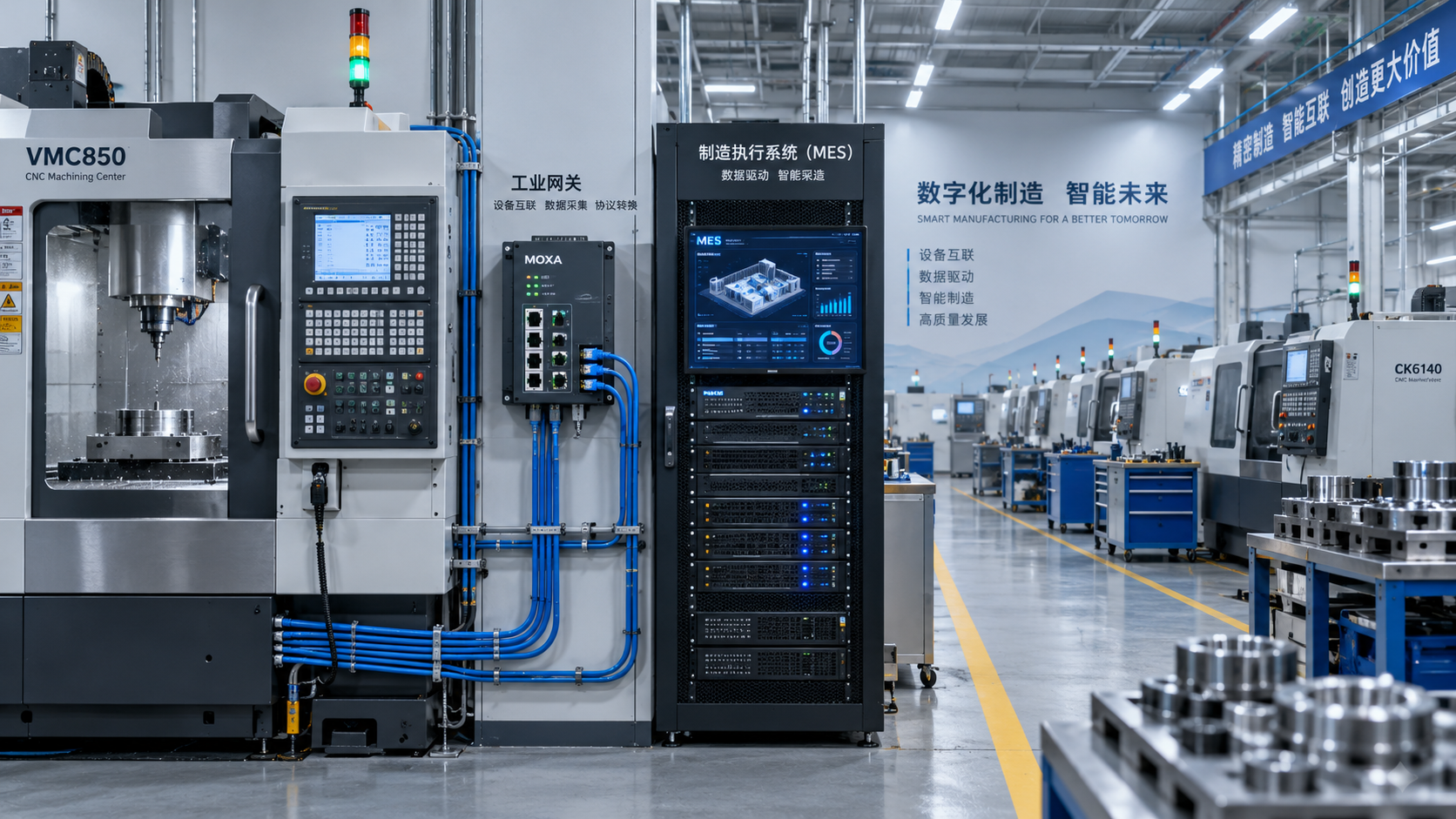
 Digital Manufacturing for Smart Factories: Connecting Legacy Machines to MESMachine Tool Industry Editorial Team
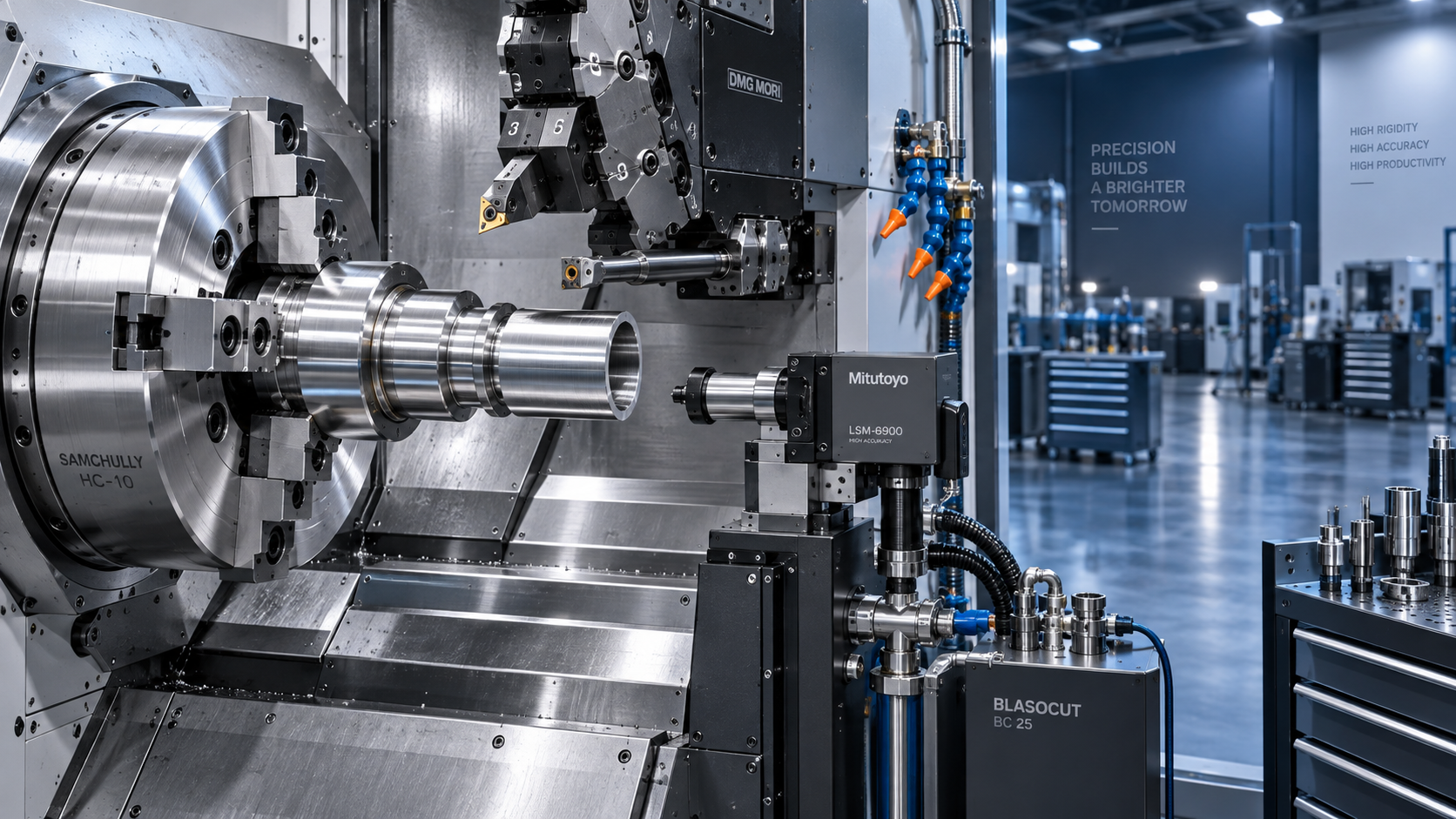
 How to Select a CNC Metal Lathe for Tight-Tolerance Shaft and Sleeve PartsCNC Machining Technology Center
 How to Select an Industrial Lathe for High-Volume Shaft ProductionMachine Tool Industry Editorial Team
 Selecting Machine Tools for Automotive Parts: Accuracy, Throughput, and AutomationMachine Tool Industry Editorial Team
 Industrial Machining: Selecting Processes for Tight-Tolerance Metal PartsCNC Machining Technology Center
 Manufacturing Technology Trends That Improve Throughput and Quality ControlManufacturing Market Research Center

Aris Katos
Future of Carbide Coatings
15+ years in precision manufacturing systems. Specialized in high-speed milling and aerospace grade alloy processing.
▶
Is CNC Machining Hub Better Than Local Shops for Prototyping?Machine Tool Industry Editorial Team▶
German Hydraulic Parts Plant Sale Signals Local Supply ShiftMachine Tool Industry Editorial Team▶
How to Evaluate a Machine Tool Factory: 7 Checks Before Requesting a QuoteMachine Tool Industry Editorial Team▶
Shenwei CNC Dual-Spindle Transfer Machine Passes TÜV Rheinland Production-Line Integration CertificationMachine Tool Industry Editorial Team▶
Delta NC5 Series Gains TÜV SIL3 Certification, Enters BMW Production ValidationMachine Tool Industry Editorial Team
Mastering 5-Axis Workholding Strategies
Join our technical panel on Nov 15th to learn about reducing vibrations in thin-wall components.

Providing you with integrated sanding solutions
Before-sales and after-sales services
Comprehensive technical support