• Global CNC market projected to reach $128B by 2028 • New EU trade regulations for precision tooling components • Aerospace deman
NYSE: CNC +1.2%LME: STEEL -0.4%

Industrial lathe selection gets harder as part complexity rises
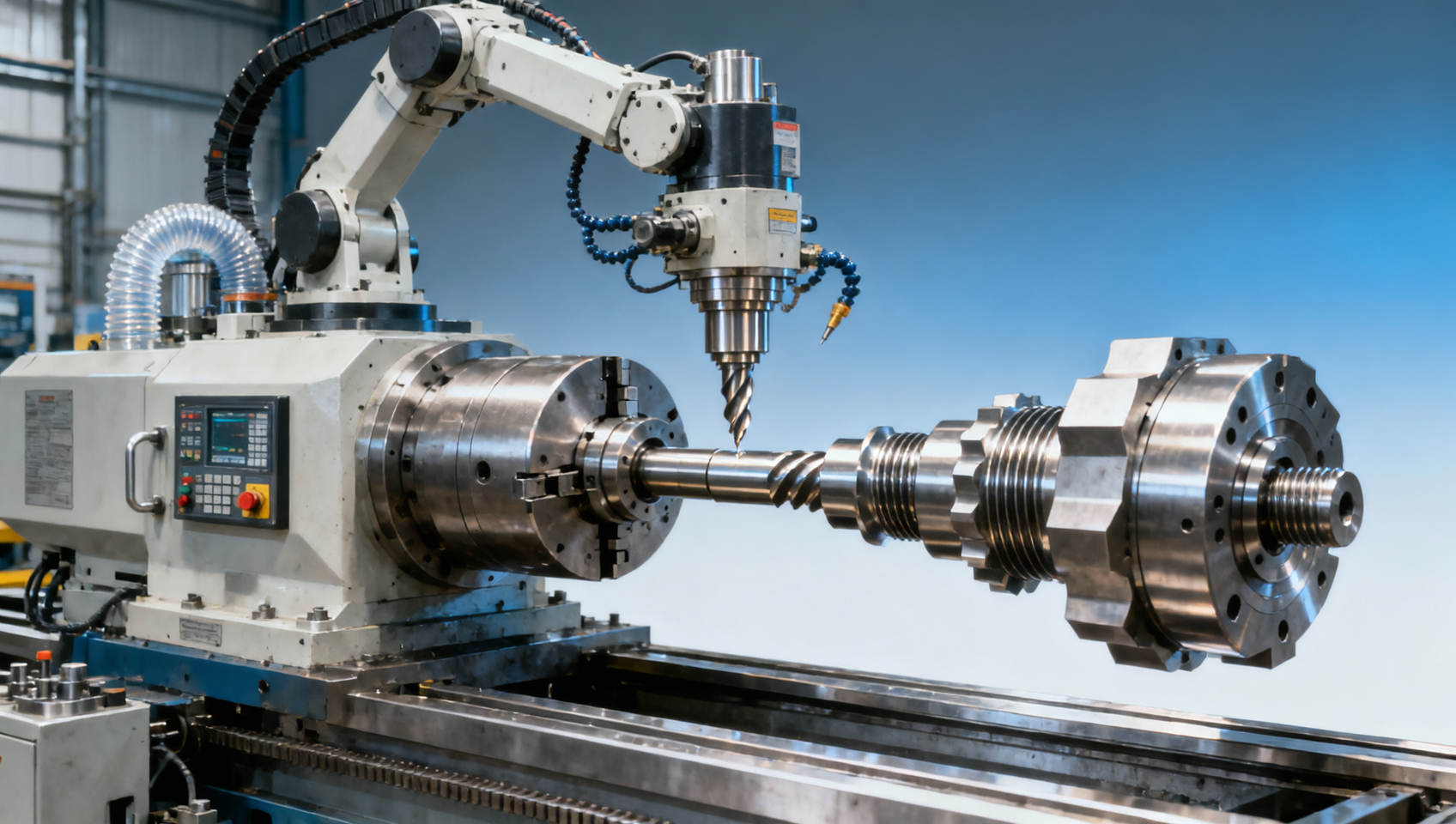
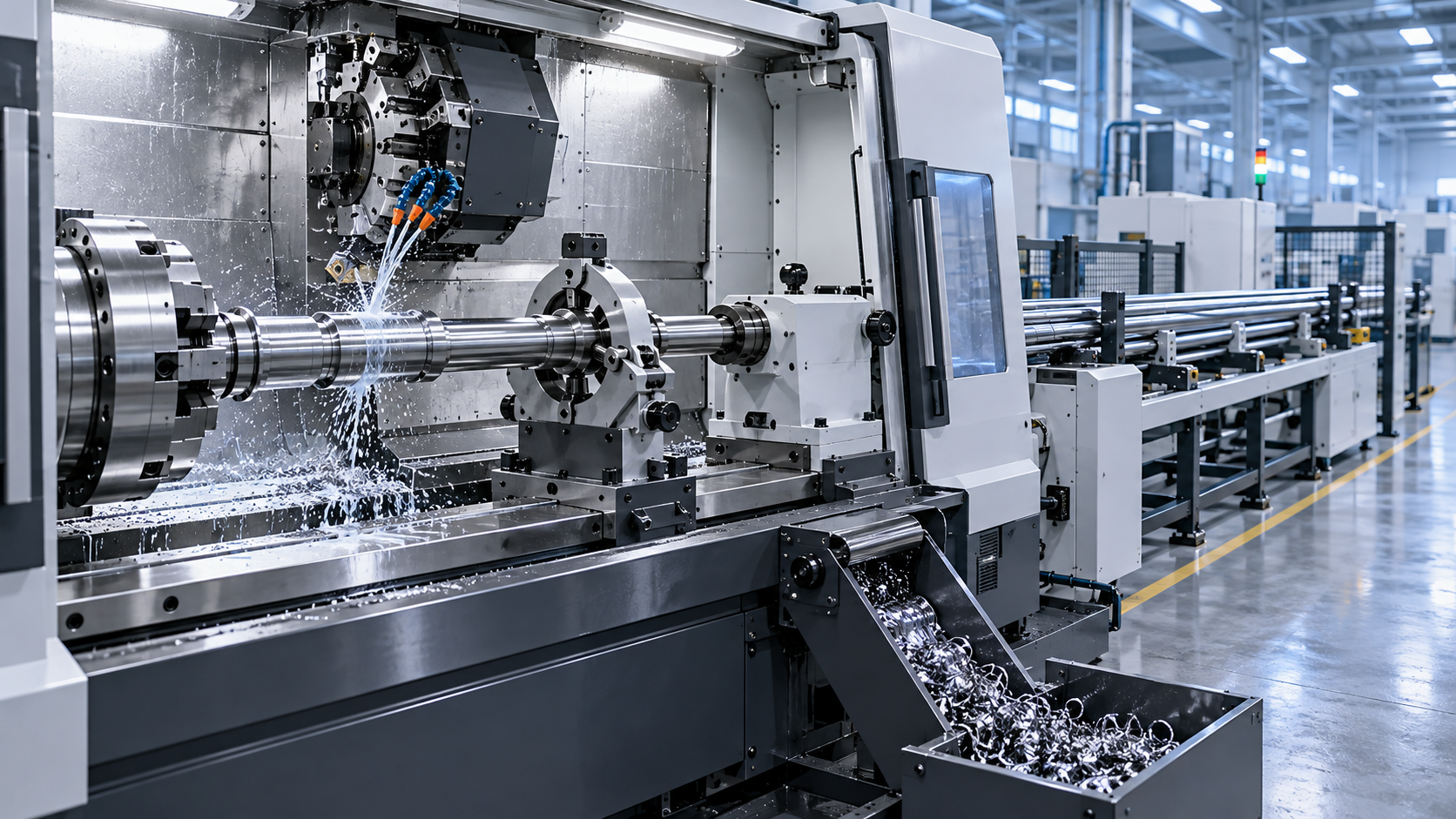
As part geometries grow more demanding, choosing the right industrial lathe is no longer a simple equipment decision. From metal machining and CNC metalworking to automated production and Industrial Automation, manufacturers must balance precision, flexibility, and cost across every production process. This article explores how industrial CNC systems, automated lathe solutions, and evolving Machine Tool Market trends are reshaping selection criteria for modern Global Manufacturing.
For researchers, operators, buyers, and business decision-makers, lathe selection now sits at the intersection of engineering capability and investment control. A machine that performs well on standard shafts may struggle with thin-wall parts, interrupted cuts, tight concentricity, or multi-operation cycle consolidation. As a result, selection criteria must extend beyond spindle speed and swing diameter to include automation compatibility, thermal stability, software integration, and long-term serviceability.
In sectors such as automotive, aerospace, energy equipment, and electronics manufacturing, production targets often require repeatability within microns, cycle-time reductions of 10%–30%, and fast changeovers across small-batch and medium-volume orders. That shift is making the industrial lathe a strategic production asset rather than a standalone cutting platform.
Why part complexity changes industrial lathe selection
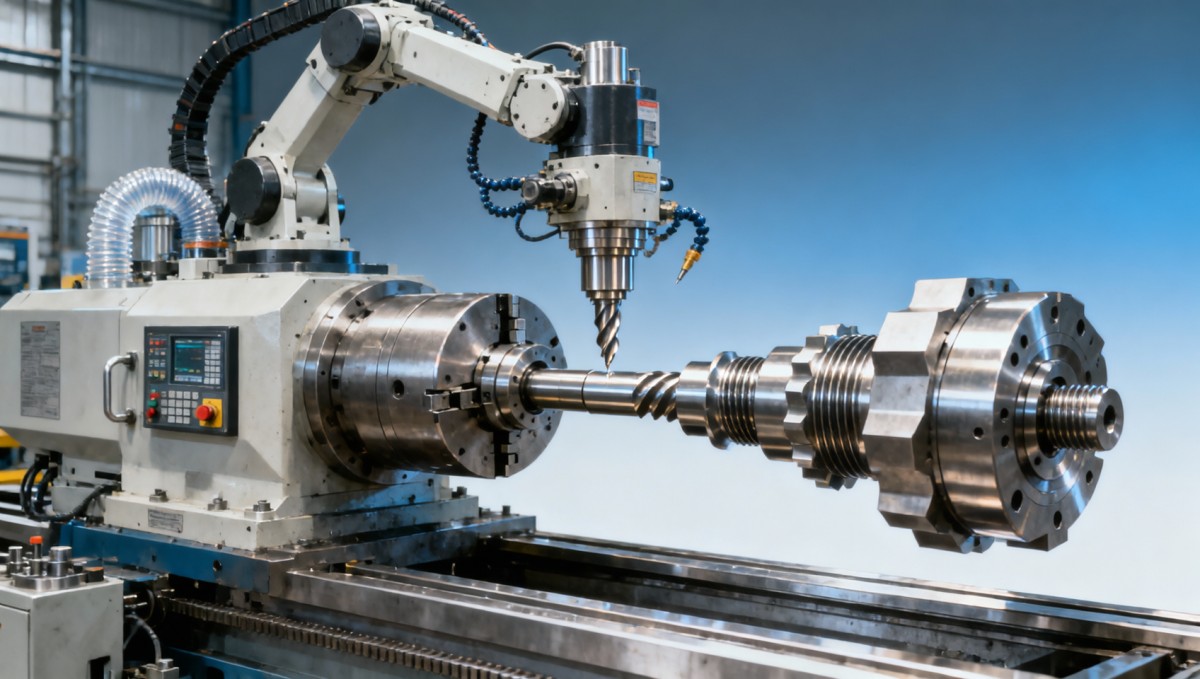
Part complexity is no longer defined only by contour shape. In practical production, it usually includes tolerance stacking, material difficulty, surface finish requirements, secondary operation reduction, and the need to machine multiple features in one setup. A shaft with stepped diameters, threads, grooves, off-center features, and fine finish requirements places very different demands on an industrial lathe than a simple turning job.
As complexity rises, the cost of misselection rises as well. A buyer may choose a lower-cost CNC lathe with sufficient spindle power, only to discover that turret rigidity, servo response, or tooling capacity limits cycle stability. In many workshops, a 5% machine price saving can be offset within 6–12 months by scrap, overtime, re-fixturing, and slower setup. This is especially true when part tolerances tighten to ±0.01 mm or below.
Operators also feel the impact directly. Complex components often require synchronized axes, live tooling, Y-axis capability, sub-spindle transfer, or in-process measurement. Without these features, a production team may need 2 or 3 separate machines to complete one part family. That adds handling risk, queue time, and alignment error, which directly affects throughput and quality consistency.
From a machine tool market perspective, manufacturers are increasingly asking whether a lathe can support product mix changes over the next 3–5 years. A machine selected only for current drawings may become a bottleneck when customers demand shorter lead times, lower batch sizes, or more integrated machining. Flexibility is now a measurable purchasing factor, not just a preference.
The most common complexity drivers
Selection becomes harder when parts combine several manufacturing challenges at once. The table below outlines how common complexity drivers influence machine requirements in industrial CNC environments.
The key takeaway is that complexity should be translated into machine behavior, not just machine size. The right selection process starts by mapping part risks to specific machine functions, then validating whether those functions support actual production volume and changeover frequency.
Questions decision-makers should ask early
- Will the machine complete at least 70%–90% of required features in one clamping?
- Does the part mix require changeovers more than 3 times per shift?
- Are target tolerances tighter than ±0.01 mm or surface roughness lower than Ra 1.6?
- Will automation, bar feeding, or robotic loading be added within 12–24 months?
Core machine specifications that matter in complex turning
When evaluating an industrial lathe for demanding parts, buyers should focus on how specifications affect process control under load. Spindle speed alone is not enough. Torque curve, bed structure, guideway type, turret indexing accuracy, and control response all influence whether the machine can hold performance over an 8-hour or 16-hour production window.
For example, a machine with a spindle motor in the 11 kW–22 kW range may be adequate for many steel and alloy applications, but heavy interrupted cuts may require stronger low-speed torque rather than a higher top rpm. Similarly, linear guide machines can provide rapid acceleration for shorter cycles, while box guide configurations may offer greater damping for heavy cuts and larger diameters. The right answer depends on part family, not on one universal rule.
Control architecture also matters. In modern CNC metalworking, processing efficiency often comes from interpolation quality, tool offset management, macros, and integration with tool monitoring or MES systems. If the control cannot support production data visibility, setup standardization, or remote diagnostics, the machine may create hidden management costs even if its cutting performance looks acceptable at purchase stage.
For operators, ergonomics and access are part of performance. Door opening space, chip evacuation, coolant management, and touch-friendly control interfaces affect setup time and consistency. A machine that saves 4 minutes per setup across 15 changeovers per week can recover significant labor value over one year.
Specification priorities by production need
The table below helps translate typical production goals into technical selection priorities. It is useful for procurement teams comparing several automated lathe solutions with similar price levels.
A strong selection process weighs these specifications against actual drawings, material types, and annual output. That is more reliable than comparing brochure figures in isolation. In many cases, 4 or 5 well-matched functions outperform a machine loaded with features that are rarely used.
A practical specification checklist
- Confirm maximum part diameter, length, and chucking method for at least the top 20 recurring parts.
- Review tolerance bands, especially any features under ±0.02 mm or requiring roundness control.
- Match spindle torque and toolholding rigidity to material groups such as stainless steel, alloy steel, or aluminum.
- Check communication capability for bar feeders, robots, probes, and plant software.
Automation, flexibility, and total production economics
In modern Global Manufacturing, the best industrial CNC investment is not always the cheapest machine or the most advanced one. The best fit is the lathe that produces the target part family at predictable cost per piece while remaining flexible enough for product variation. This is where automation and total production economics become central to selection.
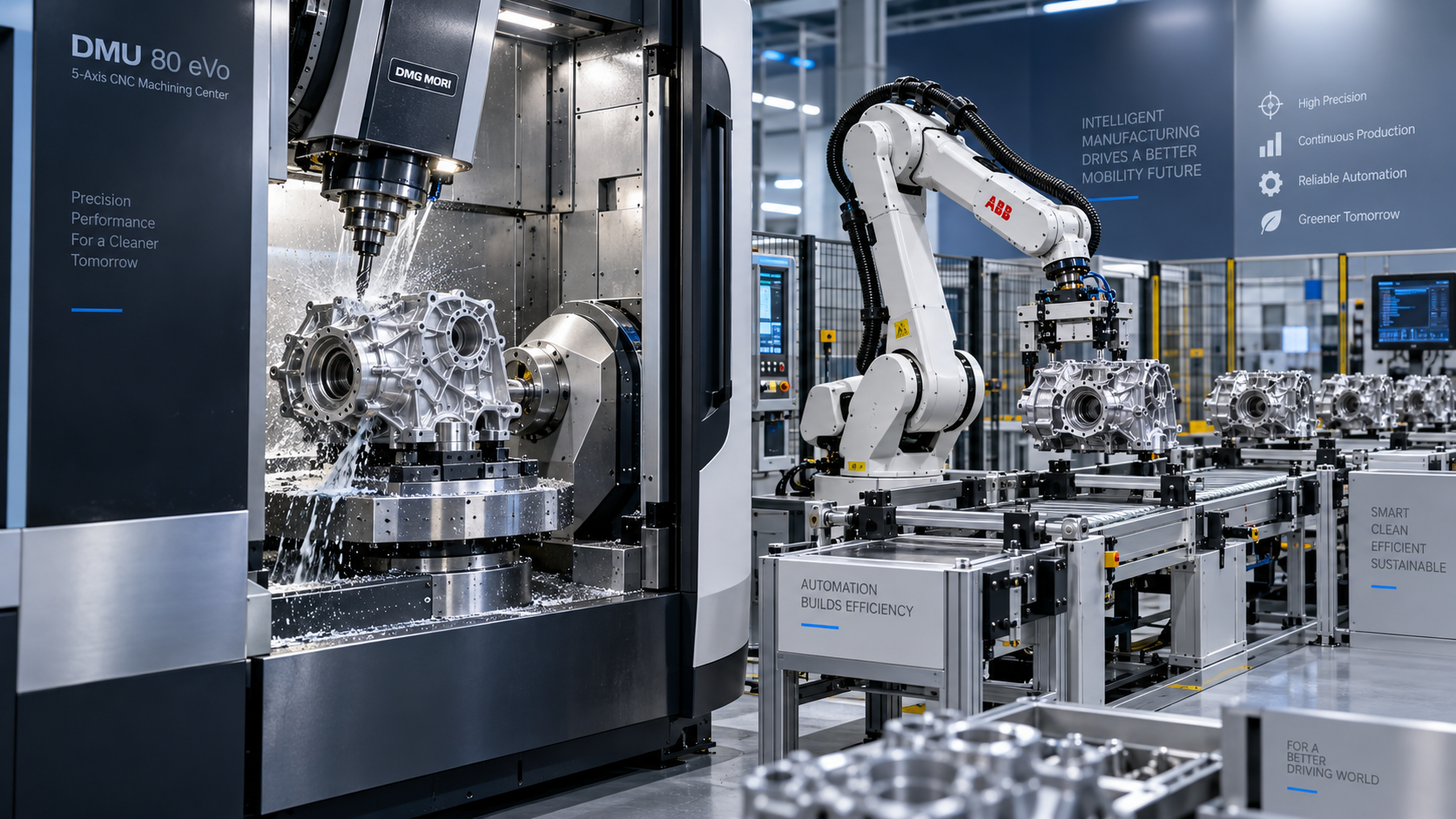
An automated lathe solution can reduce labor dependence, improve shift utilization, and stabilize takt time, but only if the machine structure supports unattended or lightly attended production. For example, a robotic loading cell is far more effective when the machine offers reliable part detection, stable chip evacuation, tool life monitoring, and alarm recovery logic. Without those features, automation adds complexity without delivering the expected return.
Buyers should calculate economics across at least 4 categories: capital cost, tooling and fixture cost, labor impact, and downtime risk. A machine that costs 15% more but reduces setup frequency, integrates secondary machining, and supports overnight running may generate stronger payback in 18–30 months than a lower-cost alternative that requires more manual intervention.
Flexibility is equally important. Many manufacturers now face order patterns that shift between batches of 20, 200, and 2,000 pieces. A lathe built only for high-volume repetition may perform poorly when SKU counts increase. In contrast, a machine with programmable tailstock, fast chuck change options, modular tooling, and standardized offsets can adapt more smoothly to mixed production schedules.
Comparing manual loading and automated production paths
The production model influences machine selection almost as much as part design. The comparison below highlights when automation changes the buying equation in the machine tool market.
The lesson is clear: automation should be selected as a production system, not as an accessory. Companies that define loading method, shift model, target OEE, and future part mix in advance usually make better lathe investments and avoid expensive retrofit work later.
Four economic indicators worth monitoring
- Setup time per part family, with a target reduction of 20% or more after machine change.
- Scrap rate during the first 50–100 pieces after changeover.
- Unattended running window, often measured in 30-minute to 180-minute blocks.
- Maintenance interruption frequency per month, especially for coolant, chip, and turret systems.
How buyers and operators should evaluate machine fit before purchase
A disciplined selection process reduces technical and commercial risk. Instead of requesting only a quotation, procurement teams should build a structured evaluation around drawings, materials, batch ranges, and future automation plans. In many CNC machine tool projects, the quality of the selection process determines long-term satisfaction more than the initial negotiation does.
One useful approach is to separate evaluation into 3 levels. First, confirm process fit: can the machine complete the required features, maintain tolerance, and support expected throughput? Second, confirm operational fit: can operators program, maintain, and change over the machine efficiently? Third, confirm business fit: do lead time, service response, spare parts availability, and expansion potential align with company goals over 24–60 months?
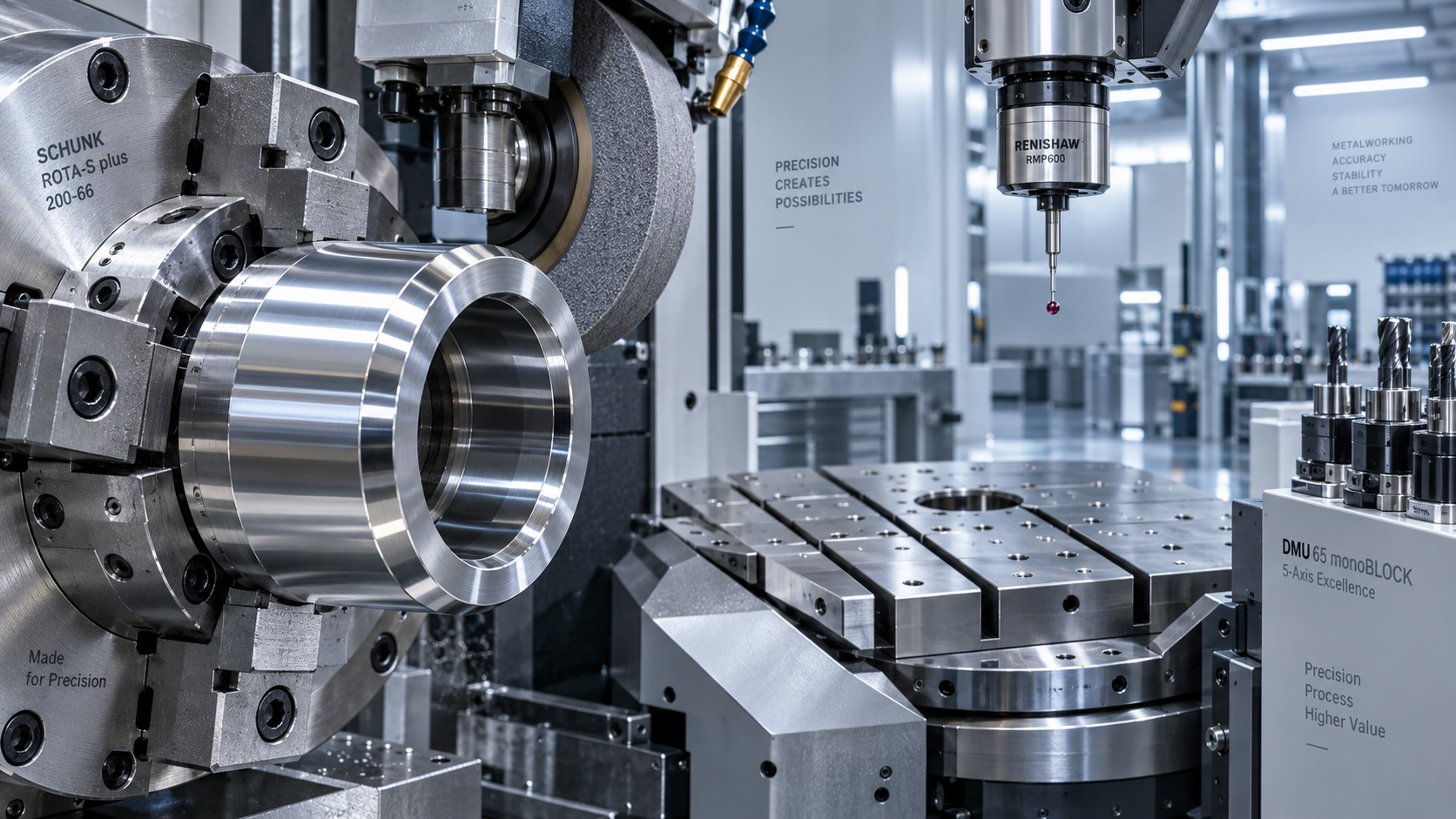
Trial cutting remains one of the strongest validation tools, especially for complex shafts, precision discs, and difficult materials. A good test should include at least 1 representative part, actual material grade, target tools, and measurable inspection results such as size variation, cycle time, and surface finish. If only simple demonstration parts are used, the result may not reflect real plant performance.
Service capability should not be treated as a minor item. Even high-performance industrial lathes require calibration, consumables, alignment checks, and occasional troubleshooting. For buyers operating across multiple shifts, a service response expectation of 24–72 hours and clear spare parts channels can be more important than a small discount at the purchase stage.
A pre-purchase evaluation workflow
The following workflow helps align technical teams, operators, and management before final machine selection.
- Collect 10–20 representative part drawings, including tolerance notes, material types, and expected annual quantities.
- Define critical process targets such as cycle time, surface finish, concentricity, and acceptable setup window.
- Compare 2–4 machine configurations, not just 2–4 suppliers, because configuration differences often drive real results.
- Request process proposals that include tooling, workholding, automation interface, and maintenance considerations.
- Validate through trial cutting, then review total production cost over 1 year, 3 years, and typical service intervals.
Common selection mistakes to avoid
Several mistakes appear repeatedly in the machine tool market. One is overspecifying spindle speed while ignoring low-speed torque and structural rigidity. Another is buying multi-axis capability without sufficient operator training or stable part demand. A third is underestimating the role of coolant filtration, chip handling, and fixture design in precision turning quality.
Another frequent issue is treating software and connectivity as optional. In increasingly digital factories, production traceability, preventive maintenance alerts, and process data visibility can influence machine utilization as much as hardware does. For companies planning smart manufacturing upgrades within 2–3 years, digital readiness should be part of the original equipment decision.
Future selection trends in the global machine tool market
Industrial lathe selection will continue to evolve as global manufacturing shifts toward higher precision, automation, and digital integration. In practical terms, that means buyers are increasingly looking for machines that combine stable cutting performance with data connectivity, remote support readiness, and compatibility with flexible production lines.
Across manufacturing hubs such as China, Germany, Japan, and South Korea, suppliers are responding to demand for shorter delivery cycles, modular configurations, and stronger international service networks. This matters because many buyers now compare not only machine performance, but also how quickly a supplier can deliver, install, train, and sustain operations. Depending on configuration complexity, practical lead times may range from 8–16 weeks for standard builds to 16–28 weeks for customized automation cells.
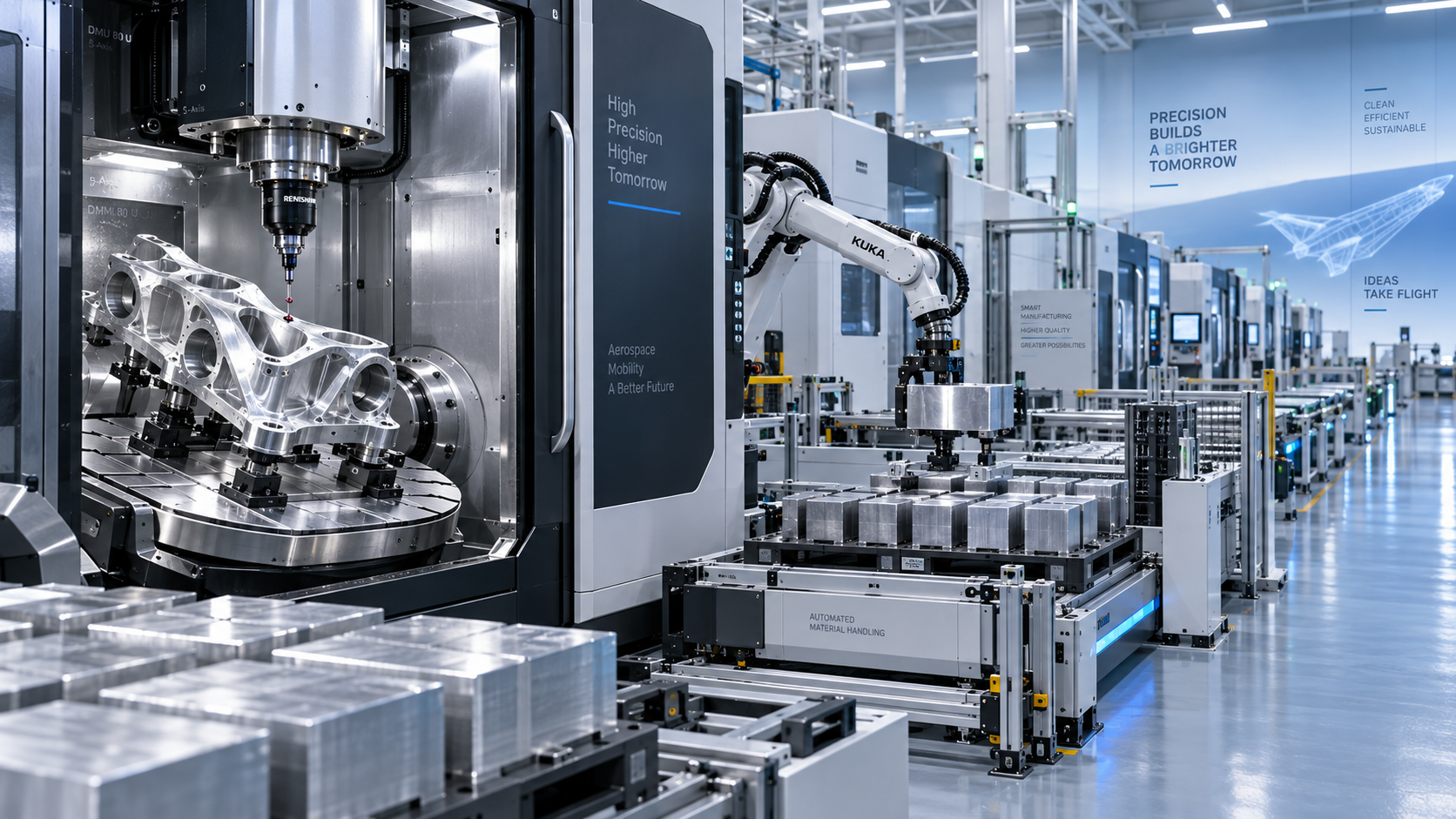
Another clear trend is the shift from isolated machine purchases to cell-level planning. More companies are evaluating the lathe as part of a wider system that includes tool management, robot handling, in-process inspection, and production data feedback. This broader view is especially relevant for enterprises under pressure to improve traceability, reduce labor dependency, and control cost per part across multiple product generations.
For end users, the implication is straightforward: future-ready selection means balancing present demand with upgrade path. A machine that meets today’s drawings but cannot support tomorrow’s automation, digital workflow, or quality documentation requirements may limit competitiveness sooner than expected.
FAQ: practical questions from buyers and production teams
How do I know if I need a Y-axis industrial lathe?
If your parts regularly include off-center holes, side milling, flats, or cross features that otherwise require a machining center or secondary setup, a Y-axis configuration is worth evaluating. The benefit is strongest when one setup can eliminate 1–2 downstream operations and reduce handling error.
What batch size justifies automation?
There is no single threshold, but automation often becomes attractive when the same part or family runs repeatedly, labor availability is tight, or the machine is expected to operate across 2 shifts or more. Even medium volumes can justify a bar feeder or robot if setup stability and unattended runtime are achievable.
How important is trial cutting before purchase?
It is highly important for complex or high-value parts. A proper trial should measure cycle time, repeatability, finish, and ease of setup using real material and realistic tooling. This is one of the best ways to uncover hidden limitations before capital is committed.
What should procurement prioritize beyond machine price?
Focus on application fit, service response, spare parts access, automation compatibility, and training support. Over a 3-year to 5-year equipment life phase, these factors often have a larger effect on total production economics than the initial purchase price alone.
As industrial parts become more sophisticated, the right lathe selection depends on process capability, flexibility, automation readiness, and reliable lifecycle support. Companies that evaluate equipment against real part complexity, measurable production targets, and future factory plans are better positioned to improve quality, control cost, and scale output with confidence.
If you are comparing industrial CNC solutions, planning an automated lathe project, or reviewing machine tool options for complex part production, now is the right time to build a more structured selection framework. Contact us to discuss your application, get a tailored solution, and explore machine configurations that match your production goals.
Recommended for You
 Digital Manufacturing for Smart Factories: Connecting Legacy Machines to MESMachine Tool Industry Editorial Team
 How to Select a CNC Metal Lathe for Tight-Tolerance Shaft and Sleeve PartsCNC Machining Technology Center
 How to Select an Industrial Lathe for High-Volume Shaft ProductionMachine Tool Industry Editorial Team
 Selecting Machine Tools for Automotive Parts: Accuracy, Throughput, and AutomationMachine Tool Industry Editorial Team
 Industrial Machining: Selecting Processes for Tight-Tolerance Metal PartsCNC Machining Technology Center
 Manufacturing Technology Trends That Improve Throughput and Quality ControlManufacturing Market Research Center

Aris Katos
Future of Carbide Coatings
15+ years in precision manufacturing systems. Specialized in high-speed milling and aerospace grade alloy processing.
▶
How to Select a Machine Tool for Aerospace Parts with Tight Tolerances?Machine Tool Industry Editorial Team▶
How to Compare Machine Tools for Small-Batch vs Mass Production JobsMachine Tool Industry Editorial Team▶
Multi-Axis Machine Tool Selection Guide: Travel, Spindle, Accuracy, and Control SystemMachine Tool Industry Editorial Team▶
How to Evaluate Precision Equipment for Tight-Tolerance Parts and Stable OutputMachine Tool Industry Editorial Team▶
KATS Tightens CNC Grinder Import Test RulesMachine Tool Industry Editorial Team
Mastering 5-Axis Workholding Strategies
Join our technical panel on Nov 15th to learn about reducing vibrations in thin-wall components.

Providing you with integrated sanding solutions
Before-sales and after-sales services
Comprehensive technical support