• Global CNC market projected to reach $128B by 2028 • New EU trade regulations for precision tooling components • Aerospace deman
NYSE: CNC +1.2%LME: STEEL -0.4%

Cost-effective CNC manufacturing: How batch size shifts the break-even point for automation
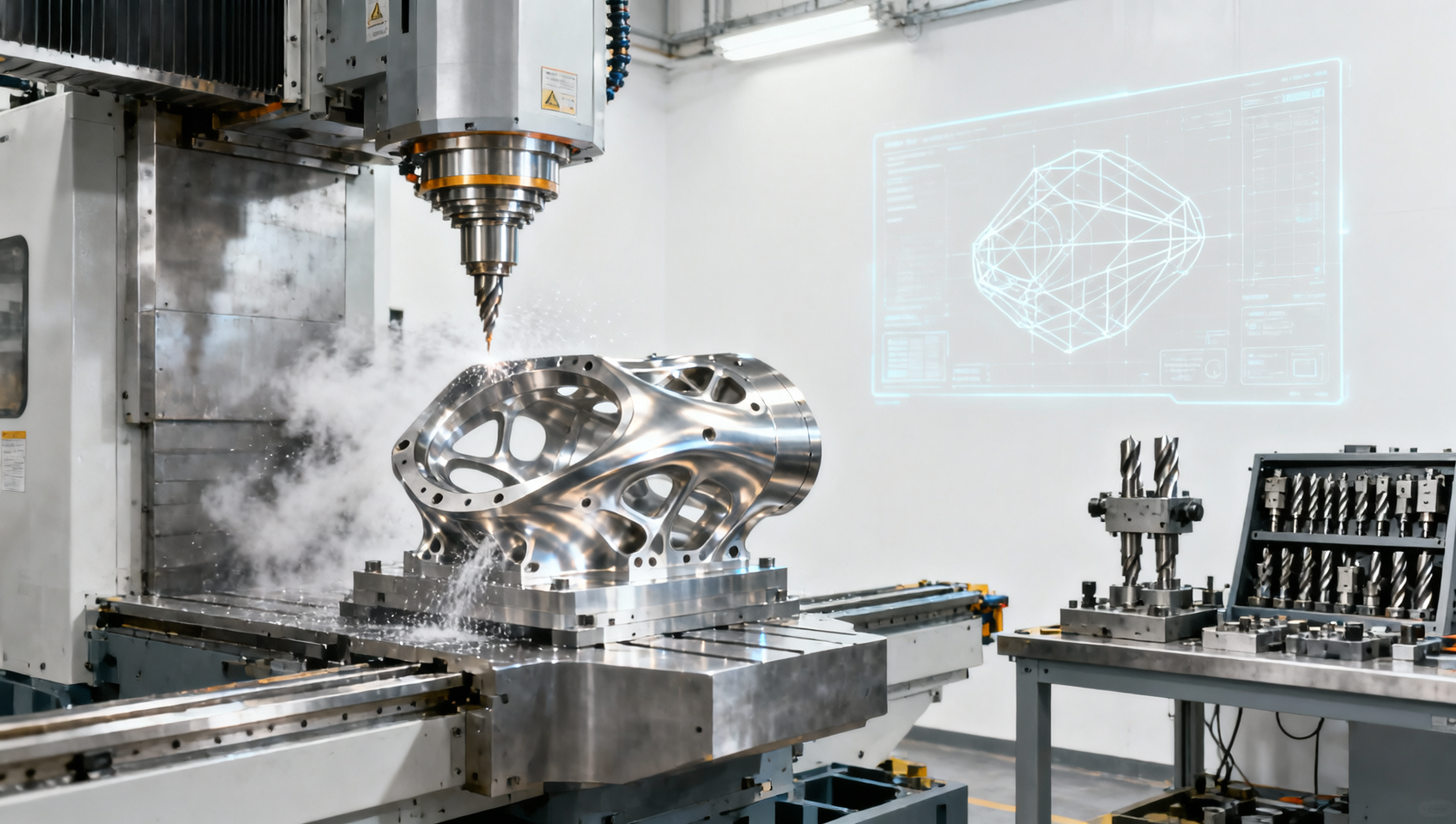
In cost-effective CNC manufacturing, batch size is the silent game-changer—shifting the break-even point for automation investment. Whether you're a procurement professional sourcing from a CNC manufacturing wholesaler, an engineer specifying high-precision CNC manufacturing for aerospace or medical devices, or a decision-maker evaluating compact machine tools for space-saving CNC manufacturing, understanding this inflection point is critical. As energy-saving CNC manufacturing and automated machine tool solutions gain traction, optimizing setup time, maintenance needs, and multi-axis CNC manufacturing efficiency becomes essential—especially for automotive, electronics, and energy equipment applications.
Why Batch Size Defines Automation ROI in CNC Manufacturing
The return on investment (ROI) for CNC automation isn’t determined solely by machine price or throughput—it hinges on how many identical parts you plan to produce per production run. Below 50 units, manual setups and conventional machining often remain more economical due to low capital outlay and minimal programming overhead. But once batch volumes reach 200–500 units, the cumulative labor savings, repeatability gains, and reduced scrap rates begin tipping the scale toward automated solutions.
This shift is especially pronounced in industries like automotive and electronics, where component tolerances demand ±0.01 mm accuracy across thousands of parts. A single misaligned fixture or inconsistent tool wear can trigger rework cycles costing $180–$320 per hour in skilled labor time. Automation mitigates those risks—but only when volume justifies its fixed costs: integration engineering (typically 3–6 weeks), validation protocols (ISO 9001/AS9100-compliant), and operator upskilling.
For procurement teams, this means evaluating not just unit price, but total cost per part over the full lifecycle—including changeover frequency, tool life degradation at high spindle speeds (e.g., 12,000–24,000 rpm), and downtime during predictive maintenance intervals (every 400–600 operating hours).
Break-Even Thresholds Across Common CNC Configurations
Automation break-even points vary significantly depending on machine class, control architecture, and part complexity. The table below outlines realistic thresholds based on industry benchmarks from global suppliers in Germany, Japan, and China—covering vertical machining centers (VMCs), CNC lathes, and 5-axis simultaneous systems used in aerospace structural components and medical implants.
These figures assume standard material removal (aluminum 6061-T6 or stainless steel 316L), average geometric complexity (5–12 features/part), and inclusion of basic digital twin support. Notably, break-even drops by 22–35% when leveraging modular tooling systems that reduce average setup time from 42 minutes to under 18 minutes per job change.
Strategic Procurement: Evaluating Automation Readiness Beyond Unit Count
Batch size alone doesn’t dictate automation suitability. Procurement professionals must assess four interdependent dimensions before committing:
- Part family similarity: Parts sharing ≥75% of features, clamping surfaces, and tool paths enable rapid program reuse—cutting NC programming time by up to 60%.
- Material flow stability: Consistent raw material delivery (within ±2% dimensional variance) prevents unplanned tool adjustments and reduces inspection bottlenecks.
- Maintenance maturity: Facilities with certified predictive maintenance programs report 37% fewer unscheduled stoppages than those relying solely on reactive servicing.
- Digital infrastructure readiness: OPC UA–compliant PLCs and shop-floor MES integration reduce data latency from 4–6 hours to under 90 seconds—critical for real-time SPC analysis.
For engineers and operations managers, this translates into concrete requirements: specify machines with open G-code compatibility, onboard simulation environments (e.g., Vericut-ready controllers), and standardized I/O interfaces (IEC 61131-3 compliant). These features accelerate commissioning by 2–4 weeks and lower long-term integration risk.
Real-World Optimization: How Tier-1 Suppliers Adjust Automation Strategy by Sector
Leading OEMs adapt automation intensity not just by volume—but by application-criticality. In automotive powertrain production, where annual volumes exceed 250,000 units per engine variant, fully automated lines with robotic loading/unloading achieve OEE >88%. Contrast that with medical device manufacturers producing FDA-approved orthopedic implants: batches rarely exceed 120 units, yet automation focuses on metrology-integrated machining centers with in-process laser scanning—ensuring traceability down to individual serial numbers while maintaining 99.97% first-pass yield.
Energy equipment suppliers face another dynamic: turbine blade batches may be as small as 18–24 units annually, but each part requires 5-axis contouring with surface roughness Ra ≤0.4 µm. Here, automation prioritizes precision over speed—using air-bearing spindles, vacuum chucks, and adaptive feed control rather than high-RPM throughput.
These patterns underscore a core principle: automation economics are contextual—not absolute. What delivers 22% labor reduction in one sector may yield only 7% net benefit in another due to differing compliance overhead, inspection rigor, or supply chain variability.
Next Steps: Aligning Your Investment with Measurable Outcomes
To determine your precise break-even threshold, start with a granular analysis of current manual processes: log actual setup times across five representative jobs, measure average tool change duration, and calculate scrap/rework incidence per 100 parts. Overlay these against published MTBF (mean time between failures) data for candidate machines—and validate assumptions with supplier-provided case studies from your exact industry segment.
Remember: the lowest-cost CNC machine isn’t always the most cost-effective. Prioritize configurability, service response SLAs (<48-hour field engineer dispatch), and firmware update transparency. Machines with documented 12+ years of backward-compatible controller upgrades deliver 3.2× higher TCO efficiency over their lifespan versus closed-architecture alternatives.
Whether you’re scaling production for EV battery housings or qualifying next-gen turbine blades, aligning automation strategy with true batch economics separates tactical spending from strategic capability building.
Get a customized automation feasibility assessment—including batch-size-specific ROI modeling and vendor-neutral configuration guidance—by contacting our global CNC manufacturing specialists today.
Recommended for You
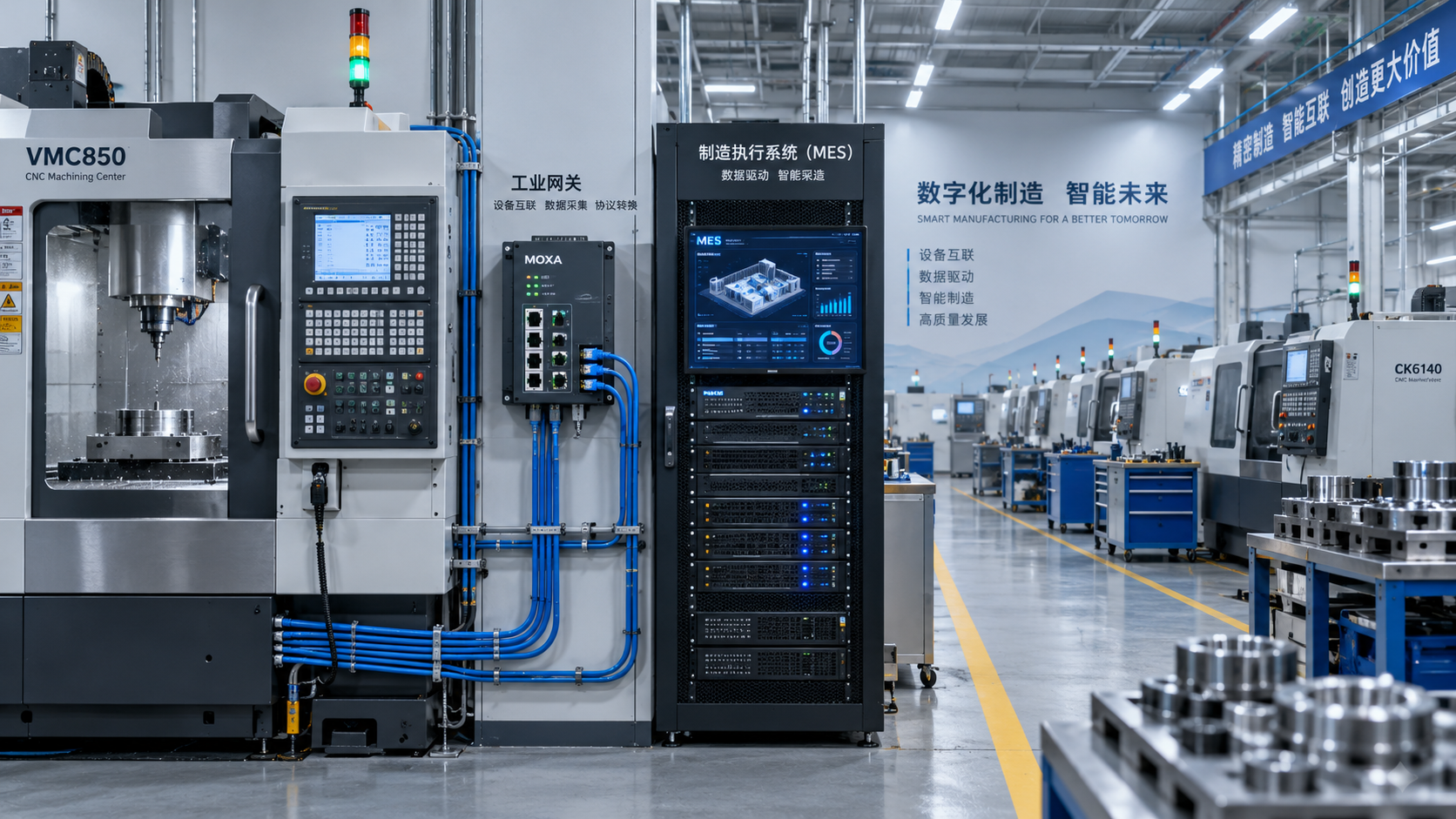
 Digital Manufacturing for Smart Factories: Connecting Legacy Machines to MESMachine Tool Industry Editorial Team
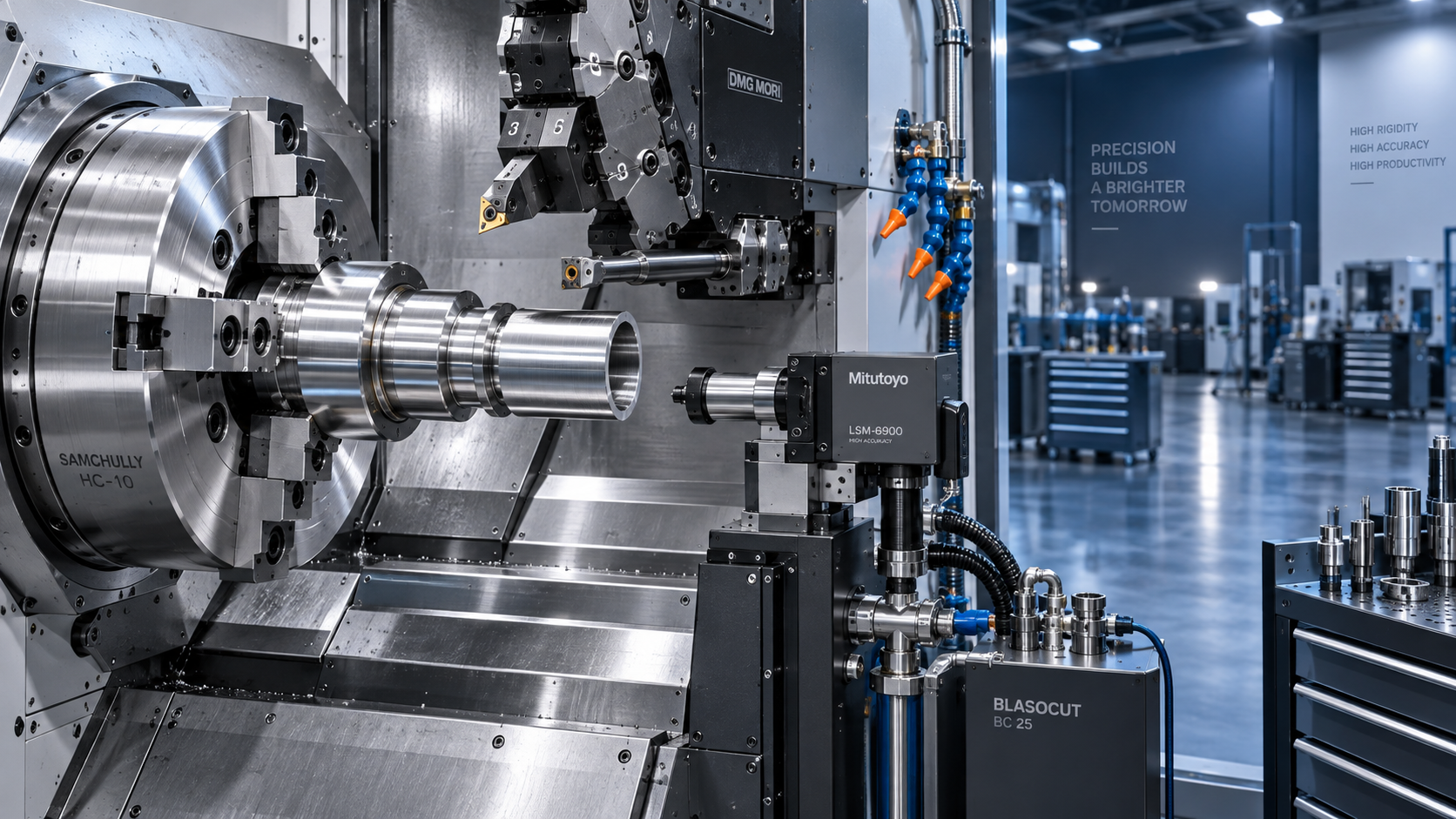
 How to Select a CNC Metal Lathe for Tight-Tolerance Shaft and Sleeve PartsCNC Machining Technology Center
 How to Select an Industrial Lathe for High-Volume Shaft ProductionMachine Tool Industry Editorial Team
 Selecting Machine Tools for Automotive Parts: Accuracy, Throughput, and AutomationMachine Tool Industry Editorial Team
 Industrial Machining: Selecting Processes for Tight-Tolerance Metal PartsCNC Machining Technology Center
 Manufacturing Technology Trends That Improve Throughput and Quality ControlManufacturing Market Research Center

Aris Katos
Future of Carbide Coatings
15+ years in precision manufacturing systems. Specialized in high-speed milling and aerospace grade alloy processing.
▶
Japan Subsidy Plan Narrows CNC Export OpeningsManufacturing Market Research Center▶
Industrial Robotics ROI: Cost Drivers, Integration Risks, and Payback Benchmarks for BuyersManufacturing Market Research Center▶
India’s 20% Rice Export Tax Lifts Demand for Processing EquipmentManufacturing Market Research Center▶
Anhui Growth Lifts Demand for High-End Machine ToolsManufacturing Market Research Center▶
China CNC Rate to Hit 75% by 2027Manufacturing Market Research Center
Mastering 5-Axis Workholding Strategies
Join our technical panel on Nov 15th to learn about reducing vibrations in thin-wall components.

Providing you with integrated sanding solutions
Before-sales and after-sales services
Comprehensive technical support