• Global CNC market projected to reach $128B by 2028 • New EU trade regulations for precision tooling components • Aerospace deman
NYSE: CNC +1.2%LME: STEEL -0.4%

What is pushing the Manufacturing Industry toward flexible output?
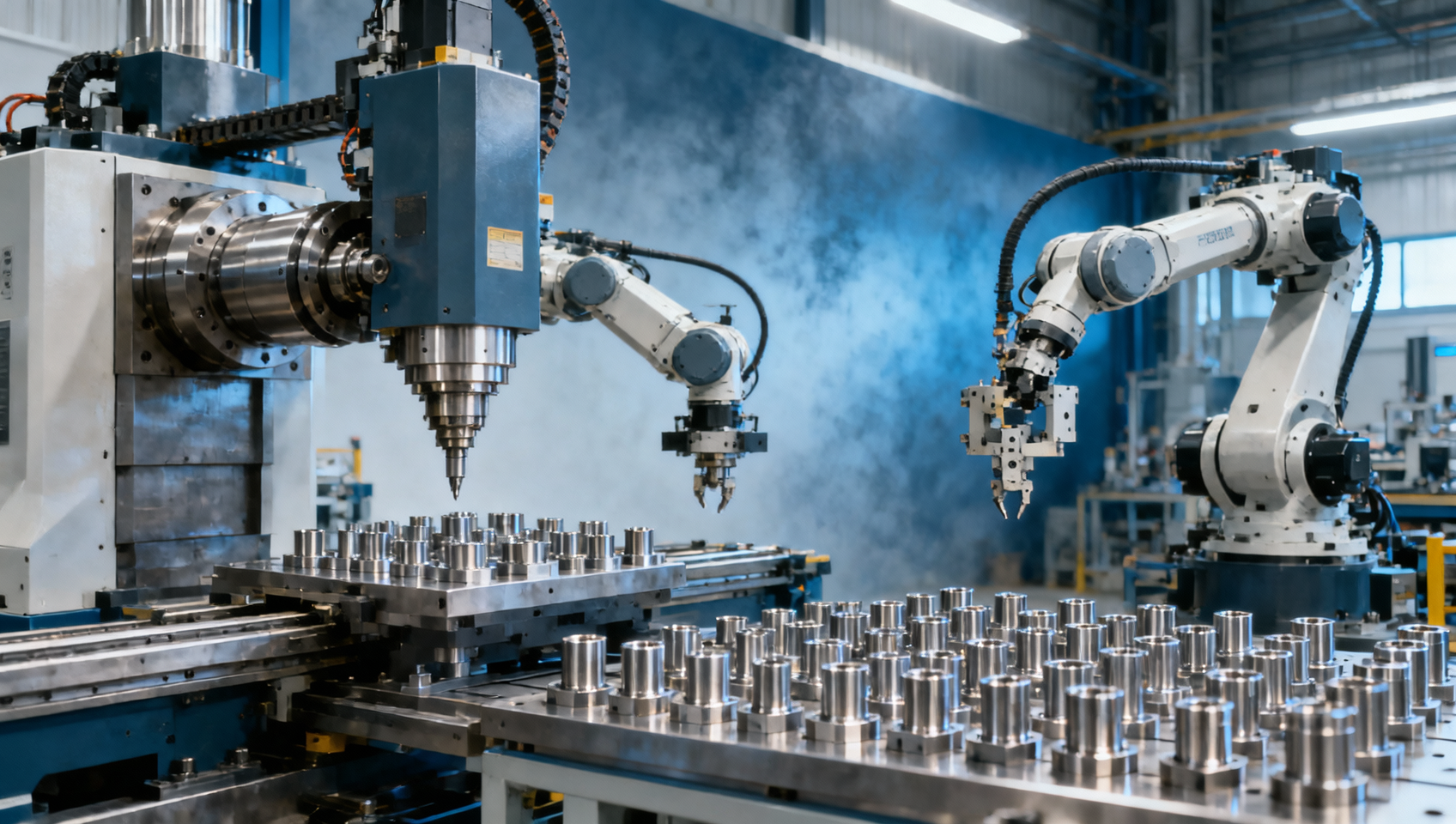
Global Manufacturing is rapidly shifting toward flexible output as the Manufacturing Industry faces rising demand for customization, shorter product cycles, and greater efficiency. From industrial CNC and CNC milling to automated production lines and Industrial Robotics, manufacturers are upgrading the production process to stay competitive. This transition is reshaping the Machine Tool Market and redefining how metal machining and CNC production create value.
For researchers, operators, buyers, and business leaders, the question is no longer whether flexible output matters, but what is driving it and how to respond. In CNC machining and precision manufacturing, output flexibility affects lead time, machine utilization, labor planning, tooling strategy, and return on equipment investment.
Flexible output does not simply mean producing more product variants. It means building a production process that can switch between small batches and medium-volume orders, absorb engineering changes within 24–72 hours, maintain tolerances such as ±0.01 mm to ±0.05 mm when required, and reduce downtime across the entire production line.
In sectors such as automotive, aerospace, electronics, and energy equipment, this shift is closely tied to CNC lathes, machining centers, multi-axis machining systems, industrial robots, digital monitoring, and smarter tooling decisions. The following sections explain the main forces behind flexible output and what they mean for equipment selection, plant operations, and procurement strategy.
Changing demand patterns are forcing production to become more adaptive
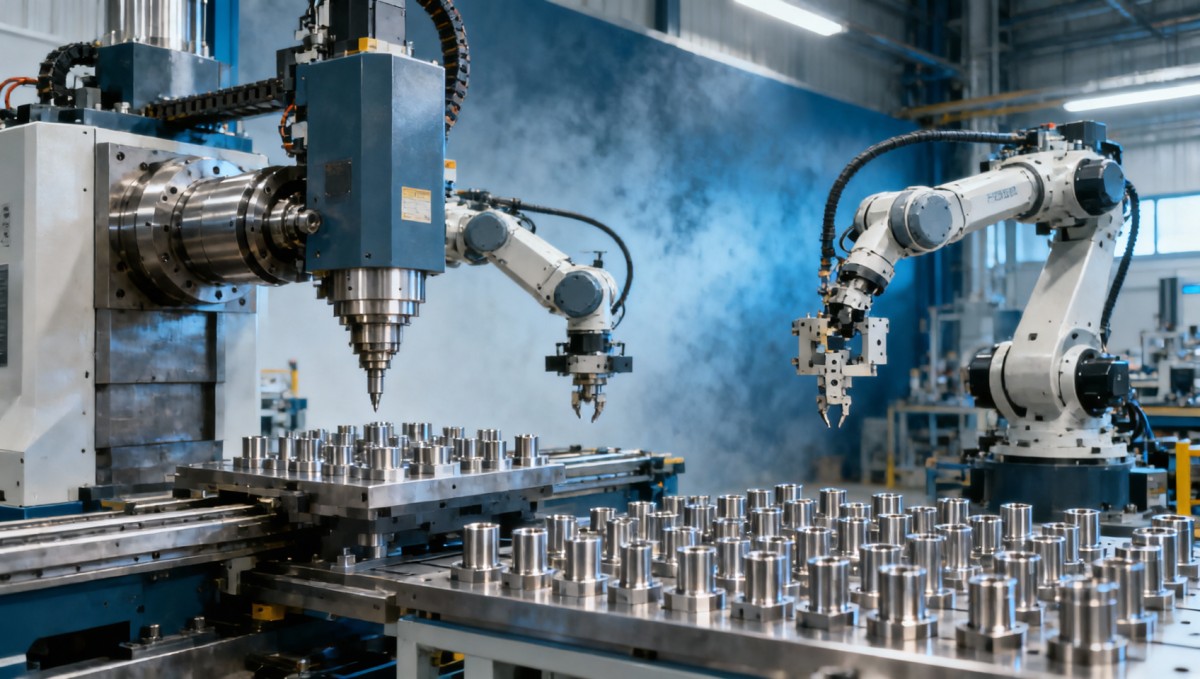
One of the strongest drivers of flexible output is the market itself. Across manufacturing, customers expect shorter delivery windows, more product variants, and faster design iterations. A part family that once changed every 12–18 months may now face updates every 3–6 months, especially in electronics, EV components, and precision assemblies.
This creates pressure on the production process. Traditional high-volume lines are efficient when changeovers are rare, but they struggle when batch sizes fall from 10,000 units to 500–2,000 units, or when multiple part numbers must be produced in the same week. Flexible output helps manufacturers keep response speed without losing control over quality or unit cost.
For CNC production, flexibility often starts with the ability to handle different materials, geometries, and setup requirements. Shops may need to switch from steel shafts to aluminum housings, then to stainless precision discs, using different cutting tools, fixtures, and inspection routines in a single shift. That is why demand volatility directly affects machine tool investment decisions.
This trend also changes procurement behavior. Buyers increasingly look beyond basic spindle power or axis count. They want shorter setup times, easier programming, stable repeatability, and integration with automation systems. In many cases, a machine that saves 15–30 minutes per setup can create more annual value than one that only improves peak cutting speed.
Why shorter product cycles matter
Shorter cycles compress the time available for process validation, fixturing, and operator training. If a production team needs 2 weeks to stabilize a new part program but customers expect shipment in 7 days, the factory loses competitiveness. Flexible output reduces that gap through modular tooling, standardized workholding, offline programming, and quick verification workflows.
Typical signs that a factory needs more flexibility
- More than 20% of orders require engineering changes after initial quotation.
- Average setup time exceeds 45–60 minutes for repeat jobs.
- Machine utilization drops below 65% because of waiting, rework, or changeovers.
- Small-batch production causes frequent conflicts between planning, tooling, and quality teams.
The table below shows how demand-side changes influence manufacturing requirements and equipment priorities in the machine tool market.
The key takeaway is clear: flexible output is not only a production preference. It is a direct response to market conditions that reward faster switching, broader capability, and lower changeover losses.
Automation, CNC integration, and robotics are making flexibility practical
Demand pressure alone does not create flexible output. Manufacturers also need technology that makes frequent changeovers commercially viable. That is where industrial CNC systems, CNC milling centers, robotic loading, pallet changers, and automated production lines play a central role.
In the past, automation was often associated with stable, high-volume production. Today, flexible automation is designed for mixed production environments. A CNC machining cell with automatic tool measurement, 12–60 tool positions, and robotic part handling can support several part families with reduced manual intervention. This lowers labor dependency while improving repeatability across shifts.
Industrial Robotics also help balance labor shortages and skill gaps. In many regions, manufacturers face difficulty hiring operators for night shifts, repetitive loading tasks, or demanding inspection routines. Robots can take over those repetitive steps, allowing skilled personnel to focus on programming, process optimization, and exception handling.
Digital integration is equally important. A flexible output model works best when CNC machines, tool data, scheduling systems, and quality feedback are connected. Even simple machine monitoring can reveal whether downtime comes from waiting for material, tool breakage, manual setup, or program adjustments. Without that visibility, flexibility becomes expensive rather than efficient.
Core technologies that improve output flexibility
- Automatic pallet changers that cut idle time between jobs by 5–20 minutes per cycle.
- Tool life monitoring systems that reduce sudden stoppages and improve unattended machining reliability.
- Offline programming and simulation that shorten validation time for new parts by 20%–40%.
- Robotic loading systems that stabilize cycle consistency during 2-shift or 3-shift operations.
Not every plant needs the same degree of automation. The right level depends on product mix, tolerance demands, labor availability, and order frequency. The table below compares common technology options in flexible production environments.
For procurement teams, the lesson is practical: automation should not be judged only by output per hour. It should also be evaluated by setup reduction, scheduling resilience, and how quickly the system can absorb product changes without excessive retraining or fixture redesign.
Cost pressure, supply chain risk, and capacity utilization are changing investment logic
A third force pushing the manufacturing industry toward flexible output is financial pressure. Raw material volatility, uncertain order forecasts, and rising labor costs make rigid production models riskier. When demand is unstable, manufacturers need to protect both utilization and cash flow.
Flexible output improves resilience because the same production resources can be reassigned more easily. A machining center that handles 4–6 part families with limited fixture changes is often more valuable than a dedicated line that performs well only at one volume level. This is especially true when forecast accuracy drops below 70% or customer release schedules change week by week.
Supply chain disruptions also encourage internal flexibility. If a supplier lead time extends from 2 weeks to 6 weeks, or if a casting source changes, manufacturers may need to adjust machining allowances, tooling paths, or secondary operations quickly. Plants with adaptable CNC production systems can respond faster and avoid extended delivery delays.
From a business perspective, flexible output reduces the cost of being wrong. It helps manufacturers avoid overcommitting to fixed-capacity layouts, excess fixtures, and inventory positions that no longer match real demand. For decision-makers, this can improve asset payback over a 3–5 year planning horizon, even if the initial machine purchase is higher.
Procurement factors that matter more in a flexible environment
When evaluating CNC machine tools or automated production lines, buyers should compare more than purchase price. In flexible manufacturing, the total cost picture includes programming effort, tooling compatibility, maintenance intervals, operator skill requirements, spare part access, and reconfiguration speed.
A practical 5-point buying checklist
- Measure average changeover time between 2 real production jobs, not ideal demo conditions.
- Check whether the machine supports common tool interfaces and fixture standards already used in the plant.
- Confirm maintenance cycles for spindles, lubrication, filters, and calibration, such as every 500, 1,000, or 2,000 operating hours.
- Review digital connectivity for planning, monitoring, and traceability.
- Assess how many operators and programmers are needed across 1-shift, 2-shift, and unattended scenarios.
The following table can help decision-makers compare rigid and flexible capacity models in day-to-day manufacturing operations.
The comparison shows why many manufacturers now view flexibility as a hedge against uncertainty. It supports utilization, protects delivery performance, and helps convert equipment spending into a broader operating capability.
How manufacturers can implement flexible output without losing quality control
Moving toward flexible output does not mean sacrificing process discipline. In fact, the more variation a factory handles, the more important it becomes to standardize programming rules, inspection checkpoints, tool data, and maintenance routines. A plant that adds flexibility without process control often sees more scrap, unstable cycle times, and hidden delivery risk.
A practical implementation model usually has 3 stages. First, identify the part families that create the highest changeover burden or planning instability. Second, redesign those workflows using common fixtures, reusable tool libraries, and digital work instructions. Third, connect machine monitoring, preventive maintenance, and quality data so that production changes remain traceable.
Operators are central to this transition. Even with advanced CNC machining systems, flexible output depends on clear setup procedures, offset management, inspection discipline, and fast feedback loops. Training should cover not only machine operation but also job switching logic, tool wear recognition, and response rules when process drift appears.
Quality control should be built into the changeover process itself. For example, first-piece inspection, in-process probing, and defined sampling frequencies such as every 20, 50, or 100 parts can reduce the risk of producing large quantities of nonconforming components. In precision machine tool environments, this is often the difference between flexibility and chaos.
Implementation steps for a CNC-based flexible production strategy
- Map current part categories by volume, tolerance, material, and setup time.
- Separate jobs into dedicated, semi-flexible, and fully flexible production groups.
- Standardize fixtures, cutting tools, and offset procedures wherever possible.
- Introduce automation where repetitive handling or staffing shortages limit capacity.
- Use measurable KPIs such as setup time, OEE, first-pass yield, and schedule adherence.
Common mistakes to avoid
- Adding robotics before stabilizing part flow and setup methods.
- Buying high-spec machine tools without matching training and tooling budgets.
- Treating all product families as equally suitable for flexible manufacturing.
- Ignoring maintenance planning, which can turn flexibility gains into frequent stoppages.
A well-executed flexible output strategy usually improves several indicators at once: shorter lead times, fewer urgent schedule changes, better machine utilization, and more balanced labor allocation. For many facilities, even a 10%–15% reduction in setup-related losses can justify process redesign before major equipment expansion.
FAQ: practical questions about flexible output in CNC and precision manufacturing
Which manufacturers benefit most from flexible output?
The strongest fit is usually found in plants serving multiple sectors, factories producing frequent design revisions, and suppliers handling batch sizes below 5,000 pieces with regular product mix changes. This includes automotive component suppliers, aerospace subcontractors, electronics part manufacturers, and precision machining workshops supporting energy equipment.
Does flexible output only apply to high-end smart factories?
No. A factory can improve flexibility through phased upgrades. Standard fixtures, better tool management, digital work instructions, and setup reduction often produce results before full automation. In many cases, the first gains come from process discipline rather than expensive hardware.
How long does implementation usually take?
A pilot cell may be reorganized in 4–8 weeks if the equipment is already in place. Broader line transformation with robotics, machine monitoring, and training can take 3–6 months depending on the number of part families, programming complexity, and validation requirements.
What should procurement teams ask suppliers before buying equipment?
Ask for realistic changeover examples, tooling compatibility details, maintenance schedules, recommended spare parts, available training hours, and integration options with existing CNC production systems. It is also useful to confirm whether the machine is suited to unattended running, mixed-material machining, and repeatability targets needed by your industry.
Flexible output is becoming a defining requirement in modern manufacturing because market demand is less predictable, product cycles are shorter, and production efficiency must improve without compromising quality. In the CNC machine tool industry, this shift is being enabled by smarter machining centers, industrial robotics, modular tooling, and better digital coordination across the production process.
For researchers, operators, buyers, and decision-makers, the most effective response is to evaluate flexibility as a system capability rather than a single machine feature. The right approach combines equipment selection, process planning, operator readiness, and measurable control over setup time, quality, and uptime.
If you are assessing CNC machines, flexible production lines, or precision manufacturing solutions for your business, now is the time to compare your current bottlenecks with future output requirements. Contact us to discuss product details, get a customized solution, or learn more about practical strategies for flexible manufacturing growth.
Recommended for You
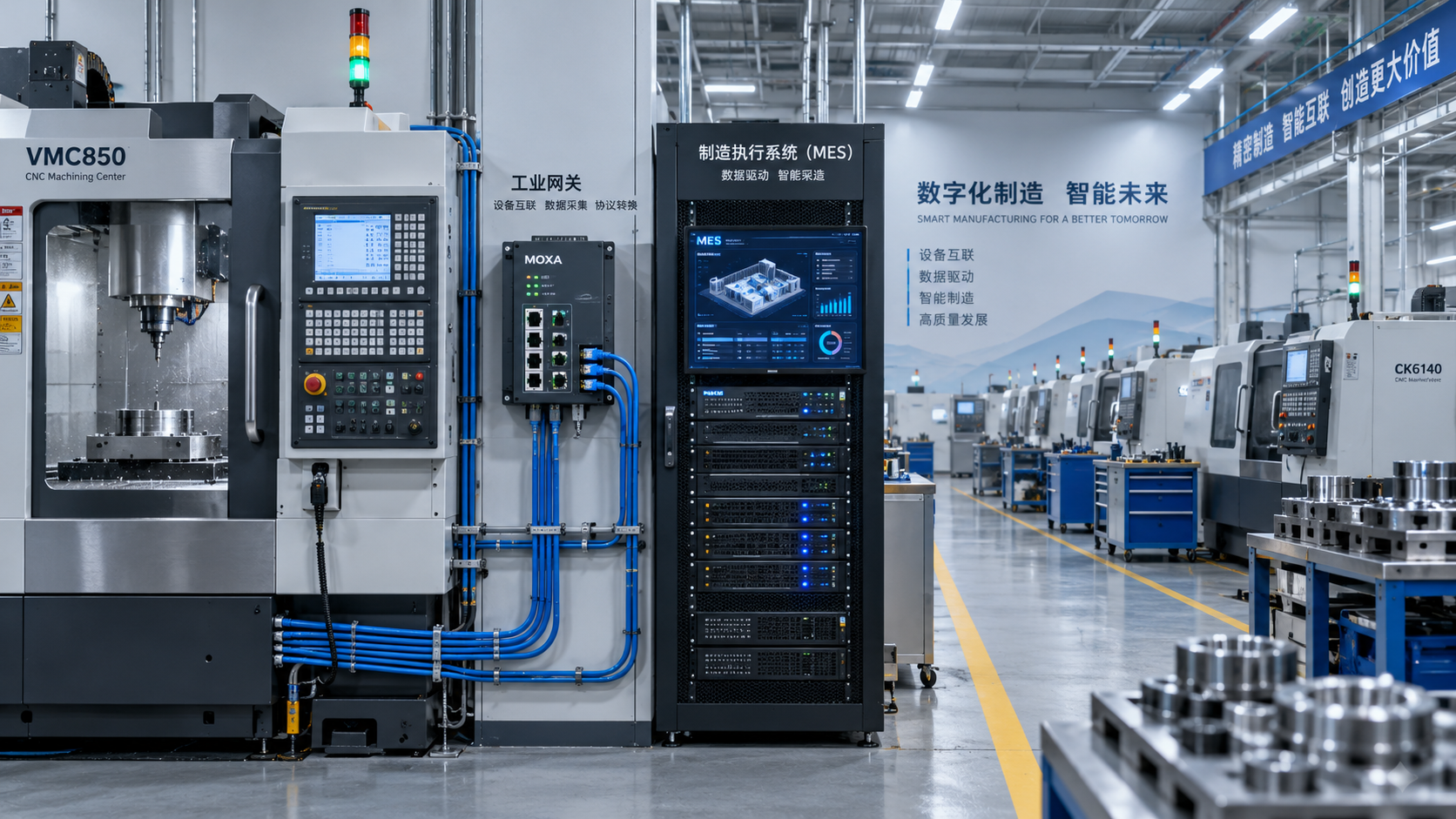
 Digital Manufacturing for Smart Factories: Connecting Legacy Machines to MESMachine Tool Industry Editorial Team
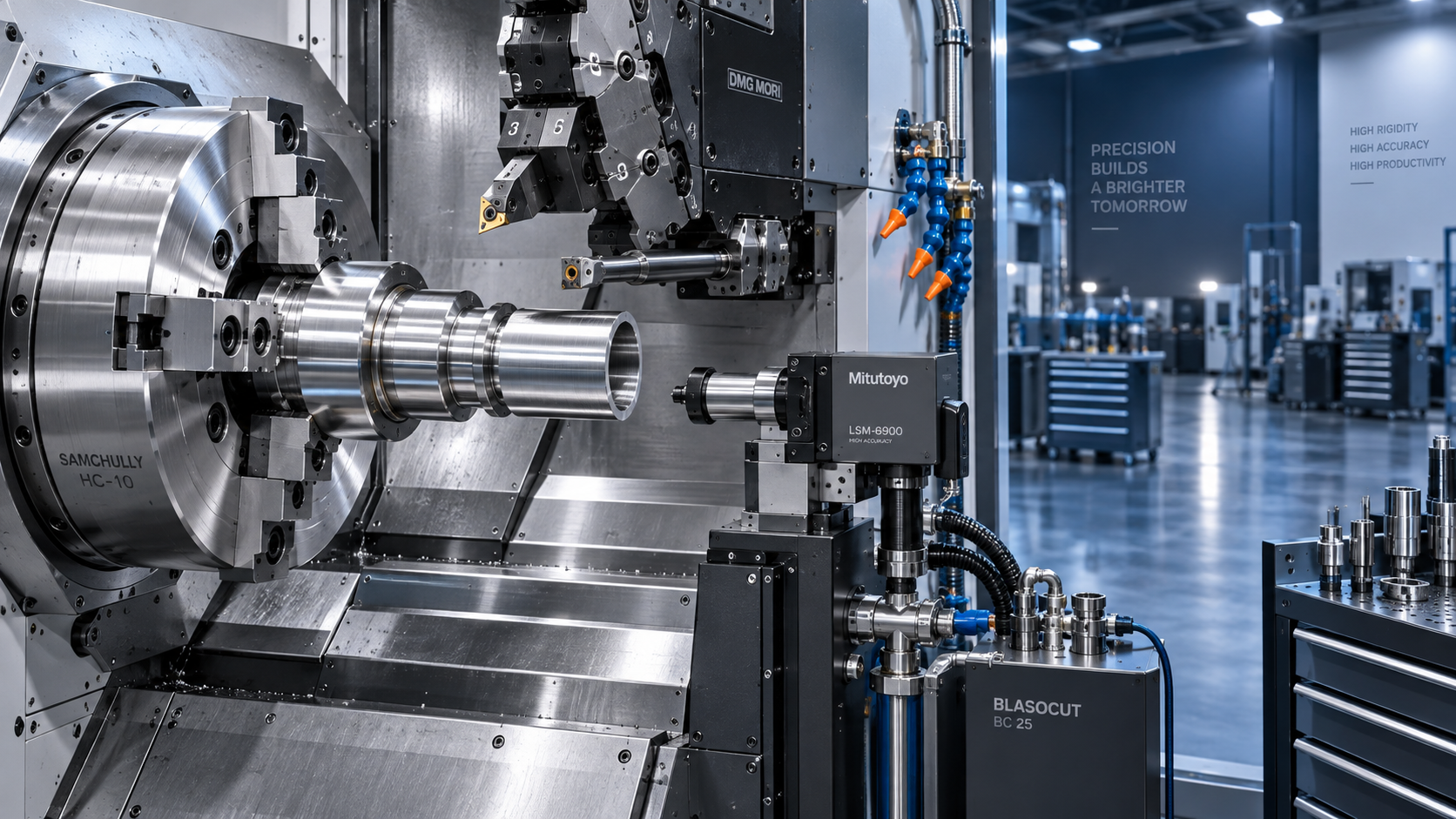
 How to Select a CNC Metal Lathe for Tight-Tolerance Shaft and Sleeve PartsCNC Machining Technology Center
 How to Select an Industrial Lathe for High-Volume Shaft ProductionMachine Tool Industry Editorial Team
 Selecting Machine Tools for Automotive Parts: Accuracy, Throughput, and AutomationMachine Tool Industry Editorial Team
 Industrial Machining: Selecting Processes for Tight-Tolerance Metal PartsCNC Machining Technology Center
 Manufacturing Technology Trends That Improve Throughput and Quality ControlManufacturing Market Research Center

Aris Katos
Future of Carbide Coatings
15+ years in precision manufacturing systems. Specialized in high-speed milling and aerospace grade alloy processing.
▶
Manufacturing Technology Trends That Improve Throughput and Quality ControlManufacturing Market Research Center▶
Global Manufacturing Trends: How Supply Chains and Regional Shifts Affect SourcingManufacturing Market Research Center▶
Small-Batch Production and Smart Manufacturing for Small Businesses: Where to Start FirstManufacturing Market Research Center▶
What Smart Manufacturing Technology for Industry 4.0 Means for Mid-Sized FactoriesManufacturing Market Research Center▶
How Smart Manufacturing Benefits Reduce Downtime and Scrap in Metal Parts ProductionManufacturing Market Research Center
Mastering 5-Axis Workholding Strategies
Join our technical panel on Nov 15th to learn about reducing vibrations in thin-wall components.

Providing you with integrated sanding solutions
Before-sales and after-sales services
Comprehensive technical support