• Global CNC market projected to reach $128B by 2028 • New EU trade regulations for precision tooling components • Aerospace deman
NYSE: CNC +1.2%LME: STEEL -0.4%

A weak Production Process often hides in these 5 signals
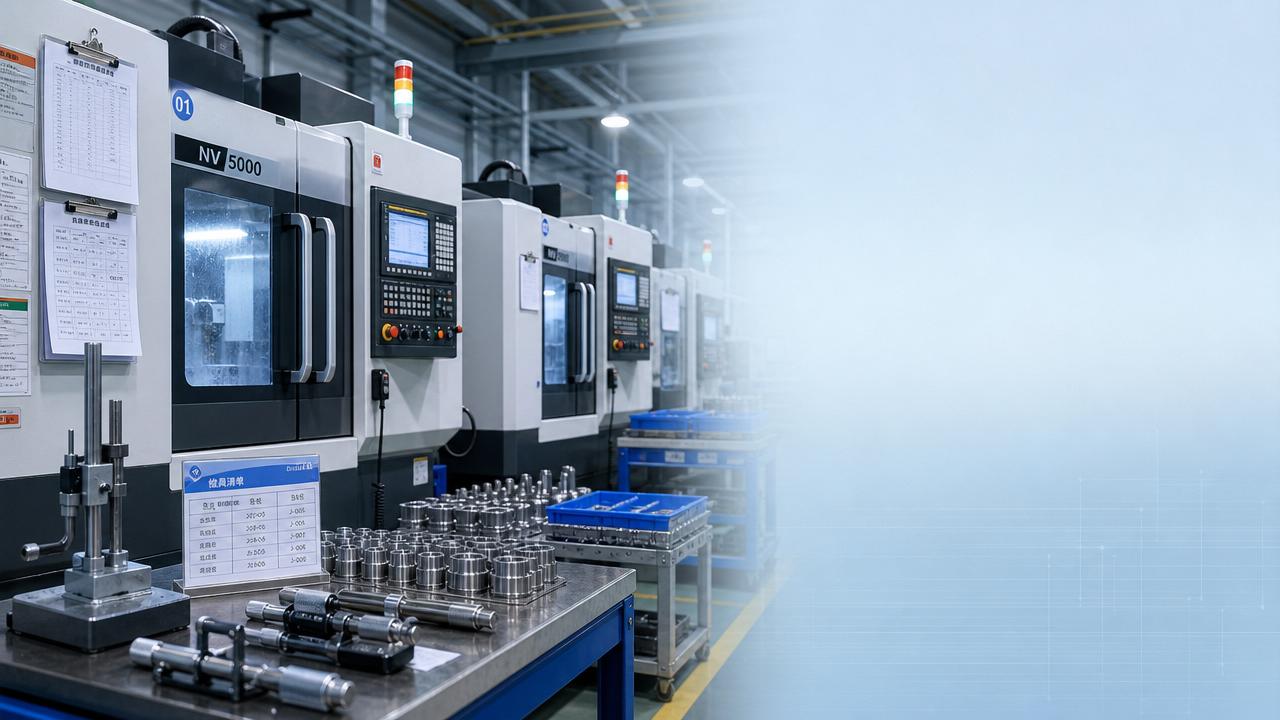
A weak Production Process rarely collapses in one dramatic moment. It usually appears through recurring friction, missed signals, and preventable waste.
In CNC machining and precision manufacturing, those signals often hide inside daily schedules, inspection records, machine utilization, and communication gaps between planning and execution.
When the Production Process loses consistency, delivery risk grows, quality becomes unstable, and margin pressure rises faster than many teams expect.
This article explains five practical signals, how they appear in different operating scenarios, and what actions improve process reliability.
When does a weak Production Process become a business risk?
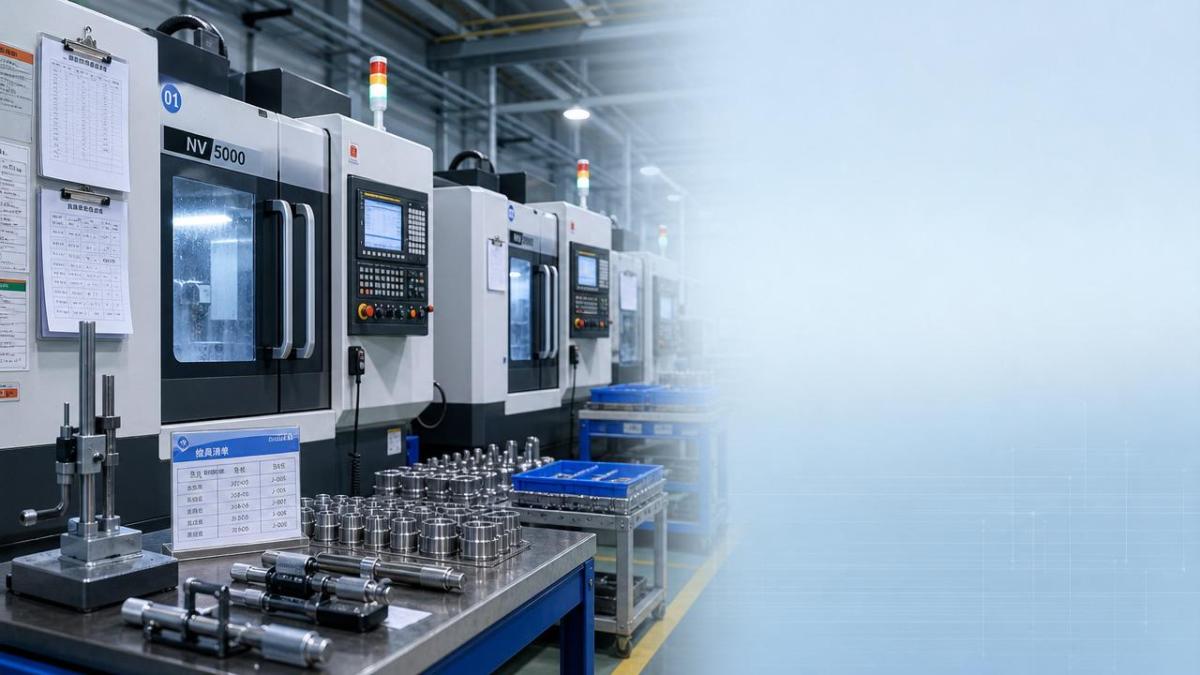
The same Production Process issue does not affect every operation equally. Risk changes with product mix, batch size, tolerance level, automation depth, and delivery urgency.
In high-mix CNC workshops, scheduling instability may be the first warning. In repeat production, hidden scrap and tool wear may cause larger losses.
For aerospace parts, traceability gaps become critical. For automotive supply, takt disruption and delayed changeovers can damage on-time performance quickly.
A strong Production Process supports predictable output, stable quality, and clear feedback loops. A weak one forces constant firefighting and short-term decisions.
Signal 1: repeated delivery delays in fast-turn CNC production
One of the clearest signs of a weak Production Process is frequent schedule slippage, even when machine capacity appears sufficient on paper.
This often happens in job-shop environments handling shafts, housings, discs, and custom structural parts with different routing paths.
What usually causes this scenario?
- Unrealistic planning based on standard cycle times only
- Frequent setup changes without preparation control
- Material arrival disconnected from machine loading plans
- Bottlenecks moved from machining to inspection or deburring
A weak Production Process here is not just about speed. It is about flow reliability across programming, tooling, machining, inspection, and shipment.
If every urgent order disrupts three other orders, the process lacks stability. Short-term recovery hides long-term structural weakness.
Signal 2: unstable quality across repeat batches and precision parts
Another hidden signal appears when similar parts produce different quality outcomes across shifts, machines, or repeated production runs.
In precision manufacturing, this may include dimensional drift, burr inconsistency, poor surface finish, hole position variation, or assembly fit problems.
Where does this scenario show up most?
It is common in multi-axis machining, tight-tolerance turning, and production lines using several operators, fixture sets, or tool replacement intervals.
When the Production Process depends too heavily on individual experience, repeatability weakens. Results become person-dependent instead of system-dependent.
Core judgment points
- First-piece approval passes, but later pieces drift
- Different machines need repeated offset correction
- Inspection records exist, but trends are not reviewed
- Tool life standards are unclear or inconsistently applied
A mature Production Process uses process capability, fixture consistency, and feedback discipline to prevent recurring quality variation.
Signal 3: rework keeps rising in complex manufacturing scenarios
Rework is often treated as a normal cost. That assumption can hide a weak Production Process for months or even years.
In complex parts production, especially for aerospace, energy equipment, and electronics structures, rework may seem manageable until capacity disappears.
Why this signal is dangerous
Rework consumes machine time, labor hours, measuring resources, and delivery windows. It also hides real process capability from management decisions.
If a Production Process relies on rework to achieve final acceptance, it is not truly under control.
Common hidden sources
- Programming revisions not synchronized with shop instructions
- Fixture wear not checked before critical operations
- In-process inspection too late to stop deviation
- Engineering changes communicated informally
Signal 4: poor coordination across automation, assembly, and machining
As factories adopt robots, automated loading, and flexible cells, coordination failures become a major Production Process warning sign.
A machine may be ready, but the fixture is unavailable. Material may arrive, but NC files remain unreleased. Inspection may finish, but ERP status stays outdated.
This is common in digitally expanding operations where equipment investment grows faster than process discipline.
Typical scenario indicators
- Automation islands work, but line flow remains interrupted
- Manual data entry creates planning and execution mismatch
- Changeovers cause delays beyond expected takt windows
- Operators solve issues locally without cross-process feedback
A healthy Production Process aligns machines, people, programs, materials, and data. Coordination is a capability, not a meeting topic.
Signal 5: data blind spots make process decisions unreliable
Many operations collect data, but still lack visibility. That gap is another strong sign of a weak Production Process.
If cycle time losses, scrap reasons, tool change patterns, or downtime causes cannot be traced clearly, improvement becomes guesswork.
In smart manufacturing, visibility matters as much as machine capability. Better equipment alone cannot fix an opaque Production Process.
Questions that expose blind spots
- Which product families generate the highest hidden rework cost?
- Which machines show stable output only under specific operators?
- Which delays come from planning, tooling, or inspection waits?
- Which process changes improved yield, and which only shifted losses?
How these five signals differ by application scenario
The same Production Process weakness creates different consequences depending on application conditions, compliance needs, and output structure.
Practical ways to strengthen the Production Process
Improvement works best when actions match the operating scenario instead of using one generic factory checklist.
Recommended adaptation steps
- Track schedule adherence by product family, not only total output
- Build tool life and offset standards for critical features
- Use in-process checks before value-adding steps stack up
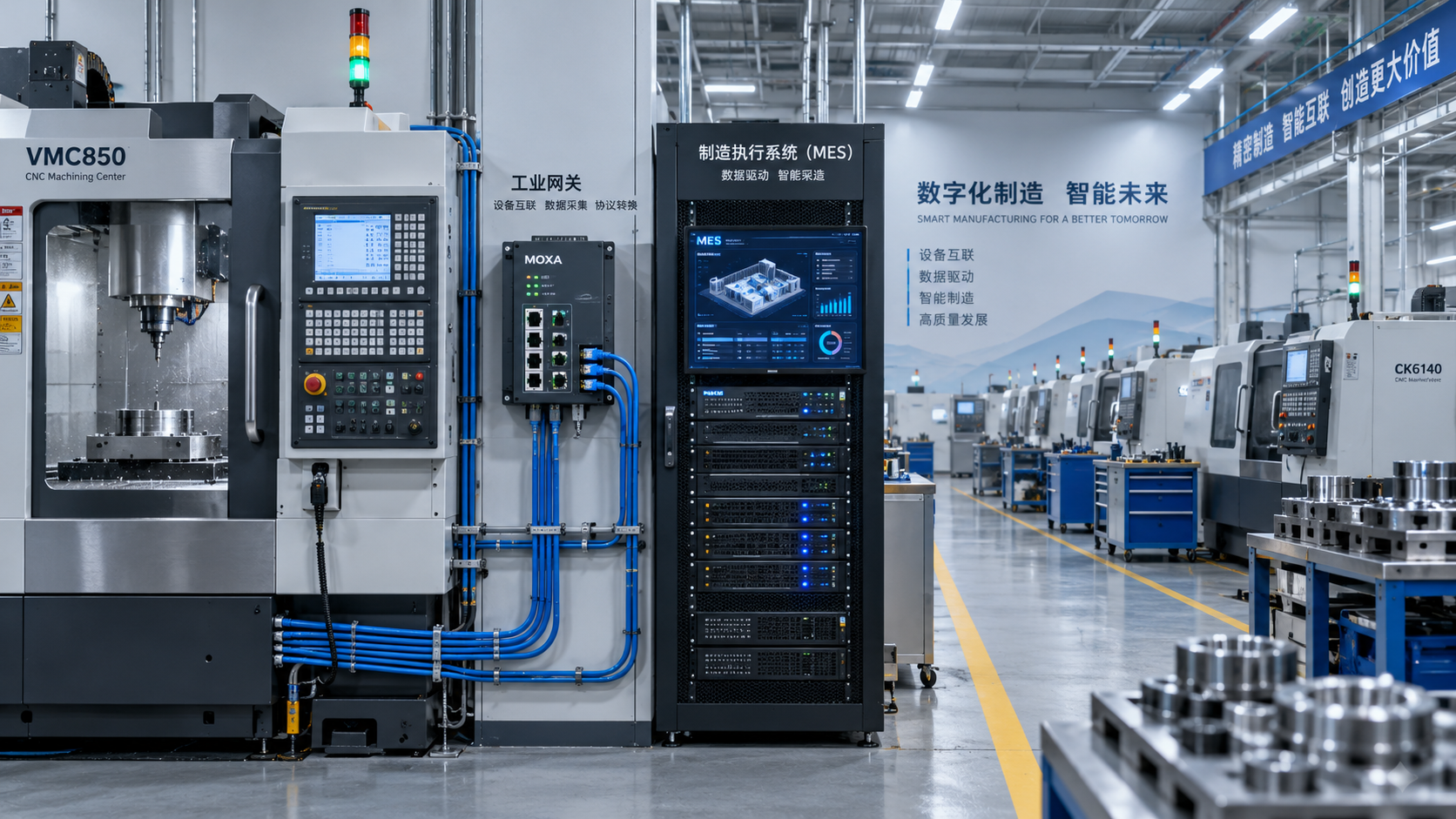
- Link ERP, MES, inspection, and machine status consistently
- Review rework causes weekly with corrective ownership
- Separate urgent-order rules from normal planning logic
Each step helps turn the Production Process from reactive execution into measurable operational control.
Common misjudgments that hide a weak Production Process
Some problems look acceptable because output still ships. That is why weak processes often survive longer than expected.
- Assuming overtime solves a process problem
- Treating experienced operators as permanent process compensation
- Measuring utilization without measuring flow interruption
- Accepting rework as a normal precision manufacturing cost
- Investing in automation before stabilizing process basics
These misjudgments delay real improvement. They also make Production Process failures more expensive when demand increases or tolerances tighten.
The next step: assess the signals before they become losses
A weak Production Process can often be corrected early if the signals are reviewed by scenario, not by isolated events.
Start with one product family, one line, or one machining cell. Compare delays, quality drift, rework, coordination gaps, and data visibility together.
That simple review reveals where the Production Process loses control, where digital tools can help, and where standardization should come first.
In CNC machining and precision manufacturing, reliable growth depends less on heroic recovery and more on a stable, visible, and adaptable Production Process.
PREVIOUS ARTICLE
Recommended for You
 Digital Manufacturing for Smart Factories: Connecting Legacy Machines to MESMachine Tool Industry Editorial Team
 How to Select a CNC Metal Lathe for Tight-Tolerance Shaft and Sleeve PartsCNC Machining Technology Center
 How to Select an Industrial Lathe for High-Volume Shaft ProductionMachine Tool Industry Editorial Team
 Selecting Machine Tools for Automotive Parts: Accuracy, Throughput, and AutomationMachine Tool Industry Editorial Team
 Industrial Machining: Selecting Processes for Tight-Tolerance Metal PartsCNC Machining Technology Center
 Manufacturing Technology Trends That Improve Throughput and Quality ControlManufacturing Market Research Center

Aris Katos
Future of Carbide Coatings
15+ years in precision manufacturing systems. Specialized in high-speed milling and aerospace grade alloy processing.
▶
CNC Machine Arrival Inspection: Check Shipping Damage, Accuracy, Safety, and DocumentsCNC Machining Technology Center▶
What Should You Check When a CNC Machine Arrives at Your Factory?CNC Machining Technology Center▶
What Safety Checks Are Required for CNC Cutting Operations?CNC Machining Technology Center▶
What Are Machine Tools? Common Types, Functions, and Typical Shop ApplicationsCNC Machining Technology Center▶
CNC Industrial Machines Maintenance Checklist: How to Reduce Downtime and Tool WearCNC Machining Technology Center
Mastering 5-Axis Workholding Strategies
Join our technical panel on Nov 15th to learn about reducing vibrations in thin-wall components.

Providing you with integrated sanding solutions
Before-sales and after-sales services
Comprehensive technical support