• Global CNC market projected to reach $128B by 2028 • New EU trade regulations for precision tooling components • Aerospace deman
NYSE: CNC +1.2%LME: STEEL -0.4%

CCMT2026 Ends: EU Buyers Demand EN ISO 13849-1 PLd Documentation for Five-Axis Machine Tools

CCMT2026—the China International Machine Tool Show—concluded on May 24, 2026, in Shanghai. The event highlighted a notable shift in procurement expectations from European buyers: functional safety documentation compliant with EN ISO 13849-1 Performance Level d (PLd) is now routinely required at the quotation stage for five-axis machine tools. This development directly affects exporters, OEMs, and technical documentation providers serving EU markets—and signals tightening regulatory alignment requirements in high-precision manufacturing equipment trade.
Event Overview
The CCMT2026 exhibition ended on May 24, 2026. During the show, multiple German and French procurement entities explicitly stated that Chinese suppliers must submit verified EN ISO 13849-1 PLd-level functional safety documentation concurrently with their commercial quotations. Absence of such documentation results in automatic exclusion from shortlisted bidders for tenders.
Which Sub-Sectors Are Affected
Direct Exporters of CNC Machine Tools
These companies face immediate contractual risk: failure to provide PLd-compliant documentation at the quotation phase disqualifies them from bidding. Impact manifests in delayed sales cycles, increased pre-contract engineering review workload, and potential loss of market access where safety certification is treated as a non-negotiable entry condition.
OEMs Integrating Five-Axis Motion Systems
OEMs sourcing axes, controllers, or safety-related parts (e.g., safe torque off modules, safety PLCs) for final assembly are affected downstream. Their suppliers may lack traceable PLd validation—raising integration liability and requiring revalidation efforts before delivery to EU customers.
Technical Documentation & Certification Service Providers
Firms offering CE marking support, safety validation, or functional safety file preparation see rising demand—but only for those with demonstrable competence in EN ISO 13849-1 application to multi-axis motion control architectures. Generic machinery certification experience is insufficient where PLd-level architecture analysis is required.
What Relevant Companies or Practitioners Should Focus On Now
Monitor official updates from EU Notified Bodies and national market surveillance authorities
While EN ISO 13849-1 is harmonized under the EU Machinery Regulation (2023/1230), enforcement practices vary by member state. Observably, Germany and France are applying stricter pre-tender scrutiny; tracking national guidance documents helps anticipate regional divergence.
Prioritize PLd validation for specific product families—not blanket certification
Analysis shows that EU buyers focus verification on safety-related control systems (e.g., emergency stop chains, axis guarding interlocks, coordinated motion safety functions). Companies should identify which subsystems trigger PLd requirements per IEC 62061 or EN ISO 13849-1 Annexes—and allocate resources accordingly.
Distinguish between documentation readiness and full conformity assessment
Submission of a PLd report does not equal CE marking approval. Current practice reflects a commercial gatekeeping step—not yet a formal regulatory checkpoint. Companies should avoid conflating buyer-mandated documentation with legally binding conformity; both are necessary, but operate on separate timelines and accountability frameworks.
Initiate internal cross-functional alignment between sales, engineering, and compliance teams
Quotation-stage documentation requires early involvement of safety engineers and system architects—not just post-design verification. Preparing safety requirement specifications (SRS), architecture schematics, and diagnostic coverage evidence ahead of RFQs reduces lead time and avoids last-minute delays.
Editorial Observation / Industry Perspective
This requirement is better understood as an emerging commercial signal—not yet a de facto regulatory mandate—reflecting heightened risk awareness among EU industrial buyers. Analysis shows it originates from end-user liability exposure in high-value, high-risk applications (e.g., aerospace component machining), rather than new legislation. From industry perspective, it indicates growing convergence between procurement due diligence and functional safety maturity. Continued observation is warranted to determine whether this becomes standardized across EU public procurement or remains selective to high-reliability sectors.
CCMT2026’s closing marks not just the end of a trade show, but a visible inflection point in how safety assurance is embedded into international machine tool transactions. For stakeholders, the takeaway is not urgency alone—but precision: aligning documentation rigor with actual safety-critical functions, rather than pursuing generic compliance as a checkbox exercise.
Source: Public statements reported during CCMT2026 (Shanghai, May 20–24, 2026); confirmed by participating German and French procurement representatives onsite. No official policy documents or regulatory amendments were issued concurrently—this remains a market-driven procurement expectation requiring ongoing monitoring.
NEXT ARTICLE
Recommended for You
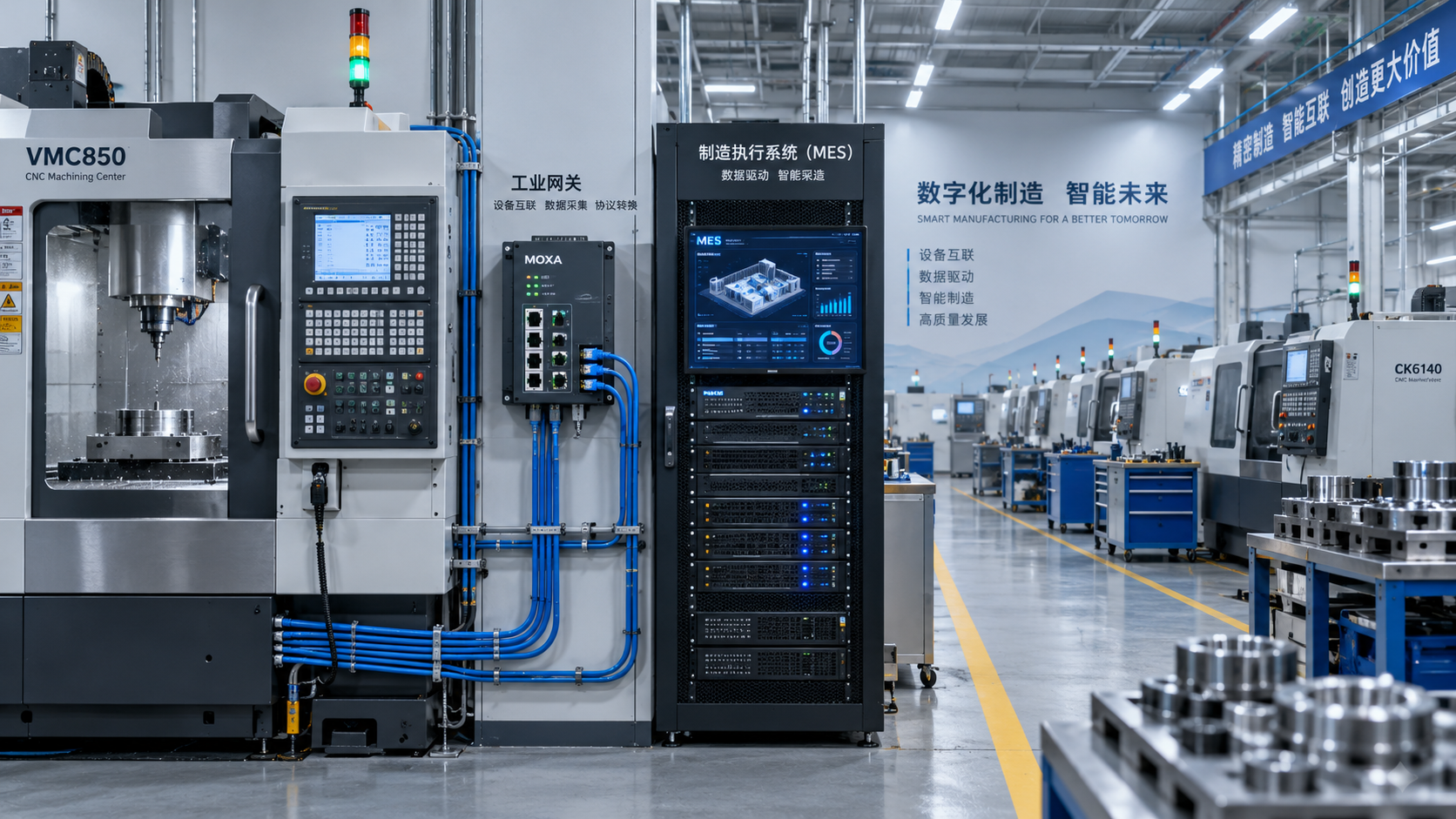
 Digital Manufacturing for Smart Factories: Connecting Legacy Machines to MESMachine Tool Industry Editorial Team
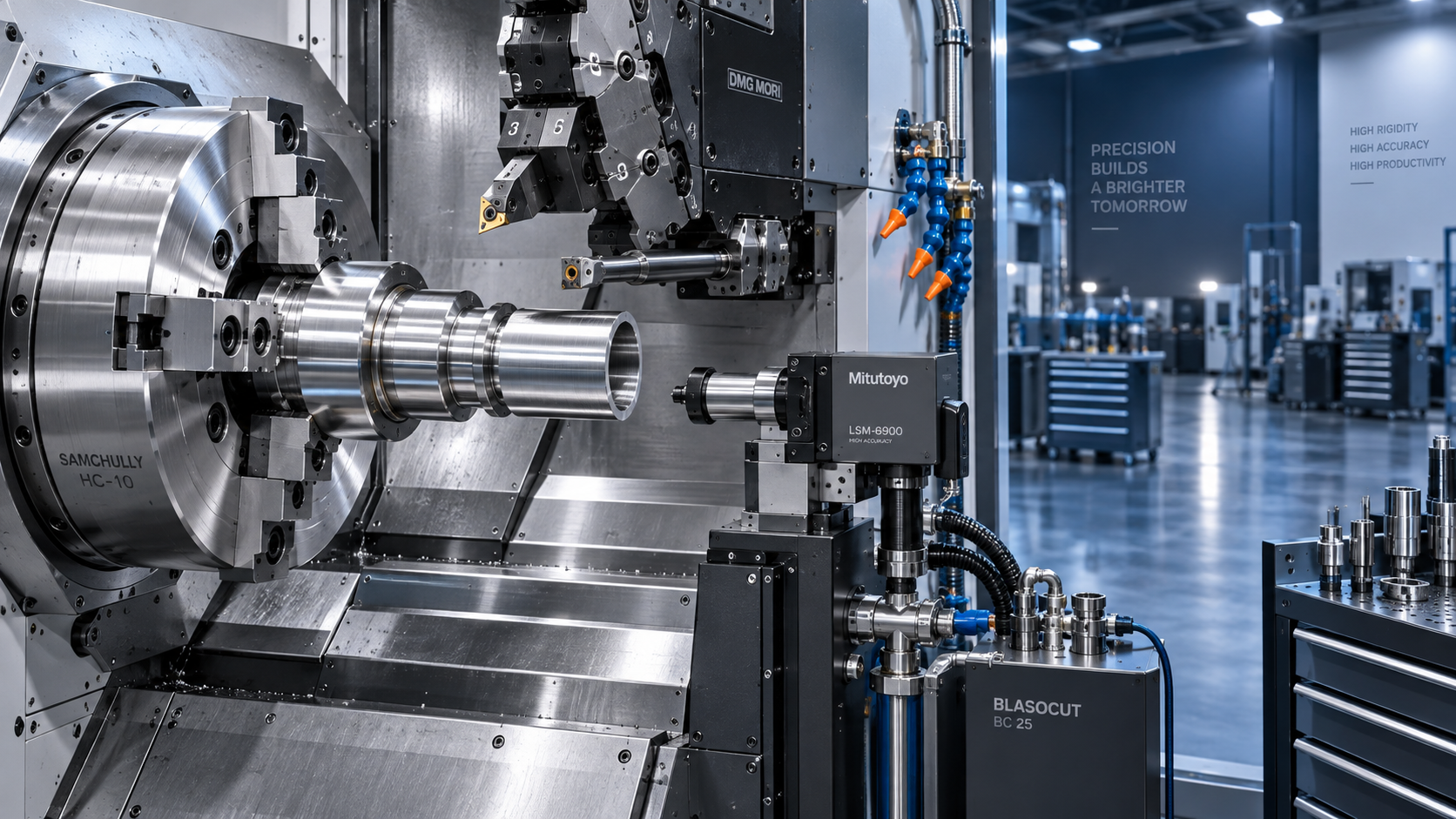
 How to Select a CNC Metal Lathe for Tight-Tolerance Shaft and Sleeve PartsCNC Machining Technology Center
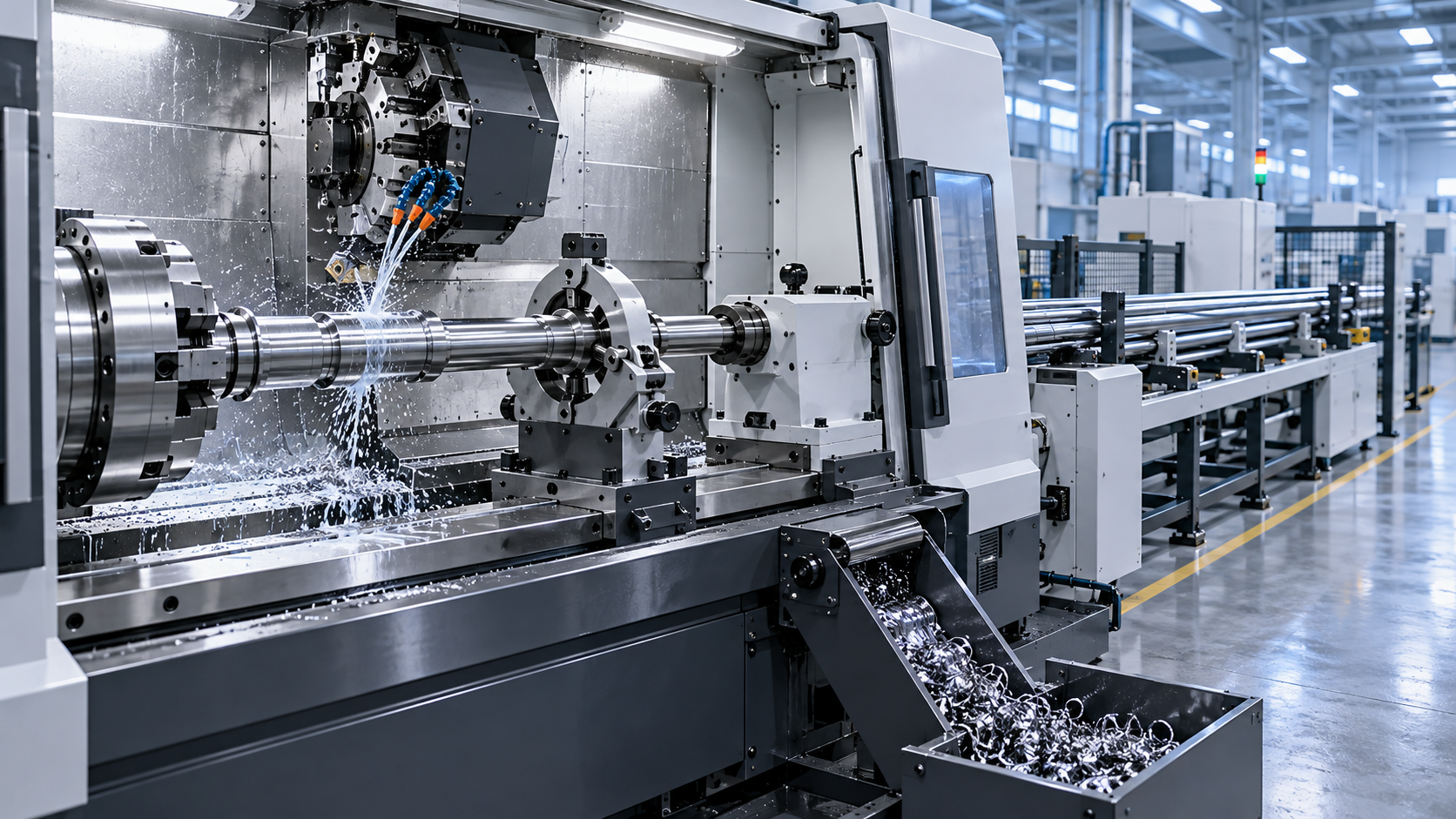
 How to Select an Industrial Lathe for High-Volume Shaft ProductionMachine Tool Industry Editorial Team
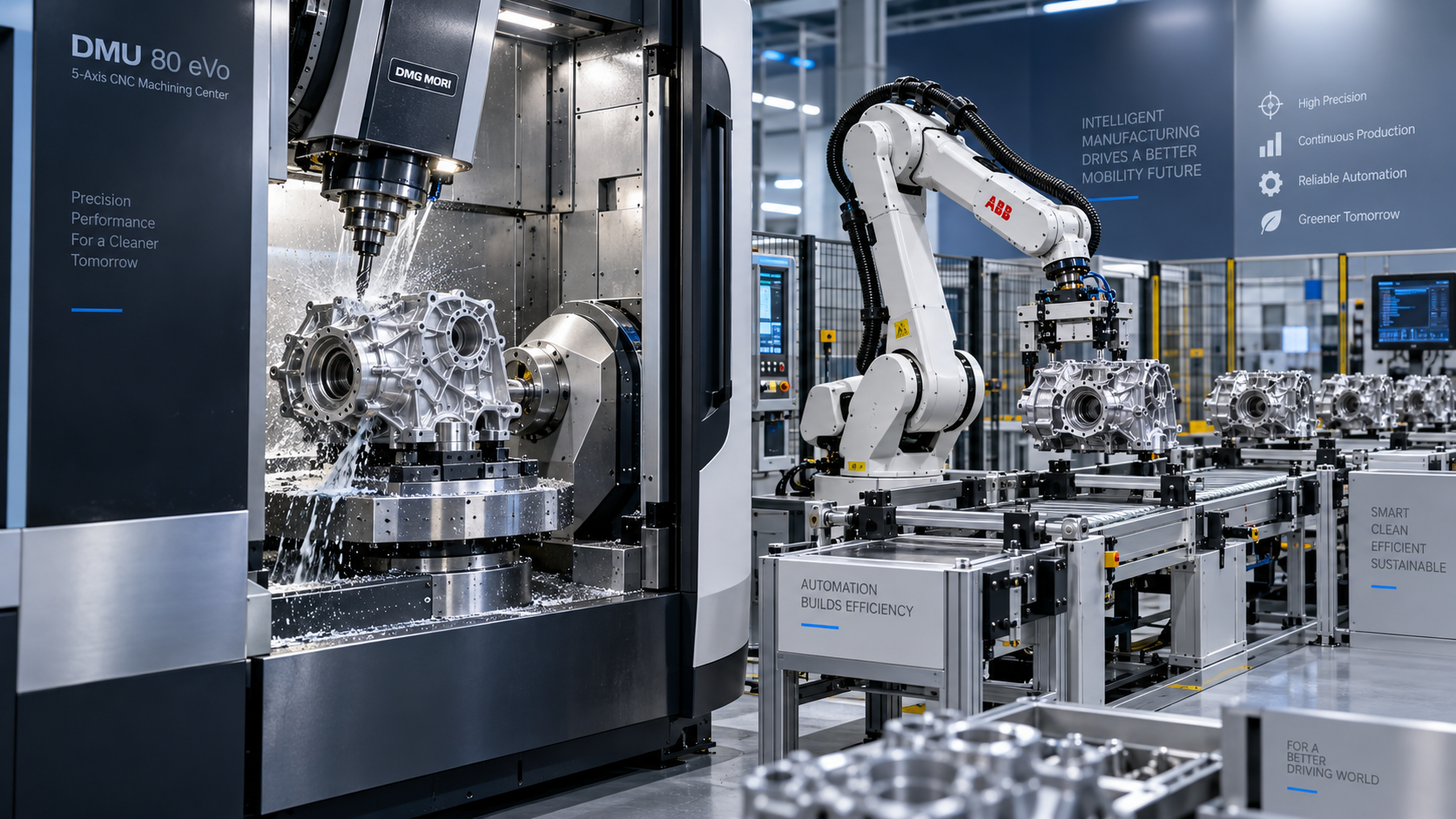
 Selecting Machine Tools for Automotive Parts: Accuracy, Throughput, and AutomationMachine Tool Industry Editorial Team
 Industrial Machining: Selecting Processes for Tight-Tolerance Metal PartsCNC Machining Technology Center
 Manufacturing Technology Trends That Improve Throughput and Quality ControlManufacturing Market Research Center

Aris Katos
Future of Carbide Coatings
15+ years in precision manufacturing systems. Specialized in high-speed milling and aerospace grade alloy processing.
▶
Machine Tool Standards by Country: What Importers Must Verify Before PurchaseManufacturing Policy Research Center▶
EU Sets CE-EMC+AI Certification Rule for CNC ExportsManufacturing Policy Research Center▶
EU Rule Update Raises CNC Safety Certification BarManufacturing Policy Research Center▶
U.S. Tightens Reviews for China CNC ExportsManufacturing Policy Research Center▶
EU Tightens CNC Export Compliance from October 2026Manufacturing Policy Research Center
Mastering 5-Axis Workholding Strategies
Join our technical panel on Nov 15th to learn about reducing vibrations in thin-wall components.

Providing you with integrated sanding solutions
Before-sales and after-sales services
Comprehensive technical support