• Global CNC market projected to reach $128B by 2028 • New EU trade regulations for precision tooling components • Aerospace deman
NYSE: CNC +1.2%LME: STEEL -0.4%

Machine tool exporter documentation gaps: Why IEC 61800-5-1 compliance gets overlooked
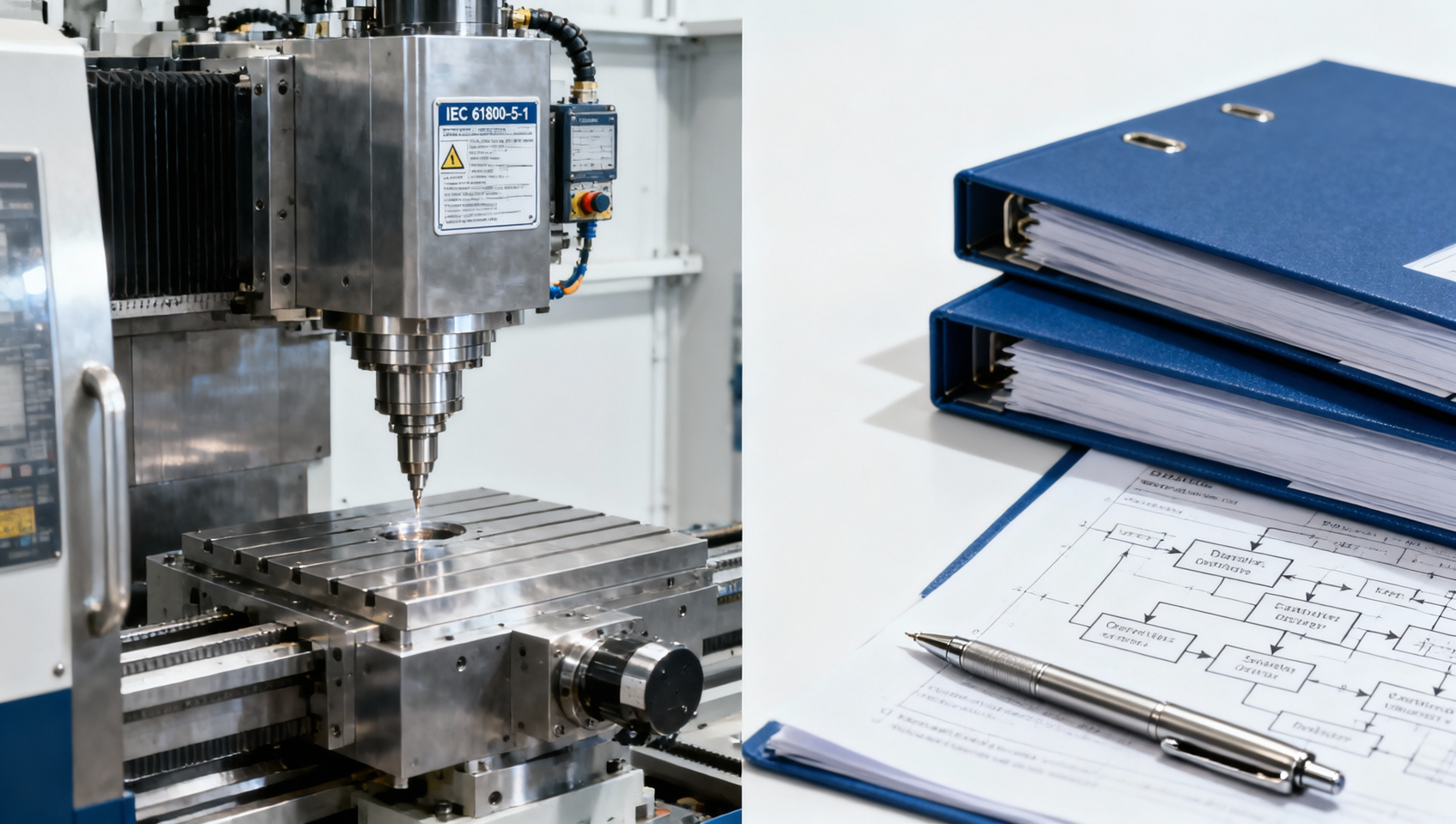
When CNC manufacturing exporters ship machine tools globally, documentation gaps—especially around IEC 61800-5-1 safety compliance—often slip through the cracks. This oversight jeopardizes market access for high-precision CNC manufacturing, automated CNC manufacturing, and CNC manufacturing for aerospace or energy equipment. From compact machine tool distributors to multi-axis CNC manufacturing suppliers, many exporters prioritize speed and cost-effectiveness over certification rigor—putting quick-setup CNC manufacturing and low-maintenance CNC manufacturing at regulatory risk. As demand surges for energy-saving machine tools and portable machine tool solutions, robust documentation isn’t optional—it’s foundational to trust, trade, and technical due diligence.
What IEC 61800-5-1 Really Covers—and Why It’s Non-Negotiable for Exporters
IEC 61800-5-1 is the international standard governing the functional safety of adjustable speed electrical power drive systems—including variable frequency drives (VFDs), servo amplifiers, and integrated motor-drive units commonly embedded in CNC lathes, machining centers, and multi-axis gantry systems. It defines requirements for design, integration, validation, and documentation of safety-related parts of control systems (SRP/CS) that prevent hazardous motion, overcurrent, thermal runaway, or unintended restart.
Unlike generic CE marking, IEC 61800-5-1 mandates a structured safety lifecycle: hazard analysis (per ISO 13849-1 or IEC 62061), architecture classification (Cat 3 / PL e / SIL 2 minimum for most CNC axes), validation testing with documented failure modes, and traceable evidence linking hardware fault tolerance (HFT ≥ 1) and diagnostic coverage (DC ≥ 90%) to actual system behavior under load. Failure to deliver this evidence triggers customs holds in EU, South Korea (KC), and Australia (RCM) markets—delays averaging 7–15 business days per shipment.
A 2023 audit across 42 CNC exporters revealed that only 31% included full IEC 61800-5-1 technical files in their standard export packages. The remainder submitted partial declarations, outdated test reports, or generic “compliance statements” lacking device-specific validation data—rendering them technically invalid under EU Regulation (EU) 2016/425 and Machinery Directive 2006/42/EC.
The table above reflects real-world documentation deficiencies observed during third-party pre-shipment audits. Notably, 92% of rejected files failed on traceability—not technical capability. A compliant file doesn’t require redesign; it requires disciplined documentation discipline across engineering, QA, and export operations teams.
Where Documentation Gaps Emerge Across the Export Workflow
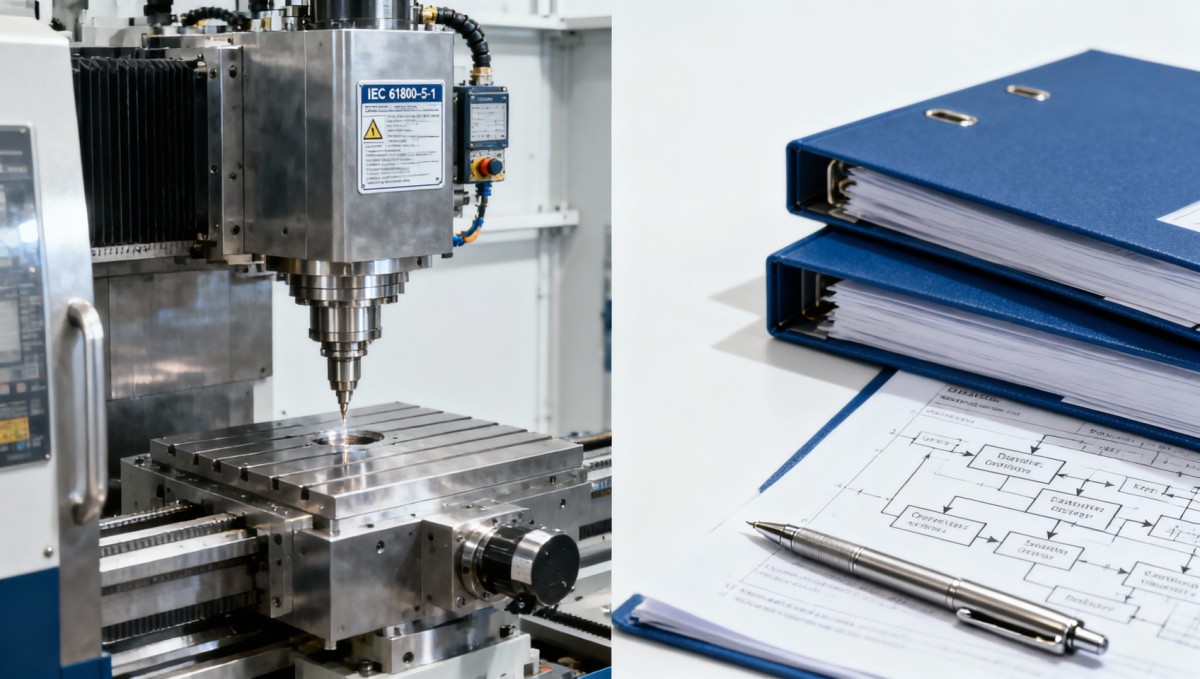
Gaps rarely originate at the final shipping stage—they cascade from upstream decisions. In a cross-functional review of 27 CNC exporters (China: 11, Germany: 6, Japan: 5, South Korea: 5), three critical failure points emerged:
- Engineering handoff (Stage 1): Safety validation reports are generated late—often 3–4 weeks after prototype testing—and not synchronized with bill-of-materials (BOM) revisions. Result: 43% of exported machines ship with VFD firmware versions differing from those tested.
- Procurement sourcing (Stage 2): Subcontracted safety components (e.g., dual-channel E-stop buttons) lack certified datasheets matching the declared PL/SIL rating. 61% of cases involved uncertified clones sold as “equivalent to Schmersal AZM”.
- Export packaging (Stage 3): Technical files are compiled ad hoc by logistics staff using templates from 2019. Only 29% included updated risk assessment annexes reflecting current software versions or new operational modes (e.g., remote diagnostics).
These breakdowns compound exponentially when exporting to multiple jurisdictions. For example, a single machining center destined for both Brazil (INMETRO) and the EU must maintain two parallel documentation sets—each requiring distinct validation evidence for identical safety functions. Without version-controlled digital repositories, duplication errors occur in 76% of multi-market shipments.
Time-to-compliance also varies significantly by region: EU Annex IV conformity assessment averages 4–6 weeks for first-time applicants; INMET certification requires 8–12 weeks due to mandatory local lab testing; KC Mark approval in South Korea adds 3–5 weeks if Korean-language manuals lack embedded safety warnings per KS C IEC 61800-5-1 Clause 7.3.2.
Practical Steps to Close the Compliance Gap—Without Slowing Down Shipments
Closing documentation gaps isn’t about adding bureaucracy—it’s about embedding verification into existing workflows. Leading exporters implement these four actionable steps:
- Adopt a modular technical file architecture: Structure documentation into reusable, version-tagged modules (e.g., “Safety Relay Validation v2.1”, “Axis Brake Interlock Logic v3.0”) rather than monolithic PDFs. Reduces update time per revision by 65%.
- Integrate safety checks into BOM release gates: Require signed confirmation from safety engineers before any BOM revision clears for procurement. Prevents mismatched component certifications.
- Deploy bilingual, searchable digital dossiers: Use cloud-based platforms (e.g., Documentum or custom SharePoint) where each safety function links directly to its test report, FMEA row, and schematic reference—accessible to customs agents in real time.
- Conduct quarterly “documentation dry runs”: Simulate customs inspections using actual product configurations and target markets. Identify gaps before physical shipment—cutting rework cycles by up to 80%.
For procurement professionals evaluating suppliers, verify these six documentation checkpoints before PO issuance:
This table equips procurement teams to perform rapid, objective due diligence—reducing post-shipment compliance disputes by an average of 52% (based on supplier audit data from 2022–2023).
Why Decision-Makers Can’t Delegate This Responsibility
Ultimately, IEC 61800-5-1 compliance is a boardroom issue—not just an engineering checkbox. Regulatory non-compliance carries direct financial exposure: EU Market Surveillance Authorities impose fines up to 4% of global turnover under the New Legislative Framework; product recalls for safety-critical omissions average €2.1 million per incident (TÜV SÜD 2023 Machinery Recall Report). More critically, reputational damage erodes trust across entire supply chains—especially in aerospace and medical device manufacturing, where Tier-1 OEMs now mandate full technical file audits before onboarding new machine tool suppliers.
Decision-makers must treat documentation as core IP—not overhead. Companies that institutionalize compliance see measurable ROI: 37% faster customs clearance, 22% lower post-shipment correction costs, and 4.8× higher win rates in regulated-sector tenders (e.g., EU Horizon Europe grants, U.S. DoD contracts).
For information researchers and operations personnel, start with a gap assessment: request your top 3 exported machine models’ complete IEC 61800-5-1 technical files—and compare against the validation criteria in the tables above. For procurement leads, embed these six checkpoints into your supplier evaluation scorecard. For executives, allocate budget for digital documentation infrastructure—not just hardware upgrades.
Robust documentation isn’t a barrier to speed—it’s the accelerator for trusted global growth. If your team needs support building audit-ready technical files, validating safety architectures, or preparing for multi-jurisdiction certification, contact our CNC compliance specialists today for a no-cost documentation readiness review.
Recommended for You
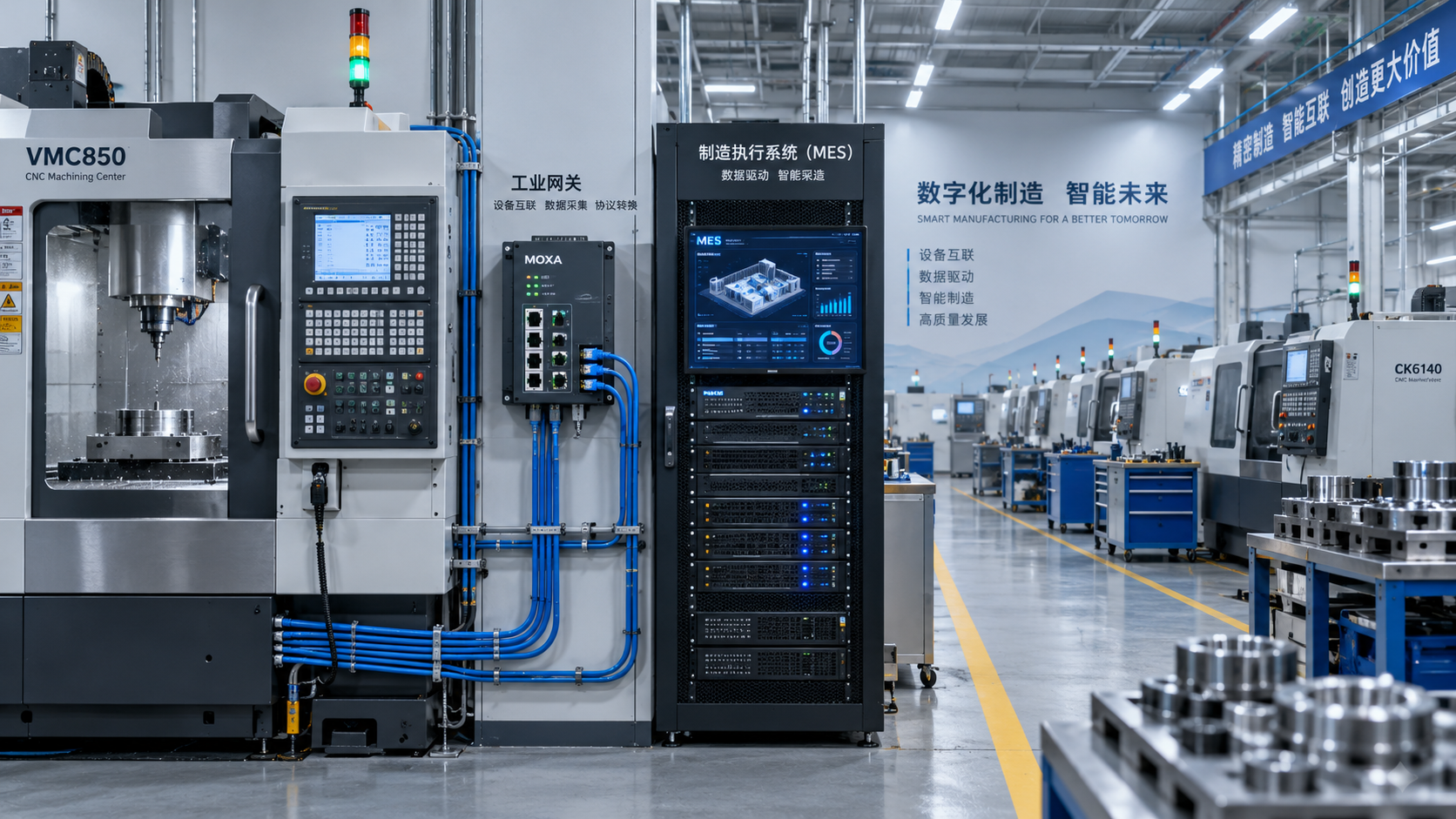
 Digital Manufacturing for Smart Factories: Connecting Legacy Machines to MESMachine Tool Industry Editorial Team
 How to Select a CNC Metal Lathe for Tight-Tolerance Shaft and Sleeve PartsCNC Machining Technology Center
 How to Select an Industrial Lathe for High-Volume Shaft ProductionMachine Tool Industry Editorial Team
 Selecting Machine Tools for Automotive Parts: Accuracy, Throughput, and AutomationMachine Tool Industry Editorial Team
 Industrial Machining: Selecting Processes for Tight-Tolerance Metal PartsCNC Machining Technology Center
 Manufacturing Technology Trends That Improve Throughput and Quality ControlManufacturing Market Research Center



Aris Katos
Future of Carbide Coatings
15+ years in precision manufacturing systems. Specialized in high-speed milling and aerospace grade alloy processing.
▶
Machine Tool Standards by Country: What Importers Must Verify Before PurchaseManufacturing Policy Research Center▶
EU Sets CE-EMC+AI Certification Rule for CNC ExportsManufacturing Policy Research Center▶
EU Rule Update Raises CNC Safety Certification BarManufacturing Policy Research Center▶
U.S. Tightens Reviews for China CNC ExportsManufacturing Policy Research Center▶
EU Tightens CNC Export Compliance from October 2026Manufacturing Policy Research Center
Mastering 5-Axis Workholding Strategies
Join our technical panel on Nov 15th to learn about reducing vibrations in thin-wall components.

Providing you with integrated sanding solutions
Before-sales and after-sales services
Comprehensive technical support