• Global CNC market projected to reach $128B by 2028 • New EU trade regulations for precision tooling components • Aerospace deman
NYSE: CNC +1.2%LME: STEEL -0.4%

US Commerce Dept Proposes Stricter Export Controls on Chinese Advanced Manufacturing Equipment

On May 16, 2026, the U.S. Department of Commerce’s Bureau of Industry and Security (BIS) announced a proposed rule in the Federal Register to tighten export controls on advanced computer numerical control (CNC) systems destined for China. Focused specifically on five-axis and higher联动 CNC systems with adaptive compensation and AI-driven process optimization capabilities, the move targets high-end manufacturing infrastructure and signals a strategic recalibration of technology access in critical industrial sectors.
Event Overview
According to the May 16, 2026, notice in the Federal Register, BIS intends to add ‘five-axis or greater CNC systems featuring adaptive compensation and AI-based process optimization’ to the Export Administration Regulations (EAR) controlled list effective June 2026. The rule introduces mandatory end-user due diligence and licensing requirements for exports, reexports, and in-country transfers involving such systems. No final rule has been published as of this date; the proposal remains subject to public comment and potential revision.
Industries Affected
Direct Trade Enterprises: Exporters and distributors of high-end CNC machine tools and integrated control systems—particularly those supplying U.S.-owned manufacturing facilities in China or contract manufacturers across Southeast Asia—will face new licensing obligations and extended lead times. Compliance burdens increase significantly, especially where end-user verification involves complex multinational supply chains.
Raw Material Procurement Enterprises: While not directly exporting controlled items, firms sourcing precision components (e.g., high-tolerance servo drives, real-time motion controllers, or AI-accelerated FPGA modules) from U.S. or allied suppliers may encounter tighter traceability requirements and downstream licensing conditions if their inputs are incorporated into EAR-controlled CNC systems. This raises due diligence expectations even at Tier-2 and Tier-3 procurement levels.
Manufacturing Enterprises: Domestic Chinese OEMs producing five-axis or higher CNC machines—including those integrating third-party AI software stacks or adaptive sensing hardware—may find U.S.-origin subsystems increasingly difficult to procure or integrate without licenses. Production planning, R&D timelines, and certification pathways for export-ready models could be disrupted, particularly for dual-use or globally marketed platforms.
Supply Chain Service Providers: Logistics intermediaries, customs brokers, and technical compliance consultants supporting cross-border CNC equipment deployment must now assess whether transactions involve EAR-covered functionality—not just physical axis count. Service scope expands to include EAR classification validation, end-user screening, and license application support, demanding deeper technical fluency in both control architecture and regulatory definitions.
Key Considerations and Response Measures
Verify System-Level EAR Classification Early
Companies should conduct internal EAR classification assessments—not only for full machines but also for control units, firmware updates, and AI-enabled software modules—before engaging in sales, integration, or service contracts. Relying solely on axis count is insufficient; functional capabilities (e.g., real-time thermal error compensation, closed-loop toolpath optimization) trigger control.
Strengthen End-User Due Diligence Protocols
Under the proposed rule, exporters bear responsibility for verifying ultimate end use and end users—even when transacting through regional distribution hubs or contract manufacturers. Firms should formalize documentation workflows covering ownership structures, production footprints, and intended applications for each shipment.
Evaluate Localization of Critical Subsystems
Given heightened uncertainty around U.S. component availability, manufacturers should prioritize technical mapping of AI-optimized control layers and identify viable domestic or non-U.S.-allied alternatives for motion control ICs, real-time OS platforms, and calibration algorithm libraries—without compromising functional equivalence or certification integrity.
Monitor Licensing Pathways for Dual-Use Deployments
Some U.S.-affiliated factories in China may qualify for License Exception STA (Strategic Trade Authorization) or other narrow exemptions—but eligibility hinges on strict adherence to end-use assurances and ongoing reporting. Companies should proactively engage legal counsel to determine applicability before initiating any new deployments.
Editorial Perspective / Industry Observation
Analysis shows this proposal reflects a shift from purely hardware-centric controls toward functionality-based regulation—a trend increasingly evident across semiconductor, aerospace, and now advanced manufacturing domains. Observably, BIS is treating AI-enhanced process autonomy not as a software feature but as a defining characteristic of strategic capability. From an industry perspective, this blurs traditional boundaries between machine tools and intelligent cyber-physical systems, raising questions about how regulators will define—and enforce—‘AI process optimization’ across diverse vendor implementations. Current more relevant than ever is the need for transparent, technically grounded dialogue between industry stakeholders and regulatory agencies during the comment period.
Conclusion
This proposed rule does not mark an outright embargo, but rather a calibrated escalation in oversight targeting the intelligence layer of advanced manufacturing infrastructure. Its broader significance lies in reinforcing that control over adaptive, data-driven production capabilities—rather than mere mechanical precision—is now central to national technology security frameworks. A rational interpretation is that global machine tool value chains are entering a phase where regulatory compliance is no longer a back-office function, but a core design and commercial requirement.
Source Attribution
U.S. Department of Commerce, Bureau of Industry and Security: Proposed Rule Notice, Federal Register, Vol. 91, No. 95, May 16, 2026 (Docket No. BIS–2026–0012). Final rule publication, effective date, and potential modifications remain pending. Stakeholders are advised to monitor BIS’s official docket page and forthcoming advisory opinions for clarification on functional thresholds and exemption criteria.
Recommended for You
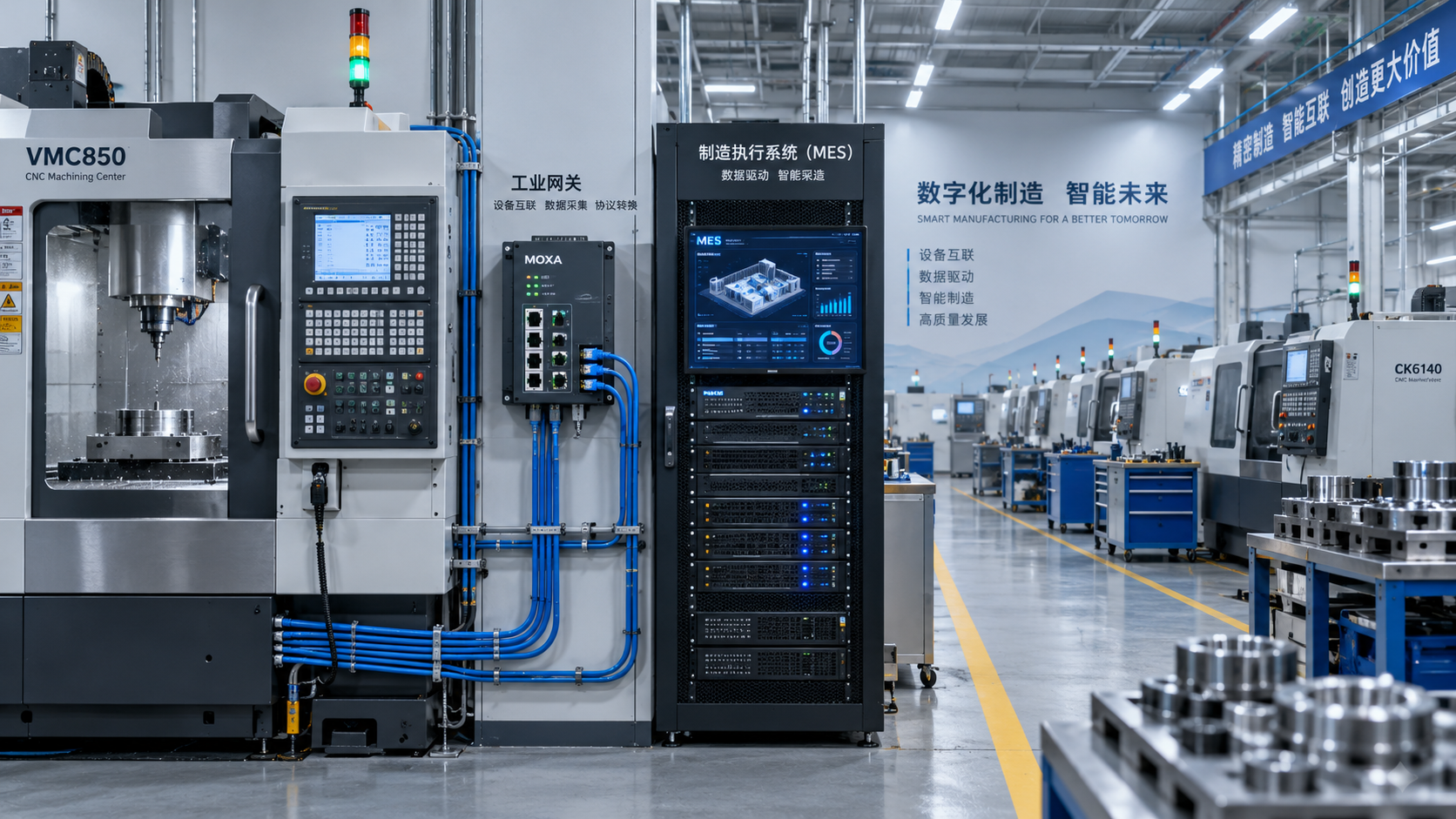
 Digital Manufacturing for Smart Factories: Connecting Legacy Machines to MESMachine Tool Industry Editorial Team
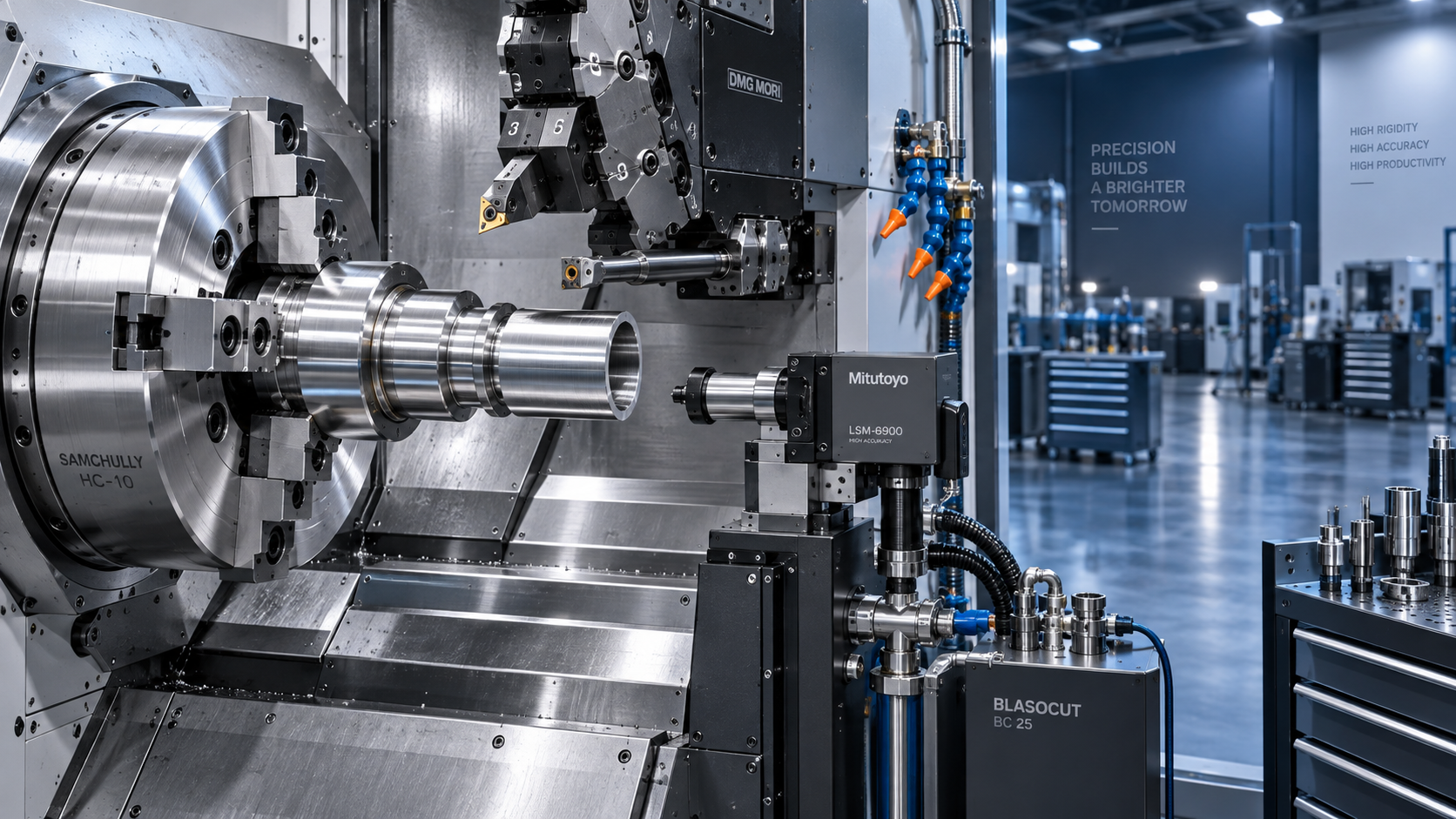
 How to Select a CNC Metal Lathe for Tight-Tolerance Shaft and Sleeve PartsCNC Machining Technology Center
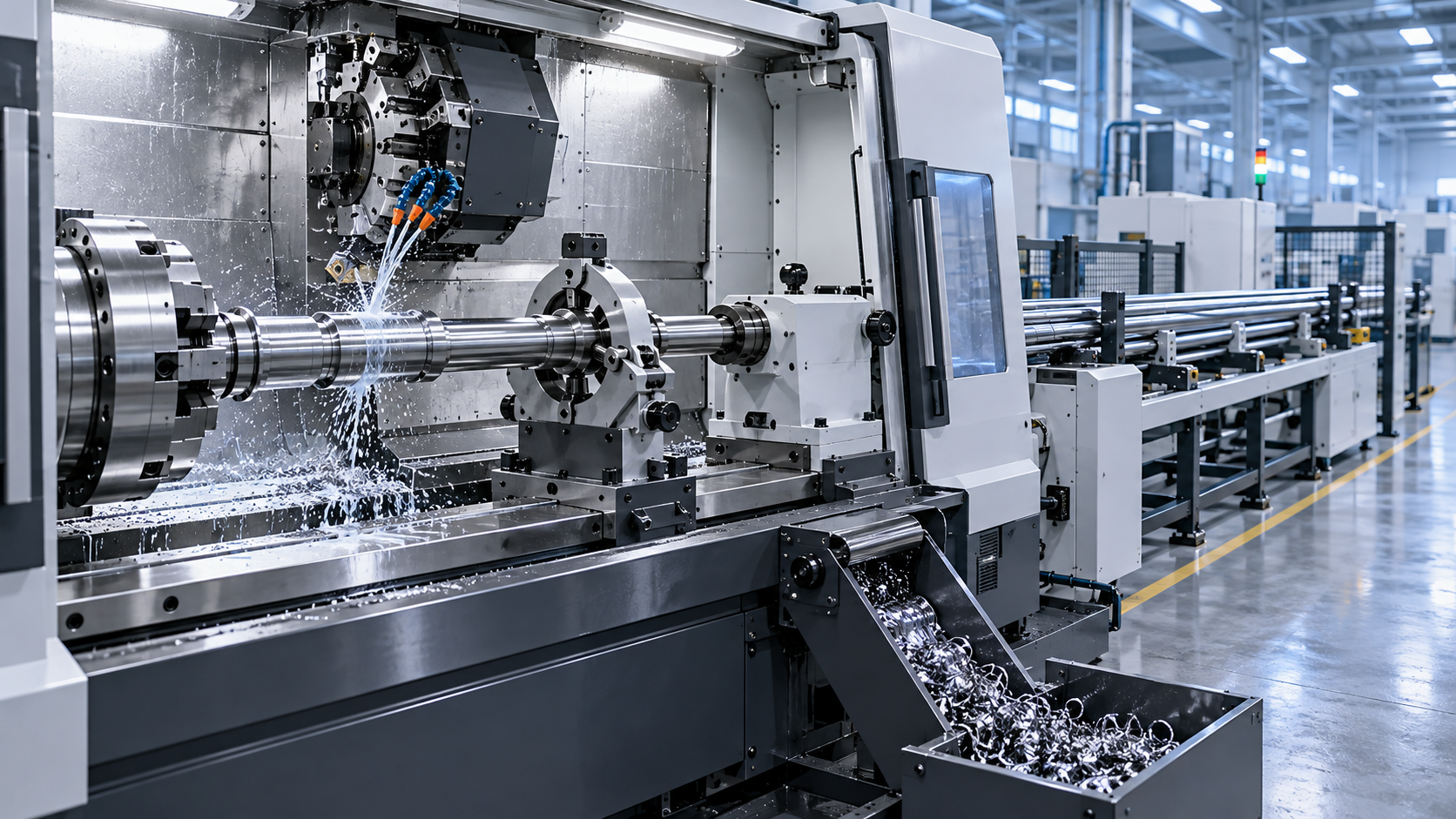
 How to Select an Industrial Lathe for High-Volume Shaft ProductionMachine Tool Industry Editorial Team
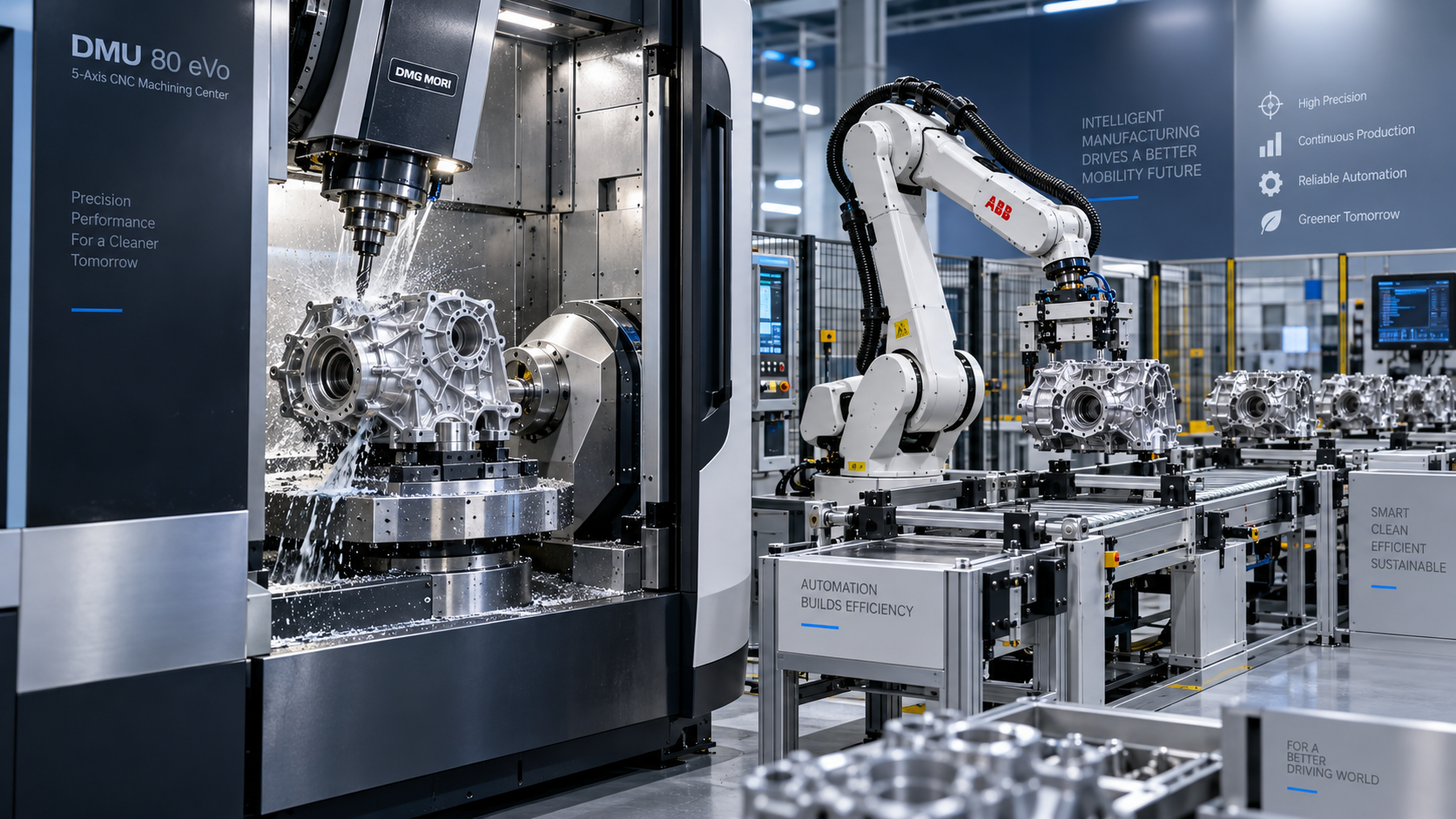
 Selecting Machine Tools for Automotive Parts: Accuracy, Throughput, and AutomationMachine Tool Industry Editorial Team
 Industrial Machining: Selecting Processes for Tight-Tolerance Metal PartsCNC Machining Technology Center
 Manufacturing Technology Trends That Improve Throughput and Quality ControlManufacturing Market Research Center

Aris Katos
Future of Carbide Coatings
15+ years in precision manufacturing systems. Specialized in high-speed milling and aerospace grade alloy processing.
▶
Machine Tool Standards by Country: What Importers Must Verify Before PurchaseManufacturing Policy Research Center▶
EU Sets CE-EMC+AI Certification Rule for CNC ExportsManufacturing Policy Research Center▶
EU Rule Update Raises CNC Safety Certification BarManufacturing Policy Research Center▶
U.S. Tightens Reviews for China CNC ExportsManufacturing Policy Research Center▶
EU Tightens CNC Export Compliance from October 2026Manufacturing Policy Research Center
Mastering 5-Axis Workholding Strategies
Join our technical panel on Nov 15th to learn about reducing vibrations in thin-wall components.

Providing you with integrated sanding solutions
Before-sales and after-sales services
Comprehensive technical support