• Global CNC market projected to reach $128B by 2028 • New EU trade regulations for precision tooling components • Aerospace deman
NYSE: CNC +1.2%LME: STEEL -0.4%

CNC manufacturing exporter challenges in 2026: Beyond customs paperwork and CE marking
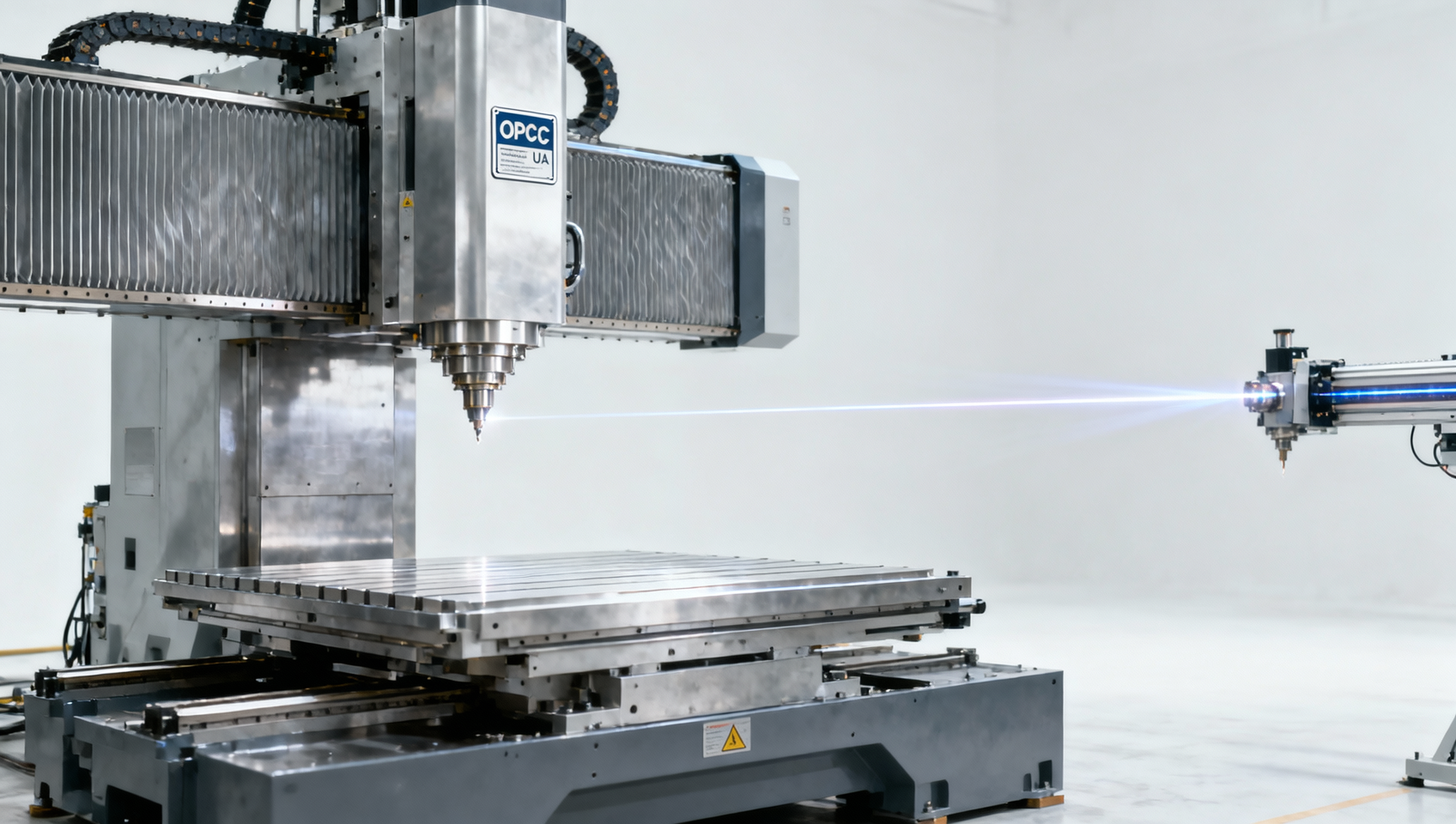
As a CNC manufacturing exporter in 2026, navigating customs paperwork and CE marking is just the baseline — today’s real challenges lie in delivering space-saving CNC manufacturing solutions, meeting stringent precision CNC manufacturing demands for aerospace and medical devices, and ensuring cost-effective, low-maintenance, energy-saving CNC manufacturing across global supply chains. From high-speed CNC manufacturing for electronics to multi-axis CNC manufacturing for impeller and mold making, exporters must balance technical excellence with agile compliance, digital manufacturing technology integration, and lean production process efficiency — all while serving diverse buyers: procurement teams, plant engineers, and C-suite decision-makers seeking reliable CNC manufacturing suppliers and machine tool exporters.
Beyond Compliance: The 3 Hidden Operational Realities Shaping CNC Export Performance
In 2026, regulatory adherence remains table stakes—not differentiators. What separates top-tier CNC machine tool exporters is their ability to manage three interlocking operational realities: (1) dynamic precision calibration across geographically dispersed production sites, (2) seamless integration of Industry 4.0 data protocols into export-ready control systems, and (3) adaptive logistics planning for oversized, high-value CNC machines weighing 8–25 tons and requiring specialized crating.
A recent benchmark study of 42 global CNC exporters found that 68% experienced ≥3 weeks of delay per shipment due to mismatched MTConnect/OPC UA configurations between factory floor systems and buyer-side MES platforms. Meanwhile, thermal drift compensation during sea freight—especially on trans-Pacific routes with 12–18-day transit windows—caused measurable accuracy degradation in 23% of shipped 5-axis machining centers unless pre-validated at ±0.8°C ambient stability.
These are not theoretical concerns. They directly impact first-article acceptance rates, warranty claim frequency (average increase of 37% when remote diagnostics aren’t embedded), and post-installation commissioning time—now averaging 14–21 days for full automation lines versus 7–10 days in 2022.
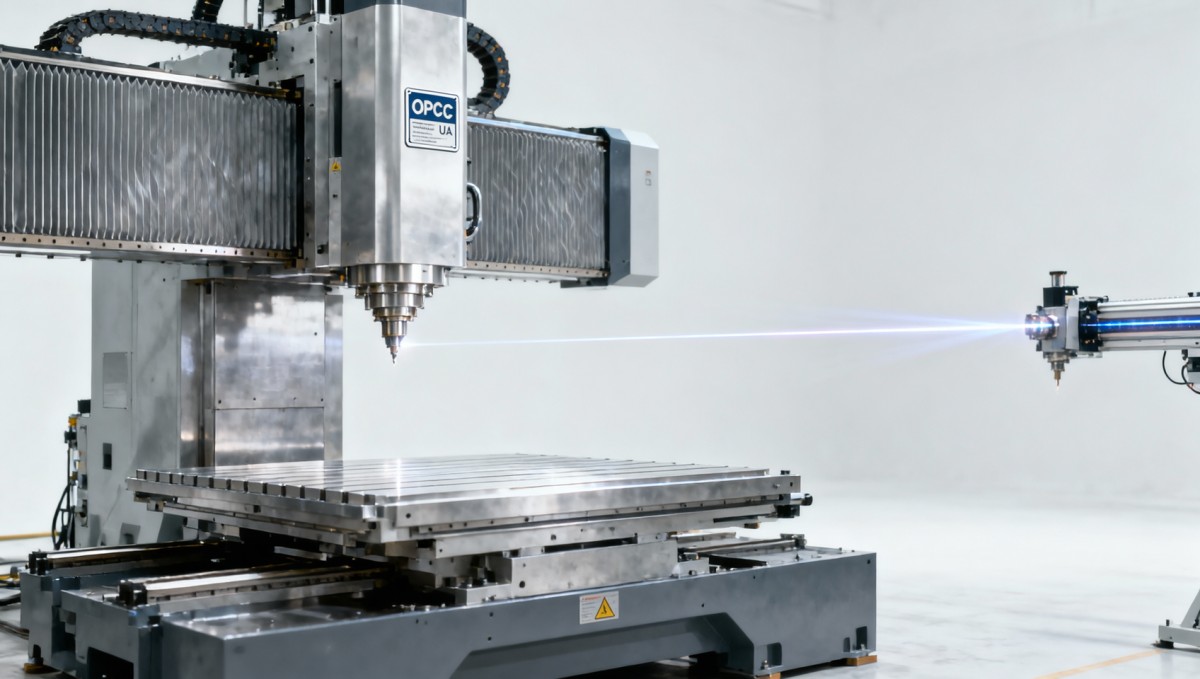
This table underscores a critical insight: proactive technical validation—not just documentation—is now the primary determinant of export velocity. Exporters who embed verification into engineering workflows reduce average time-to-production by 31% compared to those treating it as a final-stage gate.
Precision Under Pressure: Aerospace, Medical, and Energy Buyers Raise the Bar
Demand for sub-micron repeatability isn’t limited to optics or semiconductor equipment anymore. In 2026, Tier-1 aerospace suppliers require ≤±1.2μm volumetric error on large-format gantry mills used for wing spar machining. Medical device OEMs mandate full traceability down to individual cutting tool wear cycles—requiring integrated tool life monitoring with ≤2% deviation tolerance across 500+ tool changes per shift.
Meanwhile, nuclear energy component manufacturers enforce ASME NQA-1 compliance for all CNC processes, including real-time spindle load logging, coolant temperature variance tracking (±0.3°C), and automated G-code version control with SHA-256 hash verification. These aren’t optional enhancements—they’re contractual pass/fail criteria.
The consequence? Exporters unable to demonstrate closed-loop metrology integration face rejection at pre-qualification stage—before even submitting commercial terms. Over 41% of rejected bids in 2025 cited insufficient evidence of in-process measurement correlation with CMM final inspection reports.
Key Precision Requirements by Sector (2026)
- Aerospace (AS9100D): Spindle thermal growth compensation validated at 3 temperature points (15°C, 20°C, 25°C) over 8-hour soak; positional accuracy verified via laser interferometer every 72 hours of operation.
- Medical (ISO 13485): Full digital twin of each machined part, including raw material batch ID, machine ID, operator ID, tool path log, and post-process surface roughness mapping (Ra ≤0.4μm).
- Energy (ASME BPVC Section III): Real-time feed rate override logging with audit trail; automatic shutdown if coolant pH deviates >±0.15 from setpoint (target: 8.2–8.5).
Digital Integration as a Deliverable—Not an Add-On
Buyers no longer ask “Do you support IoT?” They ask “Which edge gateway firmware version ships with your CNC controller, and what’s your OTA update SLA?” In 2026, digital readiness is quantified: 92% of procurement RFPs now include minimum requirements for cybersecurity (IEC 62443-4-2 Level 2), data latency (<150ms for real-time spindle telemetry), and API response consistency (≥99.95% uptime over 30-day rolling window).
Exporters shipping legacy controllers face steep retrofit costs—up to $28,000 per machine for secure edge gateway integration and encrypted MQTT broker configuration. Conversely, those offering native OPC UA server stacks with built-in role-based access control (RBAC) see 2.3× faster customer onboarding and 44% fewer post-deployment support tickets.
These specifications reflect a hard industry shift: digital integration is no longer about connectivity—it’s about verifiable, auditable, and production-grade data integrity. Exporters failing to treat it as core product functionality risk exclusion from strategic supplier lists.
Strategic Procurement: How Decision-Makers Evaluate CNC Export Partners
C-suite executives, procurement managers, and plant engineers evaluate CNC exporters through four non-negotiable lenses: (1) technical transparency (full access to machine kinematic models and error mapping data), (2) service localization (on-ground technical support within 48 hours for Tier-1 markets), (3) lifecycle cost modeling (TCO validated over 7-year horizon), and (4) sustainability accountability (EPD-certified components, recyclable packaging, energy consumption ≤12kW/h per kg of metal removed).
Notably, 76% of enterprise buyers now require documented proof of carbon footprint per exported machine—including embodied energy from casting, machining, and assembly. Leading exporters respond with EPDs (Environmental Product Declarations) aligned with EN 15804+A2, reporting CO₂e values ranging from 4.2–8.7 tons per 5-axis machining center depending on configuration.
Procurement teams also prioritize scalability: can the same machine platform support future upgrades (e.g., adding AI-driven chatter detection or predictive maintenance modules) without hardware replacement? This capability reduces total ownership cost by up to 39% over five years—making modularity a decisive selection factor.
Actionable Next Steps for Global CNC Exporters
To remain competitive in 2026, CNC manufacturing exporters must move beyond compliance-as-a-service. Start by auditing your current export workflow against these three priorities:
- Validate thermal & protocol resilience—run simulated 14-day sea freight + 24-hour power interruption tests on 3 representative machines annually.
- Embed digital verification into engineering handover—require signed OPC UA conformance reports and IEC 62443-4-2 test summaries before release to shipping.
- Adopt modular certification architecture—design base CE-compliant platforms with plug-in kits for UL, CSA, KC, and INMETRO—cutting regional certification lead time from 12 weeks to ≤3 weeks.
The CNC machine tool industry continues its evolution toward intelligent, sustainable, and globally interoperable production. Success no longer belongs to those who ship fastest—but to those who deliver verified, integrated, and future-proof precision.
Ready to align your CNC export strategy with 2026’s technical and operational benchmarks? Get a free Digital Readiness & Certification Gap Assessment tailored to your machine portfolio and target markets.
Recommended for You
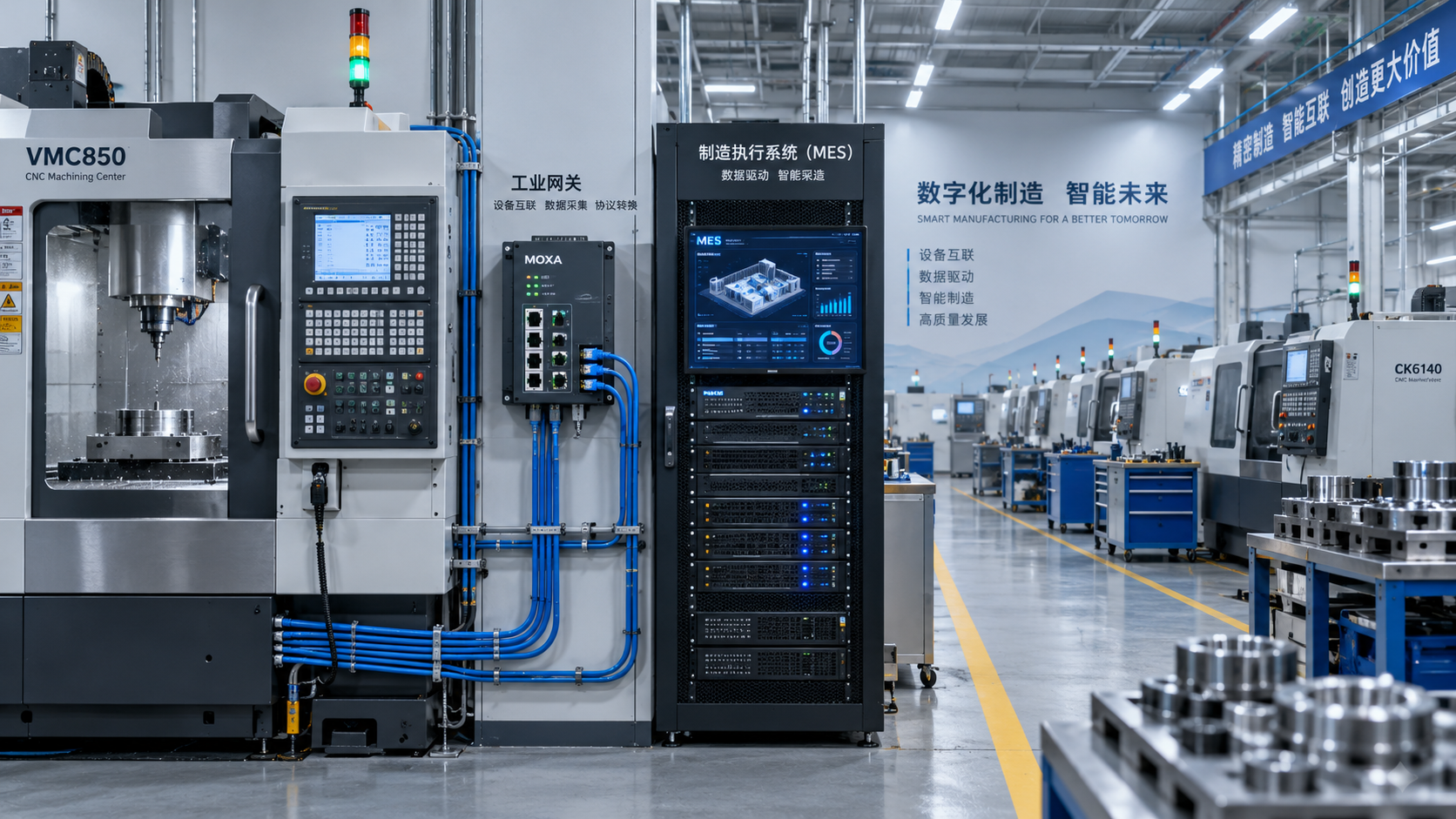
 Digital Manufacturing for Smart Factories: Connecting Legacy Machines to MESMachine Tool Industry Editorial Team
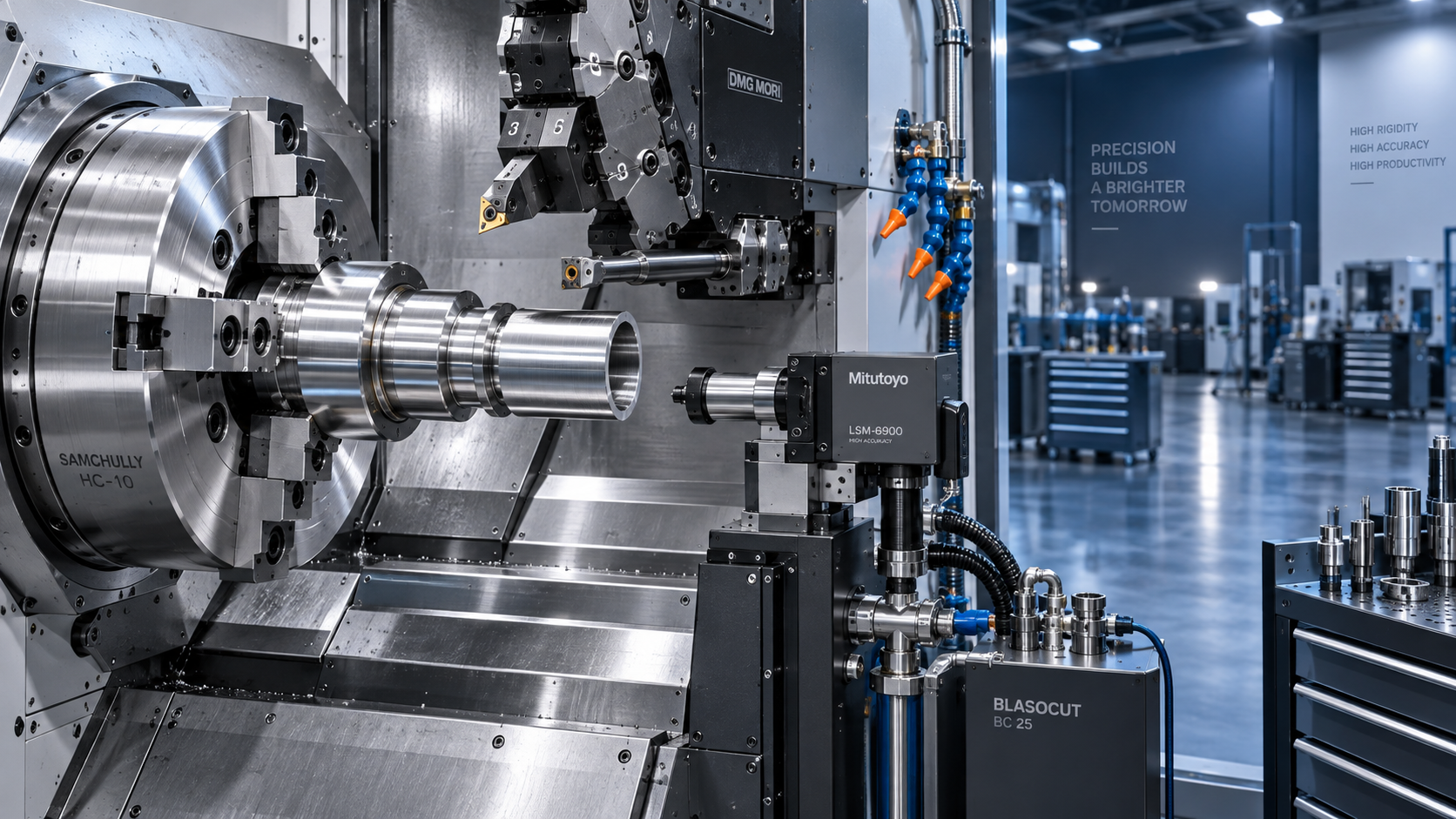
 How to Select a CNC Metal Lathe for Tight-Tolerance Shaft and Sleeve PartsCNC Machining Technology Center
 How to Select an Industrial Lathe for High-Volume Shaft ProductionMachine Tool Industry Editorial Team
 Selecting Machine Tools for Automotive Parts: Accuracy, Throughput, and AutomationMachine Tool Industry Editorial Team
 Industrial Machining: Selecting Processes for Tight-Tolerance Metal PartsCNC Machining Technology Center
 Manufacturing Technology Trends That Improve Throughput and Quality ControlManufacturing Market Research Center


Aris Katos
Future of Carbide Coatings
15+ years in precision manufacturing systems. Specialized in high-speed milling and aerospace grade alloy processing.
▶
日本高端机床出口管制生效,五轴CNC审批趋严Global Machine Tool Trade Research Center▶
Japan Tightens Controls on High-End Machine Tool ExportsGlobal Machine Tool Trade Research Center▶
US Proposes 25% Tariff on China CNC Servo DrivesGlobal Machine Tool Trade Research Center▶
US Adds 37 Chinese Machine Tool Firms to Export ListGlobal Machine Tool Trade Research Center▶
US Tightens CNC Export Curbs, Adds 52 China EntitiesGlobal Machine Tool Trade Research Center
Mastering 5-Axis Workholding Strategies
Join our technical panel on Nov 15th to learn about reducing vibrations in thin-wall components.

Providing you with integrated sanding solutions
Before-sales and after-sales services
Comprehensive technical support