• Global CNC market projected to reach $128B by 2028 • New EU trade regulations for precision tooling components • Aerospace deman
NYSE: CNC +1.2%LME: STEEL -0.4%

Machine tool price volatility: How rare-earth magnet supply chains affect servo motor costs
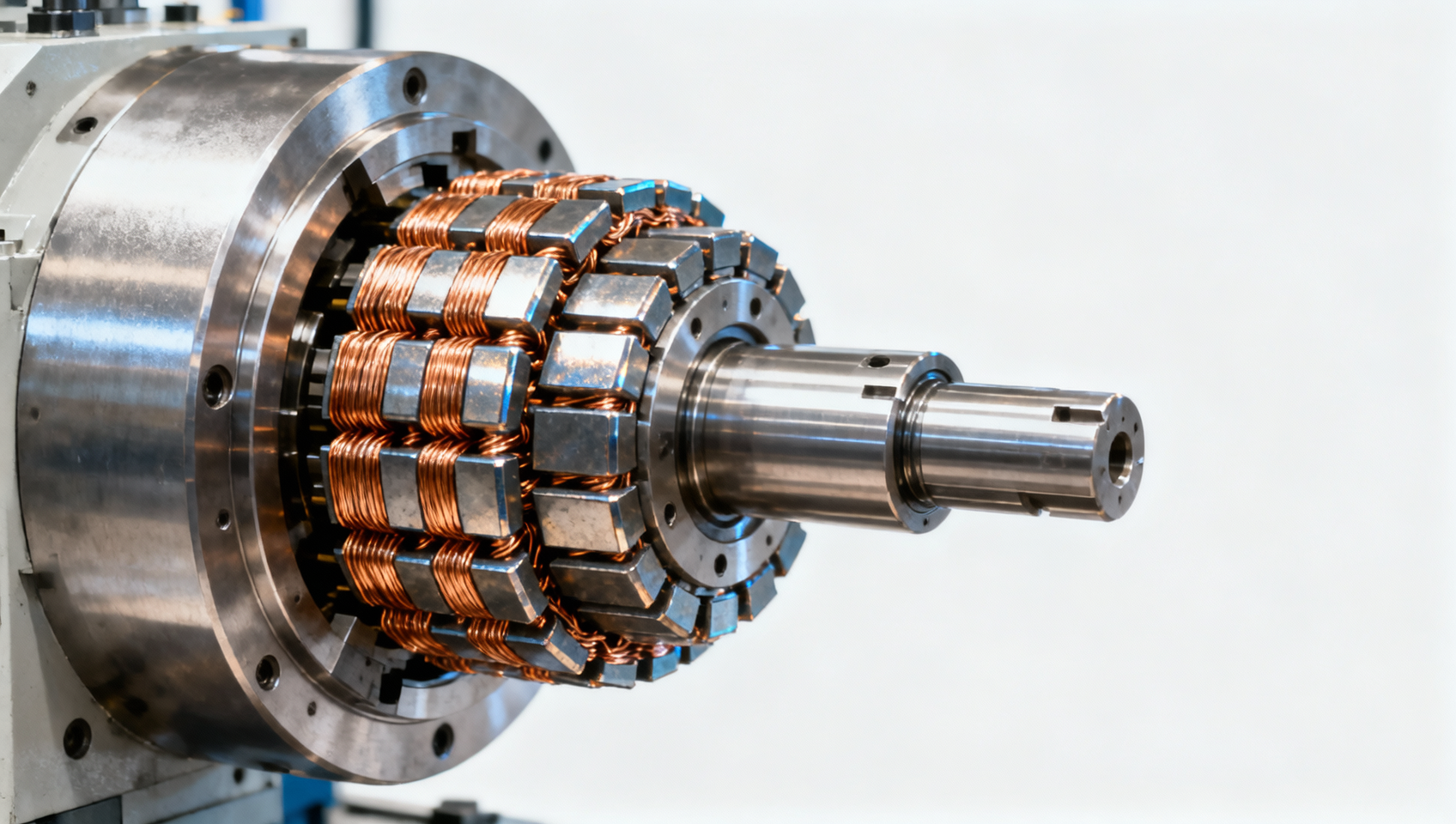
Machine tool price volatility is increasingly driven by disruptions in rare-earth magnet supply chains—critical components for high-precision, high-speed, and automated CNC manufacturing. As demand surges for compact machine tools, energy-saving machine tools, and multi-axis machine tools—especially in aerospace, medical device, and electronics manufacturing—cost pressures ripple across CNC manufacturing wholesalers, exporters, and precision CNC manufacturing suppliers. This article examines how geopolitical shifts, material scarcity, and sustainability mandates impact servo motor costs—and what it means for cost-effective CNC manufacturing, quick setup CNC manufacturing, and lean production process implementation worldwide.
Why Rare-Earth Magnets Are Non-Substitutable in High-Performance Servo Motors
Neodymium-iron-boron (NdFeB) magnets constitute 18–25% of the bill of materials (BOM) in premium-grade servo motors used in 5-axis machining centers and high-dynamic CNC lathes. Their exceptional energy density—up to 52 MGOe—enables torque-to-volume ratios exceeding 3.8 N·m/kg, a threshold unattainable with ferrite or samarium-cobalt alternatives. This directly supports rapid acceleration (≥120 rad/s²), sub-millisecond current response times, and thermal stability up to 150°C—parameters essential for aerospace turbine blade milling and medical implant machining.
China controls ~85% of global NdFeB magnet production and ~90% of magnet recycling capacity. Export restrictions introduced in 2023 on dysprosium and terbium—used to enhance coercivity at elevated temperatures—have extended lead times for Grade N42SH+ magnets from 8 weeks to 14–18 weeks. Meanwhile, EU’s Critical Raw Materials Act mandates 15% domestic processing capacity by 2030, accelerating nearshoring efforts but adding 12–18 months to new facility commissioning.
For procurement professionals, this translates into a 22–35% cost variance between spot purchases and 12-month forward contracts signed before Q2 2024. The volatility isn’t linear: price spikes exceed 40% during geopolitical escalations (e.g., export license suspensions), while oversupply events—like the 2022 rare-earth oxide inventory surplus—trigger 15–20% corrections within 90 days.
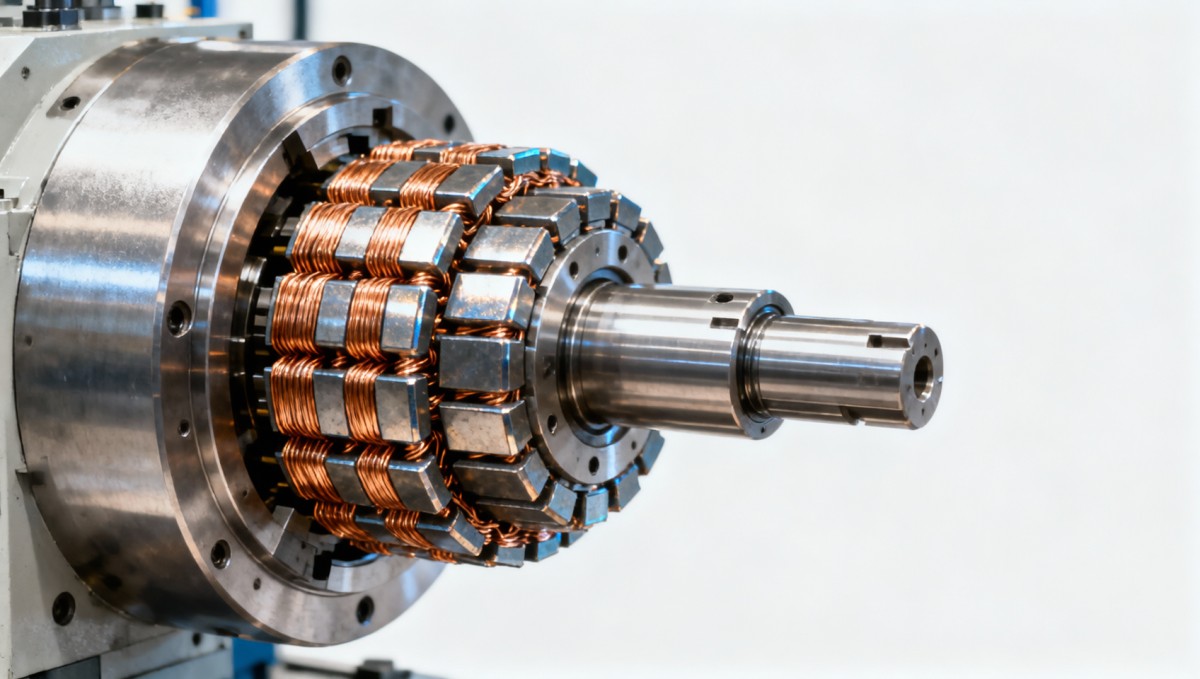
Servo Motor Cost Breakdown: How Magnet Fluctuations Cascade Through the BOM
A typical 10 kW servo motor for vertical machining centers comprises four major cost layers: rare-earth magnets (23%), copper windings (31%), silicon steel laminations (17%), and precision housing/encoder assembly (29%). While copper and steel prices fluctuate ±8% annually, NdFeB magnet costs have swung ±37% over the past 24 months—driving >65% of total motor cost variance.
This asymmetry forces manufacturers to adopt tiered sourcing strategies. Tier-1 OEMs like DMG Mori and Okuma now dual-source magnets from Chinese producers (e.g., JL Mag) and EU-based recyclers (e.g., HyProMag), accepting 5–7% higher base cost for guaranteed allocation and reduced compliance risk. Smaller precision CNC suppliers, however, face MOQs of 5,000 units per grade—making hedging impractical without inventory financing.
The table reveals a critical insight: magnet-driven volatility dominates cost planning. Procurement teams must now treat NdFeB as a strategic commodity—not a passive component. Forward contracting windows have narrowed from 12 months to 4–6 months, and minimum order quantities for stable pricing tiers now start at 2,500 units for mid-power (3–7 kW) servo models.
Mitigation Strategies for CNC Manufacturers and Buyers
Three proven mitigation approaches are gaining traction among Tier-2 machine tool builders and contract manufacturers:
- Design-for-Recyclability Integration: Using modular magnet housings that allow field replacement of NdFeB segments—reducing full-motor scrap rates by up to 40% during maintenance cycles.
- Hybrid Magnet Sourcing: Blending primary NdFeB (for peak torque) with recycled-content magnets (for holding torque)—cutting raw-material exposure by 30% without compromising ISO 230-2 positioning accuracy (±0.002 mm).
- Motor-as-a-Service (MaaS) Contracts: Leasing servo systems with embedded magnet-price indexing clauses—capping annual cost increases at CPI+2%, widely adopted by German automotive Tier-1 suppliers since Q3 2023.
For quick setup CNC manufacturing lines, standardized servo platforms (e.g., Siemens SIMOTICS S-1FL6 series) offer pre-certified magnet substitution paths—validated for ≤15% torque derating under sustained 130°C operation. These configurations reduce engineering validation time from 12 weeks to 3 weeks, a decisive advantage in electronics contract manufacturing where time-to-market compression targets average 22% YoY.
Procurement Decision Matrix: Evaluating Supplier Resilience
When selecting servo motor suppliers, decision-makers should evaluate across six resilience dimensions—not just unit cost. Leading procurement teams now score vendors using weighted criteria that reflect real-world supply chain fragility.
Suppliers scoring ≥85% on this matrix typically deliver 27% lower total cost of ownership over 5 years—factoring in inventory carry costs, obsolescence risk, and engineering requalification delays. This metric is now embedded in RFPs issued by top-tier aerospace subcontractors and Japanese electronics equipment OEMs.
Future-Proofing CNC Investments Amid Material Uncertainty
Looking ahead, three converging trends will reshape servo motor procurement: First, EU’s REPowerEU initiative will fund €1.2B in magnet recycling infrastructure by 2027—potentially cutting European NdFeB import dependency from 97% to 68%. Second, AI-driven predictive BOM modeling (e.g., Siemens’ Xcelerator platform) now forecasts magnet cost trajectories with 89% accuracy at 90-day horizons. Third, lean production process implementations increasingly prioritize “servo modularity”—standardized motor footprints enabling plug-and-play magnet upgrades without mechanical redesign.
For enterprise decision-makers, the imperative is clear: treat servo motor selection not as an isolated component buy, but as a strategic node in your digital twin-enabled supply chain. Integrating magnet availability dashboards into ERP systems reduces reactive purchasing by 41% and improves master scheduling confidence by 33%—key metrics for achieving true quick setup CNC manufacturing.
To navigate these dynamics with confidence, connect with our global procurement intelligence team for customized rare-earth supply mapping, forward-contract benchmarking, and servo motor specification alignment—tailored to your machine tool portfolio and production roadmap.
Recommended for You
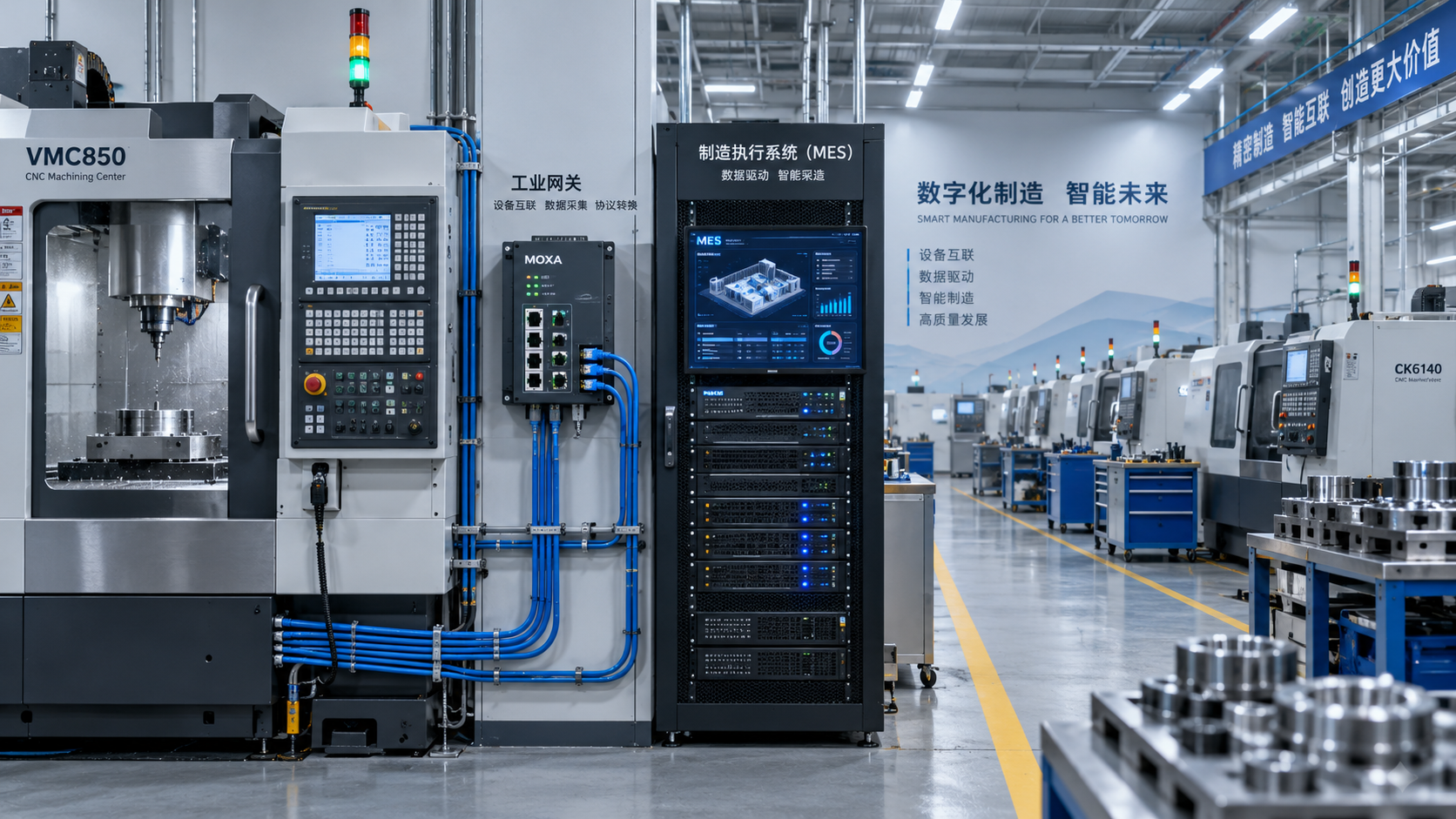
 Digital Manufacturing for Smart Factories: Connecting Legacy Machines to MESMachine Tool Industry Editorial Team
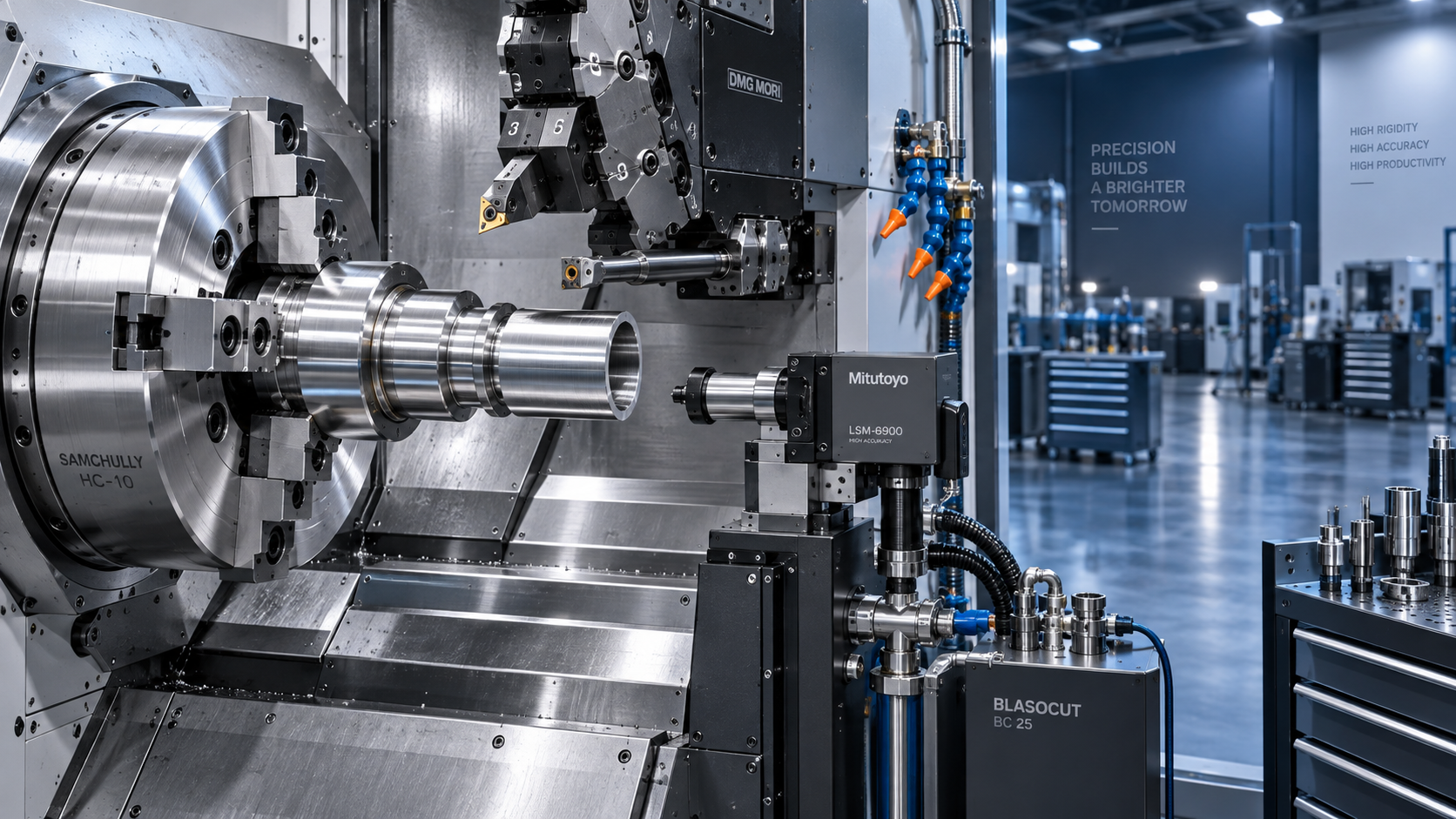
 How to Select a CNC Metal Lathe for Tight-Tolerance Shaft and Sleeve PartsCNC Machining Technology Center
 How to Select an Industrial Lathe for High-Volume Shaft ProductionMachine Tool Industry Editorial Team
 Selecting Machine Tools for Automotive Parts: Accuracy, Throughput, and AutomationMachine Tool Industry Editorial Team
 Industrial Machining: Selecting Processes for Tight-Tolerance Metal PartsCNC Machining Technology Center
 Manufacturing Technology Trends That Improve Throughput and Quality ControlManufacturing Market Research Center

Aris Katos
Future of Carbide Coatings
15+ years in precision manufacturing systems. Specialized in high-speed milling and aerospace grade alloy processing.
▶
Shenzhen Port Launches Green Shipping Corridor, Raising Carbon Compliance for CNC ExportsGlobal Machine Tool Trade Research Center▶
China, UAE Launch Direct Sea Route for CNC Equipment ExportsGlobal Machine Tool Trade Research Center▶
China Rolls Out Nationwide Cross-Border Cash Pooling for Multinationals on Sept. 14Global Machine Tool Trade Research Center▶
Turkey Customs Launches AI HS Tool for CNC ImportsGlobal Machine Tool Trade Research Center▶
Maersk Launches CNC Priority Lane to EuropeGlobal Machine Tool Trade Research Center
Mastering 5-Axis Workholding Strategies
Join our technical panel on Nov 15th to learn about reducing vibrations in thin-wall components.

Providing you with integrated sanding solutions
Before-sales and after-sales services
Comprehensive technical support