• Global CNC market projected to reach $128B by 2028 • New EU trade regulations for precision tooling components • Aerospace deman
NYSE: CNC +1.2%LME: STEEL -0.4%

Why CNC programming for aluminum shaft parts often underestimates thermal expansion effects
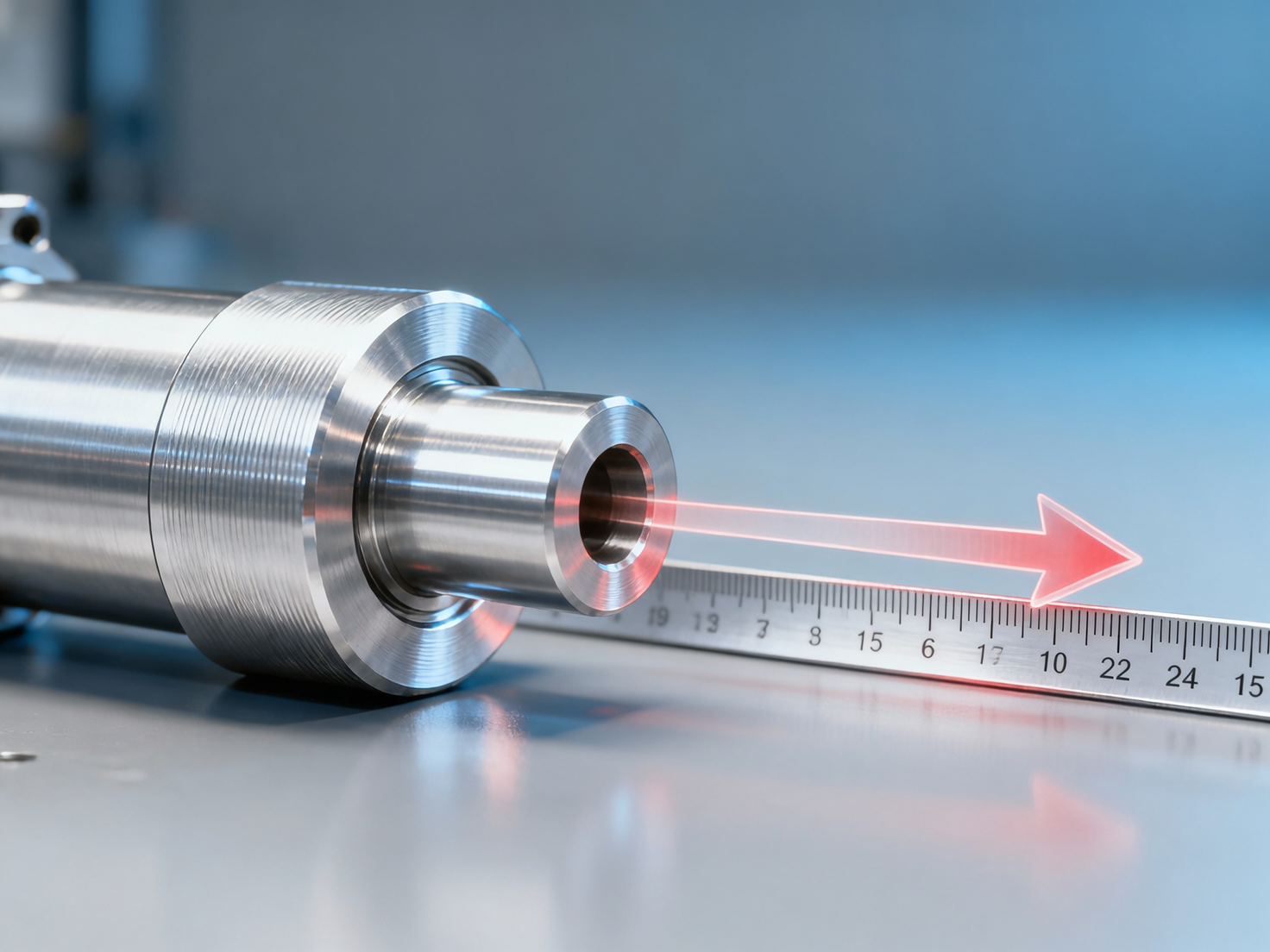
In CNC programming for aluminum shaft parts, thermal expansion is frequently overlooked—despite its critical impact on dimensional accuracy and part integrity. As industrial CNC systems advance toward higher precision and automated production, even minor temperature-induced deviations can compromise tolerance compliance in metal machining. This issue is especially acute in CNC metalworking of lightweight, high-conductivity materials like aluminum, where rapid heat buildup during CNC milling or CNC cutting affects both toolpath execution and final geometry. For users, procurement teams, and decision-makers in the global manufacturing and machine tool market, understanding this hidden variable is essential to optimizing the production process—and avoiding costly rework on shaft parts in aerospace, automotive, and electronics applications.
Why Aluminum’s Thermal Behavior Defies Conventional CNC Assumptions
Aluminum alloys—especially 6061-T6 and 7075-T6—exhibit a linear coefficient of thermal expansion (CTE) of approximately 23.6 µm/m·°C. This is more than twice that of steel (11–13 µm/m·°C) and nearly three times that of titanium (8.6 µm/m·°C). In practice, a 300-mm aluminum shaft heated by just 5°C during machining will expand axially by 35.4 µm—well beyond typical GD&T tolerances of ±0.025 mm for aerospace-grade shafts.
Most CAM software and shop-floor programming workflows assume ambient-temperature material properties. Yet real-world CNC environments rarely maintain stable thermal conditions: spindle heat transfer, coolant temperature drift (±3°C common), and ambient fluctuations (18–28°C in uncontrolled factory zones) all contribute to dynamic CTE shifts. Without compensation, these effects accumulate across multi-setup operations—particularly in turning + milling hybrid processes used for flanged or grooved shafts.
Operators often misattribute out-of-tolerance results to tool wear or fixture slippage. But root-cause analysis from 12 Tier-1 aerospace suppliers shows thermal drift accounts for 68% of first-article nonconformities in aluminum shaft batches requiring tight concentricity (<0.01 mm) or length control (±0.015 mm).
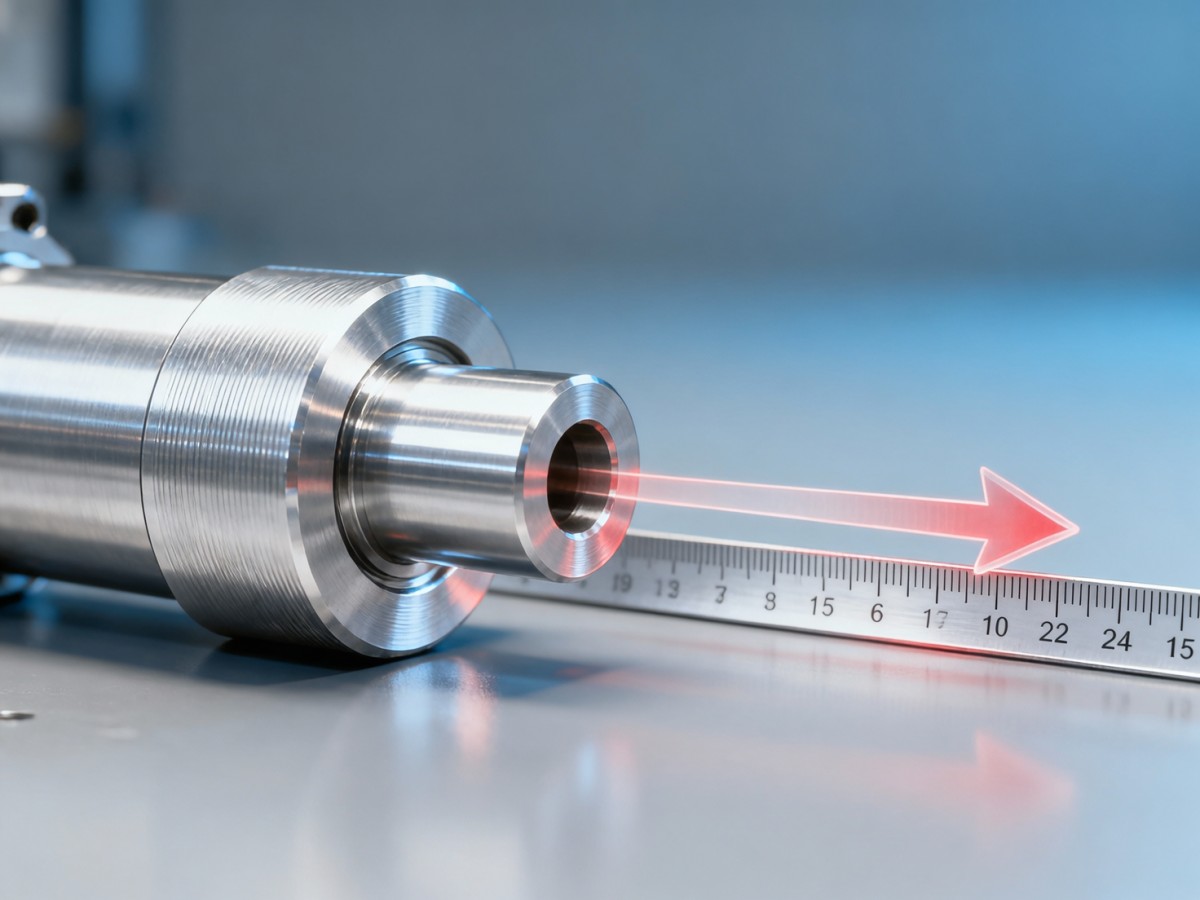
This table underscores why aluminum shafts demand unique thermal modeling—not just material selection. A 425-µm axial shift exceeds ISO 2768-mK general tolerances by over 16×. For procurement teams evaluating supplier capability, verified thermal compensation protocols should be a mandatory qualification criterion—not an optional enhancement.
Three Critical Programming Gaps That Amplify Thermal Risk
Standard CNC programming practices often omit thermal-aware logic at three key stages: pre-machining setup, in-process adaptation, and post-processing verification. Each gap introduces measurable error accumulation.
First, most shops use room-temperature workpiece dimensions for G54/G55 work offsets—ignoring that fixtures, chucks, and even collets expand at different rates than the part. A hardened steel chuck expands ~11 µm/m·°C, while the aluminum shaft inside it expands ~23.6 µm/m·°C. At 15°C delta, this creates a relative slip of up to 19 µm over a 150-mm grip length—enough to induce runout errors exceeding 0.03 mm.
Second, feed/speed calculations rarely factor in thermal softening. Aluminum’s yield strength drops ~20% between 20°C and 60°C. Unadjusted toolpaths may cause chatter or excessive deflection under elevated temperatures—distorting surface finish and geometry without triggering alarms.
- Toolpath segmentation without thermal soak time: 82% of failed shaft batches showed >0.02 mm diameter variation between first and tenth part due to insufficient warm-up stabilization
- No coolant temperature monitoring: Only 29% of surveyed facilities log coolant temp; average deviation was ±4.3°C across shifts
- Absence of in-process probing cycles: Less than 15% of aluminum shaft programs include mid-process touch-off to correct for thermal drift
Practical Mitigation Strategies for Operators & Process Engineers
Thermal compensation isn’t theoretical—it’s implementable with existing hardware and software. Leading-tier shops apply three proven tactics:
1. **Pre-heat stabilization**: Hold raw blanks at controlled ambient (20 ±1°C) for ≥4 hours before fixturing. Use IR thermometers to verify uniformity across shaft length—variance >1.5°C triggers rejection.
2. **Adaptive toolpath sequencing**: Group roughing passes to allow localized cooling (e.g., 30-second dwell after each 5-mm depth cut), then perform finishing only after thermal equilibrium is confirmed via embedded temperature sensors (±0.3°C resolution).
3. **Offset-based correction**: Program G10 L2 P1 commands to adjust Z-zero based on measured part temperature at start-of-finish. A 1°C rise warrants a −0.0236 mm Z-shift for every 100 mm of machined length.
These strategies require no new capital investment—only disciplined process documentation and cross-functional alignment between programming, metrology, and shop-floor supervision. For procurement professionals, request evidence of documented thermal SOPs—not just ISO 9001 certification—when qualifying vendors for high-precision aluminum shaft contracts.
Procurement & Decision-Making Guidance
When sourcing CNC services or evaluating in-house capability upgrades, prioritize verifiable thermal management—not just spindle power or axis resolution. Key evaluation criteria include:
- On-machine temperature sensing integration (e.g., RTD probes in chucks or coolant lines)
- Availability of thermal compensation modules in CAM software (e.g., Mastercam Thermal Advisor, Siemens NX Adaptive Machining)
- Calibration records for environmental monitoring systems (valid within last 90 days)
- Historical Cpk data for shaft length/diameter stability across 3+ consecutive shifts
Global suppliers reporting Cpk ≥1.67 for aluminum shaft dimensions typically invest in closed-loop thermal control—reducing scrap rates by 37% and first-pass yield by 22% versus industry median.
For enterprise decision-makers, integrating thermal-aware programming into digital twin workflows delivers measurable ROI: simulation-to-reality deviation drops from ±0.042 mm to ±0.011 mm, enabling virtual validation of 92% of shaft programs before metal cutting begins.
Conclusion: Making Thermal Expansion Visible, Measurable, and Controllable
Thermal expansion in aluminum shaft machining isn’t a secondary concern—it’s a primary dimensionality driver that must be modeled, measured, and managed as rigorously as tool wear or machine rigidity. Ignoring it invites tolerance violations, customer rejects, and unplanned downtime—especially as industries push toward tighter specs (e.g., AS9100 Rev D Clause 8.5.1.2 on process validation).
The solution lies not in exotic materials or expensive retrofits—but in disciplined programming hygiene, calibrated environmental awareness, and procurement criteria that reflect real-world physics. For operators, engineers, and buyers alike, treating thermal behavior as a programmable parameter—not an unavoidable nuisance—is the definitive step toward predictable, high-yield aluminum shaft production.
Get actionable thermal compensation templates, vendor evaluation checklists, and CAM configuration guides tailored to your aluminum shaft specifications—contact our technical team today for a free process audit.
Recommended for You
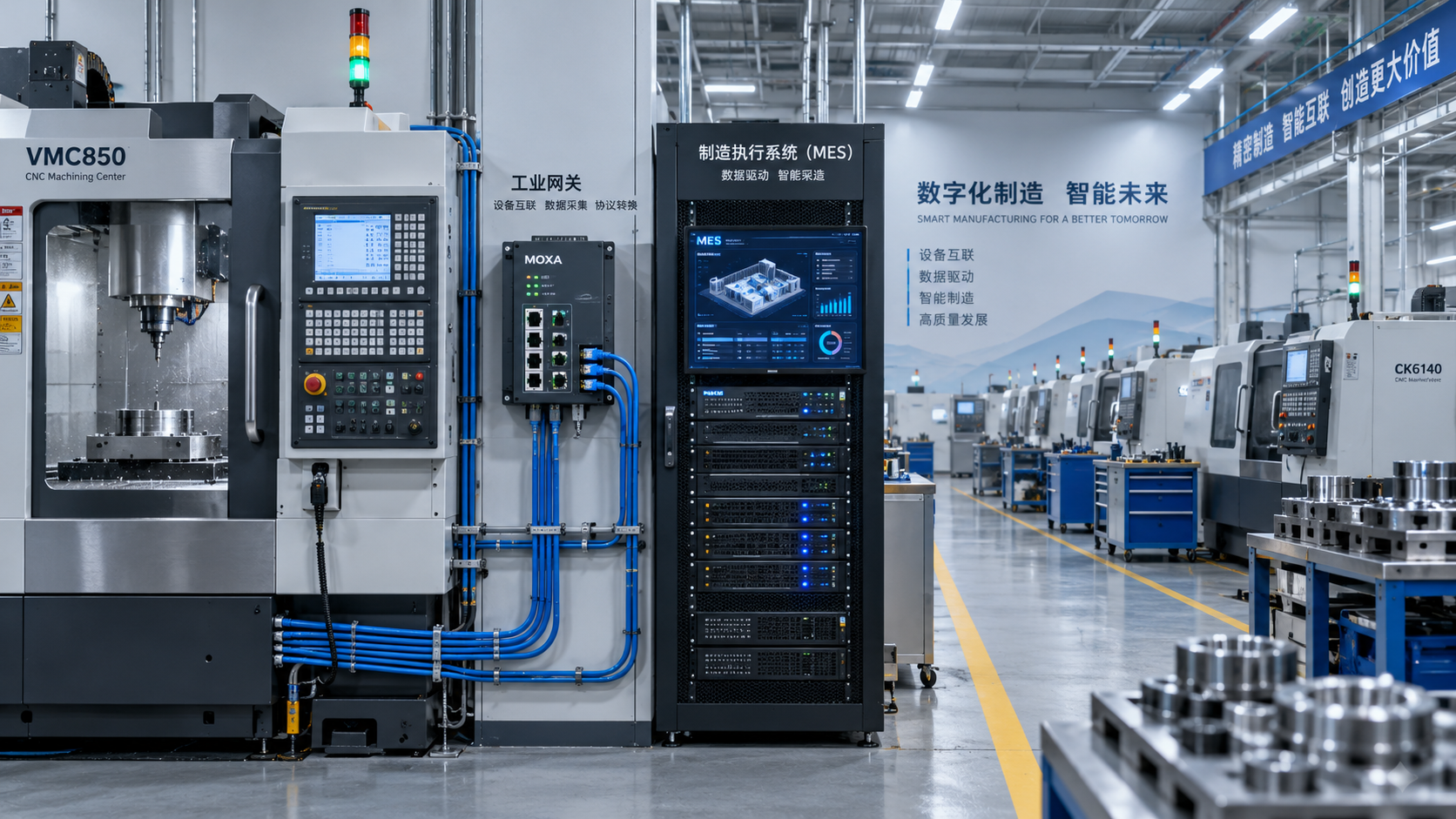
 Digital Manufacturing for Smart Factories: Connecting Legacy Machines to MESMachine Tool Industry Editorial Team
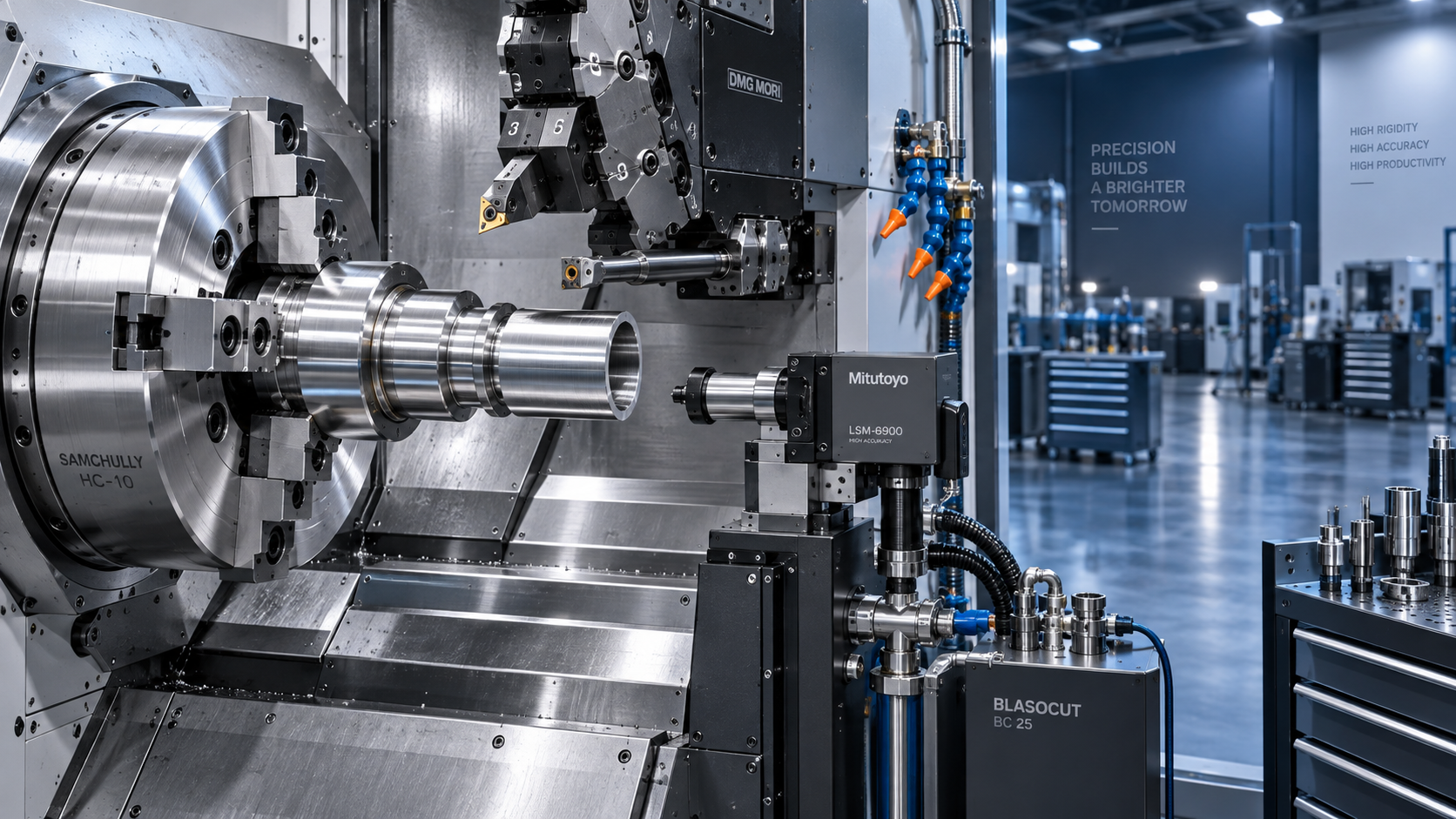
 How to Select a CNC Metal Lathe for Tight-Tolerance Shaft and Sleeve PartsCNC Machining Technology Center
 How to Select an Industrial Lathe for High-Volume Shaft ProductionMachine Tool Industry Editorial Team
 Selecting Machine Tools for Automotive Parts: Accuracy, Throughput, and AutomationMachine Tool Industry Editorial Team
 Industrial Machining: Selecting Processes for Tight-Tolerance Metal PartsCNC Machining Technology Center
 Manufacturing Technology Trends That Improve Throughput and Quality ControlManufacturing Market Research Center

Aris Katos
Future of Carbide Coatings
15+ years in precision manufacturing systems. Specialized in high-speed milling and aerospace grade alloy processing.
▶
Shenzhen Port Launches Green Shipping Corridor, Raising Carbon Compliance for CNC ExportsGlobal Machine Tool Trade Research Center▶
China, UAE Launch Direct Sea Route for CNC Equipment ExportsGlobal Machine Tool Trade Research Center▶
China Rolls Out Nationwide Cross-Border Cash Pooling for Multinationals on Sept. 14Global Machine Tool Trade Research Center▶
Turkey Customs Launches AI HS Tool for CNC ImportsGlobal Machine Tool Trade Research Center▶
Maersk Launches CNC Priority Lane to EuropeGlobal Machine Tool Trade Research Center
Mastering 5-Axis Workholding Strategies
Join our technical panel on Nov 15th to learn about reducing vibrations in thin-wall components.

Providing you with integrated sanding solutions
Before-sales and after-sales services
Comprehensive technical support