• Global CNC market projected to reach $128B by 2028 • New EU trade regulations for precision tooling components • Aerospace deman
NYSE: CNC +1.2%LME: STEEL -0.4%

How High Precision Machine Tools Improve Part Consistency
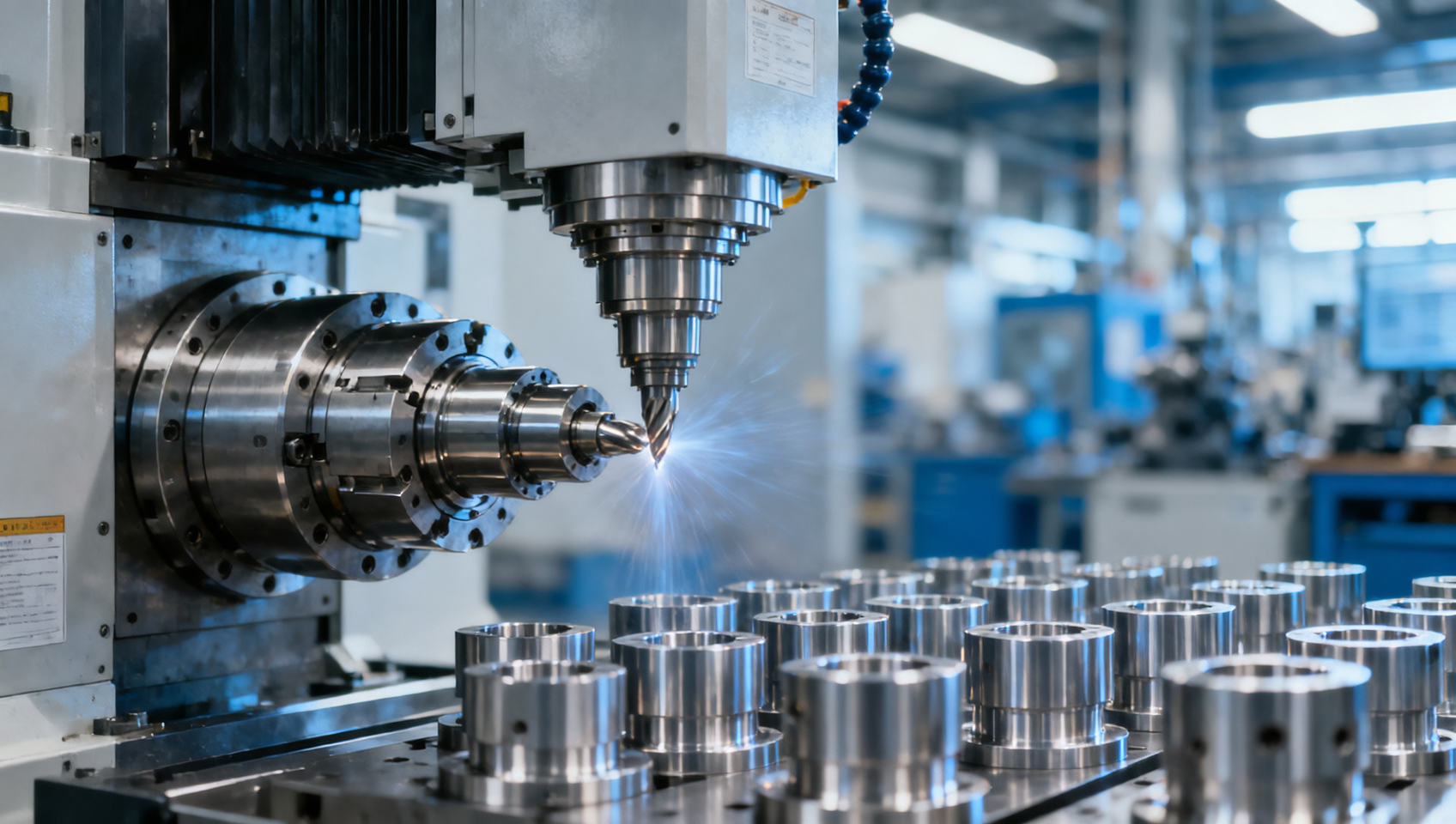
High precision machine tools are reshaping modern manufacturing by delivering tighter tolerances, stable repeatability, and better part consistency across industries. From precision CNC manufacturing and multi-axis machine tool applications to automated CNC manufacturing for aerospace, electronics, and energy equipment, these systems help users reduce variation, improve efficiency, and support smarter production decisions.
For researchers, operators, buyers, and business decision-makers, part consistency is not just a technical target. It directly affects assembly fit, product reliability, scrap rate, inspection cost, and delivery performance. In sectors where batches may range from 50 parts to 50,000 parts, even a deviation of a few microns can create downstream problems in machining, coating, testing, or final assembly.
This is why high precision machine tools have become a strategic investment rather than a simple equipment upgrade. Their value lies in controlling variation across the full production cycle: spindle stability, axis positioning, thermal management, tool wear compensation, fixture repeatability, and digital process control. When these elements work together, manufacturers gain more predictable output and stronger production confidence.
Why Part Consistency Matters in Modern CNC Production
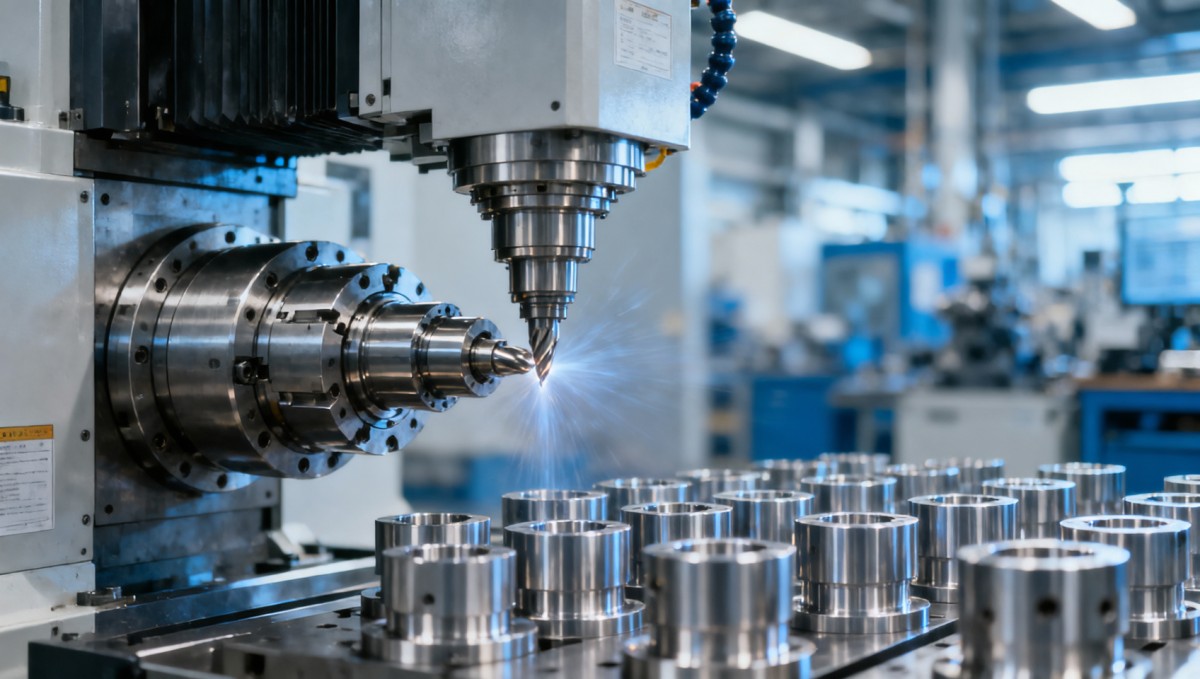
Part consistency means that each workpiece in a batch remains within the required dimensional, geometric, and surface finish limits. In precision CNC manufacturing, this often involves tolerance bands such as ±0.005 mm to ±0.02 mm, depending on the material, machine structure, and end-use application. The narrower the tolerance, the more important machine stability becomes.
In automotive and electronics production, consistent parts reduce assembly interruptions and rework. In aerospace and energy equipment, consistency is tied even more closely to functional safety, fatigue life, and performance under load. A machine tool that can hold repeatability over 8-hour, 16-hour, or 24-hour production windows gives manufacturers a measurable quality advantage.
Operators often see the issue first on the shop floor. One shift may produce acceptable dimensions, while the next shows drift caused by heat buildup, tool wear, or unstable clamping. Procurement teams may only see the result later as rising rejection rates, delayed delivery, or increased inspection hours. High precision machine tools help bridge this gap by making process output more stable from the start.
For enterprise leaders, consistency also influences total manufacturing cost. A 2% to 5% reduction in scrap can be significant in high-value metals, while a 10% to 20% drop in rework hours can improve capacity without adding labor. In this sense, part consistency is both a quality metric and a profitability lever.
Common Consequences of Poor Consistency
- Dimensional drift across batches, especially after 2 to 4 hours of continuous machining.
- Mismatch in assembled components, causing force-fit issues or vibration problems.
- Higher inspection frequency, including 100% checks instead of sampling inspection.
- Unexpected downtime due to repeated offset adjustment and tool replacement.
Typical Quality Factors Linked to Machine Precision
Consistency is affected by several machine-level variables. These include positioning accuracy, repeat positioning accuracy, spindle runout, vibration behavior, and thermal growth control. In many practical applications, repeatability has a greater influence on batch consistency than peak cutting speed alone.
The table shows why part consistency depends on more than advertised spindle power or rapid feed. In real production, repeatability, runout control, and thermal behavior often determine whether a machine can maintain stable quality over hundreds or thousands of cycles.
How High Precision Machine Tools Control Variation
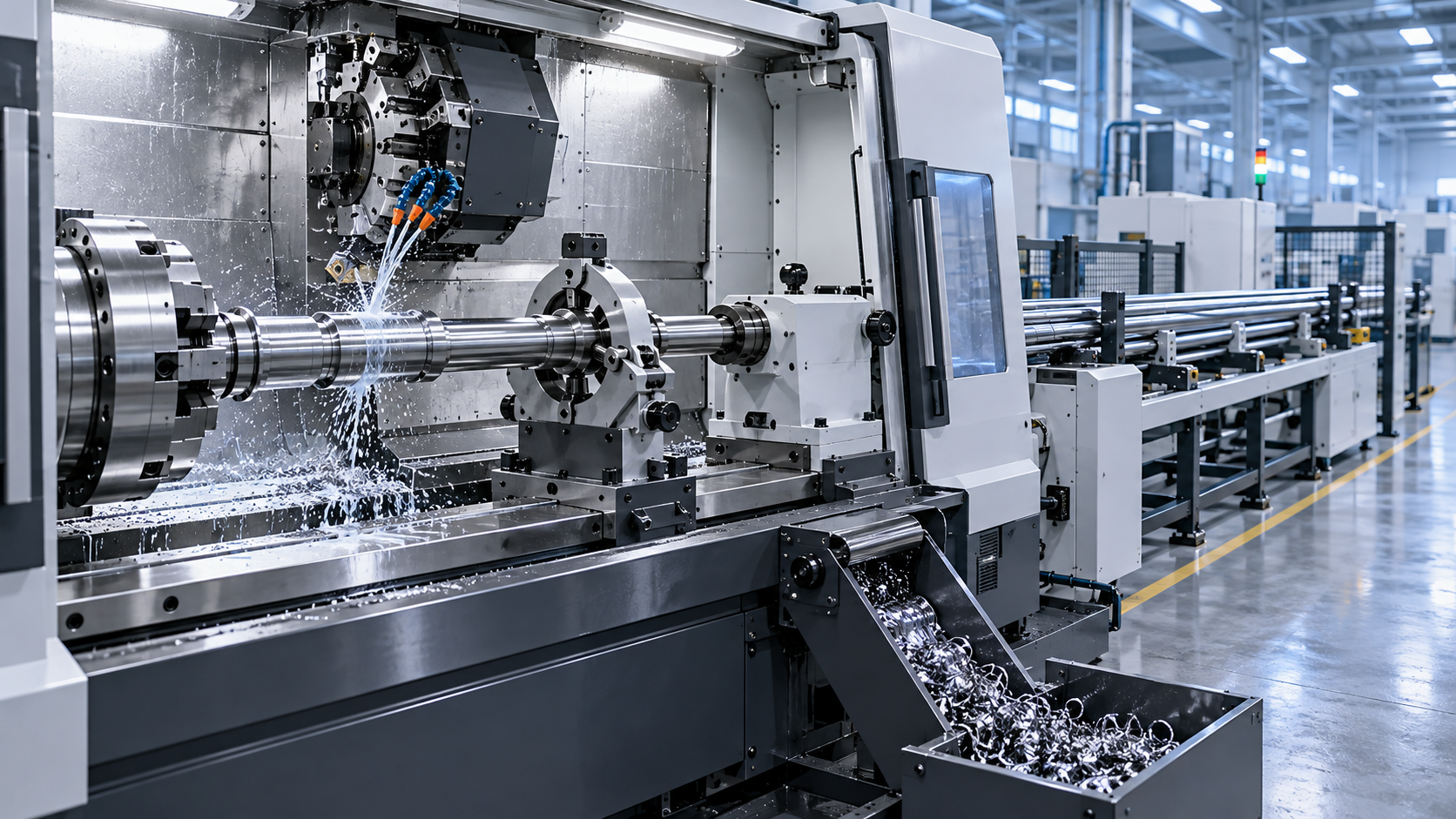
High precision machine tools improve consistency by reducing the number of variables that can change part dimensions during machining. This begins with rigid machine construction. A stable bed, quality guideways, and balanced drive systems help minimize deflection under cutting loads. In multi-axis machine tool operations, rigidity becomes even more important because additional axes create more opportunities for cumulative error.
Thermal control is another major advantage. During long cycles, heat from the spindle, servos, coolant, and ambient conditions can alter machine geometry. Precision platforms often use temperature compensation algorithms, spindle cooling, or controlled circulation systems to keep drift within a narrower band. In many shops, maintaining the environment at 20°C ±2°C also supports stable output.
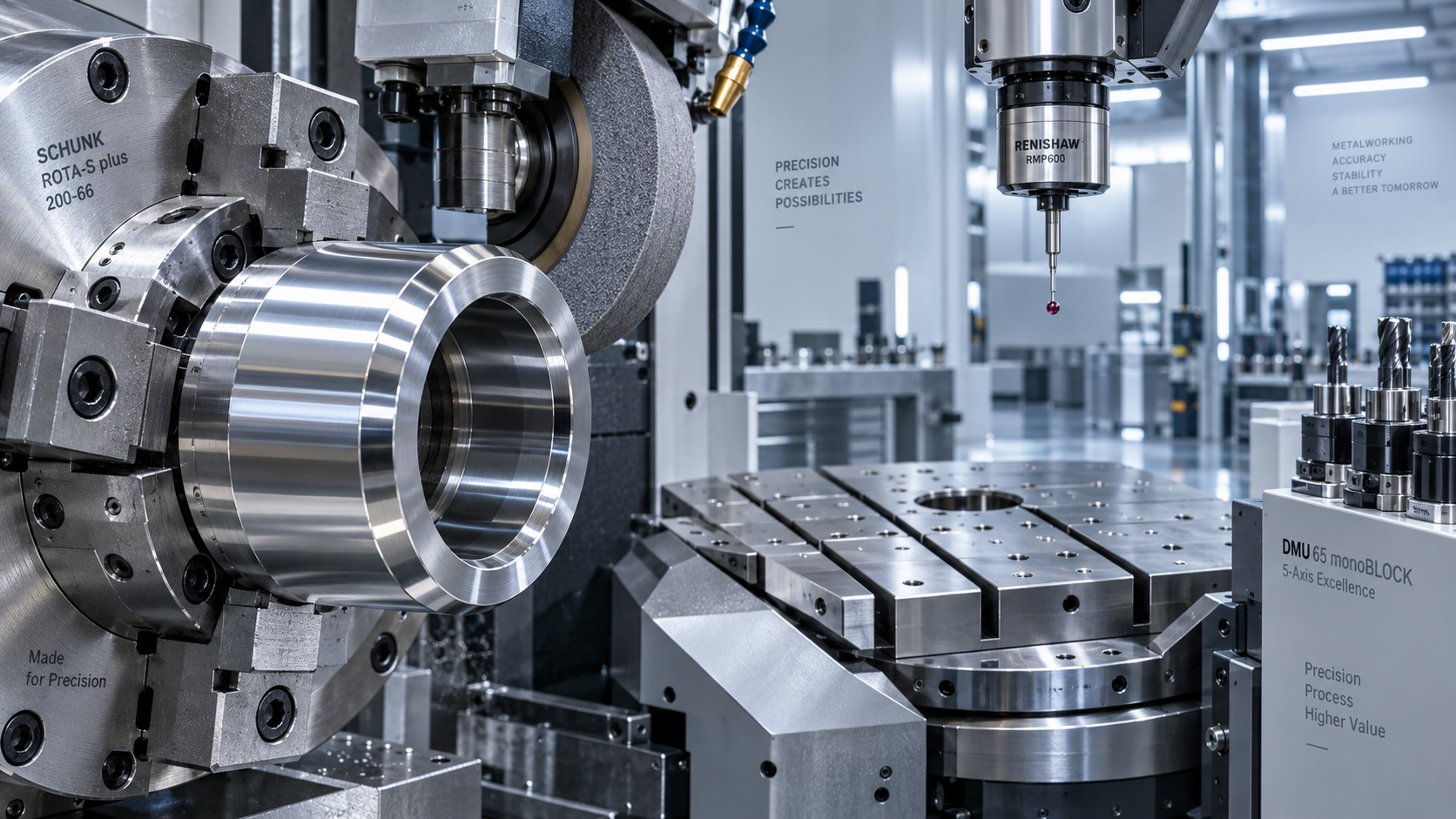
Advanced control systems further support consistency through tool offset management, in-process probing, and compensation routines. For example, automated tool measurement can detect wear after every 20 to 50 parts, while workpiece probing can correct fixture position before finishing passes. These functions reduce dependence on manual adjustment and help maintain a repeatable process across different shifts.
Surface finish consistency also improves when the machine can suppress vibration and maintain stable spindle behavior. On parts such as shafts, housings, precision discs, and structural components, this matters because dimensional accuracy alone is not enough. Flatness, circularity, and roughness values such as Ra 0.4 to Ra 1.6 may be required to meet downstream assembly or sealing performance.
Key Control Mechanisms
- Rigid machine base and structure to resist cutting force deformation.
- High-resolution feedback systems for accurate axis movement and repeat location.
- Thermal compensation to limit drift during 8-hour to 24-hour production cycles.
- Automatic probing and tool management to correct offsets in real time.
- Digital monitoring that links machine status, alarms, and quality trends.
Why Automation Strengthens Repeatability
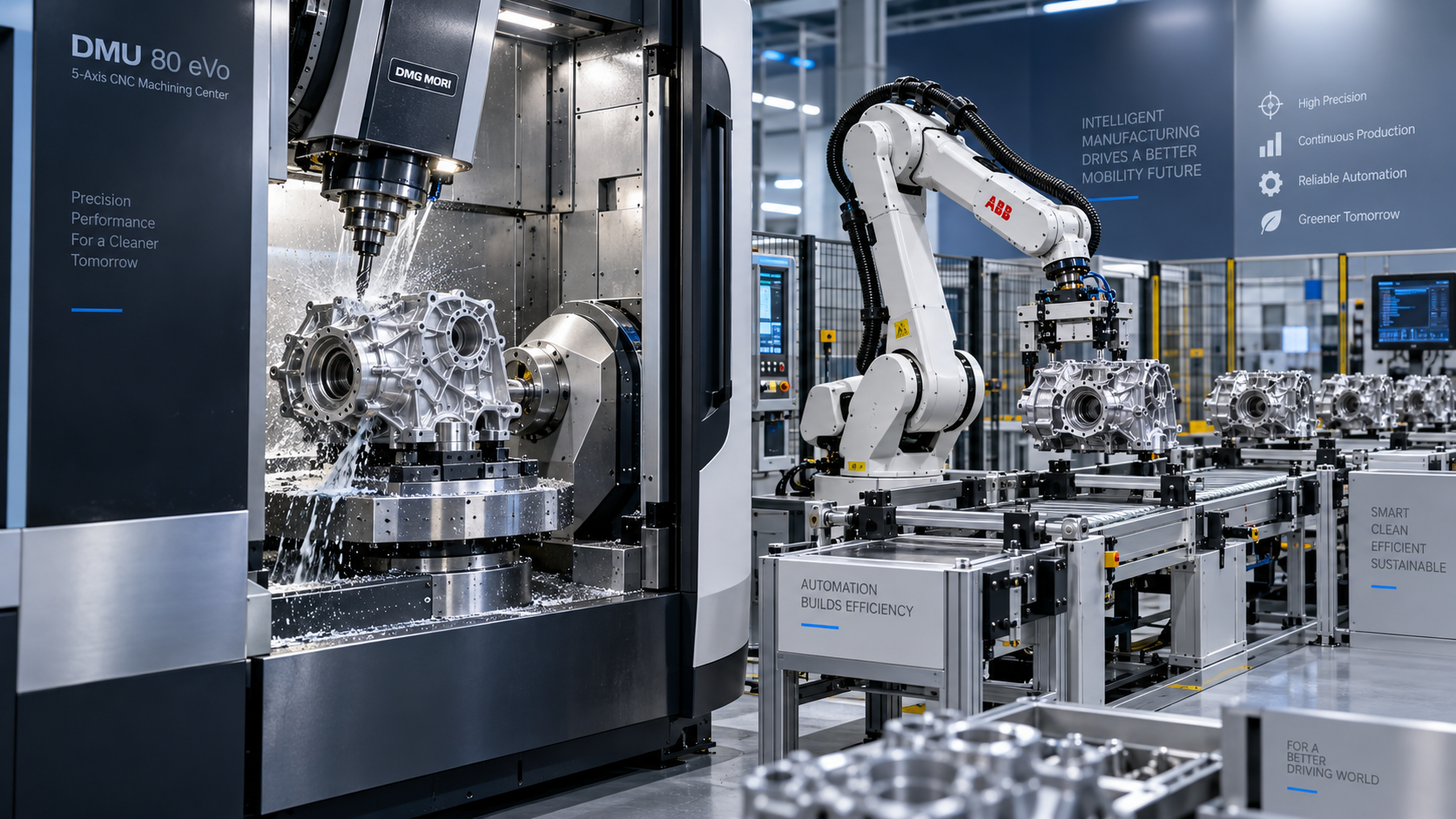
Automated CNC manufacturing reduces human variation in loading, alignment, and process execution. Robotic loading, standardized fixture positioning, and pre-programmed cycle logic make each run more predictable. In medium-to-high volume production, this can significantly reduce setup differences between operators and improve first-pass yield.
When combined with machine monitoring, automation also supports faster intervention. If cycle time rises by 5% or spindle load deviates from the expected range, teams can investigate before quality issues spread across an entire lot. This is especially useful for unattended or lights-out production where consistency must be maintained without constant manual supervision.
Applications Across Aerospace, Electronics, Automotive, and Energy Equipment
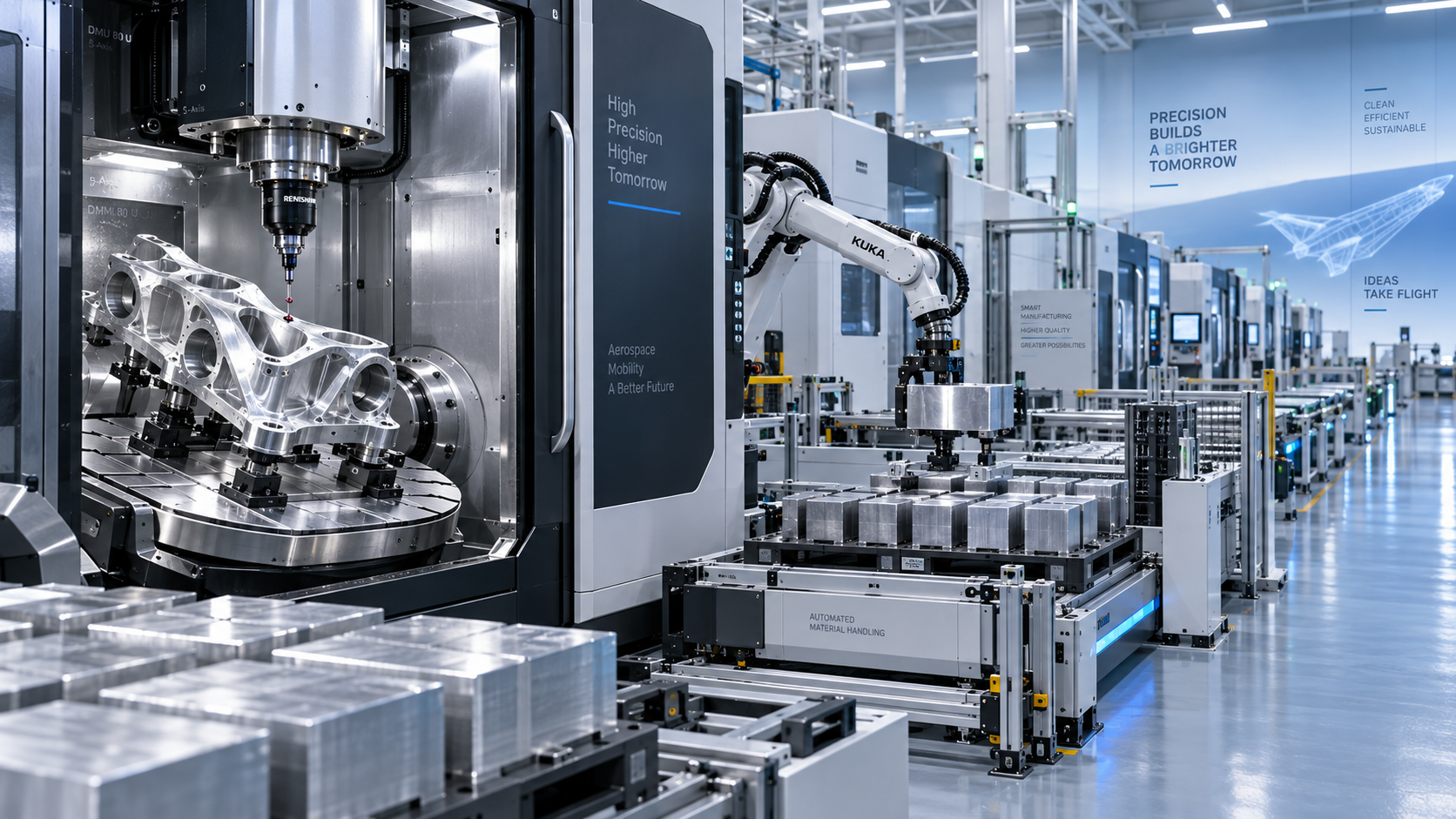
Different industries define consistency in different ways, but the underlying requirement is the same: each part must behave like the previous one in production and in service. In aerospace, precision machine tools are used for structural parts, turbine-related components, and high-value housings where dimensional stability and surface integrity are critical. Tolerance windows may fall below ±0.01 mm on selected features.
In electronics manufacturing, small aluminum or stainless parts often require tight hole positioning, burr control, and reliable cosmetic finish. Here, consistency is linked not only to function but also to visual quality. For automated high-volume production, a shift in tool wear after 500 to 1,000 cycles can create major variation if the machine lacks compensation capability.
Automotive suppliers typically focus on cycle stability, interchangeability, and process capability over large batches. Precision CNC manufacturing helps keep shafts, sleeves, valve bodies, and transmission-related parts within spec while supporting takt-driven output. For these users, consistency often means the machine can produce thousands of parts with minimal manual offset correction.
In energy equipment, parts are often larger, harder to machine, and made from demanding materials. The challenge is not only precision but maintaining it under heavy loads and long cycle times. High precision machine tools with stable spindle performance and robust fixtures help avoid distortion, taper errors, and surface inconsistency on critical sealing or mating features.
Typical Industry Requirements
The table below compares how part consistency priorities vary across major manufacturing sectors. This helps buyers and engineers align machine selection with application needs rather than relying on generic precision claims.
This comparison shows that the same machine specification can deliver very different results depending on the application. A buyer choosing for aerospace may prioritize thermal accuracy and probing, while an automotive supplier may focus more on cycle-to-cycle repeatability and automation compatibility.
What Buyers and Decision-Makers Should Evaluate Before Purchasing
Choosing a high precision machine tool requires more than reviewing catalog accuracy figures. Buyers should examine how the machine performs under actual production conditions, including material type, batch size, cycle time, and staffing model. A machine that performs well in a short demonstration may still show variation after 6 to 10 hours of continuous cutting.
One useful approach is to evaluate the full consistency chain: machine structure, spindle capability, control system, fixture strategy, tooling plan, environmental control, and service support. If one link is weak, part consistency may still fail even when the base machine is capable. This is why procurement, engineering, and operations teams should participate jointly in machine selection.
Lead time and integration readiness also matter. Depending on configuration, standard delivery may range from 6 to 16 weeks, while customized automation projects can take longer. Companies should confirm not only machine availability but also post-installation requirements such as operator training, probing calibration, and preventive maintenance scheduling.
For global manufacturers, supplier support coverage is another practical factor. Fast access to spare parts, remote diagnostics, and application engineering can reduce production risk. A service response target of 24 to 72 hours is often more meaningful than a low purchase price if the machine is intended for critical production lines.
Practical Evaluation Checklist
- Verify repeatability under representative materials such as aluminum, steel, or heat-resistant alloys.
- Request trial data over multiple parts, not just a single sample.
- Check compatibility with probing systems, automation interfaces, and MES connectivity.
- Review maintenance intervals for spindle, lubrication, and calibration routines.
- Assess training requirements for operators, programmers, and maintenance staff.
Sample Procurement Comparison
The following table can help procurement teams compare options based on consistency-related criteria rather than only upfront price. It is particularly useful for B2B buyers managing production expansion or process upgrading projects.
This framework helps buyers compare machine tool solutions on operational value. A lower-cost machine may appear attractive initially, but if it requires frequent manual correction or generates inconsistent parts, the total cost of ownership can rise quickly within the first 12 months.
Implementation, Maintenance, and Common Mistakes to Avoid
Even the most capable precision machine tool cannot deliver stable results without proper implementation. Installation should include leveling, environmental review, spindle warm-up routines, fixture verification, and initial capability testing. A practical startup plan usually includes 3 stages: mechanical installation, process validation, and operator training.
Maintenance has a direct impact on consistency. Guideway lubrication, coolant condition, tool holder cleanliness, spindle health, and calibration intervals all affect repeatability. For many production environments, daily inspection, weekly cleaning, and monthly calibration checks provide a reasonable baseline, though heavy-duty applications may require more frequent attention.
One common mistake is assuming that machine accuracy alone guarantees part consistency. In reality, unstable fixtures, poor tool balancing, inconsistent raw material, and uncontrolled shop temperature can offset the benefits of a high precision platform. Another mistake is skipping preventive maintenance until visible quality problems appear, which often means drift has already affected multiple batches.
Digital tools can help prevent these issues. Machine monitoring dashboards, tool life tracking, and quality trend analysis make it easier to detect process shifts early. In smart manufacturing environments, these data points support better scheduling, maintenance planning, and process optimization across multiple machines and production lines.
Common Mistakes That Reduce Consistency
- Using worn tool holders or poor-quality fixtures that introduce repeat clamping error.
- Ignoring thermal stabilization before tight-tolerance finishing operations.
- Relying on manual offset changes without documented correction rules.
- Failing to review trend data after tool life, material lot, or shift changes.
FAQ: Practical Questions from Users and Buyers
How precise does a machine tool need to be for consistent production?
The answer depends on the part and process, but repeatability should generally be significantly tighter than the part tolerance. If a feature tolerance is ±0.01 mm, many manufacturers prefer machine repeatability well below that level to maintain process margin over long runs.
Are multi-axis machine tools always better for part consistency?
Not always. Multi-axis systems reduce multiple setups, which can improve consistency for complex parts. However, they also require stronger calibration, programming discipline, and thermal control. For simpler components, a well-configured 3-axis or turning center may deliver excellent repeatability with lower complexity.
How long does it take to stabilize a new precision CNC process?
A standard process may require 1 to 3 weeks for installation, proving, and operator familiarization. More complex automated CNC manufacturing cells can take 4 to 8 weeks, especially if robotic loading, probing logic, or part traceability systems are included.
What should operators monitor during production?
Key checks include spindle load trend, cutting sound, coolant stability, tool wear condition, first-off dimensions, and drift over time. Sampling frequency can vary, but many shops check critical dimensions every 10 to 30 parts during early process validation, then reduce frequency once stability is proven.
High precision machine tools improve part consistency by controlling variation where it matters most: motion accuracy, thermal stability, tool management, fixturing repeatability, and digital process control. For manufacturers serving aerospace, automotive, electronics, and energy equipment markets, this translates into lower scrap, more reliable quality, and better production confidence.
Whether you are researching new capacity, comparing machine tool options, or planning an automation upgrade, a consistency-focused evaluation will lead to better long-term results than price-only purchasing. To explore tailored solutions, compare application requirements, or discuss precision CNC manufacturing strategies, contact us today to get a customized recommendation and learn more about practical machine tool solutions for your production goals.
Recommended for You
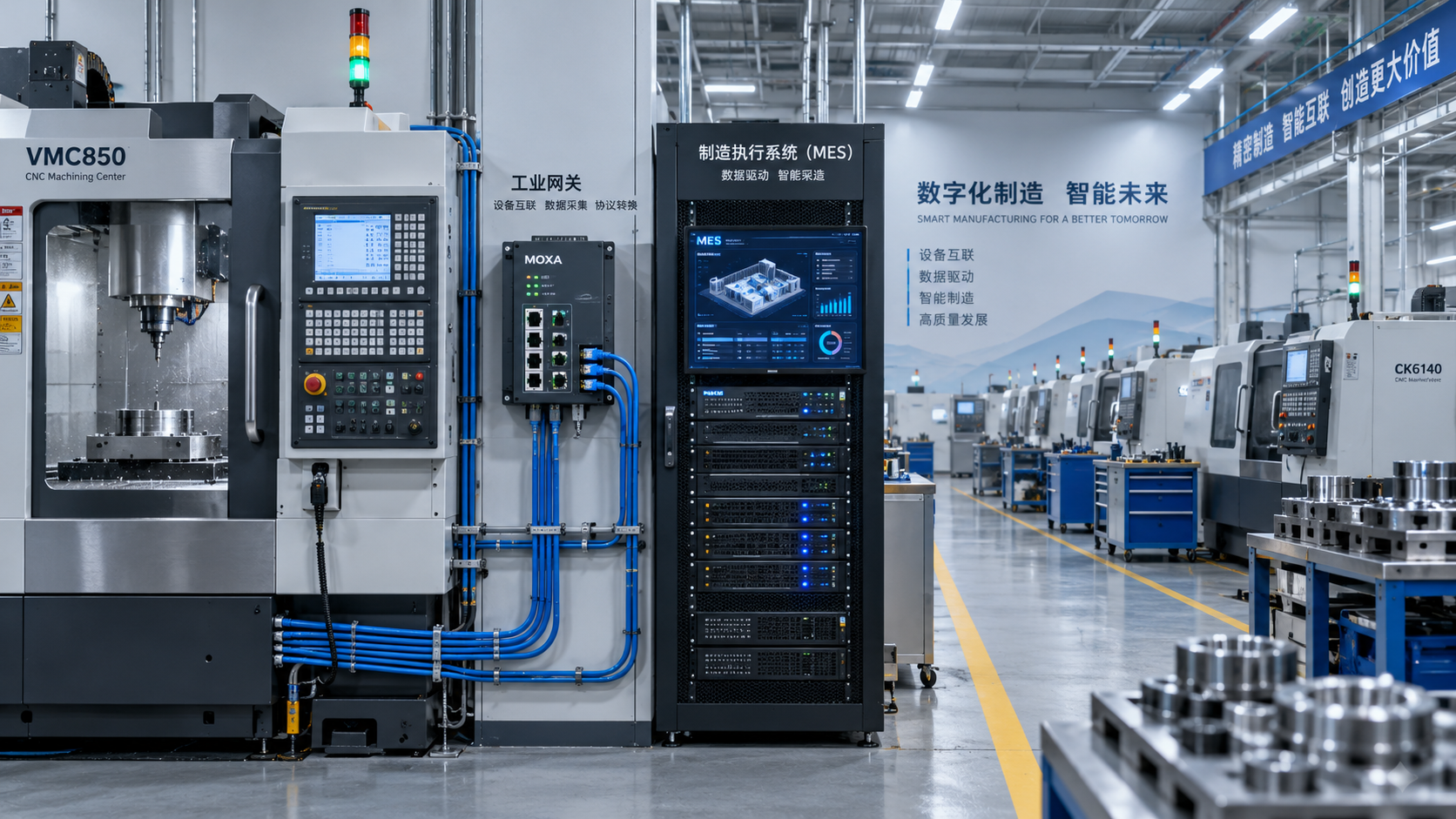
 Digital Manufacturing for Smart Factories: Connecting Legacy Machines to MESMachine Tool Industry Editorial Team
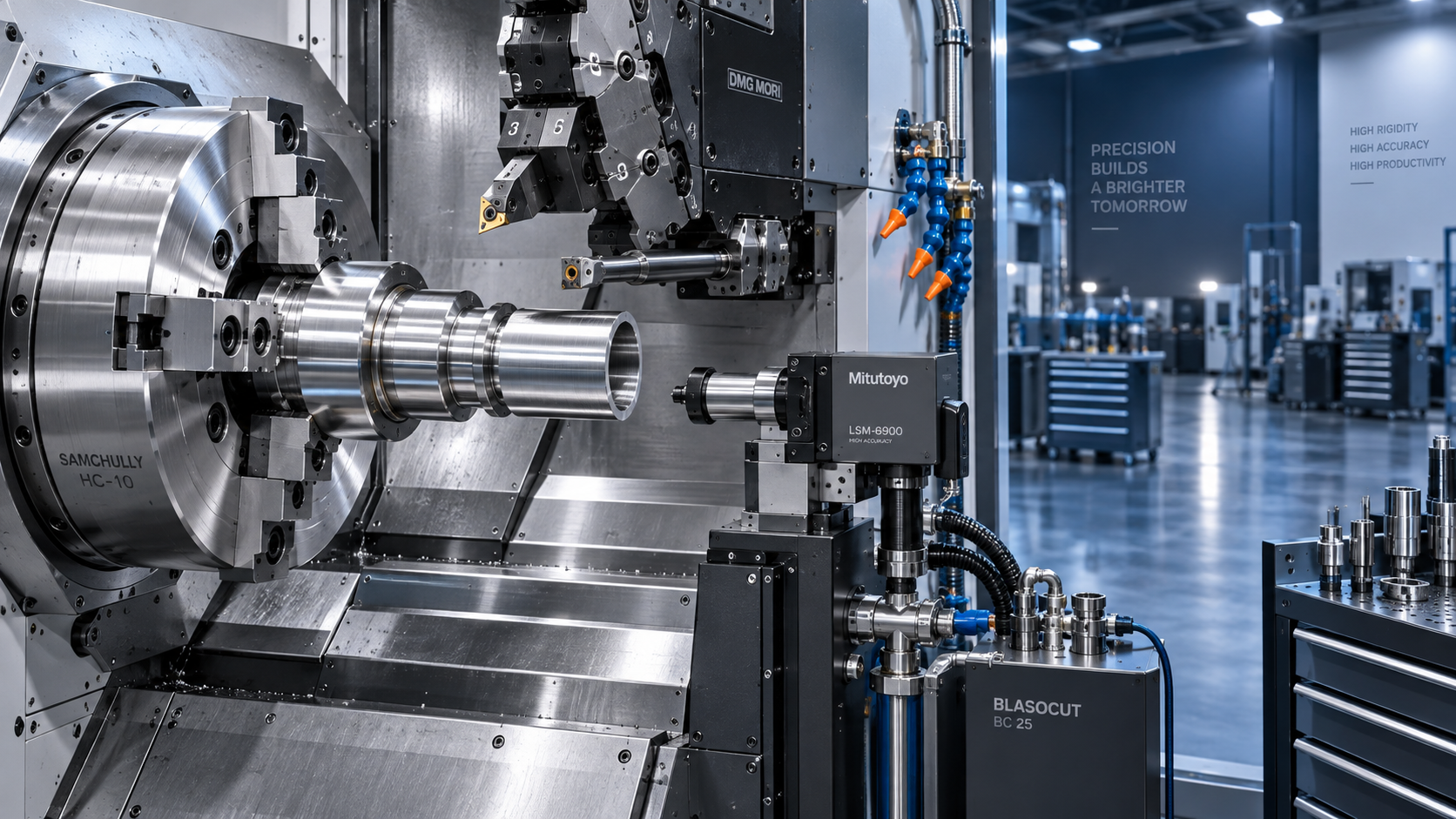
 How to Select a CNC Metal Lathe for Tight-Tolerance Shaft and Sleeve PartsCNC Machining Technology Center
 How to Select an Industrial Lathe for High-Volume Shaft ProductionMachine Tool Industry Editorial Team
 Selecting Machine Tools for Automotive Parts: Accuracy, Throughput, and AutomationMachine Tool Industry Editorial Team
 Industrial Machining: Selecting Processes for Tight-Tolerance Metal PartsCNC Machining Technology Center
 Manufacturing Technology Trends That Improve Throughput and Quality ControlManufacturing Market Research Center

Aris Katos
Future of Carbide Coatings
15+ years in precision manufacturing systems. Specialized in high-speed milling and aerospace grade alloy processing.
▶
How to Select a Machine Tool for Aerospace Parts with Tight Tolerances?Machine Tool Industry Editorial Team▶
How to Compare Machine Tools for Small-Batch vs Mass Production JobsMachine Tool Industry Editorial Team▶
Multi-Axis Machine Tool Selection Guide: Travel, Spindle, Accuracy, and Control SystemMachine Tool Industry Editorial Team▶
How to Evaluate Precision Equipment for Tight-Tolerance Parts and Stable OutputMachine Tool Industry Editorial Team▶
KATS Tightens CNC Grinder Import Test RulesMachine Tool Industry Editorial Team
Mastering 5-Axis Workholding Strategies
Join our technical panel on Nov 15th to learn about reducing vibrations in thin-wall components.

Providing you with integrated sanding solutions
Before-sales and after-sales services
Comprehensive technical support