• Global CNC market projected to reach $128B by 2028 • New EU trade regulations for precision tooling components • Aerospace deman
NYSE: CNC +1.2%LME: STEEL -0.4%

What Machine Tool Features Matter Most for Aerospace Parts
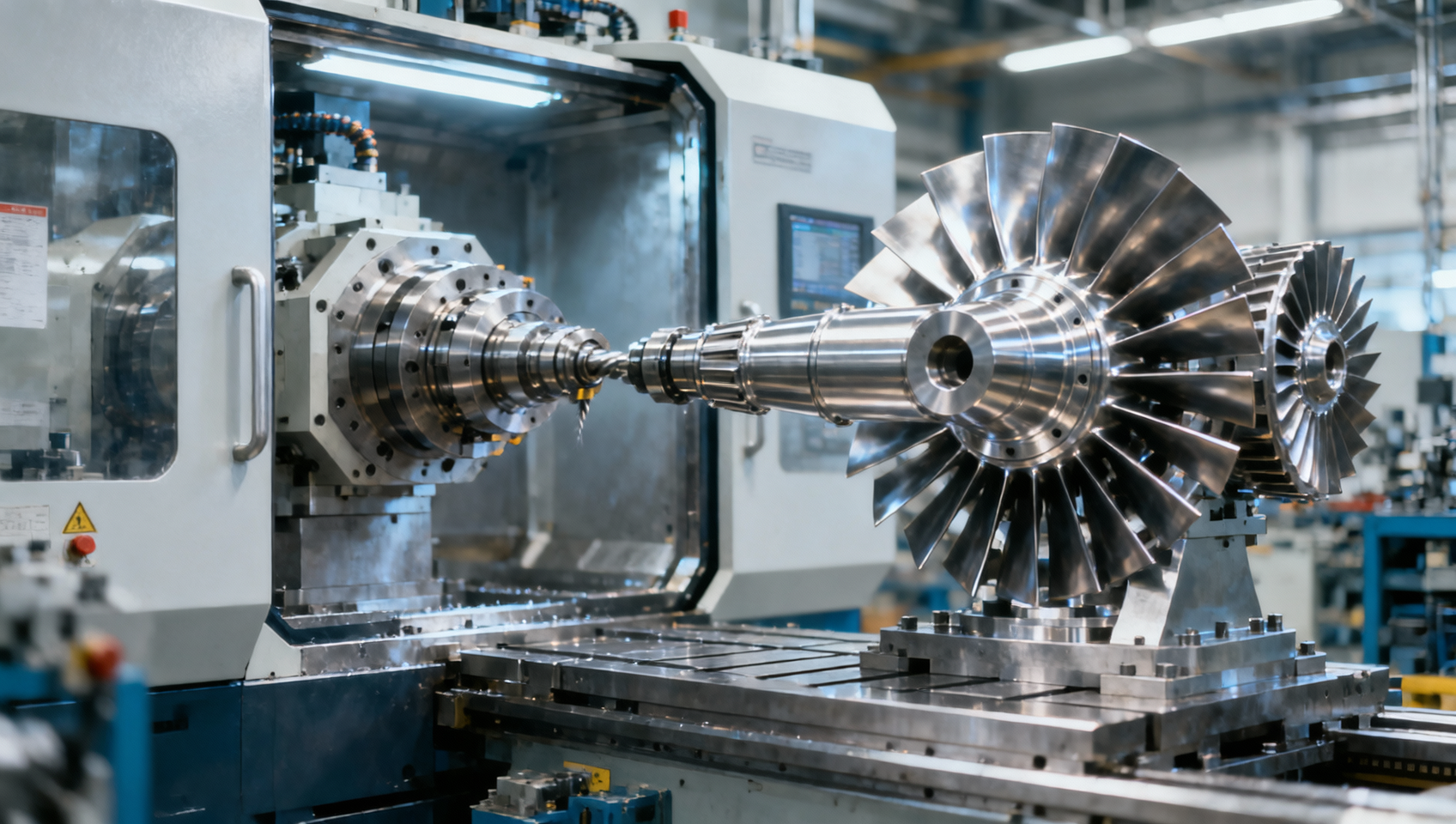
For aerospace parts, the right CNC manufacturing for aerospace setup must balance high precision machine tool performance, multi-axis machine tool capability, and efficient machining process control for demanding alloys and tight tolerances. From 5 Axis Machining for impeller manufacturing to automated CNC manufacturing and low maintenance CNC manufacturing, the most valuable features directly affect quality, speed, and long-term production reliability.
That balance matters because aerospace machining is rarely forgiving. Components such as turbine blades, impellers, structural brackets, housings, and landing system parts often require tolerance bands in the micron range, repeatability across batches, and stable cutting of titanium, Inconel, stainless steel, and high-grade aluminum. A machine tool that looks capable on paper may still struggle if thermal control, spindle dynamics, software integration, or fixturing support are not aligned with the production task.
For researchers, operators, buyers, and decision-makers, the key question is not simply whether a machine can cut aerospace parts. The real question is which machine tool features have the greatest impact on part quality, throughput, maintenance burden, and long-term production risk. The sections below break down the most important capabilities, selection criteria, and implementation priorities for aerospace-focused CNC manufacturing.
Precision, Stability, and Thermal Control Come First
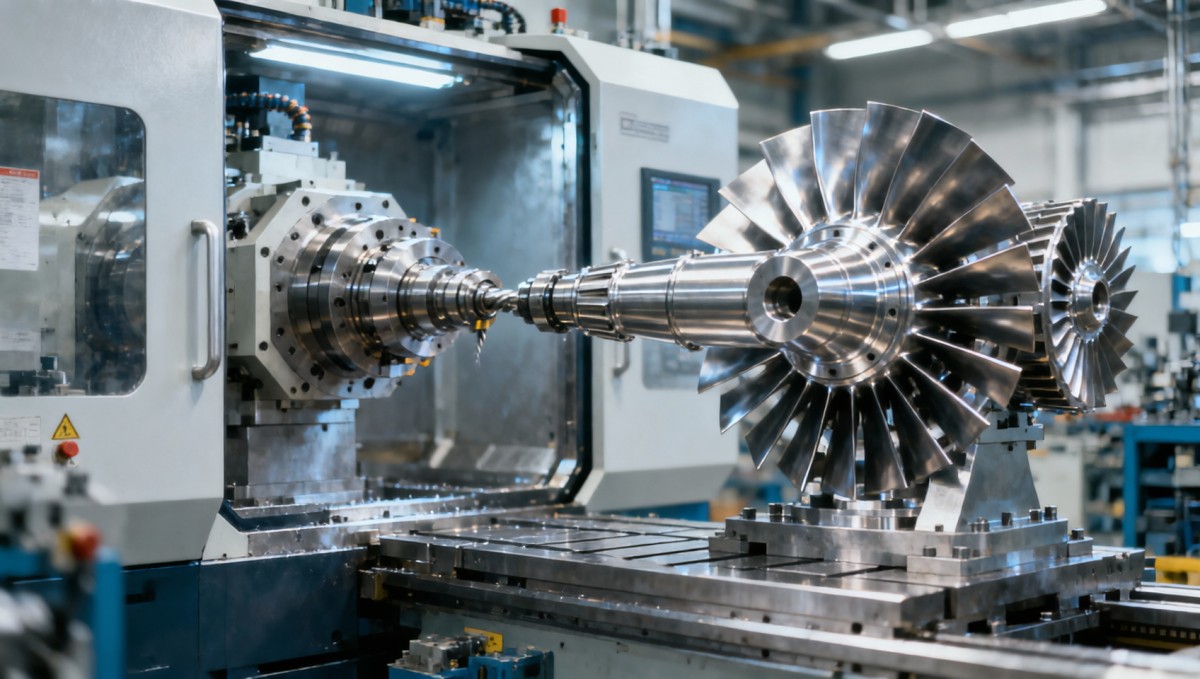
In aerospace machining, precision is not only about headline positioning accuracy. A machine tool must maintain dimensional stability over 6-hour, 12-hour, or even 24-hour production cycles. When cutting thin-wall structures or heat-sensitive superalloys, spindle growth, casting deformation, and ambient temperature shifts can push a process out of tolerance even if the initial setup is correct.
For many aerospace parts, practical targets include positioning accuracy in the range of ±0.005 mm to ±0.01 mm and repeatability around ±0.003 mm to ±0.005 mm, depending on the part category. These are not universal pass marks, but they are useful decision thresholds for comparing machine platforms intended for precision structural and rotating components.
Why machine rigidity matters more than nominal speed
A high spindle speed alone does not guarantee better aerospace performance. In fact, poor rigidity can create chatter, premature tool wear, and surface finish problems on titanium and nickel-based alloys. A more valuable combination is rigid machine structure, damped guideway behavior, and stable axis motion under variable cutting loads. This is especially important for deep-pocket milling, blade finishing, and long-reach tooling operations.
Thermal management is equally critical. Machines built for aerospace work often use spindle chillers, temperature compensation algorithms, and well-balanced casting designs to reduce drift. On a long machining cycle, even a thermal shift of 10–15 microns can affect hole position, mating surfaces, and assembly fit. That is why thermal stability should be treated as a core machine feature, not an optional refinement.
Core indicators to review during evaluation
- Spindle runout and bearing stability under continuous operation, not only at startup.
- Axis repeatability after 4–8 hours of thermal load and multiple tool changes.
- Machine base rigidity and vibration behavior during heavy roughing and fine finishing.
- Compensation capability for thermal drift, backlash, and pitch error over long cycles.
- Surface finish consistency on test cuts involving aluminum, titanium, and stainless steel.
The table below highlights how key precision-related features translate into production outcomes for aerospace parts.
For procurement and engineering teams, the key takeaway is simple: when comparing machine tools for aerospace parts, prioritize sustained precision under load rather than marketing claims based on unloaded speed or short demo cycles.
Multi-Axis Capability and Kinematics Define What Parts You Can Truly Make
Aerospace parts often involve compound angles, undercuts, deep cavities, and freeform surfaces. That is why multi-axis machine tool capability is one of the most important selection factors. In many cases, 3-axis machining can produce the basic form, but 4-axis and 5-axis systems are what reduce setups, shorten cycle time, and improve geometric consistency on complex components.
For example, 5 Axis Machining for impeller manufacturing allows continuous tool orientation control across blade surfaces. This helps maintain better contact conditions, lower tool deflection, and smoother finishes. On aerospace blisks, housings, and structural parts, reducing the number of setups from 4 or 5 down to 1 or 2 can significantly reduce cumulative fixturing error.
The difference between having 5 axes and using them well
Not every 5-axis machine performs equally in aerospace work. Kinematic design, rotary axis stiffness, interpolation smoothness, and CAM-post compatibility all influence real output. A machine may technically support simultaneous motion, but if rotary axes lack torque or introduce instability during contouring, the value of the extra axes is limited.
Buyers should also consider work envelope relative to part family. A compact 5-axis machine may work well for impellers, small housings, and brackets, while larger aerospace structural components may require greater Y-axis travel, stronger table capacity, and better chip management. A mismatch here can force process compromises that increase setup time by 20%–40%.
When multi-axis capability delivers the strongest return
- When parts have 3 or more complex orientations that would otherwise require repeated reclamping.
- When surface continuity and blade profile quality are critical to aerodynamic performance.
- When deep cavities need shorter tools through better angular approach and collision avoidance.
- When one-machine completion reduces handoff between roughing, semi-finishing, and finishing cells.
The following comparison helps clarify where different machine configurations fit within aerospace manufacturing.
In short, multi-axis capability should be matched to actual aerospace part geometry, not purchased as a status feature. The right kinematic platform can cut lead time, reduce setup error, and improve yield, but only when paired with the correct part mix and programming workflow.
Spindle Power, Tool Management, and Process Control Drive Daily Productivity
After precision and axis capability, daily aerospace productivity depends heavily on spindle characteristics, tool handling, and process control. Many aerospace shops cut a wide material mix, from aluminum airframe parts to titanium fittings and heat-resistant nickel alloys. A machine that performs well across that range must offer the right balance of power, torque, speed, coolant delivery, and tool capacity.
Typical spindle decision points include 12,000 rpm to 20,000 rpm speed ranges, torque suited for low-speed heavy cutting, and stable power delivery during long-duty cycles. Aluminum-focused parts may benefit from higher speed and acceleration, while titanium and Inconel often depend more on torque, rigidity, and coolant effectiveness than on top-end rpm alone.
Tool capacity and automation are often underestimated
In aerospace environments, tool libraries can grow quickly because a single component may need roughing tools, finishing tools, probes, chamfer tools, thread mills, and backup duplicates for wear control. A machine with only 20 or 24 tool positions may force frequent operator intervention. In contrast, magazines with 40, 60, or more tools support longer unattended cycles and more stable scheduling.
Automated CNC manufacturing also becomes more valuable when labor availability is tight or night shifts are difficult to staff. Features such as automatic tool measurement, broken-tool detection, pallet systems, and in-process probing can reduce manual checks and improve process consistency. For medium-volume aerospace work, these functions often deliver more practical value than small differences in rapid traverse speed.
Practical process-control features worth prioritizing
- High-pressure coolant for difficult chip evacuation in deep holes and heat-resistant alloys.
- Tool life monitoring with offset updates or warning thresholds after preset wear limits.
- In-machine probing for first-piece confirmation and mid-cycle geometry checks.
- Chip conveyor and filtration systems that support continuous 8–16 hour operation.
- Control software that integrates cleanly with CAM, simulation, and shopfloor data systems.
When evaluating a machine tool, decision-makers should look beyond cycle time on a single demo part. A better productivity metric is overall shift-level output, including setup time, tool changes, intervention frequency, rework risk, and restart reliability after alarms or scheduled stops.
For users and operators, this means the most productive machine is often the one that holds process stability with fewer manual corrections. For procurement teams, it means features that support automated CNC manufacturing can reduce total cost per part over 2–5 years, even if initial capital cost is higher.
Maintenance, Reliability, and Service Support Influence Total Cost More Than Purchase Price
Aerospace manufacturing puts machine tools under demanding duty cycles, and downtime can affect delivery schedules, certification workflows, and customer confidence. That is why low maintenance CNC manufacturing is not only a convenience issue. It is a financial and operational requirement, especially for suppliers managing high-mix, low-to-medium volume production with strict quality documentation.
Machines with strong reliability usually share several characteristics: robust lubrication systems, sealed axis protection, dependable spindle assemblies, accessible maintenance points, and stable control hardware. Even simple details matter. If daily checks take 30 minutes instead of 10 minutes, or if chip cleanup regularly interrupts cutting, the machine’s hidden operating cost rises quickly across 250 working days per year.
What buyers should ask before purchase
Service availability is often more important than brochure specifications. Ask about spare part lead times, remote diagnostics, field engineer response windows, and preventive maintenance intervals. A machine may offer excellent machining capability, but if critical components require 3–6 weeks of lead time, that risk should be priced into the investment decision.
Training support also matters. Aerospace operators may need guidance on probing cycles, thermal compensation settings, 5-axis calibration checks, and collision prevention routines. A supplier that provides startup training over 2–5 days, plus follow-up support during the first production month, can significantly shorten the time to stable output.
Key reliability checkpoints
The table below summarizes service and maintenance factors that should be reviewed before committing to a machine tool platform for aerospace parts.
The main conclusion is that reliability should be measured across the full machine lifecycle. A lower purchase price may look attractive at quotation stage, but frequent maintenance, limited service access, or poor spare part coverage can make it more expensive within the first 12–24 months.
How to Match Machine Tool Features to Aerospace Part Types and Buying Priorities
The best machine for aerospace parts depends on part geometry, material, batch size, and internal process maturity. A shop producing thin-wall aluminum structures has different priorities than one focused on titanium engine parts or small precision discs. Decision-makers should build a selection matrix that links machine features directly to the parts that generate revenue or strategic growth.
A practical method is to review the top 10 to 20 recurring part numbers and classify them by complexity, tolerance, material, and annual volume. That exercise usually reveals whether the greater need is high-speed aluminum removal, torque-intensive superalloy cutting, simultaneous 5-axis contouring, or flexible automation for mixed production. It also prevents overspending on features that are rarely used.
A simple decision framework for buyers
- Define the dominant part family: structural, rotating, housing, shaft, or precision disc.
- Map key materials: aluminum, titanium, stainless steel, nickel alloy, or mixed portfolio.
- Set process goals: 1-setup completion, unattended running, higher surface quality, or lower rework.
- Review support capacity: operator skills, CAM resources, maintenance team strength, and metrology readiness.
- Compare total cost over 3–5 years, not only initial purchase cost.
This structured approach is especially useful for cross-functional decisions involving engineering, purchasing, production, and management. It brings focus to the features that matter most for aerospace parts instead of letting the decision be driven by a single specification like spindle speed or machine size.
Common selection mistakes to avoid
- Buying 5-axis capability without sufficient programming, simulation, and calibration support.
- Choosing a machine by maximum rpm while ignoring torque, rigidity, and coolant performance.
- Underestimating the need for probing, tool measurement, and larger tool magazine capacity.
- Ignoring maintenance access and service response when production deadlines are strict.
- Specifying a machine around one sample part instead of the full part family mix.
For research-driven buyers, these points help frame supplier discussions. For operators, they identify the features that improve daily usability. For executives, they support more predictable output, lower risk, and stronger return on capital equipment.
Frequently Asked Questions About Aerospace Machine Tool Selection
How much 5-axis capability is really necessary for aerospace parts?
If your parts involve blades, impellers, blisks, deep cavities, or multiple compound-angle features, simultaneous 5-axis capability is often justified. If most work is limited to indexed side machining or moderate angular access, a 4-axis or 3+2 solution may be sufficient. The difference can affect setup count by 30%–60% depending on part geometry.
What spindle range is suitable for mixed aerospace materials?
A broad-use machine often benefits from spindle speeds around 12,000 rpm to 20,000 rpm, combined with enough torque for lower-speed cuts in titanium and nickel alloys. The best choice depends on whether your mix is mostly aluminum airframe parts or harder materials that demand rigidity and heat control more than top-end speed.
Is automation worth the investment for medium-volume aerospace production?
In many cases, yes. Automated CNC manufacturing features such as pallet change, probing, tool monitoring, and larger tool storage can improve machine utilization, especially during second shifts or lights-out windows. Even a 10%–20% increase in usable spindle time can materially improve delivery performance and cost per part.
What should be checked during machine acceptance testing?
Review geometric accuracy, thermal stability, interpolation quality, probing performance, spindle vibration behavior, and repeatability under representative test cuts. If possible, acceptance should include an actual aerospace-style part or at least a geometry that replicates thin walls, pocketing, angled surfaces, and a long enough cycle to expose thermal drift.
The machine tool features that matter most for aerospace parts are the ones that improve controlled precision, multi-axis access, process stability, and long-term reliability. High precision machine tool performance, capable multi-axis machine tool design, automated CNC manufacturing support, and low maintenance CNC manufacturing all work together to reduce risk and improve output on demanding aerospace programs.
If you are comparing machine platforms for aerospace production, focus on sustained machining results rather than isolated specifications. Match the equipment to your part family, material mix, staffing model, and delivery goals. To discuss a more targeted machine selection strategy, get a customized solution, consult product details, or contact us to explore more aerospace machining solutions.
Recommended for You
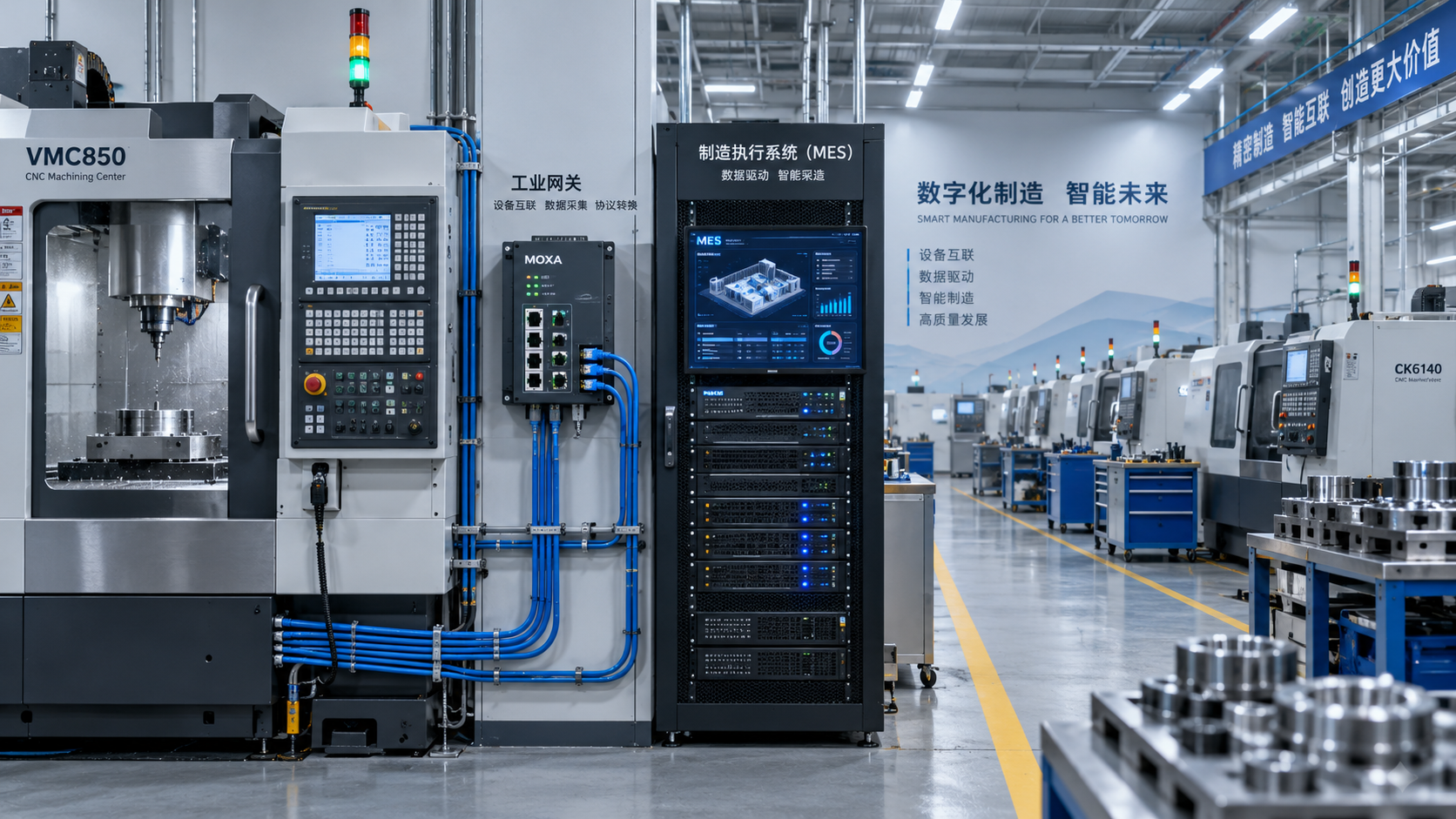
 Digital Manufacturing for Smart Factories: Connecting Legacy Machines to MESMachine Tool Industry Editorial Team
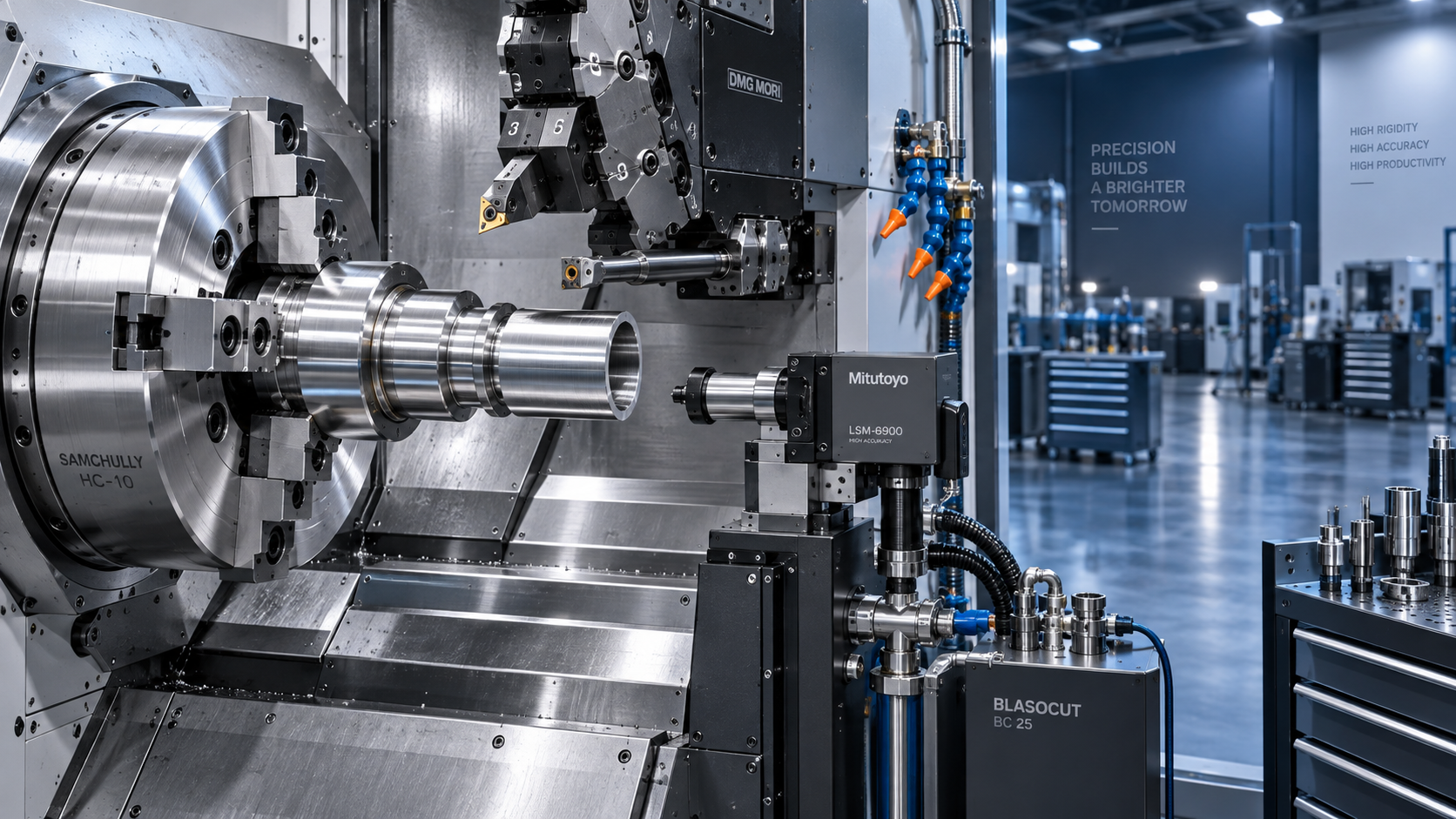
 How to Select a CNC Metal Lathe for Tight-Tolerance Shaft and Sleeve PartsCNC Machining Technology Center
 How to Select an Industrial Lathe for High-Volume Shaft ProductionMachine Tool Industry Editorial Team
 Selecting Machine Tools for Automotive Parts: Accuracy, Throughput, and AutomationMachine Tool Industry Editorial Team
 Industrial Machining: Selecting Processes for Tight-Tolerance Metal PartsCNC Machining Technology Center
 Manufacturing Technology Trends That Improve Throughput and Quality ControlManufacturing Market Research Center

Aris Katos
Future of Carbide Coatings
15+ years in precision manufacturing systems. Specialized in high-speed milling and aerospace grade alloy processing.
▶
How to Select a Machine Tool for Aerospace Parts with Tight Tolerances?Machine Tool Industry Editorial Team▶
How to Compare Machine Tools for Small-Batch vs Mass Production JobsMachine Tool Industry Editorial Team▶
Multi-Axis Machine Tool Selection Guide: Travel, Spindle, Accuracy, and Control SystemMachine Tool Industry Editorial Team▶
How to Evaluate Precision Equipment for Tight-Tolerance Parts and Stable OutputMachine Tool Industry Editorial Team▶
KATS Tightens CNC Grinder Import Test RulesMachine Tool Industry Editorial Team
Mastering 5-Axis Workholding Strategies
Join our technical panel on Nov 15th to learn about reducing vibrations in thin-wall components.

Providing you with integrated sanding solutions
Before-sales and after-sales services
Comprehensive technical support