• Global CNC market projected to reach $128B by 2028 • New EU trade regulations for precision tooling components • Aerospace deman
NYSE: CNC +1.2%LME: STEEL -0.4%

CNC Programming mistakes that slow down production
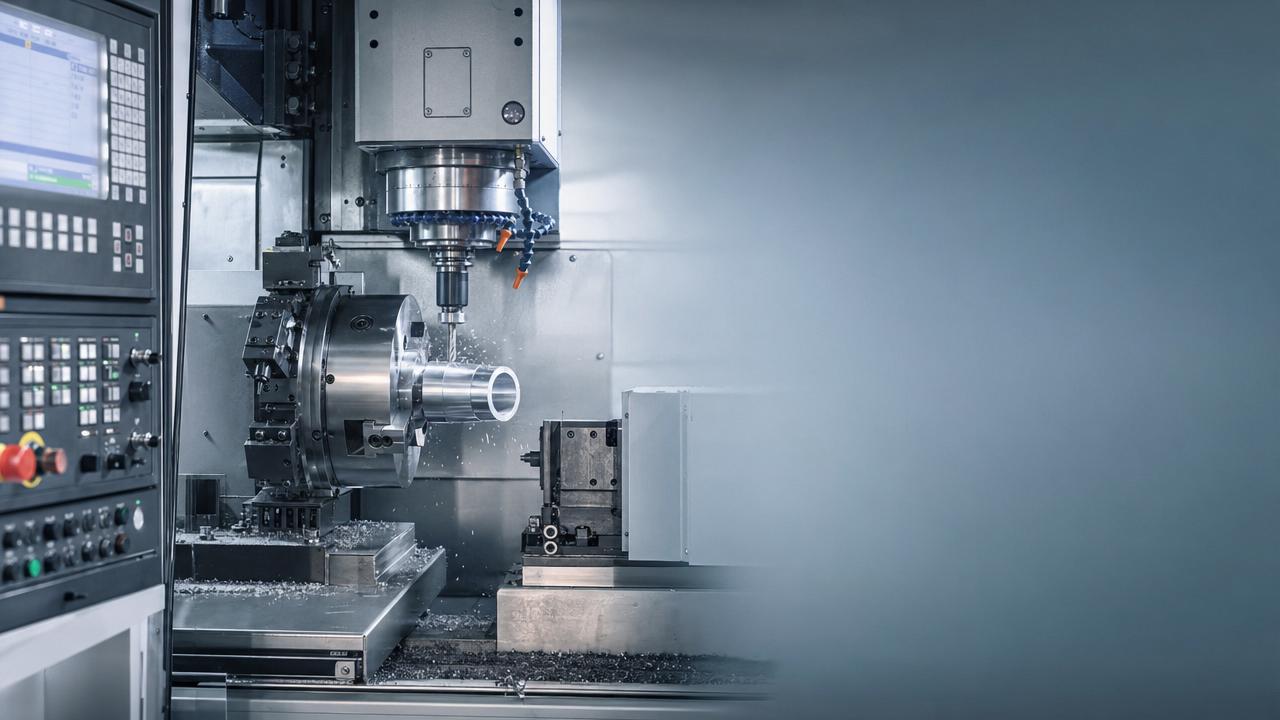
Even small CNC Programming mistakes can create costly delays, scrap, tool wear, and inconsistent part quality on the shop floor. For operators and production teams, understanding where programming errors happen—and how they affect setup time, cycle efficiency, and machine performance—is essential to keeping output stable. This article highlights the most common issues that slow down production and what you can do to prevent them.
In modern machining environments, a few seconds added to each cycle or one extra setup correction per batch can ripple across an entire shift. For users and operators working with CNC lathes, machining centers, and multi-axis systems, better CNC Programming is not only about code accuracy. It is also about repeatability, predictable throughput, lower tool costs, and smoother handoff between programming, setup, and production.
As factories move toward higher automation and digital integration, programming quality has become a direct production variable. When machine utilization targets sit in the 75%–90% range, avoidable programming errors can quickly push actual output below plan. That is why operators need to recognize the warning signs early and use practical controls before small mistakes become line-wide disruptions.
Where CNC Programming Mistakes Start on the Shop Floor
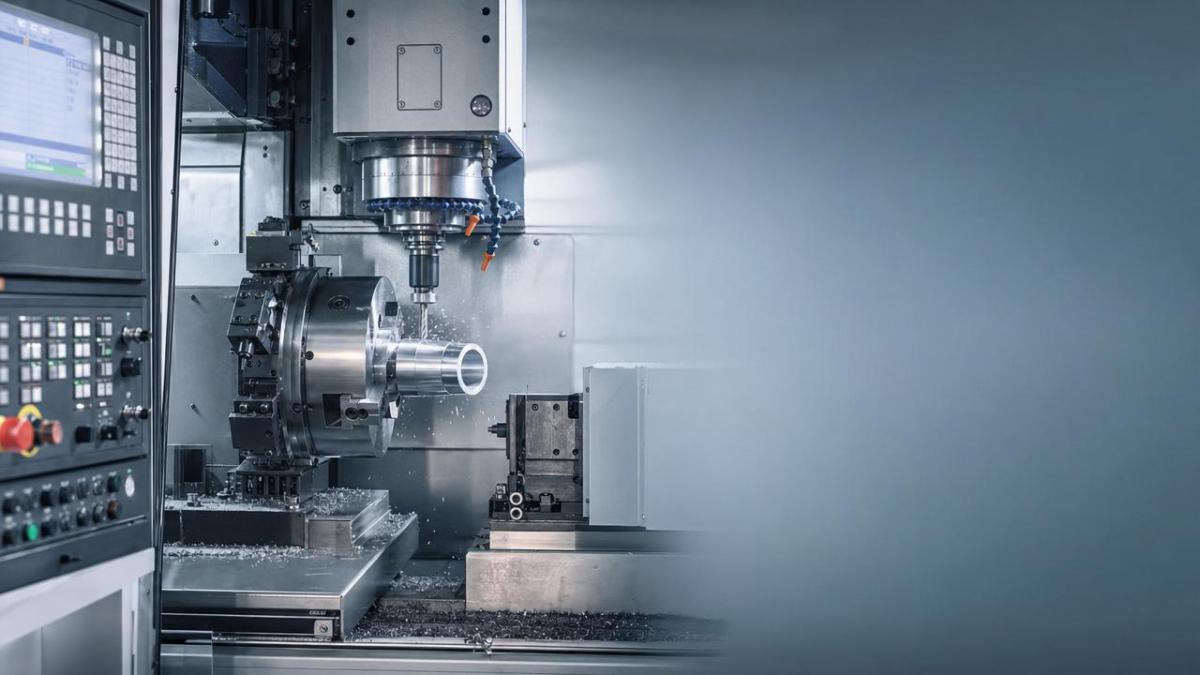
Most delays linked to CNC Programming do not begin with dramatic machine failures. They usually start with small mismatches between the program, tooling, fixture setup, drawing revision, or machine condition. In a typical shop, 3 to 5 small errors in one process plan can add 20–40 minutes of lost time before stable production begins.
Incorrect tool data and offset assumptions
One of the most common problems is using the wrong tool length, diameter compensation, or wear offset assumptions. If the CNC program was verified with one cutter and production runs with another, even a 0.2 mm to 0.5 mm difference can cause rework, poor surface finish, or excessive tool load. Operators often see this first as unexplained dimension drift or unstable chip formation.
This issue becomes more serious in multi-tool roughing and finishing sequences. If the roughing path leaves too much stock in one area and too little in another, the finishing tool may experience inconsistent engagement. That can increase spindle load by 10%–25% and shorten insert life well before the planned replacement interval.
What operators should verify first
- Tool number, offset number, and actual holder assembly match the setup sheet
- Gauge length and cutter diameter were measured after the final tool build
- Wear offsets are reset or documented at each shift change
- Program comments reflect the current drawing revision, not an older lot
Poor workholding logic in the program
A program may be mathematically correct and still slow production if it ignores workholding limits. Toolpaths that come too close to clamps, jaws, tailstocks, or tombstones force cautious feed overrides during prove-out. On high-mix parts, that hesitation may add 5%–15% to cycle time even after the program is released.
In multi-axis work, this often appears as unnecessary retracts and overtravel-safe motions. These moves reduce collision risk, but too many of them create wasted air-cutting time. If a 12-minute cycle contains 60–90 seconds of avoidable non-cutting motion, output loss becomes significant over batches of 100 or 500 parts.
The table below shows common CNC Programming mistakes seen by operators and the production symptoms they usually create during setup or live machining.
For operators, the key lesson is that CNC Programming errors rarely stay inside the control. They show up as extra checks, slower feed overrides, more tool changes, and inconsistent first-off approval. Catching them early protects both machine capacity and part quality.
Revision control and setup communication gaps
Another hidden cause of slowdowns is weak communication between CAM output, setup sheets, and operator notes. If the latest program revision is R07 but the machine loads R05, the error may not be obvious until dimensions fail at the second or third operation. In busy workshops, revision confusion can consume 1 to 2 hours across one shift.
This is especially common when parts move between different machine models, such as a 3-axis vertical machining center for Op10 and a turning center or 5-axis machine for Op20. The more handoffs in the process, the more important it is to keep one controlled source for tools, offsets, fixture references, and post-processed code.
The Production Cost of Weak CNC Programming
Not every CNC Programming mistake causes immediate scrap, but many reduce output in less visible ways. A cycle that is 8% slower, a tool that wears out 25 parts earlier, or a setup that needs 2 extra prove-out runs can quietly reduce daily capacity. Over a month, these losses often matter more than a single obvious programming crash.
Longer setup time and unstable first-off approval
Operators judge program quality first by how quickly a stable first-off part can be produced. If the code requires repeated single-block checks, feed hold interventions, and manual coordinate corrections, setup time may grow from 20 minutes to 45 minutes or more. That delay is costly on short runs, where setup can represent 30%–50% of total job time.
In high-precision sectors such as aerospace or energy equipment, first article inspection may involve several critical dimensions within ±0.01 mm to ±0.05 mm. Poor CNC Programming that leaves little room for safe correction increases the risk of restarting the setup process from zero.
Excessive tool wear and unplanned stoppages
Programs that ignore tool engagement angles, chip evacuation, and corner load often damage productivity before they damage parts. A roughing path with sharp directional changes or poor step-over control can create heat spikes and inconsistent cutting pressure. As a result, inserts may fail 15%–30% earlier than expected, especially in stainless steel, alloy steel, and heat-resistant materials.
For operators, the direct signal is usually not a broken tool at first. It is rising spindle load, changing sound, heavier burrs, or more frequent offset compensation. If those symptoms appear every 20 to 30 parts instead of every 60 to 80 parts, the programming strategy likely needs review.
Quality variation across batches
A stable process should produce consistent results from the first approved part to the last one in the batch. Weak CNC Programming often creates a process that is only conditionally stable. It runs acceptably with one tool lot, one machine, or one operator, but variation increases when any of those conditions change.
This matters in global manufacturing environments where parts may be transferred across facilities or supplier networks. A program that depends too heavily on operator intuition instead of clear process logic becomes difficult to scale. That is a risk for automotive, electronics, and export-oriented machining where repeatability across shifts is essential.
Practical Ways Operators Can Prevent Slowdowns
While programming quality often begins in engineering or CAM, operators still play a major role in preventing production loss. The most effective approach is to use a structured verification routine before full-rate machining starts. In many shops, a 5-step review can eliminate most repeat programming-related stoppages.
A 5-step program verification routine
- Confirm drawing revision, setup sheet version, and program number are aligned.
- Check tool list against actual loaded tools, holders, inserts, and offset pages.
- Dry run or simulate critical approach and retract moves at reduced rapid settings.
- Verify work offset, fixture clearance, and probing or touch-off references.
- Inspect the first-off part at all critical dimensions before increasing feed override.
This routine does not need to slow production. In most cases, 8 to 12 minutes of disciplined checking can save 30 to 60 minutes of recovery time later. On expensive materials or multi-axis jobs, the savings can be much higher because one scrapped part may represent several hours of machine time.
Use comments, naming rules, and setup notes more effectively
Good CNC Programming is easier to run when operators can read it quickly. Clear comments for tool purpose, critical dimensions, safe restart points, and probing logic reduce hesitation during setup. A simple naming rule that includes part number, operation number, revision, and material can prevent wrong-program loading in shops handling dozens of jobs each week.
For example, separating roughing and finishing sections with plain comments allows operators to adjust wear offsets and monitor finish quality at the right stage. It also helps less experienced users understand whether a problem is coming from stock allowance, cutter condition, or final contour strategy.
The following table outlines a practical operator-focused checklist that supports better CNC Programming execution in daily production.
This checklist works because it links CNC Programming to actual operator decisions. It keeps attention on the few variables that most often create lost time: revision, offsets, clearance, and first-off accuracy. Even experienced teams benefit from a standardized routine when production volume increases.
Know when the issue is code, not machine condition
Operators sometimes spend too much time chasing mechanical explanations for a problem caused by programming logic. If chatter appears only in one corner path, if burrs increase after one specific lead-out move, or if spindle load peaks at the same block number every cycle, the root cause may be the toolpath rather than spindle health or fixture weakness.
A useful rule is to review the program whenever one symptom repeats within 3 consecutive parts under the same setup. Repetition usually points to process logic. Random variation, by contrast, often points to material inconsistency, tool damage, coolant delivery, or machine wear.
How Better CNC Programming Supports Modern Manufacturing Goals
As smart manufacturing expands, CNC Programming has become more closely tied to scheduling, traceability, and machine data. A cleaner program structure makes it easier to standardize across sites, connect with digital work instructions, and support faster training for new operators. In global machining operations, this consistency can reduce startup variation over the first 1 to 3 production days of a transferred job.
Better programs improve automation readiness
Automated cells and flexible production lines depend on predictable machining behavior. If a CNC program requires frequent manual feed override changes or operator judgment at restart points, it is difficult to integrate with pallet systems, robotic loading, or unattended night shifts. Stable code with clear safe states is a practical requirement for lights-out ambitions.
For many factories, the first target is not full autonomy but reduction of avoidable intervention. Cutting 2 manual stops per cycle on a 200-part batch can return several hours of usable machine time each week. That gain often comes from cleaner programming before any major equipment investment.
Programming discipline supports cross-border supply quality
Manufacturers serving automotive, aerospace, electronics, and energy customers often work across several facilities and supplier tiers. In that environment, repeatable CNC Programming helps protect quality during job transfers, urgent rescheduling, and capacity expansion. Operators benefit because they receive clearer instructions and fewer undocumented edits.
This is increasingly important in machine tool clusters across Asia and Europe, where parts, tooling, and process knowledge move quickly between teams. Strong program control reduces dependence on tribal knowledge and helps maintain stable output even when labor turnover or machine mix changes.
Questions operators should ask when recurring slowdowns appear
Is the program optimized for the current machine?
A program proven on one machine may not run efficiently on another if spindle power, acceleration, control behavior, or tool magazine layout differs. Even within the same brand, cycle performance can change enough to justify local edits.
Are feed and speed values tied to actual material condition?
Bars, forgings, castings, and plate stock can behave differently even when the nominal grade is the same. If the job moves from one supplier lot to another, cutting values may need refinement instead of repeated offset compensation.
Have repeated edits been documented?
If operators make the same temporary correction on three or more runs, the master CNC Programming file should be updated. Leaving valuable shop-floor fixes undocumented guarantees that the same delay will return later.
CNC Programming mistakes slow production not only through crashes or scrap, but through smaller losses in setup time, cycle efficiency, tool life, and repeatability. For users and operators, the most effective response is a disciplined process: verify revision control, confirm offsets, review clearance, inspect the first-off part carefully, and escalate repeated symptoms before they become routine downtime.
If your team is looking to improve machining stability, reduce hidden cycle loss, or support more consistent output across CNC lathes, machining centers, and automated production lines, now is the right time to review your programming workflow. Contact us to discuss your application, get a tailored process recommendation, or learn more about practical solutions for CNC machining and precision manufacturing.
PREVIOUS ARTICLE
Recommended for You
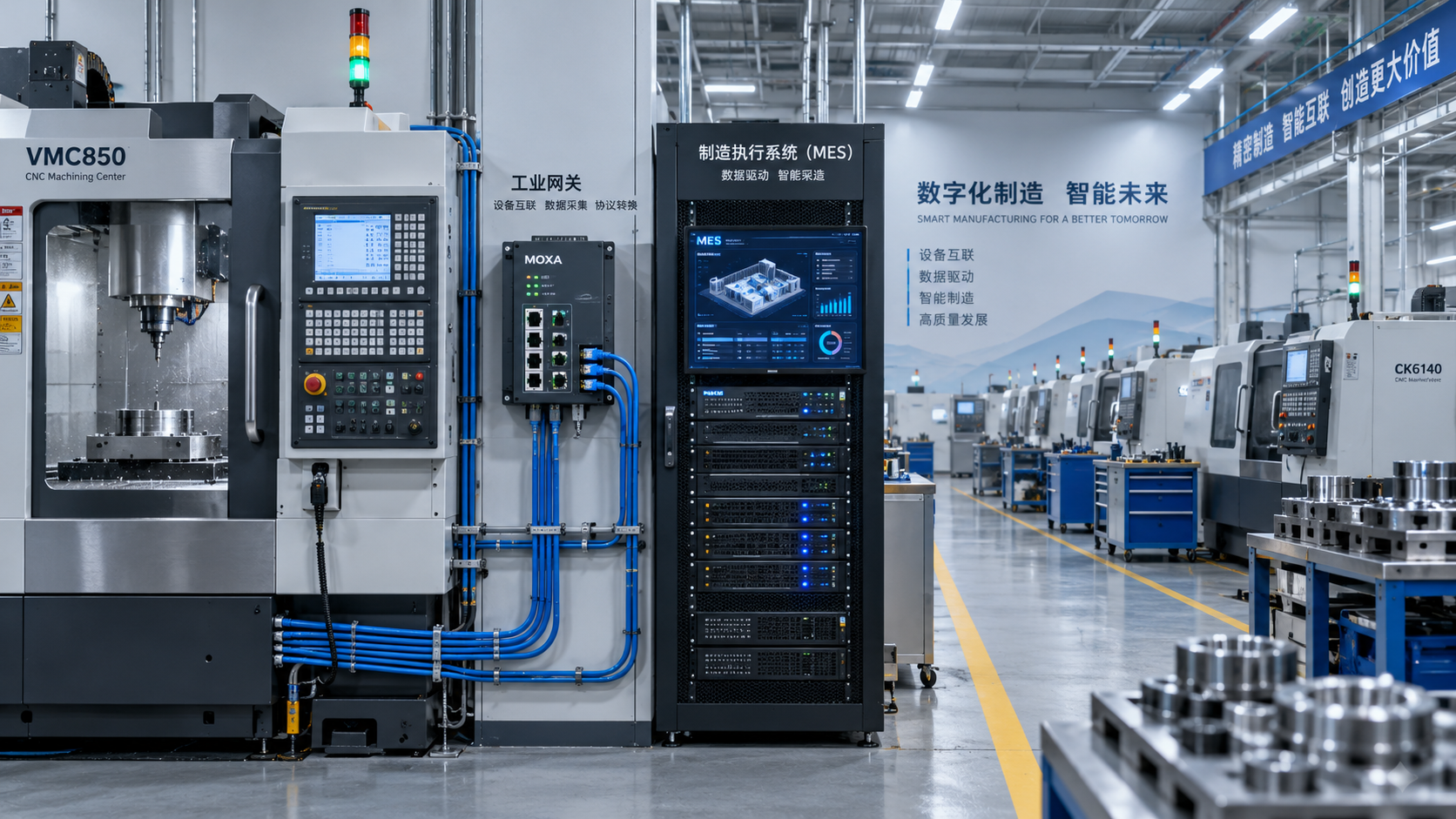
 Digital Manufacturing for Smart Factories: Connecting Legacy Machines to MESMachine Tool Industry Editorial Team
 How to Select a CNC Metal Lathe for Tight-Tolerance Shaft and Sleeve PartsCNC Machining Technology Center
 How to Select an Industrial Lathe for High-Volume Shaft ProductionMachine Tool Industry Editorial Team
 Selecting Machine Tools for Automotive Parts: Accuracy, Throughput, and AutomationMachine Tool Industry Editorial Team
 Industrial Machining: Selecting Processes for Tight-Tolerance Metal PartsCNC Machining Technology Center
 Manufacturing Technology Trends That Improve Throughput and Quality ControlManufacturing Market Research Center

Aris Katos
Future of Carbide Coatings
15+ years in precision manufacturing systems. Specialized in high-speed milling and aerospace grade alloy processing.
▶
Is Learning CNC Programming Worth It for Shop Owners Seeking Higher Margins?CNC Machining Technology Center▶
How to Select CNC Equipment for High-Mix, Low-Volume ProductionCNC Machining Technology Center▶
Can CNC Machining Inconel Control Tool Wear in High-Temperature Aerospace Parts?CNC Machining Technology Center▶
How Automated Precision Machining Maintains Tolerance in High-Mix ProductionCNC Machining Technology Center▶
CNC Programming Explained: From CAD Models to Reliable Shop-Floor ToolpathsCNC Machining Technology Center
Mastering 5-Axis Workholding Strategies
Join our technical panel on Nov 15th to learn about reducing vibrations in thin-wall components.

Providing you with integrated sanding solutions
Before-sales and after-sales services
Comprehensive technical support