• Global CNC market projected to reach $128B by 2028 • New EU trade regulations for precision tooling components • Aerospace deman
NYSE: CNC +1.2%LME: STEEL -0.4%

How CNC milling affects part cost and tolerance
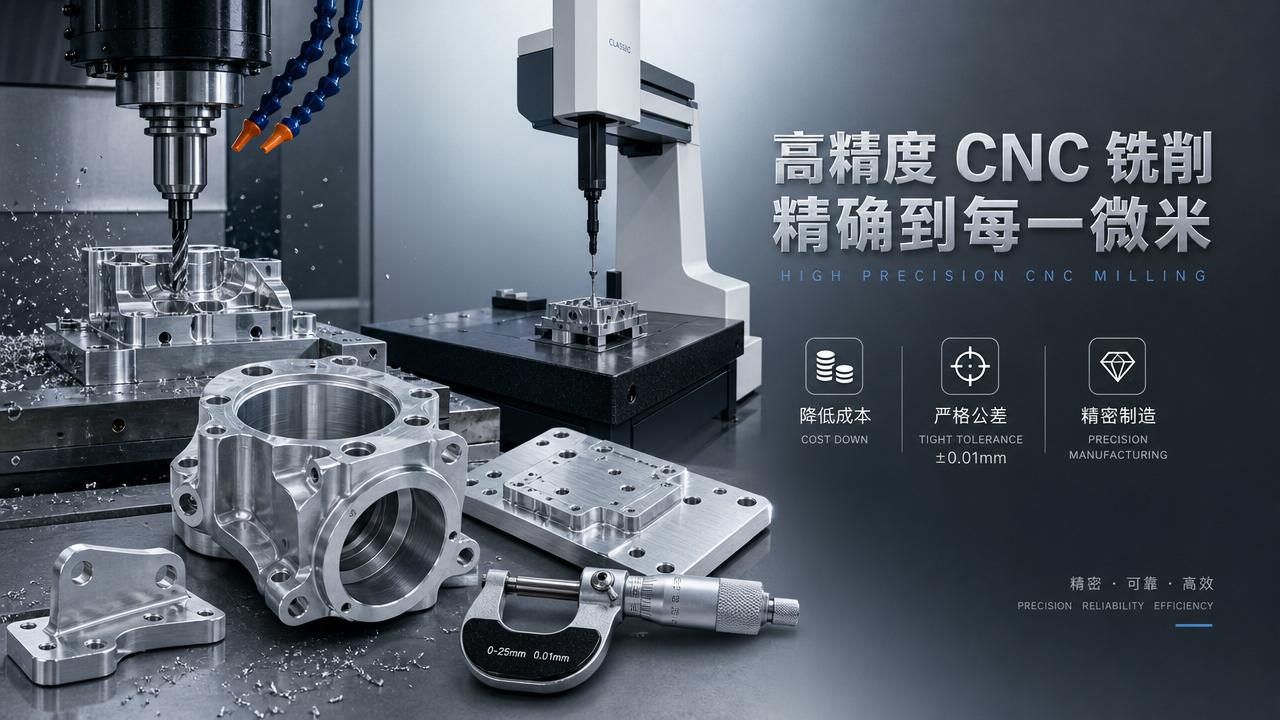
For procurement teams, understanding how CNC milling influences both part cost and tolerance is critical to making better sourcing decisions. Material choice, geometry, surface finish, and required accuracy all affect machining time, tooling wear, and inspection needs. This article explains how CNC milling impacts pricing and precision, helping buyers balance performance, manufacturability, and budget with greater confidence.
In global precision manufacturing, CNC milling is widely used for housings, brackets, plates, heat sinks, molds, and structural components across automotive, aerospace, energy, and electronics production. For buyers, the challenge is rarely limited to finding the lowest quoted price. The real task is understanding why one supplier quotes 20% more, why a tolerance of ±0.01 mm may multiply machining hours, or why a simple design revision can reduce total part cost by 15% to 30% without harming function.
A well-informed sourcing decision must connect design requirements with machining reality. CNC milling cost is shaped by machine time, setup complexity, material removal rate, tool access, fixture design, inspection effort, and batch size. Tolerance determines not only whether a part fits, but also how slowly it must be machined, how often tools are changed, and how rigorously each dimension is checked before shipment.
How CNC Milling Drives Part Cost in Industrial Procurement
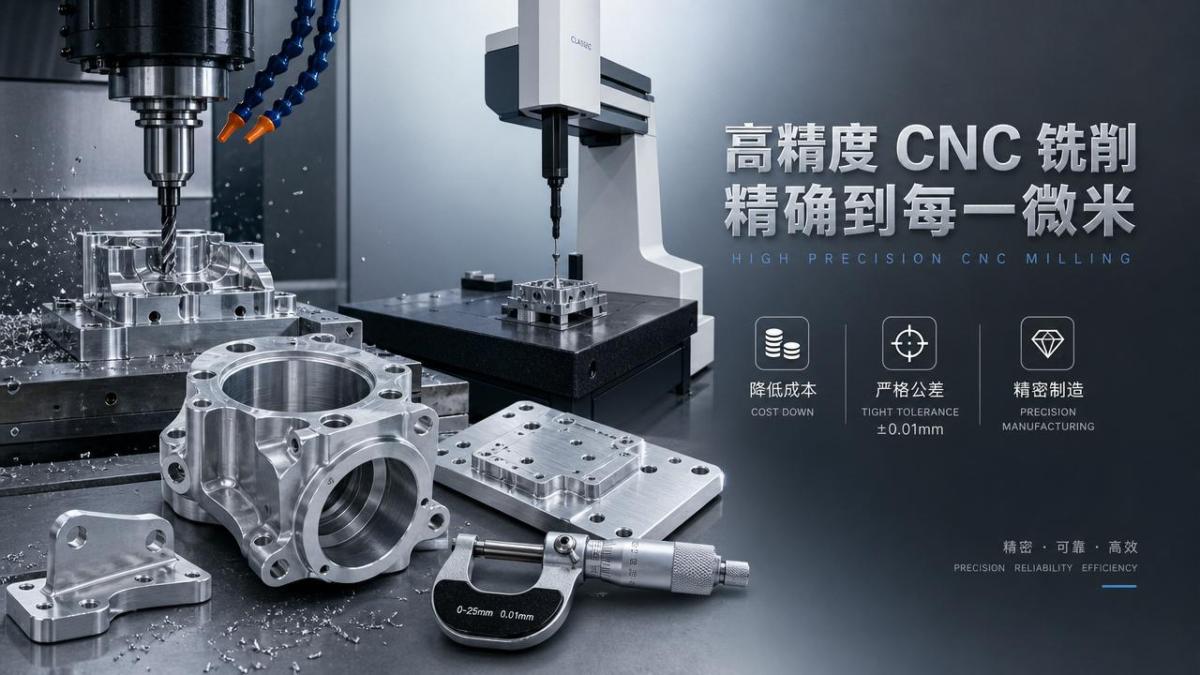
For most procurement projects, CNC milling cost is the result of five linked factors: material, geometry, tolerance, finish, and order volume. Even when two parts share the same external size, their cost can vary by 2x or more if one requires deep cavities, thin walls, multiple setups, or precision datums for inspection.
Machine Time Is Usually the Largest Cost Driver
In CNC milling, machine time often represents the biggest share of direct manufacturing cost. A part that takes 18 minutes to rough and finish is fundamentally different from one that needs 75 minutes because of intricate features or reduced cutting speeds. Longer cycle time affects spindle occupancy, labor planning, tool consumption, and delivery scheduling.
Parts with 3-axis access are usually more economical than components needing 4-axis or 5-axis positioning. If a design requires three separate setups instead of one, cost rises due to fixture changes, datum transfer risk, and extra inspection. In practical sourcing, every added setup should be treated as a cost event and a quality risk point.
Typical Cost Contributors Buyers Should Review
- Programming and setup time, often spread across the batch quantity
- Raw material grade and stock size, including waste from excess machining allowance
- Roughing and finishing cycle time, especially on hard alloys
- Tool wear on stainless steel, titanium, or abrasive composites
- Secondary processes such as deburring, anodizing, bead blasting, or tapping
- Inspection requirements, including CMM checks for critical dimensions
The table below shows how common design and process variables influence CNC milling cost from a purchasing perspective. The ranges are typical industry patterns rather than fixed market prices, but they are useful for supplier comparison and RFQ evaluation.
For buyers, the key message is that cost does not rise randomly. It rises when design decisions force slower cutting, more tool paths, extra handling, or more quality control. A procurement team that understands these mechanisms can challenge unclear quotations and encourage design-for-manufacturing improvements before purchase orders are released.
Material Selection Changes Both Price and Process Stability
Material choice affects raw stock cost, machinability, burr behavior, dimensional stability, and achievable finish. Aluminum alloys are usually favored for fast machining and lower tool wear. Stainless steel offers corrosion resistance but often requires lower feed rates and more robust tooling. Titanium and high-temperature alloys can raise complexity even further in aerospace and energy applications.
From a sourcing standpoint, it is useful to separate “functional necessity” from “legacy specification.” In some projects, replacing a difficult material with a more machinable grade can shorten lead time from 3–4 weeks to 1–2 weeks. That kind of change may also reduce scrap risk, especially for thin-wall parts or parts with deep pocket features.
Geometry Complexity Has a Direct Cost Penalty
Complex geometry adds cost when features are hard to access, thin sections vibrate during cutting, or internal corners require small tools. A deep pocket with a 6:1 depth-to-width ratio is harder to machine than a shallow open cavity. Small end mills remove less material per pass and are more likely to break, increasing both cycle time and process interruption.
Procurement teams should review whether the design includes nonfunctional details such as overly small internal radii, decorative edges, excessive pocket depth, or threaded holes in difficult positions. These features may not affect end use, but they can add 10 to 40 minutes to each part depending on quantity and machine strategy.
Why Tolerance Requirements Change CNC Milling Economics
Tolerance is one of the most misunderstood drivers in CNC milling procurement. A tighter number on a drawing does not only demand more accuracy at the final measurement stage. It changes the entire process window: cutting strategy, machine selection, fixture rigidity, thermal control, tool life management, and inspection frequency.
General Tolerances vs Critical Features
Not every feature on a milled part needs the same level of control. Many noncritical dimensions can remain at ±0.10 mm or ±0.20 mm, while functional bores, mating surfaces, or precision slot locations may require ±0.02 mm or tighter. When all features are over-toleranced, suppliers must treat the entire part as critical, which increases machining and inspection effort unnecessarily.
For purchasing teams, one effective RFQ practice is to ask engineering to distinguish between three levels: general dimensions, functional interfaces, and special critical characteristics. This simple classification often improves quote consistency and avoids suppliers pricing to the most conservative interpretation of the drawing.
Common Tolerance Bands in CNC Milling
- General machining tolerance: around ±0.10 mm to ±0.20 mm
- Controlled functional tolerance: around ±0.05 mm
- Precision fit or alignment features: ±0.02 mm or tighter
- Very high-precision requirements: often require dedicated process control and added inspection cost
The table below helps buyers connect tolerance levels with likely process implications in CNC milling projects.
The most important sourcing takeaway is that tolerance should follow function, not habit. When drawings clearly assign tighter control only where needed, CNC milling suppliers can optimize the rest of the part for speed and cost efficiency.
Inspection Cost Increases with Precision Demands
As tolerances tighten, inspection changes from a simple caliper or micrometer check to structured measurement planning. Critical CNC milled parts may require first article inspection, in-process probing, height gauge checks, or coordinate measuring machine verification. Each step adds labor, equipment time, and documentation requirements.
For low-volume projects, inspection cost per part can be especially high because setup and reporting effort are spread over only 5, 10, or 20 units. Buyers should ask suppliers whether inspection cost is embedded in piece price, charged as a one-time first article fee, or billed separately. That improves quote transparency and avoids later commercial disputes.
How Buyers Can Balance Cost, Tolerance, and Manufacturability
The best procurement results come from balancing technical performance with manufacturability. CNC milling should be specified to meet the application, not to exceed it by default. A buyer who works closely with design, quality, and suppliers can usually identify 3 to 6 practical optimization points before production begins.
Use RFQs That Reflect Real Functional Priorities
A strong RFQ package should include drawing revision level, material specification, annual volume, surface finish expectation, critical dimensions, and any required reports. If the target annual demand is 200 pieces instead of 20, suppliers may recommend dedicated fixtures or batch strategies that reduce unit cost over time. Volume context matters as much as geometry context.
Buyers should also ask at least four standard questions during supplier review: which dimensions are cost drivers, which features need multiple setups, what tolerances are difficult to maintain consistently, and what design changes could reduce cycle time. These questions often reveal hidden opportunities before tooling and schedules are fixed.
Practical Design Adjustments That Often Reduce CNC Milling Cost
- Increase internal corner radii where function allows, reducing the need for very small cutters
- Avoid unnecessarily deep narrow pockets, especially beyond a 4:1 depth ratio
- Apply tight tolerances only to mating or performance-critical features
- Standardize hole sizes and thread types to reduce tool changes
- Use common stock thicknesses to reduce raw material waste and lead time
- Align features for fewer setups and easier fixture access
Even modest design edits can improve CNC milling efficiency. In many industrial sourcing programs, lowering setup count from 3 to 2 or relaxing noncritical tolerances from ±0.02 mm to ±0.10 mm can produce significant savings without changing assembly function or field reliability.
Assess Suppliers on Process Capability, Not Price Alone
A low quote can become expensive if the supplier lacks stable process control. Buyers should assess whether the shop has suitable 3-axis, 4-axis, or 5-axis capacity, proper fixturing methods, in-process measurement capability, and a realistic lead time model. For tighter tolerance work, it is reasonable to ask how the supplier controls tool wear, setup repeatability, and dimensional drift across a batch.
Lead time should also be reviewed carefully. A standard CNC milling order might ship in 7–15 days, while precision parts with complex inspection could take 2–4 weeks. Short promised lead times are useful only if process capability supports them. Otherwise, delays, rework, and rejected parts can erase any nominal price advantage.
A Simple 5-Point Procurement Checklist
- Confirm which dimensions are truly critical to fit or performance
- Verify whether material and finish are function-driven or historically inherited
- Compare setup count and machining strategy across supplier quotations
- Clarify inspection scope, first article requirements, and documentation format
- Request manufacturability feedback before final PO release
Common Procurement Risks in CNC Milling Projects
Many cost overruns in CNC milling do not come from market price fluctuation. They come from preventable specification and communication gaps. Procurement teams that understand these risks can reduce re-quoting cycles, delivery slippage, and quality disputes.
Over-Tolerancing Creates Hidden Cost
One common mistake is applying precision tolerances to every dimension because the part is “important.” In reality, over-tolerancing drives slower machining, more scrap, and more inspection. If only 10% of the features are function-critical, the drawing should reflect that. Otherwise, the supplier must assume the whole component requires premium process control.
Ignoring Batch Size Distorts Cost Expectations
A one-off prototype and a repeat order of 500 pieces should not be priced by the same logic. Setup, programming, and first article validation are front-loaded costs. In low volume, these costs weigh heavily on each unit. In higher volume, they can be amortized more efficiently. Buyers should always request prototype pricing and production pricing separately when the project roadmap includes both stages.
Incomplete Drawings Lead to Quote Variability
When drawings omit finish requirements, datum logic, edge-break expectations, or inspection standards, suppliers make different assumptions. That often explains why quotations vary by 25% or more. The issue may not be supplier margin; it may be inconsistent scope interpretation. Better technical clarity usually improves commercial comparability.
CNC milling affects part cost and tolerance through every stage of the manufacturing process, from programming and fixturing to finishing and final inspection. For procurement teams, the most effective approach is to align tolerance with function, simplify geometry where possible, compare suppliers on capability as well as price, and use RFQs that clearly define critical requirements.
When buyers understand the relationship between machining time, material behavior, setup count, and dimensional control, they can negotiate more effectively and source with less risk. If you are evaluating CNC milling suppliers, refining a drawing for better manufacturability, or comparing cost drivers across multiple quotations, now is the right time to get a tailored review. Contact us to discuss your project, request a customized sourcing plan, or learn more about practical CNC machining solutions for precision manufacturing.
PREVIOUS ARTICLE
NEXT ARTICLE
Recommended for You
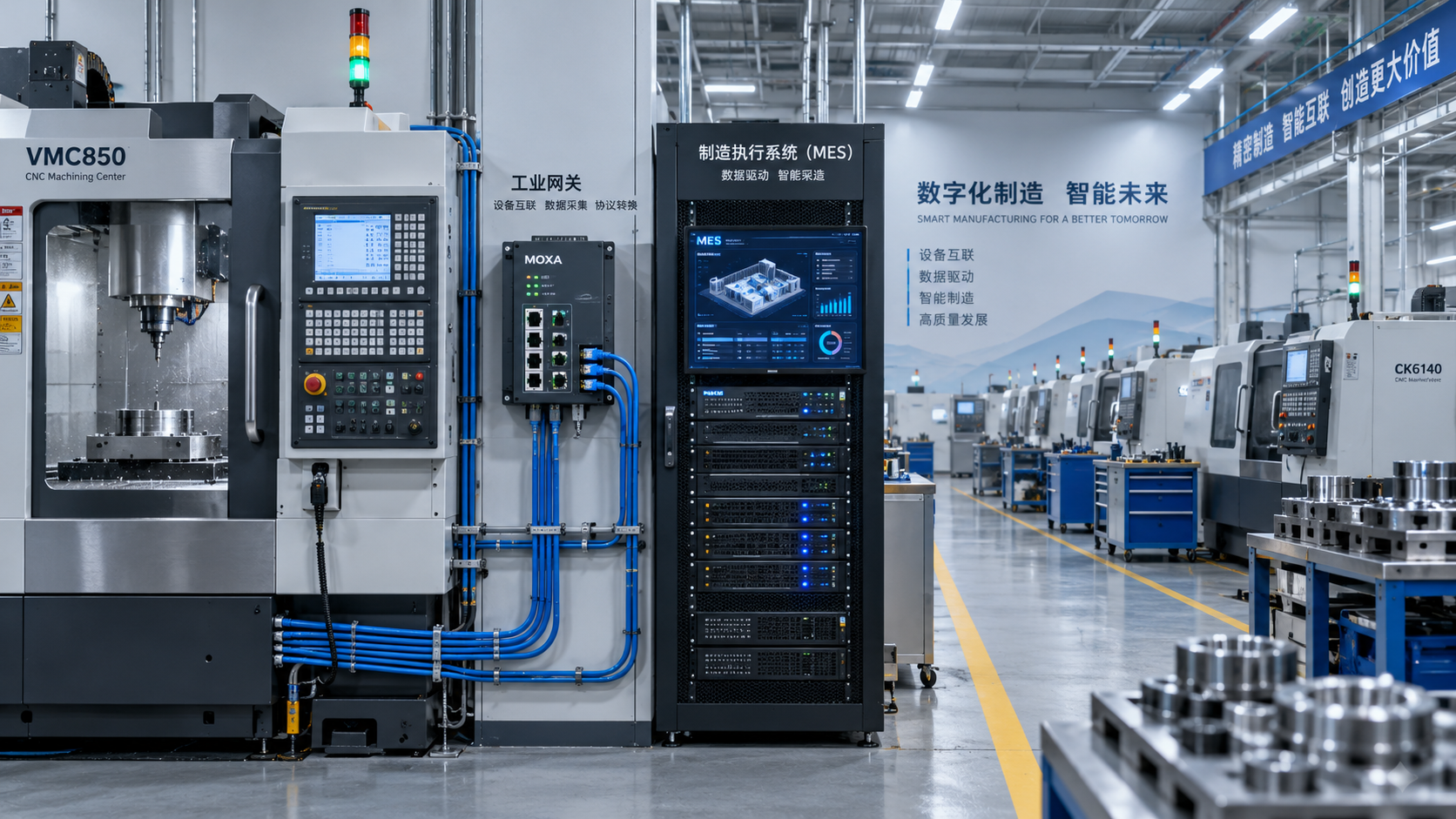
 Digital Manufacturing for Smart Factories: Connecting Legacy Machines to MESMachine Tool Industry Editorial Team
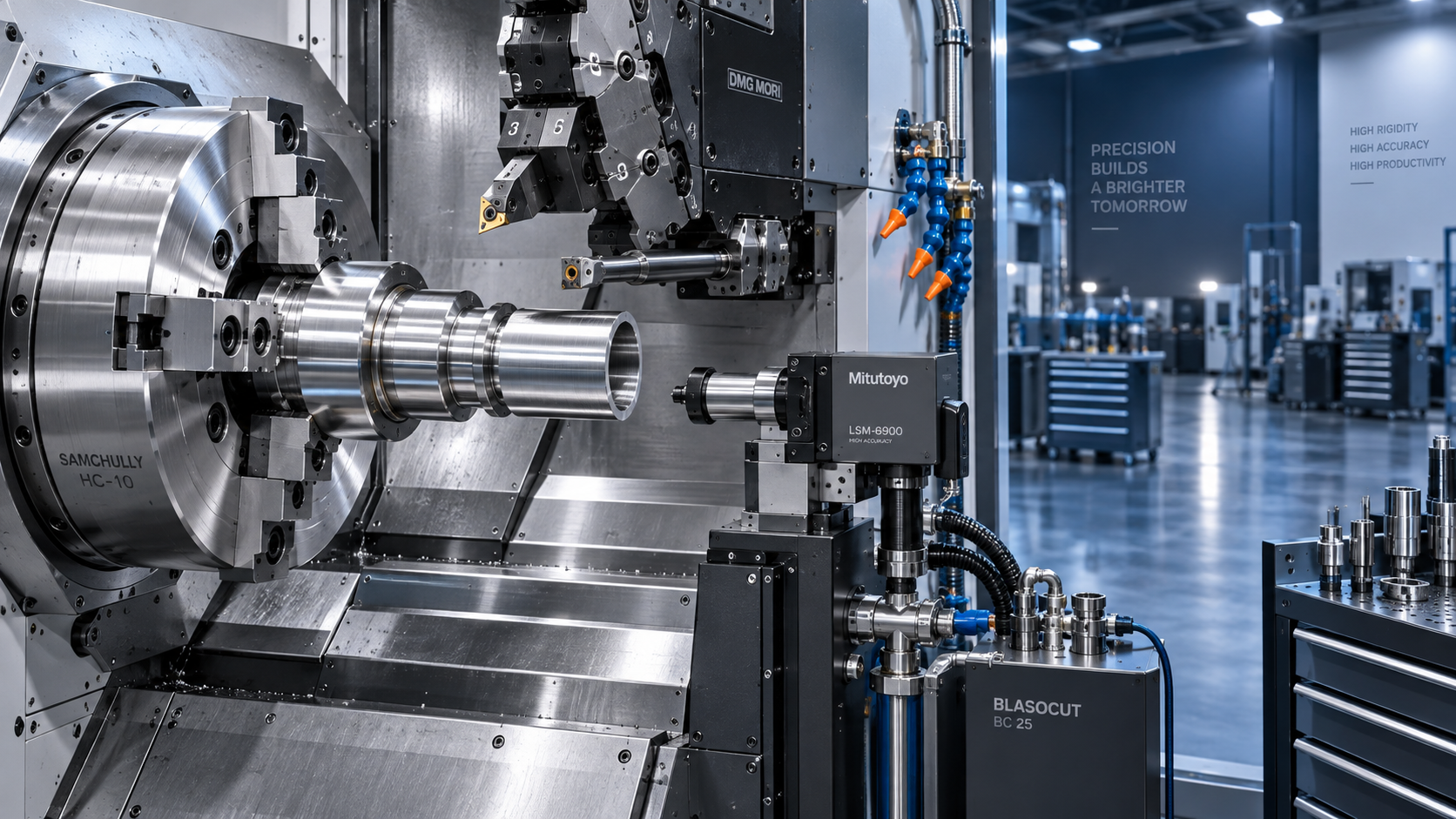
 How to Select a CNC Metal Lathe for Tight-Tolerance Shaft and Sleeve PartsCNC Machining Technology Center
 How to Select an Industrial Lathe for High-Volume Shaft ProductionMachine Tool Industry Editorial Team
 Selecting Machine Tools for Automotive Parts: Accuracy, Throughput, and AutomationMachine Tool Industry Editorial Team
 Industrial Machining: Selecting Processes for Tight-Tolerance Metal PartsCNC Machining Technology Center
 Manufacturing Technology Trends That Improve Throughput and Quality ControlManufacturing Market Research Center


Aris Katos
Future of Carbide Coatings
15+ years in precision manufacturing systems. Specialized in high-speed milling and aerospace grade alloy processing.
▶
Is Learning CNC Programming Worth It for Shop Owners Seeking Higher Margins?CNC Machining Technology Center▶
How to Select CNC Equipment for High-Mix, Low-Volume ProductionCNC Machining Technology Center▶
Can CNC Machining Inconel Control Tool Wear in High-Temperature Aerospace Parts?CNC Machining Technology Center▶
How Automated Precision Machining Maintains Tolerance in High-Mix ProductionCNC Machining Technology Center▶
CNC Programming Explained: From CAD Models to Reliable Shop-Floor ToolpathsCNC Machining Technology Center
Mastering 5-Axis Workholding Strategies
Join our technical panel on Nov 15th to learn about reducing vibrations in thin-wall components.

Providing you with integrated sanding solutions
Before-sales and after-sales services
Comprehensive technical support