• Global CNC market projected to reach $128B by 2028 • New EU trade regulations for precision tooling components • Aerospace deman
NYSE: CNC +1.2%LME: STEEL -0.4%

Which Machine Tool Works Best for Mold Making Jobs
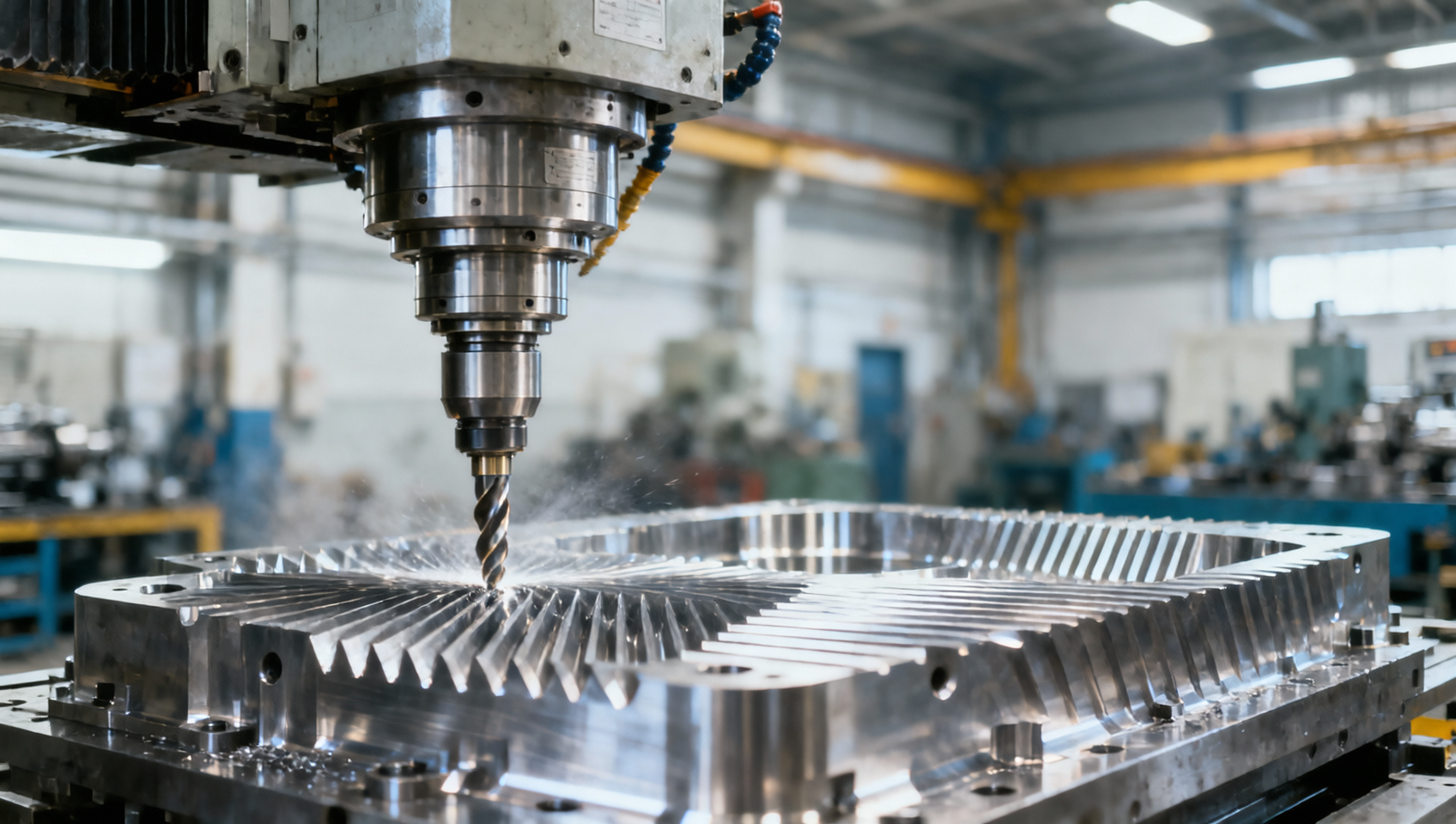
Choosing the right machine tool for mold making depends on accuracy, rigidity, speed, and long-term efficiency. From a high precision machine tool to a Heavy-duty Machining Center for mold making, today’s precision CNC manufacturing solutions help buyers and operators balance quality, machine tool price, and productivity. This guide explores which machine tool for mold making delivers the best results for modern manufacturing needs.
What matters most when selecting a machine tool for mold making?
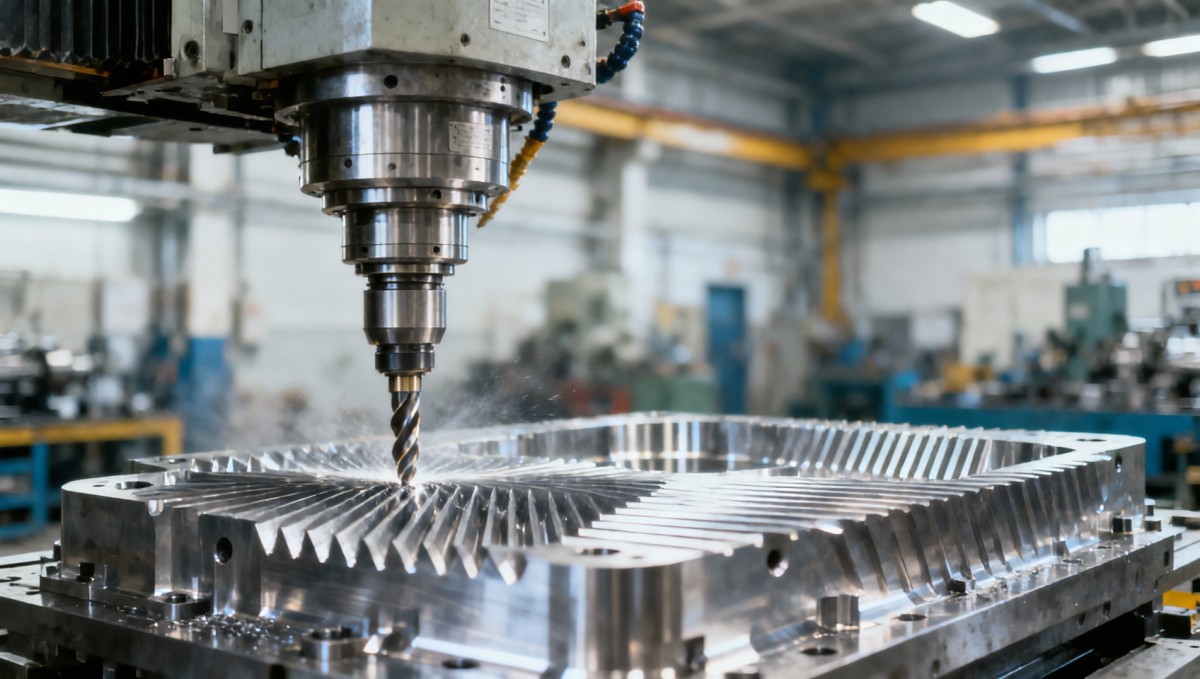
Mold making is not a single process. It usually combines roughing, semi-finishing, finishing, electrode machining, hole making, and occasional manual fitting. Because of that, the best machine tool for mold making is rarely defined by spindle speed alone. Buyers and operators usually need to judge 4 core factors at the same time: dimensional accuracy, structural rigidity, thermal stability, and cycle-time efficiency.
For small and medium molds, a high precision machine tool with stable 3-axis or 5-axis interpolation often delivers better surface quality and lower polishing workload. For large plastic injection molds, die-casting molds, or automotive tooling, a Heavy-duty Machining Center for mold making may be more suitable because it can manage larger workpieces, heavier cuts, and longer continuous machining periods, often across 8–20 hours per cycle depending on cavity complexity.
In practical procurement, many companies make the mistake of comparing only machine tool price. However, mold performance is closely linked to machine behavior under real shop conditions. A machine that appears economical at purchase may create hidden costs through tool wear, vibration marks, slow finishing passes, or unstable repeatability during 2–3 shift production.
The broader CNC machine tool industry has moved toward higher automation, tighter tolerances, and digital integration. That trend matters directly to mold shops. Whether the user is machining inserts for electronics, structural molds for automotive parts, or precision cavities for energy equipment, the right equipment should fit both current production and a 3–5 year capacity plan.
Key performance indicators that affect mold quality
A machine tool for mold making should be judged by more than brochure highlights. In most workshops, the most meaningful indicators include positioning accuracy, repeatability, spindle runout behavior, acceleration and deceleration response, table load capacity, and control system stability during long programs. These factors shape cavity accuracy, rib sharpness, corner consistency, and final EDM allowance.
- Accuracy and repeatability: especially important for finishing passes, insert matching, and multi-cavity consistency.
- Rigidity and damping: critical when roughing pre-hardened steel, deep pockets, or large mold bases.
- Thermal control: important for jobs running 6–12 hours where heat growth can affect cavity dimensions.
- Control and software compatibility: necessary for complex toolpaths, high-speed milling, and shop-floor integration.
For procurement teams, these indicators also help compare machine configurations from suppliers in China, Germany, Japan, South Korea, and other major manufacturing clusters. The goal is not only to find a capable machine, but to match machine architecture with mold size, material hardness, expected batch frequency, and available operator skill level.
Which machine types are best for different mold making jobs?
There is no universal answer because mold making spans small precision inserts, medium-size plastic molds, large appliance molds, die-casting tools, and prototype tooling. The most common options include high-speed vertical machining centers, high precision machine tools for fine cavity work, 5-axis machining centers for complex contours, and Heavy-duty Machining Centers for mold making where rigidity and travel range are more important than very high spindle speed.
A compact high-speed machine may perform well on copper electrodes, small mold components, and graphite work, especially when short tools and tight thermal control are used. In contrast, a larger gantry or box-way platform may be more suitable for deep steel roughing and large workpiece support. The right choice depends on whether the workshop spends more hours on material removal, contour finishing, or multi-face setup reduction.
The table below compares typical machine tool options for mold making based on common shop requirements. It is designed for information researchers, operators, procurement managers, and business decision-makers who need a faster screening method before requesting quotations or detailed technical discussions.
The comparison shows that the best machine tool works best only when matched to the actual mold profile. A shop focused on connector molds and tight-detail inserts will likely prioritize precision and thermal stability. A factory processing large appliance or automotive molds may gain more value from machine mass, table capacity, and roughing torque than from extreme spindle speed alone.
How job size and material affect machine choice
Material and mold dimensions strongly influence selection. Aluminum prototype tooling often favors speed and quick turnaround. P20, H13, and similar mold steels require a balance of torque, rigidity, and finishing control. If the shop routinely cuts pre-hardened material in the 30–50 HRC range, machine stiffness, spindle load behavior, and vibration suppression become more important than headline rapid-traverse numbers.
Size also changes the cost logic. Small jobs may justify faster, lighter machines because setup time and part count matter more. Large molds can require longer X, Y, and Z travel, larger table loads, and stronger chip evacuation. In those cases, a Heavy-duty Machining Center for mold making often reduces risk, especially when one workpiece may remain on the machine for several days across roughing and semi-finishing stages.
What technical specifications should buyers and operators check first?
A practical evaluation starts with 5 key checkpoints: travel range, spindle characteristics, guideway structure, control capability, and tool management. These define whether a machine can cut the target mold efficiently without overloading tools or forcing too many setup compromises. A technically strong quote should also clarify coolant method, chip handling, probing options, and post-sales support scope.
For mold making, travel must fit the largest expected part plus fixture and tool clearance. Spindle configuration should match both roughing and finishing strategy. Tool magazine capacity matters when one mold program uses multiple cutters, holders, and probing tools. In many production environments, 24–40 tools may be adequate for standard jobs, while more complex mold programs may require 40–60 positions to reduce manual intervention.
The next table summarizes common selection parameters that often influence machine tool price, productivity, and long-term process stability. These are not universal limits, but they provide a realistic framework for comparing different machine tool suppliers and CNC manufacturing solutions.
A well-structured parameter review helps avoid buying a machine that looks competitive but fails in actual mold production. For example, a machine may have attractive spindle speed, yet insufficient rigidity for deep pocket roughing. Another may offer large travel but lack the control response needed for smooth finishing in tight corners and curved cavity regions.
Why rigidity and thermal stability often outweigh headline speed
Operators know that mold machining is sensitive to vibration, heat, and long-run consistency. A machine that remains stable over 6–10 hours usually produces more predictable results than one that only performs well in short demonstrations. That is why base casting quality, guideway type, spindle cooling, and machine enclosure temperature behavior deserve careful review during selection.
This is especially true when the process includes semi-finishing and finishing on the same setup. If thermal drift changes part position during the cycle, the shop may lose time through rework, polishing, or EDM correction. For many mold makers, stable output across multiple shifts has more business value than chasing the fastest nominal feed rates.
A simple 4-step technical review process
- List the largest 3 mold families by size, material, and monthly frequency.
- Map each family to roughing hours, finishing hours, and setup count.
- Compare machine structure, spindle behavior, and control functions against those needs.
- Confirm support details such as training, spare parts response, and installation timeline, often 2–6 weeks depending on scope.
How should procurement teams balance machine tool price, delivery, and long-term value?
Procurement decisions in mold making rarely depend on equipment price alone. A lower upfront cost may look attractive, but total production economics also include machining hours, tool consumption, labor intensity, maintenance downtime, setup repeatability, and scrap risk. For decision-makers, the real question is whether the machine supports stable output over the next 2–5 years under actual customer demand.
Delivery timing is another major factor. Some mold shops need a new machine quickly because existing capacity is full or a new customer program has started. In such cases, buyers should ask not only about machine shipment, but also about installation, alignment, commissioning, operator training, and trial production support. A short quoted lead time loses value if acceptance and ramp-up take too long.
The table below provides a practical selection view for balancing machine tool price with production goals. It is especially useful for companies comparing standard machines against more specialized precision CNC manufacturing solutions.
This framework helps avoid overbuying and underbuying at the same time. A machine with advanced options may not pay back in a low-utilization workshop. On the other hand, a low-cost platform can become expensive if it increases cycle time by several hours per mold or requires repeated rework during every delivery cycle.
Common procurement mistakes in mold making projects
One frequent mistake is buying based on general machining capacity rather than mold-specific behavior. Mold jobs often need smooth contouring, long finishing programs, and consistent dimensional control after extended heat buildup. Another mistake is ignoring operator readiness. Even a good 5-axis or high precision machine tool can underperform if CAM programming, tooling, and training are not aligned.
- Do not evaluate machine tool price without considering tooling cost, polishing labor, and planned machine loading rate.
- Do not assume all high-speed machines are equally suitable for hardened steel mold work.
- Do not skip acceptance criteria such as geometry verification, test cutting, and training scope before order confirmation.
A better approach is to request process-oriented discussions around target materials, typical mold dimensions, expected monthly throughput, and inspection needs. That allows suppliers to recommend a more accurate precision CNC manufacturing solution instead of a generic machine category.
FAQ: What do buyers and operators ask most about mold making machine tools?
Is a high precision machine tool always better than a Heavy-duty Machining Center for mold making?
Not always. A high precision machine tool is often better for fine cavity detail, small inserts, tight matching surfaces, and reduced polishing effort. A Heavy-duty Machining Center for mold making is usually better for large workpieces, stronger roughing, and higher table loads. Many mold shops eventually need both capabilities, either in separate machines or in a balanced machine with medium-to-high rigidity and precision.
How many axes are really needed for mold making?
For many standard plastic molds, 3-axis machining remains practical and cost-effective, especially when processes are well planned. However, 5-axis machining becomes valuable when the mold includes complex contours, deep walls, multi-face features, or when setup reduction is important. The decision should be based on actual geometry and process hours, not only on machine trend or marketing language.
What delivery and implementation timeline is typical?
The timeline depends on configuration, stock availability, optional systems, and installation scope. In many projects, quotation clarification may take several days, technical confirmation 1–2 weeks, and installation plus commissioning another 1–3 weeks after arrival. Buyers should ask for a step-by-step schedule covering shipment, foundation requirements, machine acceptance, operator training, and first-part validation.
What standards or compliance points should be discussed?
Without assuming a specific brand or region, buyers should discuss electrical compatibility, safety protection, documentation language, machine accuracy inspection method, and any factory-specific compliance requirements. If the machine will be integrated into an automated line or smart manufacturing cell, communication interfaces, probing support, and maintenance documentation should also be confirmed early.
Why work with us when evaluating machine tools for mold making?
We focus on the global CNC machining and precision manufacturing industry, with attention to machine tool technology, production application, market trends, and international trade realities. That means our support is not limited to broad product descriptions. We help connect mold making requirements with practical equipment evaluation, supplier communication, and procurement judgment in real B2B manufacturing scenarios.
If you are comparing a high precision machine tool with a Heavy-duty Machining Center for mold making, we can help organize the decision around your actual parts, target materials, cavity complexity, workshop capacity, and delivery goals. This is useful for information researchers who need clearer technical understanding, operators who want process-fit guidance, procurement teams managing cost and lead time, and business leaders planning future expansion.
You can contact us for specific topics such as parameter confirmation, machine tool price comparison, mold making equipment selection, delivery cycle planning, automation compatibility, sample part discussion, and custom solution matching. If needed, we can also help structure a supplier evaluation checklist covering 5 key areas: technical fit, process stability, service response, implementation timeline, and long-term manufacturing value.
When your team is ready, send your mold size range, material type, preferred machining process, annual demand, and any required accuracy or support expectations. With that information, the selection process becomes faster, more comparable, and more useful for real production decisions instead of relying on generic machine categories alone.
PREVIOUS ARTICLE
Recommended for You
 Digital Manufacturing for Smart Factories: Connecting Legacy Machines to MESMachine Tool Industry Editorial Team
 How to Select a CNC Metal Lathe for Tight-Tolerance Shaft and Sleeve PartsCNC Machining Technology Center
 How to Select an Industrial Lathe for High-Volume Shaft ProductionMachine Tool Industry Editorial Team
 Selecting Machine Tools for Automotive Parts: Accuracy, Throughput, and AutomationMachine Tool Industry Editorial Team
 Industrial Machining: Selecting Processes for Tight-Tolerance Metal PartsCNC Machining Technology Center
 Manufacturing Technology Trends That Improve Throughput and Quality ControlManufacturing Market Research Center

Aris Katos
Future of Carbide Coatings
15+ years in precision manufacturing systems. Specialized in high-speed milling and aerospace grade alloy processing.
▶
How to Select a Machine Tool for Aerospace Parts with Tight Tolerances?Machine Tool Industry Editorial Team▶
How to Compare Machine Tools for Small-Batch vs Mass Production JobsMachine Tool Industry Editorial Team▶
Multi-Axis Machine Tool Selection Guide: Travel, Spindle, Accuracy, and Control SystemMachine Tool Industry Editorial Team▶
How to Evaluate Precision Equipment for Tight-Tolerance Parts and Stable OutputMachine Tool Industry Editorial Team▶
KATS Tightens CNC Grinder Import Test RulesMachine Tool Industry Editorial Team
Mastering 5-Axis Workholding Strategies
Join our technical panel on Nov 15th to learn about reducing vibrations in thin-wall components.

Providing you with integrated sanding solutions
Before-sales and after-sales services
Comprehensive technical support