• Global CNC market projected to reach $128B by 2028 • New EU trade regulations for precision tooling components • Aerospace deman
NYSE: CNC +1.2%LME: STEEL -0.4%

What to check before building an Automated Production Line
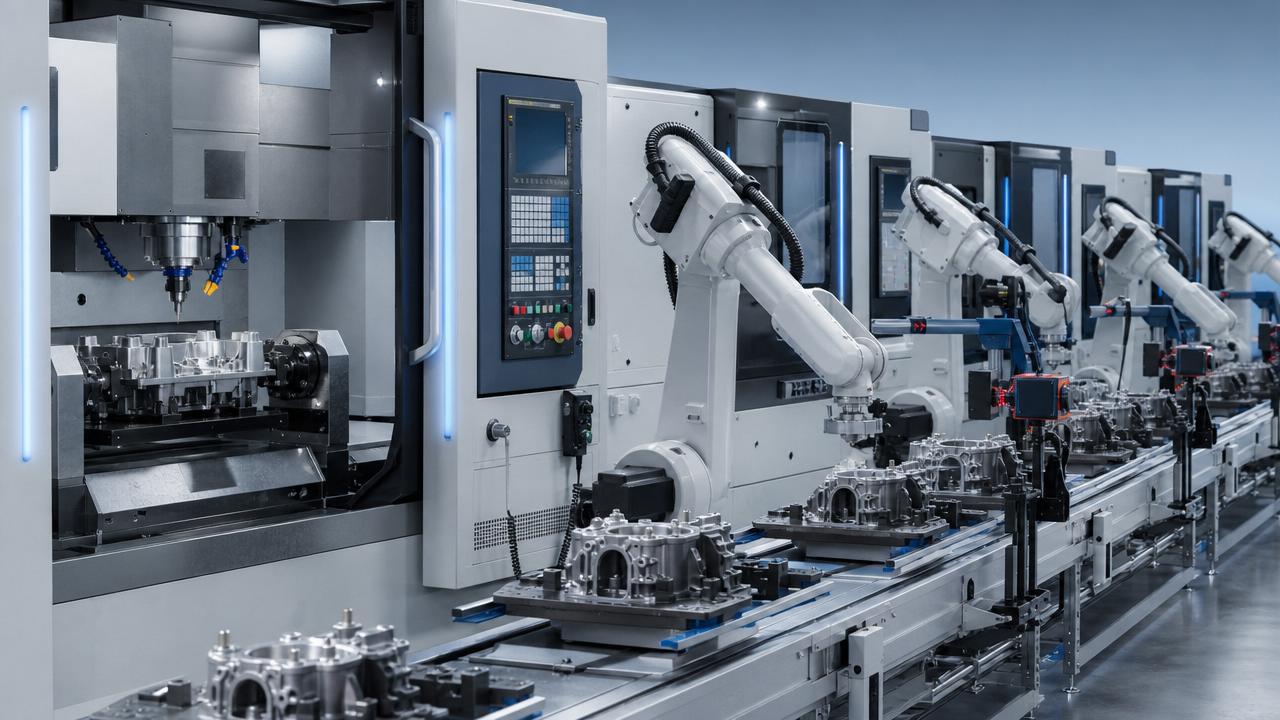
Before funding an Automated Production Line, several checks matter more than speed claims or catalog specifications. The real question is whether the line matches product design, process flow, quality targets, and long-term production plans.
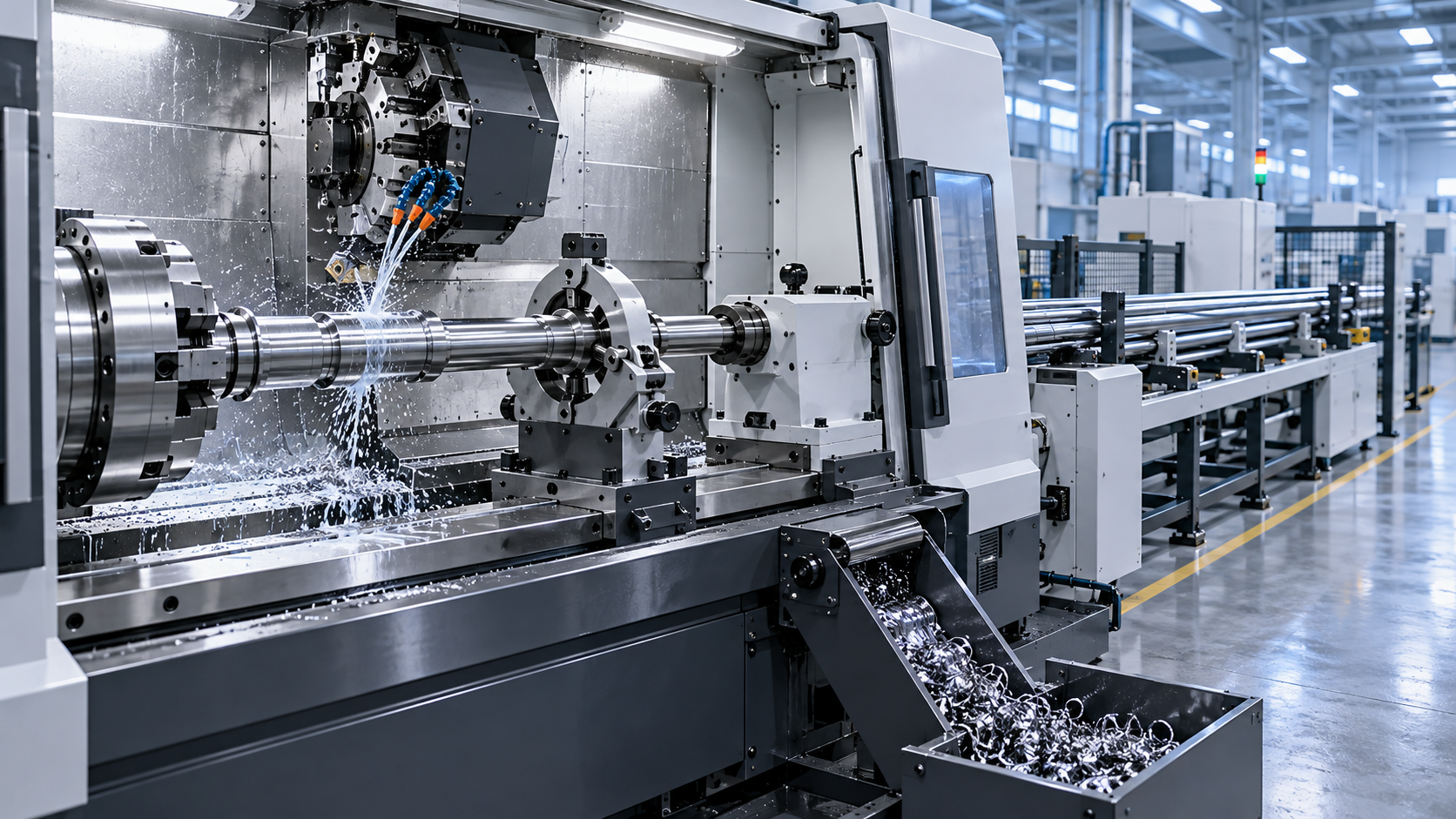
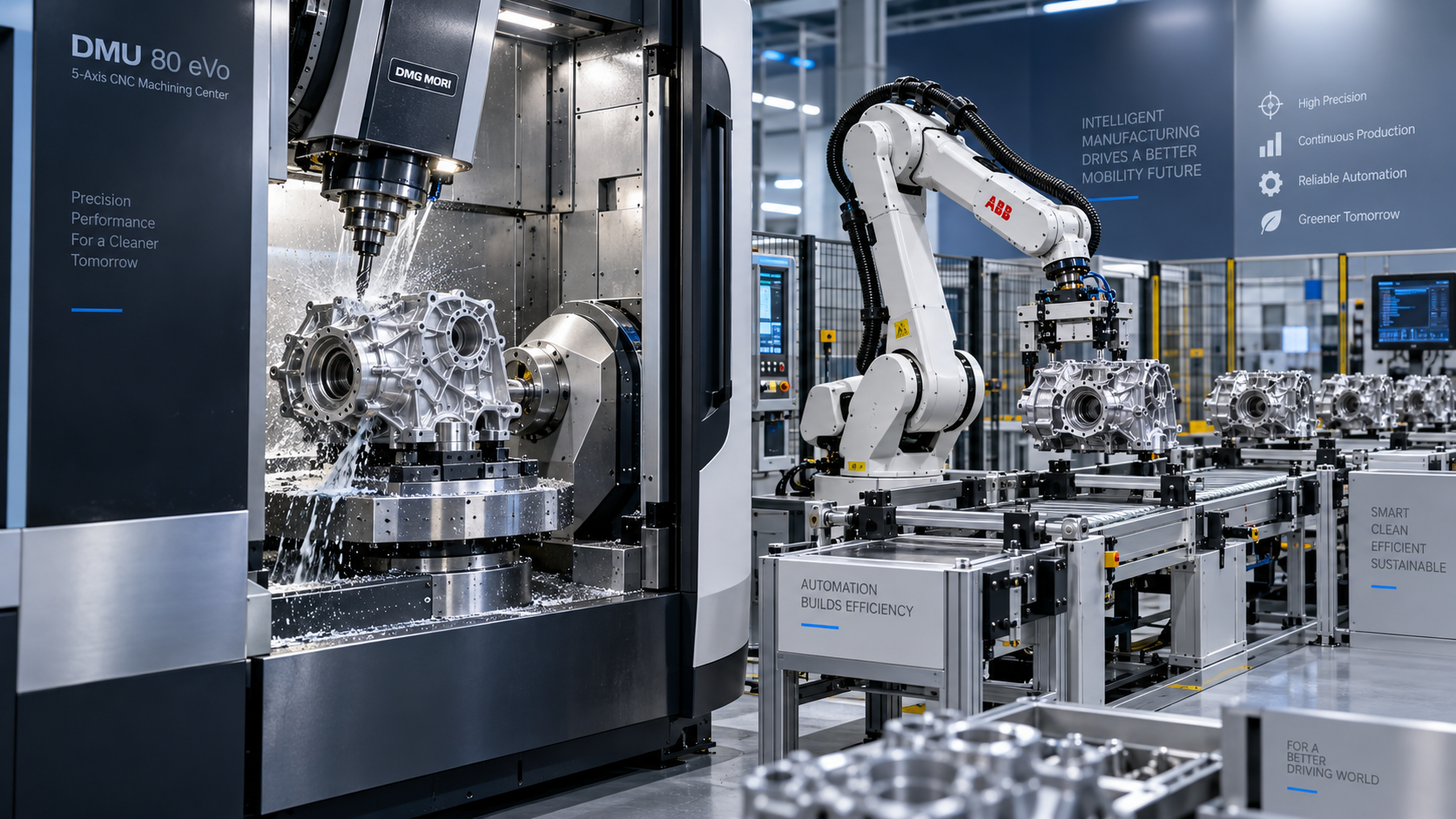
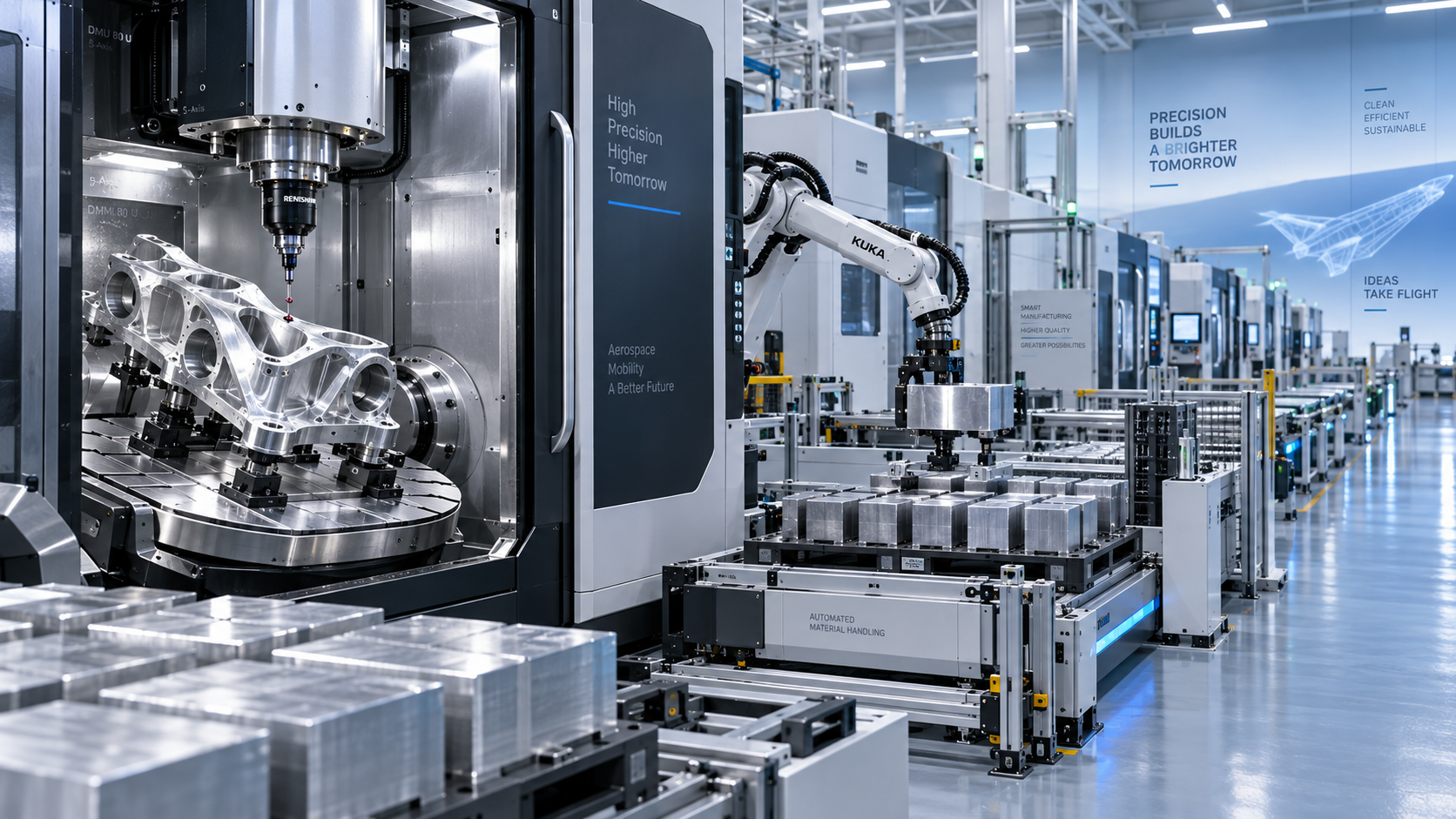
In modern manufacturing, an Automated Production Line connects CNC machines, tooling, fixtures, transfer units, robots, sensors, and software into one controlled system. If one link is unstable, the whole line loses efficiency.
A careful review reduces hidden costs, startup delays, rework, and underused equipment. The checkpoints below help evaluate feasibility, risk, and return before design, purchasing, and installation begin.
What should be checked first in an Automated Production Line project?
The first check is product and process stability. An Automated Production Line performs best when part dimensions, tolerances, materials, and takt requirements remain predictable over time.
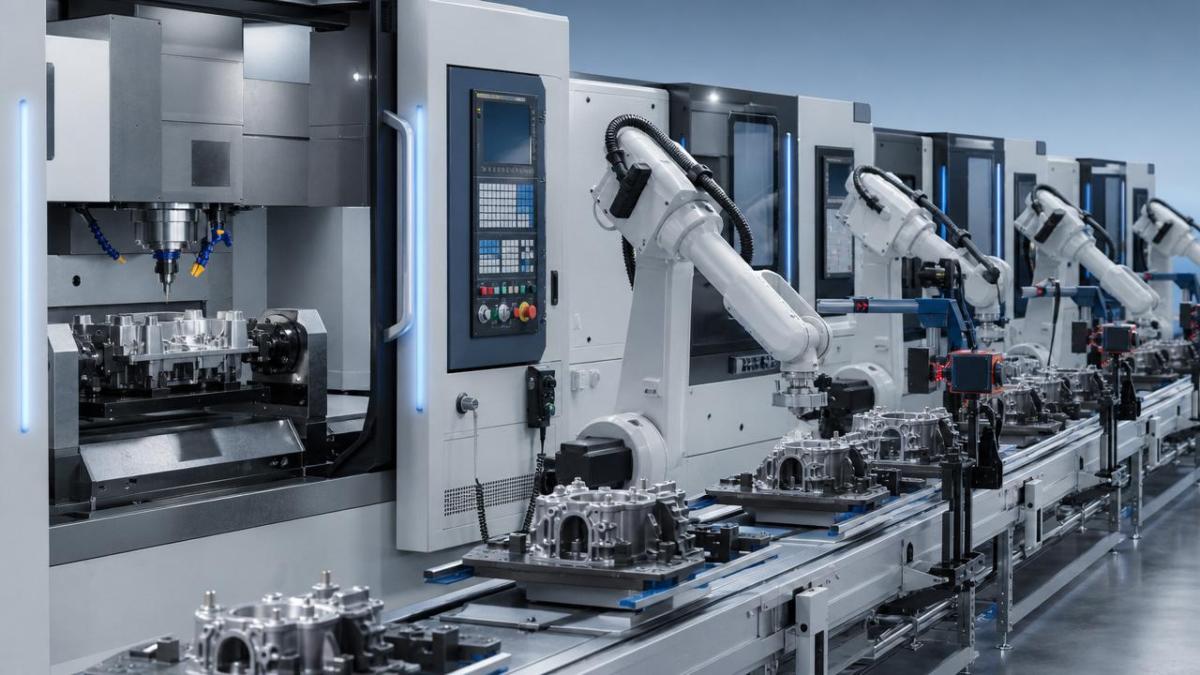
If drawings change often, fixtures may become obsolete quickly. If product families vary too much, line balancing, robotic handling, and program logic become harder to standardize.
Start by reviewing these basics:
- Part geometry consistency
- Material type and machining behavior
- Tolerance and surface finish requirements
- Daily, weekly, and seasonal volume changes
- Required traceability and inspection points
This early check prevents a common mistake: automating a process that is not yet standardized. Automation multiplies strengths, but it also multiplies instability.
How do you know whether the process is compatible with an Automated Production Line?
Process compatibility means each operation can run in sequence without creating bottlenecks, unsafe motion, or excessive manual intervention. This includes machining, loading, clamping, deburring, washing, inspection, and unloading.
For CNC-intensive production, examine spindle cycle time, tool change frequency, chip evacuation, coolant control, and fixture repeatability. A fast machine alone does not create a high-performing Automated Production Line.
Compatibility review should answer several questions:
- Can raw parts be fed consistently?
- Can robots or handlers grip every part reliably?
- Will chips, oil, burrs, or heat disrupt transfer?
- Can in-line inspection fit the cycle time?
- Can one station failure stop the whole line?
Processes with high variation may need buffers, parallel stations, or semi-automatic islands. In some cases, a flexible cell is better than a rigid Automated Production Line.
Why does takt balance matter so much?
When one station runs much longer than others, the full line output drops to that pace. This creates idle assets, work-in-process growth, and unnecessary pressure on scheduling.
A balanced Automated Production Line should align core operations within an acceptable takt range. Balance can be improved through operation splitting, fixture redesign, tool path optimization, or machine duplication.
Which equipment and accuracy factors must be verified before line building?
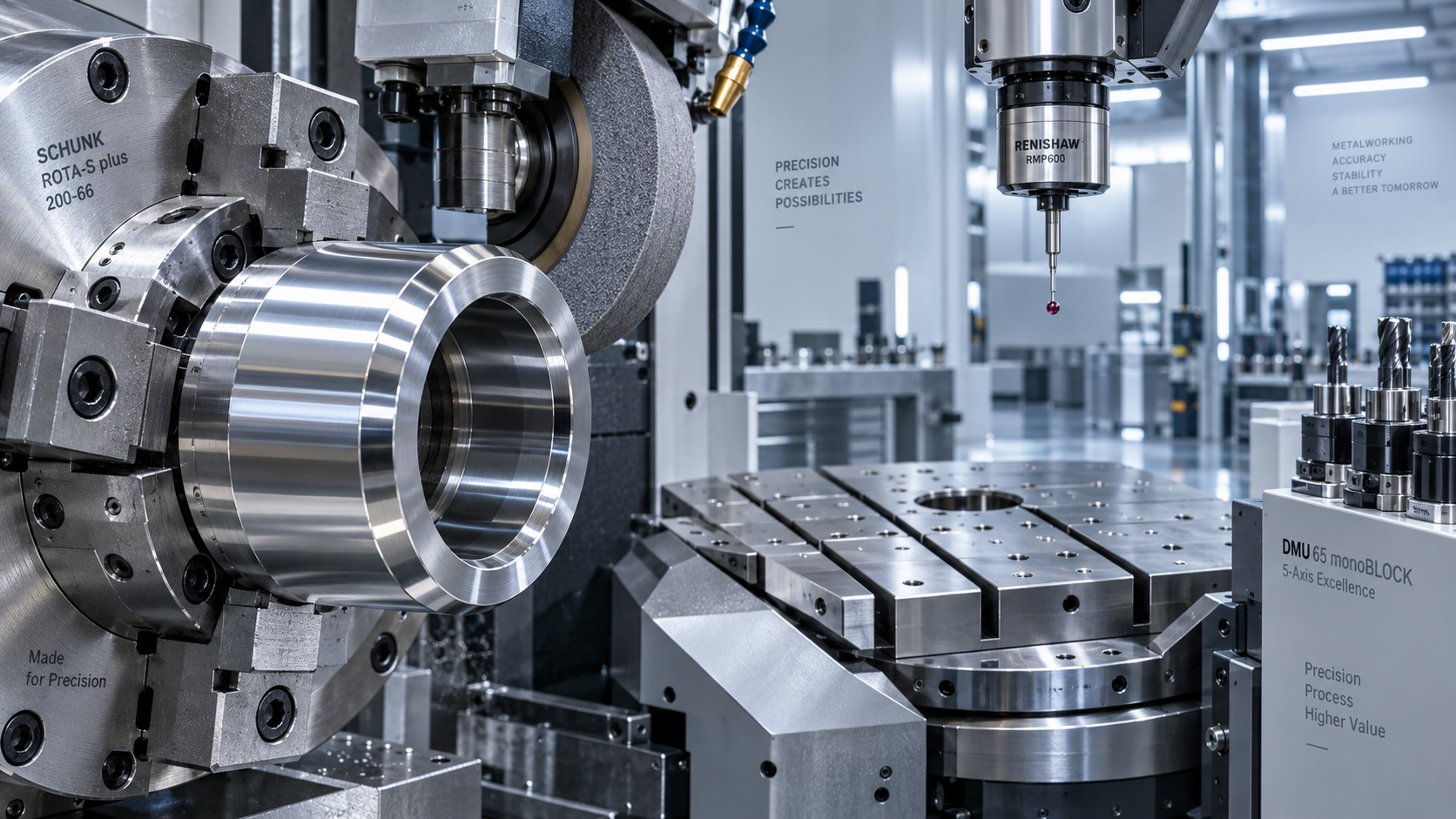
Equipment precision must match final product requirements under real production conditions, not only laboratory conditions. Repeatability, thermal stability, and long-cycle reliability deserve equal attention.
In an Automated Production Line, machine tools, robotic axes, fixture datums, gauging devices, and conveyor references all contribute to total accumulated error. Small deviations can compound across stations.
Check the following technical points:
- Machine positioning and repeatability data
- Fixture clamping force and datum consistency
- Tool life stability and wear monitoring
- Gauging method, calibration plan, and sampling logic
- Maintenance access and spare part availability
Another key point is interoperability. CNC controllers, robot systems, sensors, vision units, and MES connections must communicate smoothly. Poor integration often causes more downtime than mechanical failure.
Should older machines be included in a new line?
Older assets can reduce upfront investment, but only if they support stable communication, predictable accuracy, and maintainable controls. Legacy machines with weak interfaces may slow commissioning and future upgrades.
What automation logic and digital controls should be reviewed?
An Automated Production Line is not only hardware. Its performance depends on control logic, sequencing, alarms, safety interlocks, recipe management, traceability, and data feedback.
Control architecture should define what happens during startup, changeover, tool wear alerts, inspection failure, part jams, and emergency stops. These scenarios shape actual uptime more than ideal cycle time.
Review this checklist before approval:
Digital visibility also matters. A modern Automated Production Line should collect cycle data, alarm history, tool status, energy use, and quality trends for continuous improvement.
What cost, timeline, and scalability risks are often underestimated?
Many projects focus on equipment price but overlook engineering, layout revision, utility preparation, software debugging, operator training, and spare part stock. These hidden costs shape total ownership.
Timeline risk is also common. The Automated Production Line may arrive on schedule, yet commissioning can slip because of unstable incoming parts, delayed fixtures, incomplete drawings, or missing interfaces.
Scalability should be tested early. Ask whether the line can support new part variants, volume expansion, additional inspection stations, or future connection to a smart factory platform.
Important pre-build questions include:
- How long is the real ramp-up period?
- What utility upgrades are required?
- Which parts need safety stock during launch?
- Can capacity expand without rebuilding everything?
- Who owns software and parameter backups?
Is full automation always the best answer?
Not always. For low volume, high mix, or unstable product demand, a modular or semi-automatic layout may offer better flexibility and lower risk than a fully fixed Automated Production Line.
How can common mistakes be avoided before final approval?
The best prevention method is a structured validation process. This should include sample part testing, simulation, cycle study, interface review, failure mode analysis, and acceptance criteria definition.
A practical decision table can help:
Final approval should not rely on supplier promises alone. It should be based on verified process data, clear acceptance standards, realistic ramp-up assumptions, and defined support responsibilities.
A successful Automated Production Line improves consistency, throughput, and traceability. But the strongest results come from preparation, not from automation intensity alone.
Before moving forward, review product stability, process compatibility, precision chain, control logic, and expansion potential. That disciplined approach supports better investment decisions and stronger manufacturing performance over time.
Recommended for You
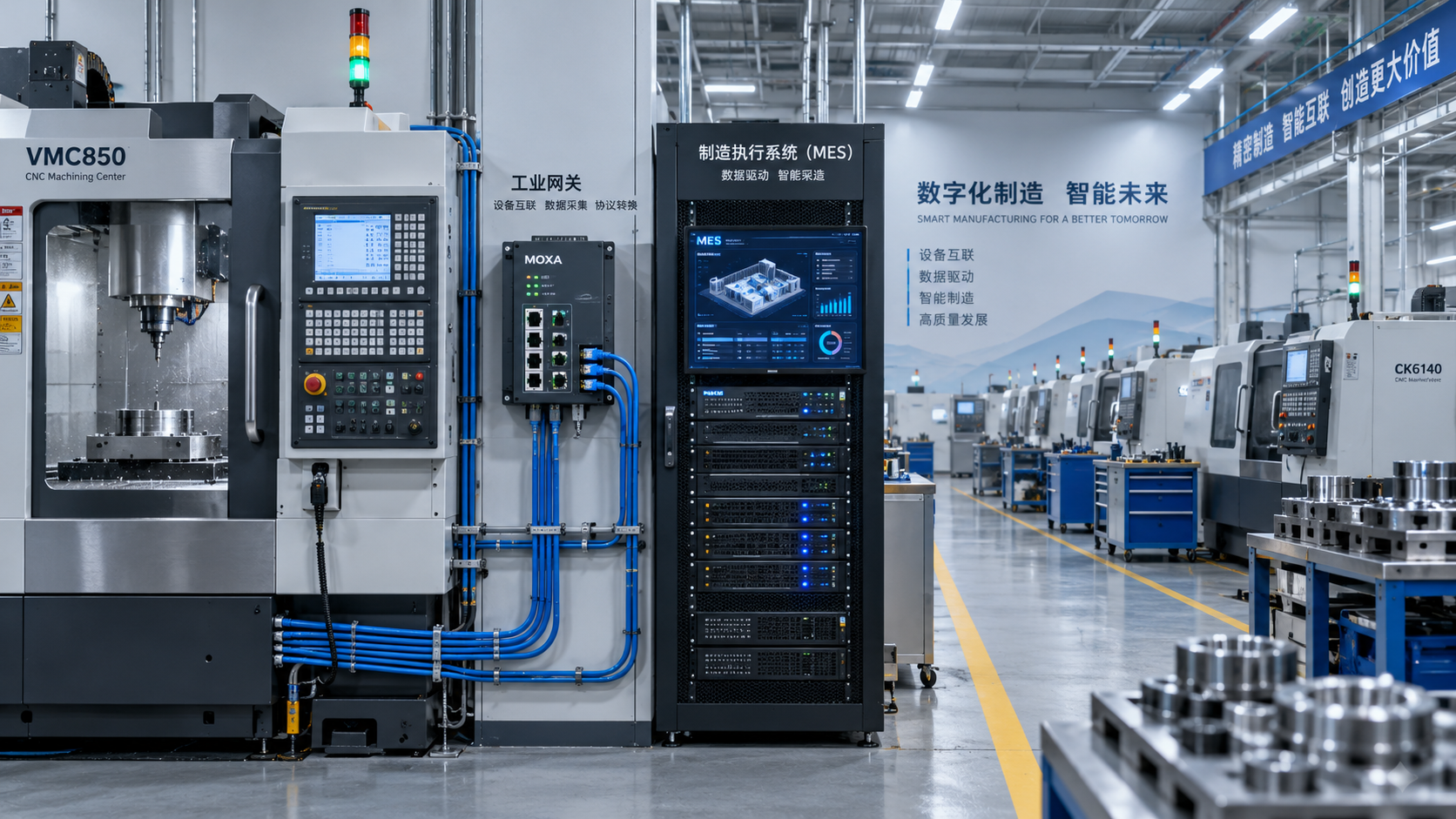
 Digital Manufacturing for Smart Factories: Connecting Legacy Machines to MESMachine Tool Industry Editorial Team
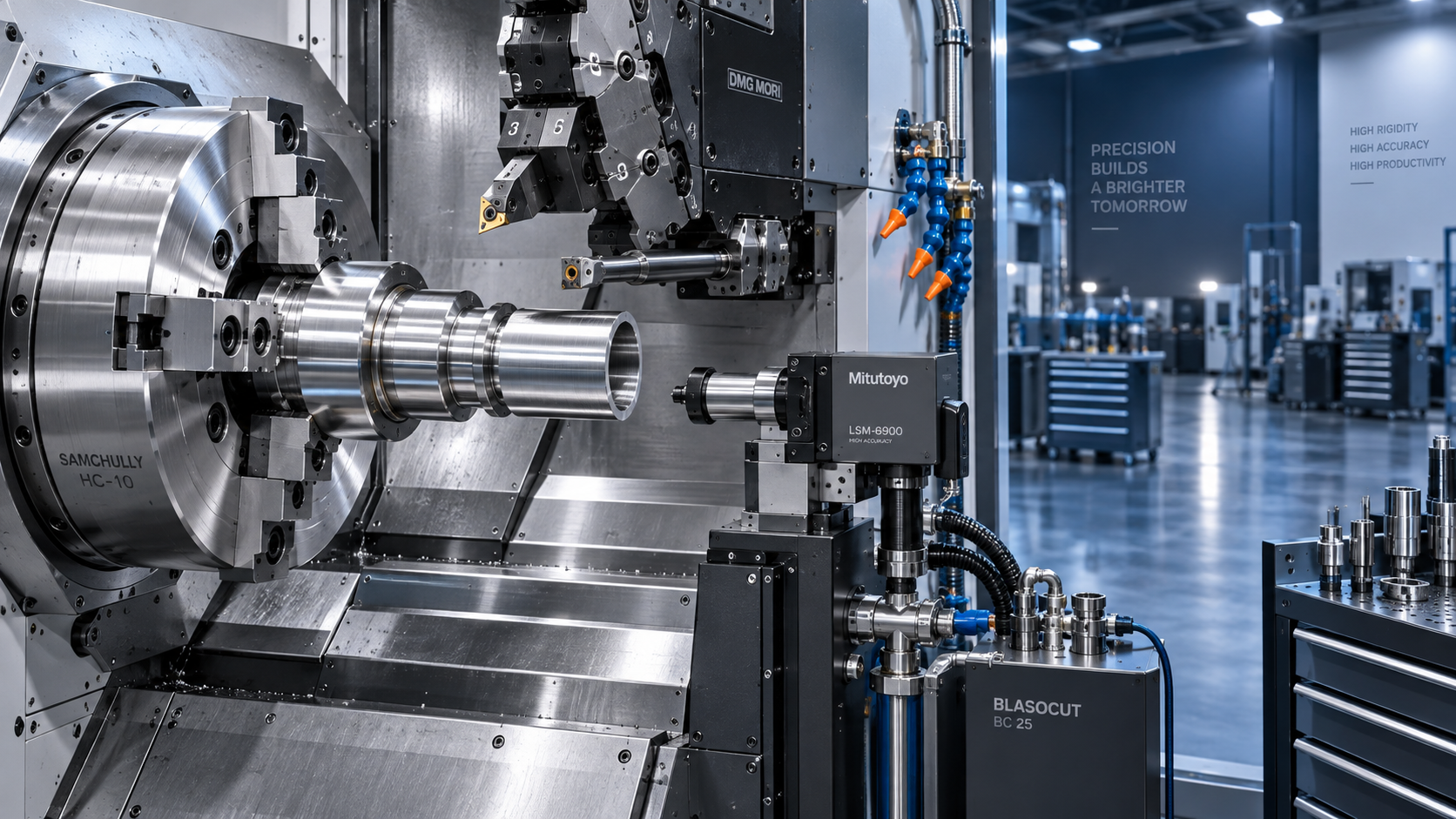
 How to Select a CNC Metal Lathe for Tight-Tolerance Shaft and Sleeve PartsCNC Machining Technology Center
 How to Select an Industrial Lathe for High-Volume Shaft ProductionMachine Tool Industry Editorial Team
 Selecting Machine Tools for Automotive Parts: Accuracy, Throughput, and AutomationMachine Tool Industry Editorial Team
 Industrial Machining: Selecting Processes for Tight-Tolerance Metal PartsCNC Machining Technology Center
 Manufacturing Technology Trends That Improve Throughput and Quality ControlManufacturing Market Research Center

Aris Katos
Future of Carbide Coatings
15+ years in precision manufacturing systems. Specialized in high-speed milling and aerospace grade alloy processing.
▶
Digital Manufacturing for Smart Factories: Connecting Legacy Machines to MESMachine Tool Industry Editorial Team▶
Selecting Machine Tools for Automotive Parts: Accuracy, Throughput, and AutomationMachine Tool Industry Editorial Team▶
Smart Manufacturing for Small Businesses: Where Automation Delivers the Fastest ROIMachine Tool Industry Editorial Team▶
How Smart Manufacturing Technology Improves OEE Across Industry 4.0 Production LinesMachine Tool Industry Editorial Team▶
How to Evaluate an Automation Line for Electronics Production Before InvestmentMachine Tool Industry Editorial Team
Mastering 5-Axis Workholding Strategies
Join our technical panel on Nov 15th to learn about reducing vibrations in thin-wall components.

Providing you with integrated sanding solutions
Before-sales and after-sales services
Comprehensive technical support